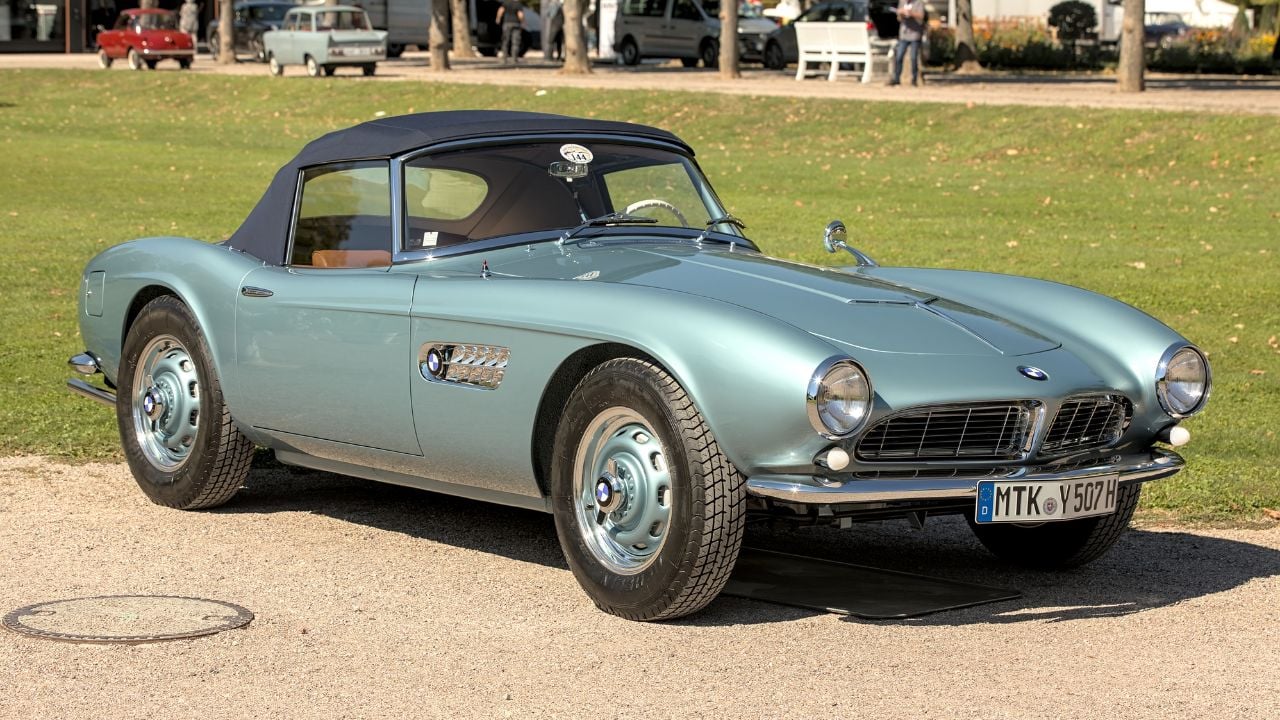
BMW is one of the most iconic automakers in the world, known for building driver-focused machines that blend performance, precision, and prestige. From early sports coupes to cutting-edge M cars, the Bavarian brand has produced some truly unforgettable machines over the past 70+ years.
Narrowing it down to just a handful wasn’t easy. Still, we’ve curated a list of BMWs that aren’t just special on paper; they’re the kind of cars that make you want to grab the keys and go for a spirited drive. From legendary homologation specials to modern engineering masterpieces, these are the BMWs we’d love to drive.
Bavaria’s Finest
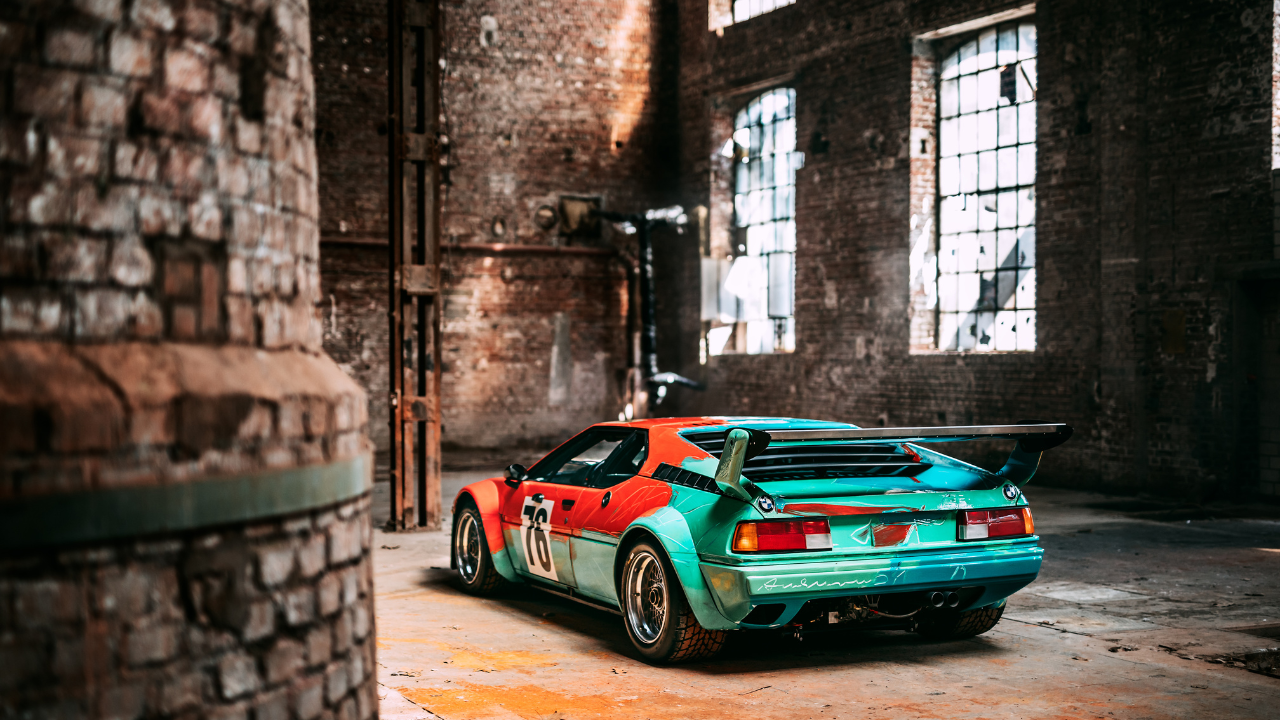
To compile this list, we prioritized BMWs that offer an exceptional driving experience, engineering significance, or historical value. We sourced data and specifications from BMW’s official archives and the BMW M division.
Our goal was to strike a balance between well-known icons and overlooked gems, with models ranging from early classics to modern marvels. Each car was evaluated based on its performance, rarity, and enthusiast appeal.
BMW 507
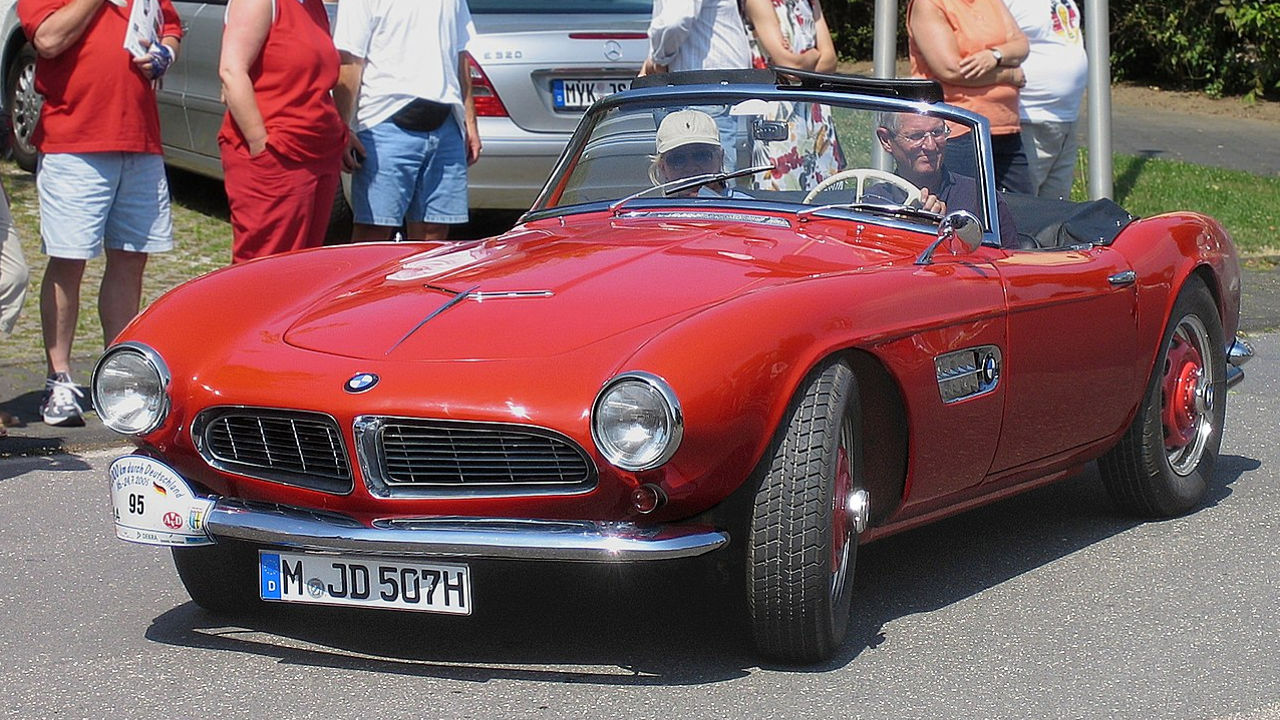
Let’s start with one of the most beautiful BMWs ever made, the 507 Roadster. BMW introduced the 507 in 1956, and production only lasted four years. During those four years, some of the world’s richest and most famous people, including Elvis Presley and Fred Astaire, ordered one.
While it sounds like it was hugely successful, the 507 nearly bankrupted the Bavarian carmaker. Built to compete against the Mercedes 300SL on the American market, the handbuilt, aluminum-bodied 507 was far too expensive, and only 252 were made, making it a very rare sports car. Still, we’d love to take one of these beauties for a spin, just to hear that 3.2-liter V8 rated at 150 bhp roar.
BMW 2002 Turbo
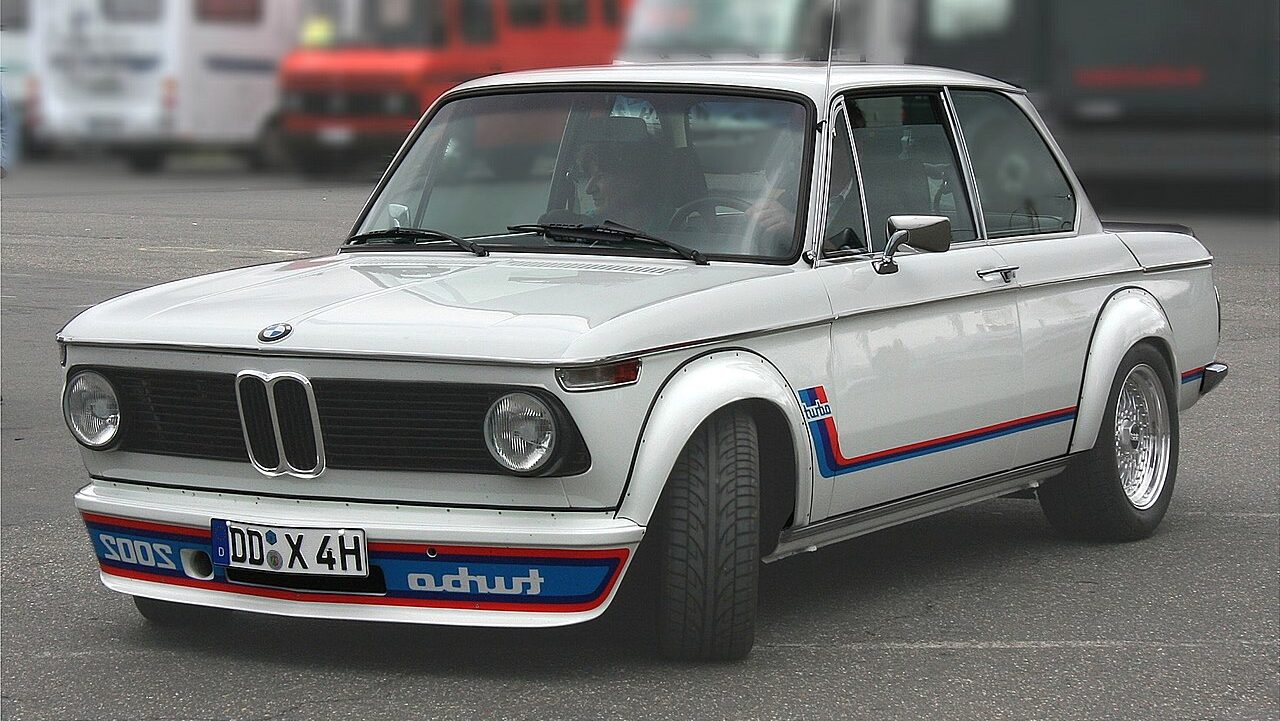
While it’s fair to say the regular BMW 2002 was a bit underpowered, the 2002 Turbo was a very different beast. One of the cars I learned to drive in was a BMW 2002 Turbo, so I may be biased, but I think it’s one of the coolest-looking German cars from the 1970s.
With 170 Bavarian ponies and 177 lb-ft of torque, it was a proper BMW performance car before the M division even existed. It also received a more aggressive body kit, including wider arches, and often featured BMW Motorsport tricolor striping to show it meant business.
BMW 3.0 CSL
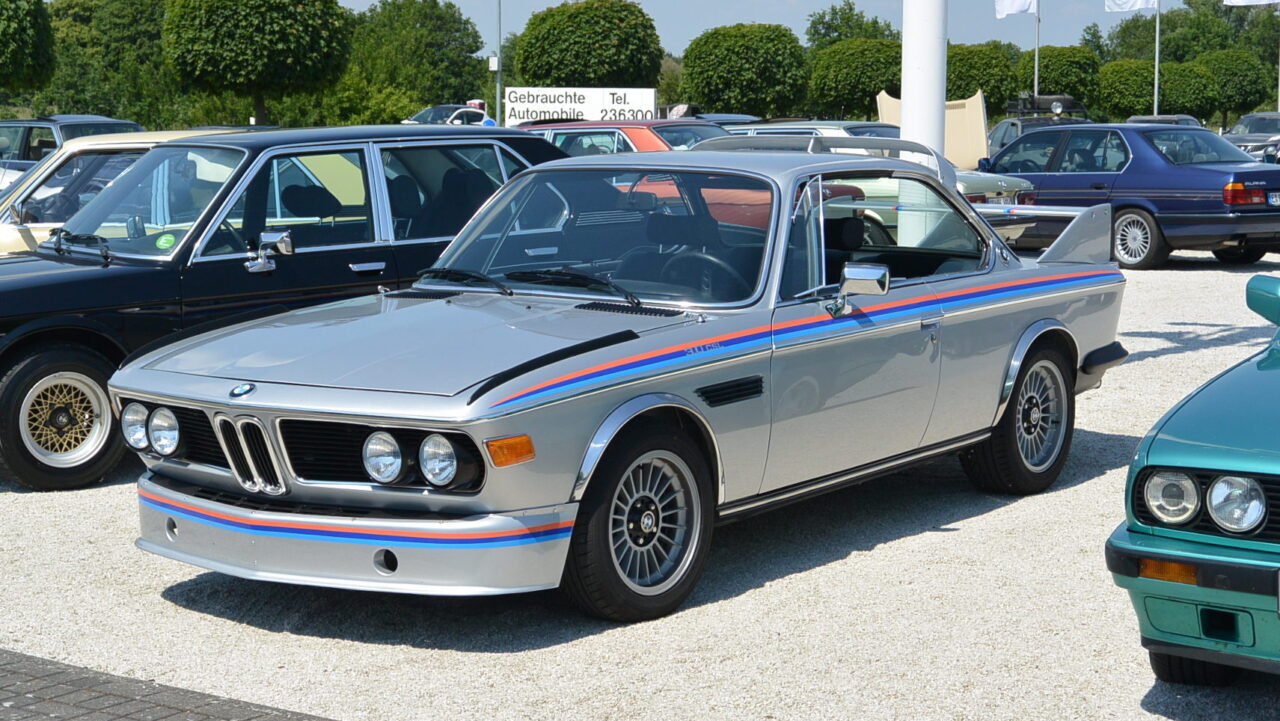
As impressive as the 2002 Turbo was, it still lives in the shadow of the awesome BMW 3.0 CSL “Batmobile.” It got its nickname from the massive rear spoiler, which wasn’t legal for use on German roads, so BMW just put it in the trunk for owners to install themselves.
Early cars had a 3,003cc engine, but in 1973, it was increased to 3,153cc, or 3.2 liters. With 206 horsepower in a lightweight body, the 3.0 CSL was a proper high-performance car.
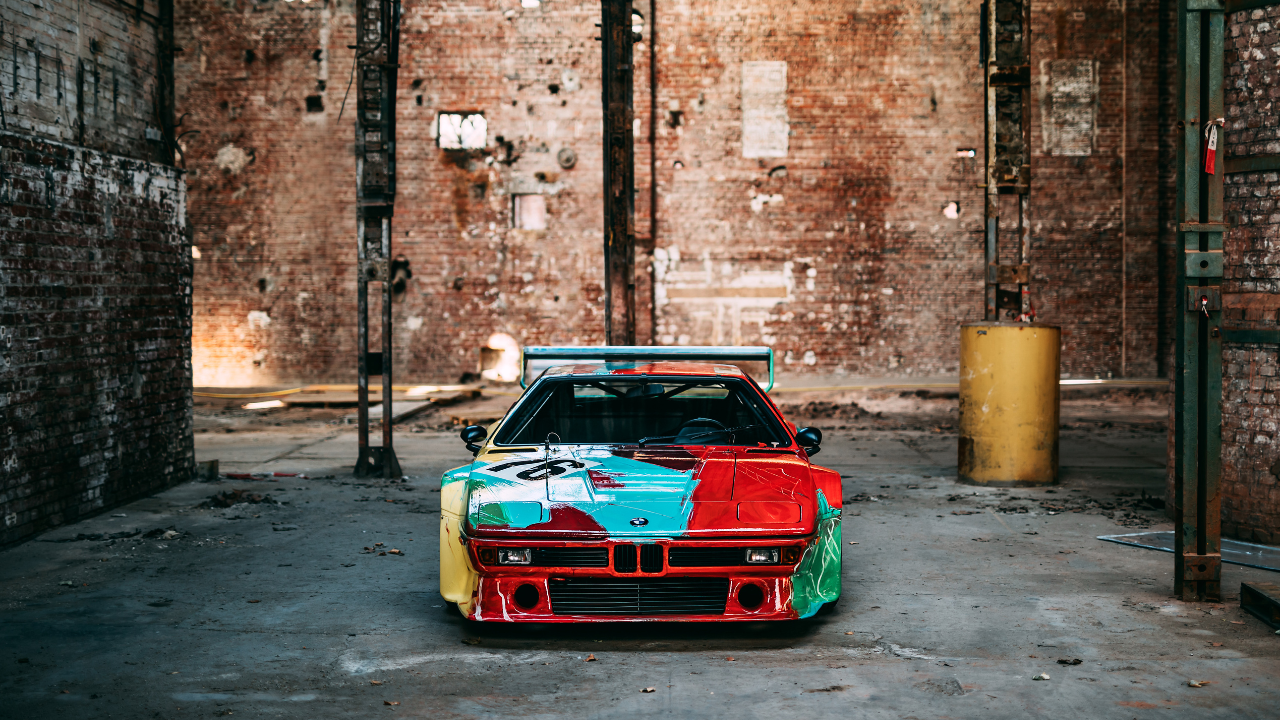
BMW M1

The BMW M1 could’ve been one of the greatest cars to ever emerge from Germany, but due to a series of unfortunate circumstances, it never achieved the fame it deserved.
Designed by Giugiaro, the mid-engined BMW M1 was supposed to be built by Lamborghini. The Italian supercar manufacturer faced financial difficulties, so a group of former Lamborghini employees founded Italengineering and finished the M1. However, due to the delays, it was no longer eligible to race under the rules it had been developed for. In the end, 453 BMW M1s were built: 399 road cars and 54 competition (Procar) cars.
BMW M3 Sport Evolution (E30)

Many BMW enthusiasts will tell you that the e30 M3 is still the best. Developed as a homologation special, it became one of the most successful touring cars ever.
The “regular” e30 M3, with its 192-horsepower 2.3-liter 16-valve engine, is no slouch, but the Sport Evolution turns everything up to 11. It was a special edition, lightweight model with a larger 2.5-liter engine that churned out 238 PS (about 235 hp). It also had adjustable front and rear spoilers, upgraded suspension, and other goodies. Only 600 were made.
BMW M3 Lightweight (E36)

As good as the e36 BMW M3 was, it doesn’t get the same praise as the e30 and the e46. Our guess is that it’s down to looks, as there wasn’t much that separated it from the regular 3 Series models.
If you want something a bit more special, there’s the US-only M3 Lightweight. BMW made sure it lived up to its name and took the weight-saving measures to the extreme, losing about 200 lbs compared to the standard roadgoing E36 M3. It still has the same six-cylinder engine as the regular M3 without the same electronic speed limiting found on some other BMW models of the era. Strangely, BMW struggled to sell the Lightweight models. These days, however, they fetch a premium.
BMW M3 CSL (E46)
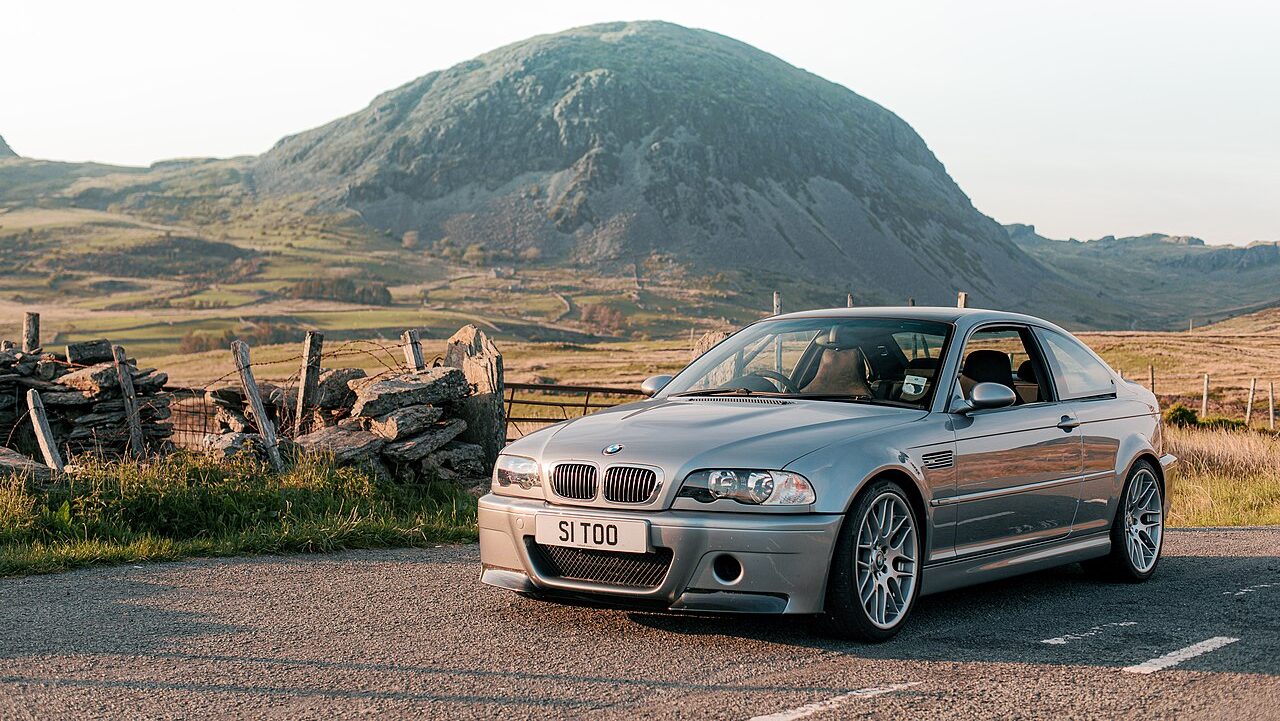
In 2003, BMW released another lightweight M3, this time in the form of the e46 M3 CSL. The “Coupe Sport Lightweight” name was borrowed from the aforementioned 3.0 CSL, and like the e36 M3 Lightweight, the focus was on removing anything deemed unnecessary.
The e46 BMW M3 CSL used carbon-fiber-reinforced plastic for the roof, bumpers, door panels, and center console. Along with other weight-saving measures, BMW stripped off 243 lbs. This time, they also added more power, and the 3.2-liter inline-six pumped out 360 PS (about 355 hp), 17 more than the standard model.
BMW M5 (E39)

Thanks to the e28 and e34, the BMW M5 was already known for its speed, power, and comfort by the time the now-iconic e39 rolled off the assembly line. However, dyed-in-the-wool BMW fanatics will tell you the e39 was on another level, and many believe it’s the best M5 ever made.
Thanks to a 5.0-liter V8 that produced 394 horsepower (and a glorious soundtrack), it destroyed the competition, standing toe-to-toe with rivals like the Mercedes-Benz E55 AMG and Jaguar XJR.
BMW M535i (E28)

The BMW M535i is where the M magic really began. Before the M5 made headlines, the M535i laid the groundwork. Launched in the mid-1980s, it packed a 3.5-liter inline-six rated around 215 hp in some European specifications and came with a five-speed manual transmission, firmer suspension, and sportier aesthetics, including an optional M-Technic body kit.
While not a full M5, the M535i helped pave the way for it, blending understated styling with engaging driving dynamics. It was one of the earliest models to show that BMW could deliver sports car performance in a sedan body. Today, it’s a cult favorite among enthusiasts.
BMW 1M Coupe

Enthusiasts fell in love instantly when the BMW 1M Coupe arrived in 2011. It was almost like a modern-day version of the legendary e30 M3. This compact coupe offered rear-wheel drive and a manual transmission. Once upon a time, that was the standard, but nowadays, cars like that are as rare as unicorns.
BMW only planned to make 2,700 1Ms, but during its single production year, it ended up selling 6,342 cars instead.
BMW 850 CSi

BMW introduced the 8-series in the early 1990s, and this flagship model was one of the best-looking cars on the market at the time, complete with pop-up headlights.
At the bottom of the totem pole was the 282-horsepower 840Ci with a 4.0-liter V8 engine. Then there was the 850i, which had a 296-horsepower 5.0-liter V12, the 850Ci, with a 326-horsepower 5.4-liter V12, and finally, the 850CSi. They were all good, but the 850CSi was the most desirable, with its 5.6-liter V12 pumping out 380 wild horses.
BMW Z3 M Coupe
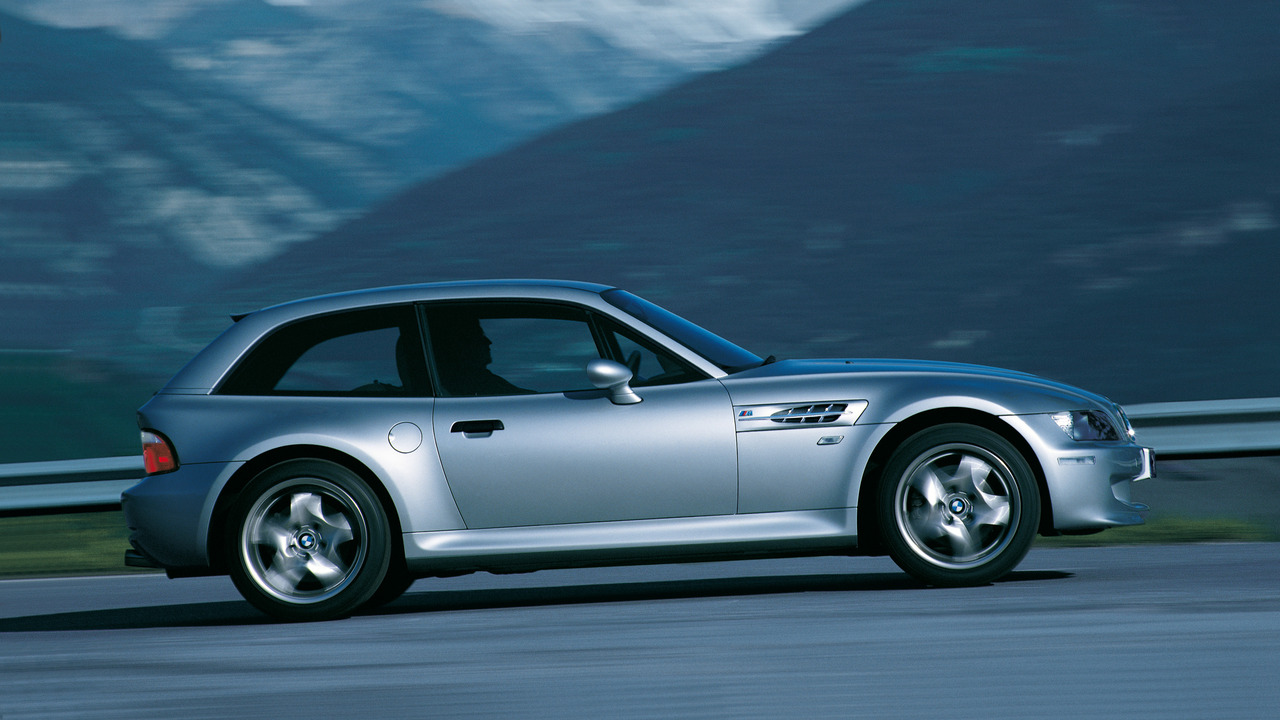
I’m the first to admit that the BMW Z3 M Coupe isn’t the best-looking Bimmer. In fact, it’s commonly referred to as the Clown Shoe. Looks aside, it’s actually an absolute gem of a sports car.
That said, it’s a better driver’s car than its soft-top sibling, the Z3, and it also looks more aggressive. Under the hood, early US-spec cars had the 240-horsepower 3.2-liter from the E36 M3, while later models received the e46 M3’s 315-horsepower lump.
BMW M635CSi / M6

In 1984, BMW decided to drop the M1’s six-cylinder engine into a grand tourer and created the Euro-spec M635CSi. The North American market had to wait until 1987 to enjoy it, and there it wore an M6 badge and had to make do with a less powerful engine than the European model.
It was nicknamed the Shark thanks to its styling. With 286 horsepower, it would reach 62 mph in around 6.4 seconds and went on to a top speed of 158 mph.
BMW Z8
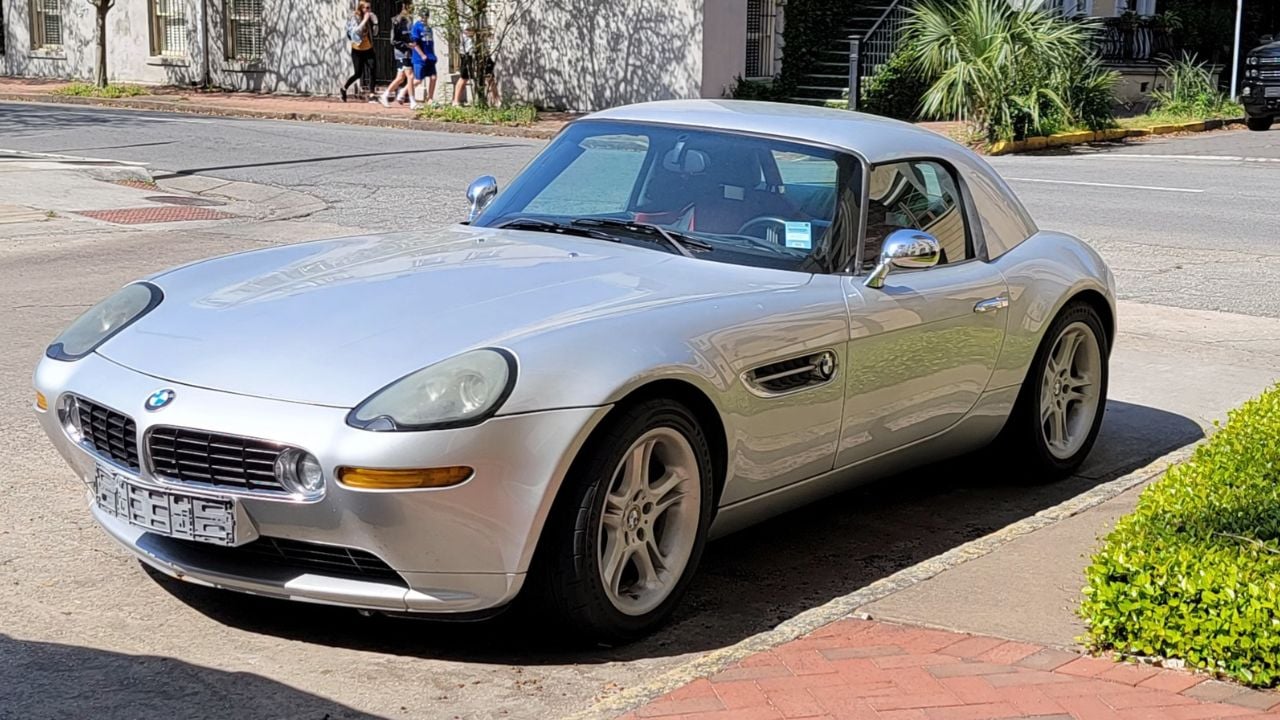
The BMW Z8 was built to celebrate the BMW 507 and even appeared in the James Bond movie The World Is Not Enough. Its 400-horsepower V8 engine allowed it to reach 60 mph in less than five seconds, and it BMW electronically limited the Z8 to 155 mph.
It was a solid German sports car that consistently outperformed many of its competitors, but some journalists and owners complained that it was too track-focused. When Alpina took over production in 2003, it became a more relaxed grand touring car, and some say that version is much better for daily use.
BMW M4 CSL

The G82 M4 CSL marks the modern pinnacle of the M4 lineup. Stripped of weight and tuned for maximum performance, the CSL sheds around 240 pounds compared to the M4 Competition. Its twin-turbo 3.0-liter inline-six cranks out 543 hp (405 kW / 550 PS), launching it to 60 mph in just 3.6 seconds.
BMW dropped the rear seats and fitted lightweight materials throughout, including a carbon-fiber hood and roof. The result? A focused, ferocious machine built for the track but road-legal. With only 1,000 units produced worldwide, the CSL is a high-performance collector’s item, and one we’d absolutely love to drive.
German Style and Power
BMW has built its legacy on creating machines that appeal to both heart and mind. From homologation specials and V12-powered GTs to futuristic hybrids and iconic M cars, the brand has produced some truly unforgettable driver’s cars.
While this list is far from exhaustive, it captures the diversity and brilliance of BMW’s engineering over the decades. Whether it’s for carving up canyon roads or simply soaking up the sound of a high-revving straight-six, these are the BMWs we dream of driving.