
Autumn autocross brings crisp air, unpredictable tarmac, and technical course layouts that reward precision over brute power. Early-morning dew, fallen leaves, and rapidly dropping temperatures change how your car turns, brakes, and accelerates; summer setups can leave you chasing grip all day.
Nailing your fall prep means more than topping off fluids. You need a tire compound that stays supple in cool air, fresh high-boil fluids to resist moisture, suspension tuned for denser atmosphere, and debris guards to keep leaves out of radiators and brake ducts. Follow these deep-dive tips to sharpen your edge when the track turns autumnal.
1. Select a Cool-Temperature Tire Compound and Cold PSI Protocol

According to Mobil 1, summer-sport tires lose grip below about 60 °F. Choose a mixed-silica or track-specific compound rated for 40°F+, which maintains flexibility and bite on cooler pavement. Always inflate tires to your target cold PSI, measuring before your first run to ensure hot pressures peak in the 30–35 psi range rather than chasing arbitrary summer settings.
2. Flush Brake and Clutch Systems With High-Boil Fluids

Brake fluid is hygroscopic and absorbs moisture, dropping its boiling point and risking fade in back-to-back runs on damp courses. Flush and fill with DOT 5.1 or DOT 4 fluid rated for a 500°F+ dry boil. If you use your clutch aggressively, bleed the system too, as cold, humid air can exacerbate sponginess from moisture and tiny air bubbles.
3. Re-Tune Dampers and Ride Height for Denser Air

Cooler air thickens damper oil and slightly stiffens springs. Back off 1–2 clicks of rebound damping to keep the chassis settled through rapid direction changes. Raising rear ride height by 3–5 mm shifts weight bias toward a neutral balance on leaf-slick or frosty corners, and validates these tweaks with test laps.
4. Fit Fine-Mesh Guards Over Cooling and Brake Ducts

Leaves and acorns can clog radiators and brake ducts, causing heat soak on tight autocross layouts. Install stainless-steel mesh screens over your front core and duct inlets. Check strut-tower vents and engine-bay breathers too, as wet debris there can soak sensors and wiring, leading to misfires or electrical gremlins.
5. Upgrade to Track-Compound Pads and Inspect Rotors
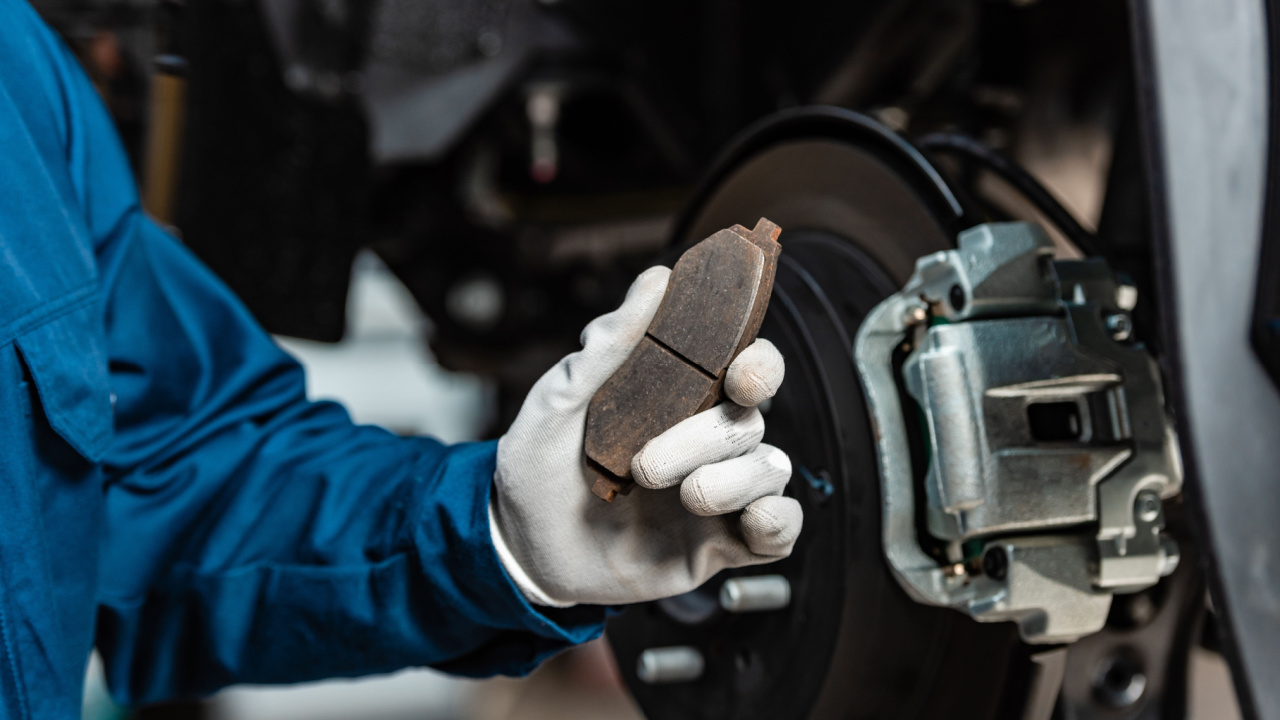
Cold, damp conditions delay pad bedding and brake heat-up. Switch to track-grade pads with higher friction coefficients at low temperatures. Inspect rotors for glazing or uneven wear and resurface or replace if you see hot-spotting or thickness variation over 0.05 mm to maintain a consistent bite and prevent warping.
6. Calibrate Stability Systems and Confirm Alignment

If your car offers adjustable ABS or traction-control maps, dial in a less intrusive setting to allow controlled slip and build tire heat. Perform a morning alignment check as cool ambient temps contract suspension bushings, and sub-millimeter toe changes can ruin turn-in precision on autumn courses.
7. Strip Weight and Fine-Tune Ballast Placement
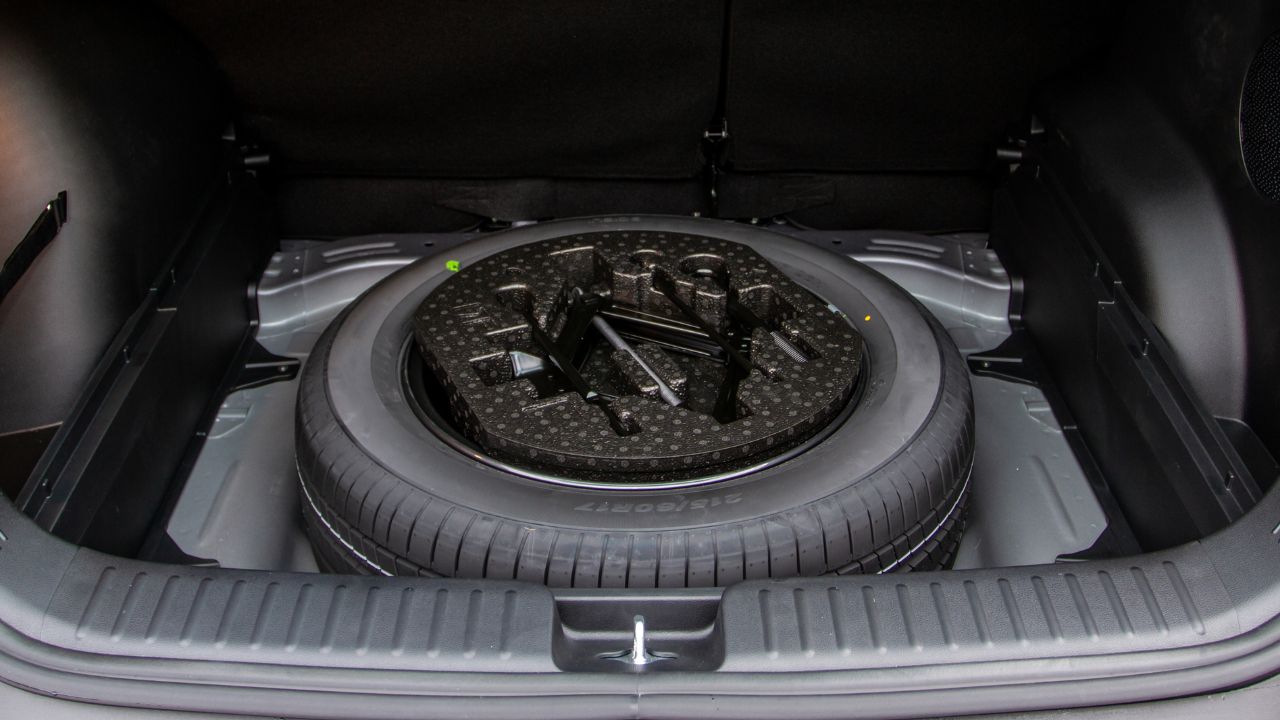
Remove every unnecessary pound: tools, spare tires, and interior panels. Lighter cars respond faster, and weight transfer shifts at lower track temps. If you normally run ballast, test small fore/aft moves—a few pounds shifted rearward can snap the front grip back to life when the pavement cools.
Finalizing Your Autumn Autocross Prep

When leaf-strewn courses, moisture, and cooler air combine, your car’s limits change. By choosing the right tire compound, flushing fluids, tuning suspension, and protecting against debris, you’ll stay competitive and confident all fall long.
Autumn autocross is a game of fine margins. Nail these deeper‐dive checks, and you’ll turn seasonal challenges into opportunities to clip cones with precision and set personal bests on every run.