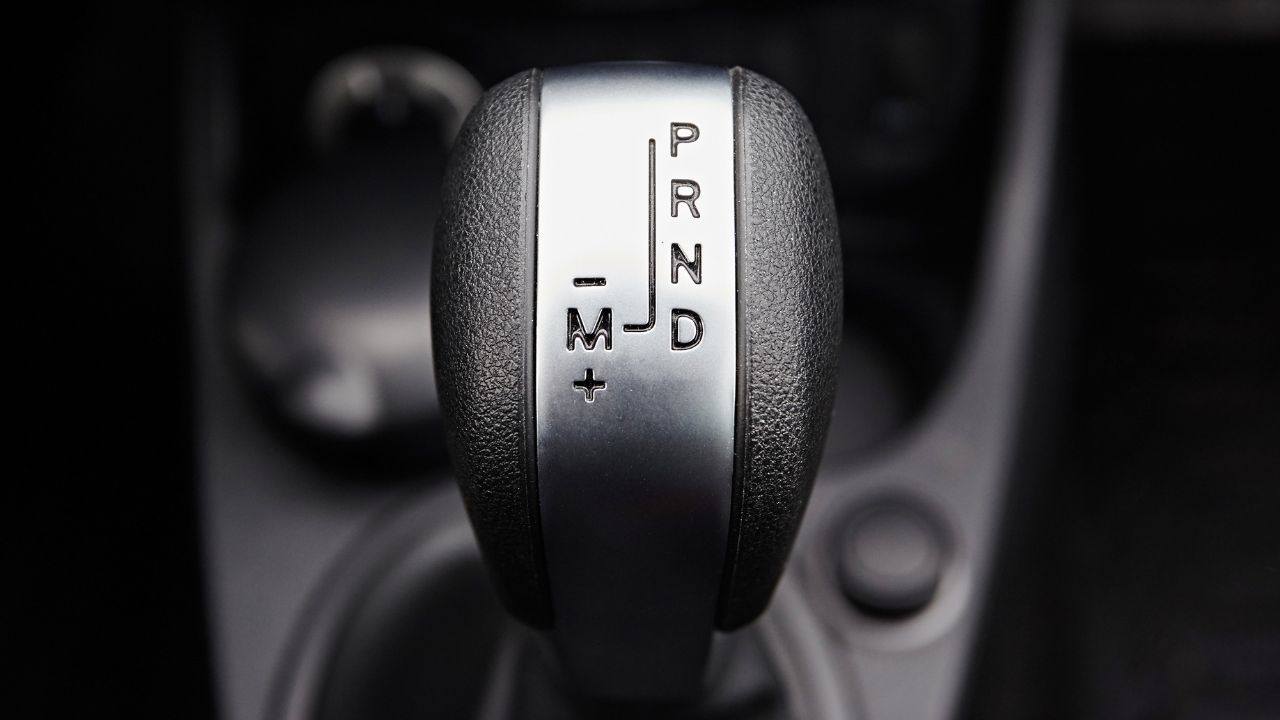
Driving an automatic seems easy enough…just put it in Drive and go, right? Well, it turns out a lot of us are silently sabotaging our transmissions without even realizing it. Whether it’s shifting into Park while still rolling or coasting in Neutral like it’s 1995 (spoiler: it’s not saving you gas), these little habits can lead to big repair bills.
Automatic transmissions are full of finely tuned parts and complex hydraulics, not magic, and while they’re built to handle daily driving, they’re not built to survive years of driver abuse (or YouTube driving “hacks”). That’s why we’ve rounded up common mistakes people make with automatics. If you want to keep your car running smoothly and avoid dropping thousands at the repair shop (especially in THIS economy), this is one list you’ll want to check twice.
Behind the Drive
We didn’t pull this out of thin air. This advice comes straight from the people who know, mechanics who’ve seen the same transmission killers roll into the shop week after week, techs who write the service bulletins, and seasoned drivers who’ve learned the hard way. These habits aren’t rare; they’re everywhere, and they’re slowly cooking your transmission like it’s a Sunday roast.
We skipped the deep dive into torque converters and solenoids (you’re welcome). This is about real-world stuff with real-world consequences. If it wears down your transmission, wastes your money, or turns your daily drive into a future repair bill, it’s worth talking about. So let’s clear the air, and maybe save your transmission before it taps out.
Shifting to Park Before the Car Stops
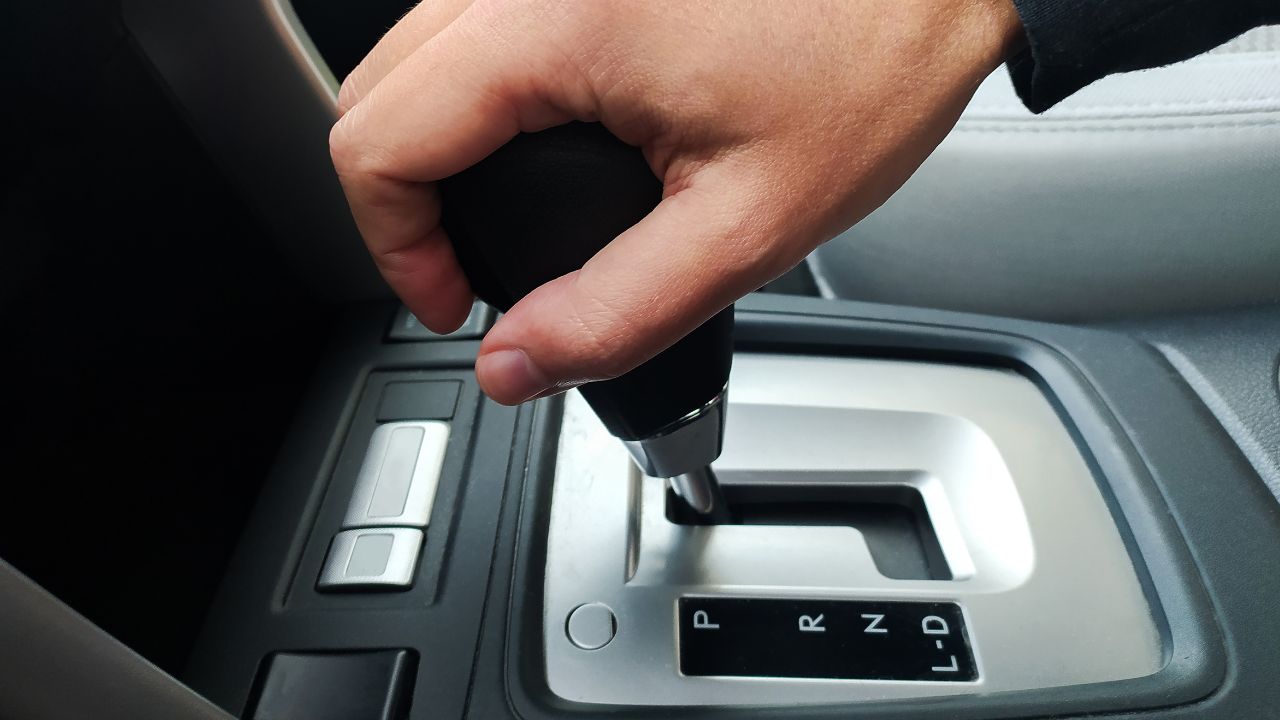
One of the most damaging habits automatic drivers fall into is shifting into Park while the car is still rolling. This may not seem like a big deal, especially if you’re just coasting gently into a parking spot (many cars have safeguards for this but not at low speeds). Doing this puts intense strain on the parking pawl, a small pin that locks your transmission when Park is engaged.
Over time, forcing this part to stop a moving vehicle can bend or even break it. Once the pawl is damaged, your car might start rolling even when it’s parked. It’s a serious safety risk and an expensive repair. Always make sure your car is at a complete stop before shifting into Park. That one-second pause could save you thousands.
Resting Your Hand on the Gear Shifter
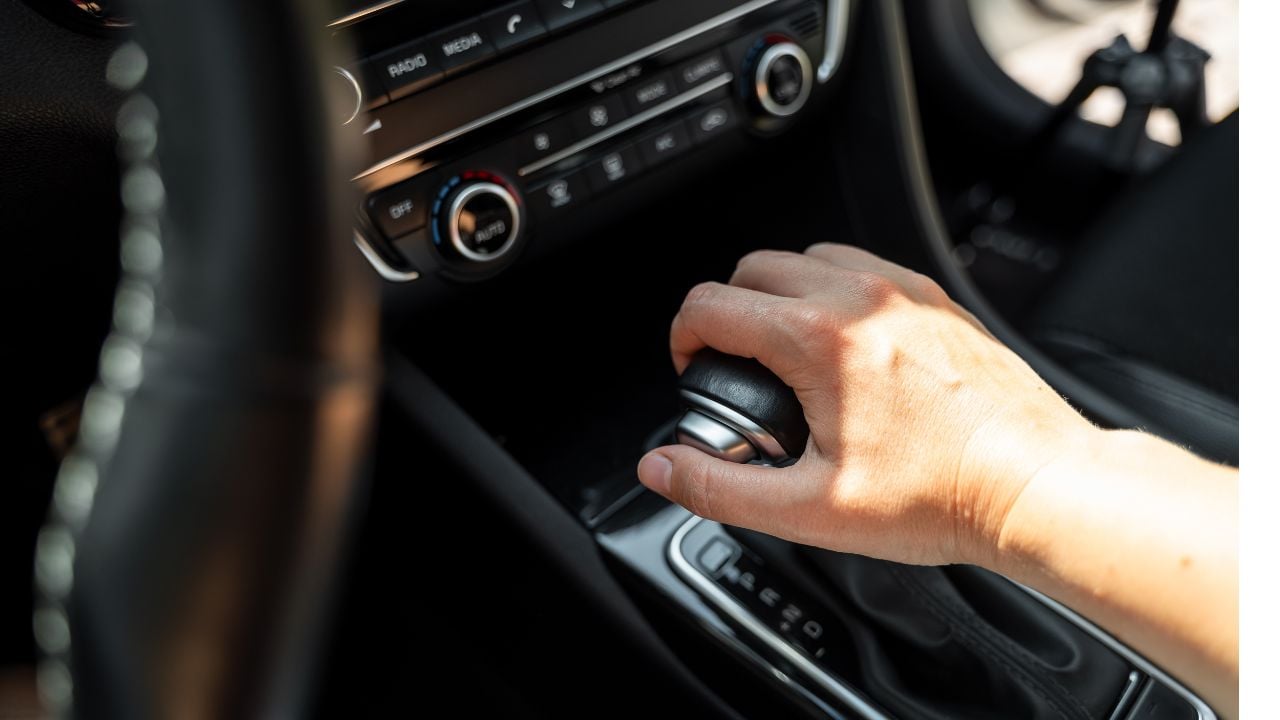
While it might seem harmless or even stylish to keep your hand on the gear lever, doing so in an automatic car can lead to unnecessary wear. Unlike manuals, automatics aren’t designed for constant input on the shifter (and you know what, don’t do this if you drive a manual, either).
In older mechanically linked automatics, constant pressure on the shifter can contribute to wear in external linkage or shifter bushings. In modern electronically controlled shifters, it’s far less likely to affect the transmission itself, still, it’s better practice to keep both hands on the wheel. Use your hand when you need to shift, and then let it go. You’re not shifting anyways, so knock it off.
Downshifting Into Neutral to Save Fuel
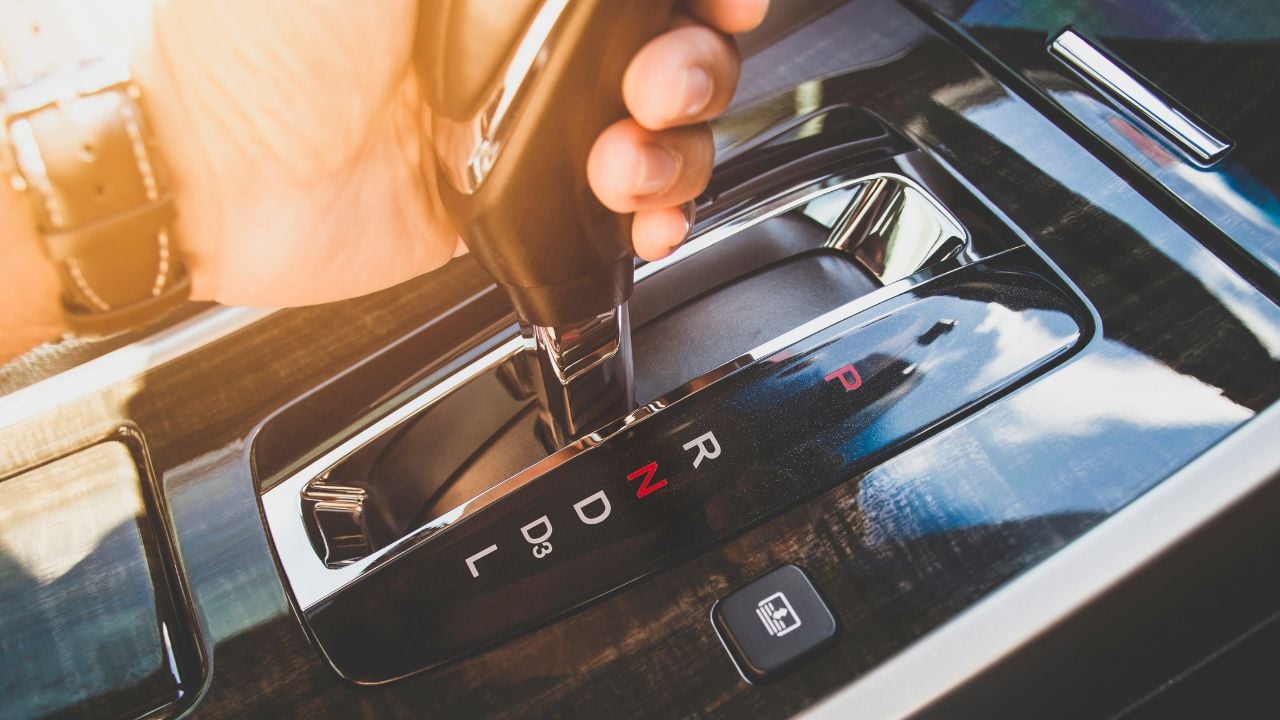
This is one of the oldest myths in driving, shifting to Neutral downhill or at stoplights to save gas. On many modern fuel-injected cars, deceleration fuel cut-off (DFCO) can reduce fuel delivery to near zero while coasting in gear, while coasting in Neutral typically requires fuel to keep the engine idling—so Neutral often doesn’t save fuel and can be less efficient.
Worse, shifting into Neutral disengages your engine from the drivetrain, which limits your ability to accelerate or control the car quickly if needed (and with the way people on the road text and drive these days, you never know when you’ll have to bob and weave out of the way). It also reduces engine braking, forcing your brakes to work harder and potentially overheat. Stay in Drive and let the car do what it was designed to do, manage fuel efficiently without compromising safety.
Riding the Brakes on Long Descents
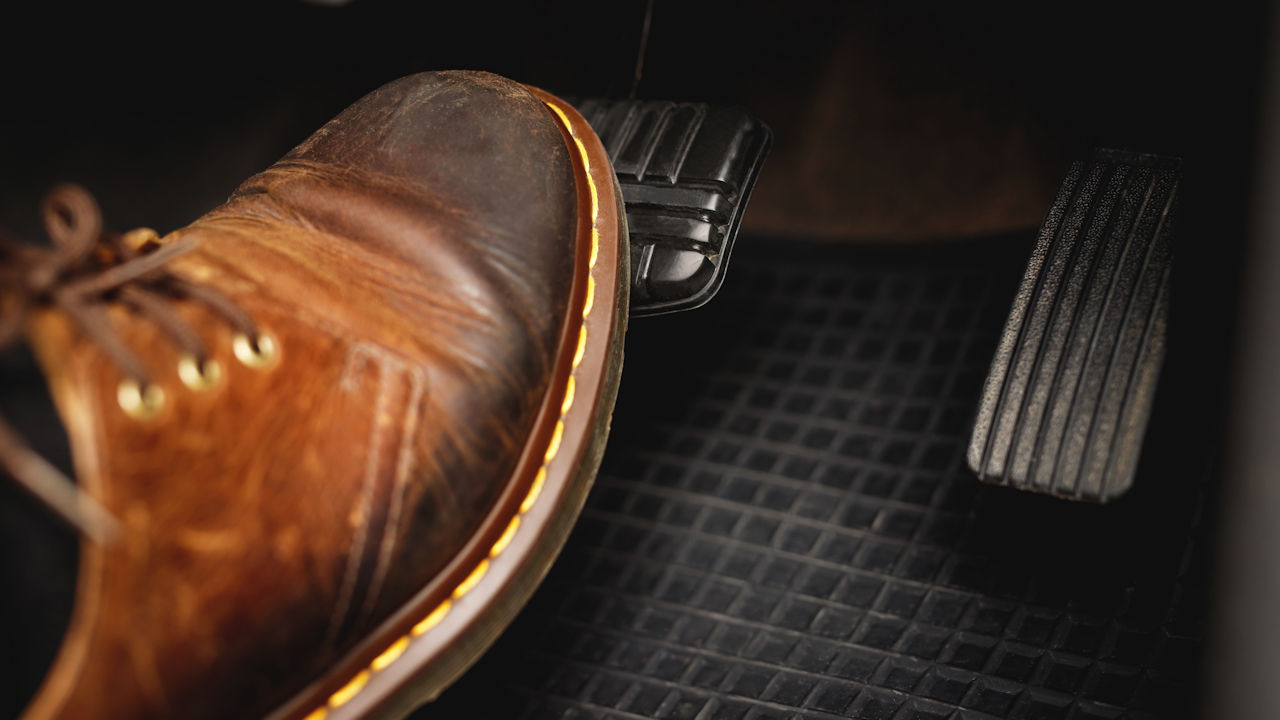
Holding the brake pedal constantly on a long hill is a common mistake. It not only causes your brake pads to overheat and wear out quickly, and it increases the risk of brake fade/overheating, so using a lower gear to add engine braking is safer and reduces brake wear, especially on long grades.
Instead, you should shift to a lower gear (like L or 2 depending on your car) and let the engine help slow you down. This distributes the workload between the brakes and transmission, extending the life of both and improving safety, especially in mountainous terrain or heavy traffic descents.
Ignoring Fluid Changes

Transmission fluid doesn’t just lubricate, it also cools and powers the internal parts of your automatic gearbox. Over time, it gets dirty and breaks down, losing effectiveness. Many drivers mistakenly think transmission fluid lasts forever because it’s sealed in a lifetime system, and it’s not talked about as often as changing engine oil.
In reality, “lifetime” varies by manufacturer and driving conditions, heat, towing, stop-and-go traffic, and mountains can shorten fluid life dramatically, so the owner’s manual (and severe-duty schedule) matters most. Dirty fluid leads to harsh shifting, overheating, and premature failure. Check your owner’s manual and follow the recommended service intervals. If you tow, often drive in heavy traffic, or live in a hot climate, you may need to service it more frequently.
Accelerating Before the Transmission Engages
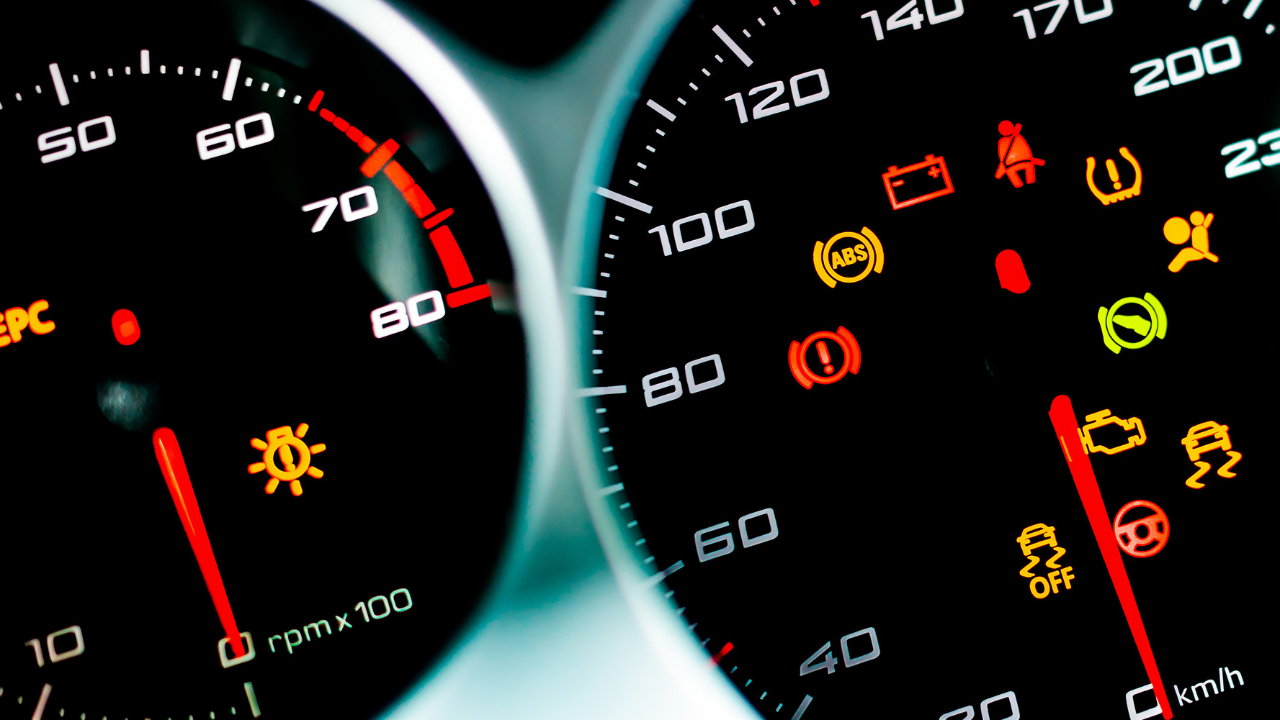
We’ve all done it, shifted into Drive or Reverse, and immediately pressed the gas. But doing this before the transmission has fully engaged the gear is a recipe for long-term trouble.
Automatic transmissions need a split-second to engage the correct clutch and route power properly. Accelerating too early causes internal slippage, which leads to faster wear on the clutches and bands. It’s subtle at first, but over time, your transmission could start jerking, hesitating, or outright failing. Wait a moment. It’s worth it.
Using the Wrong Mode for the Situation
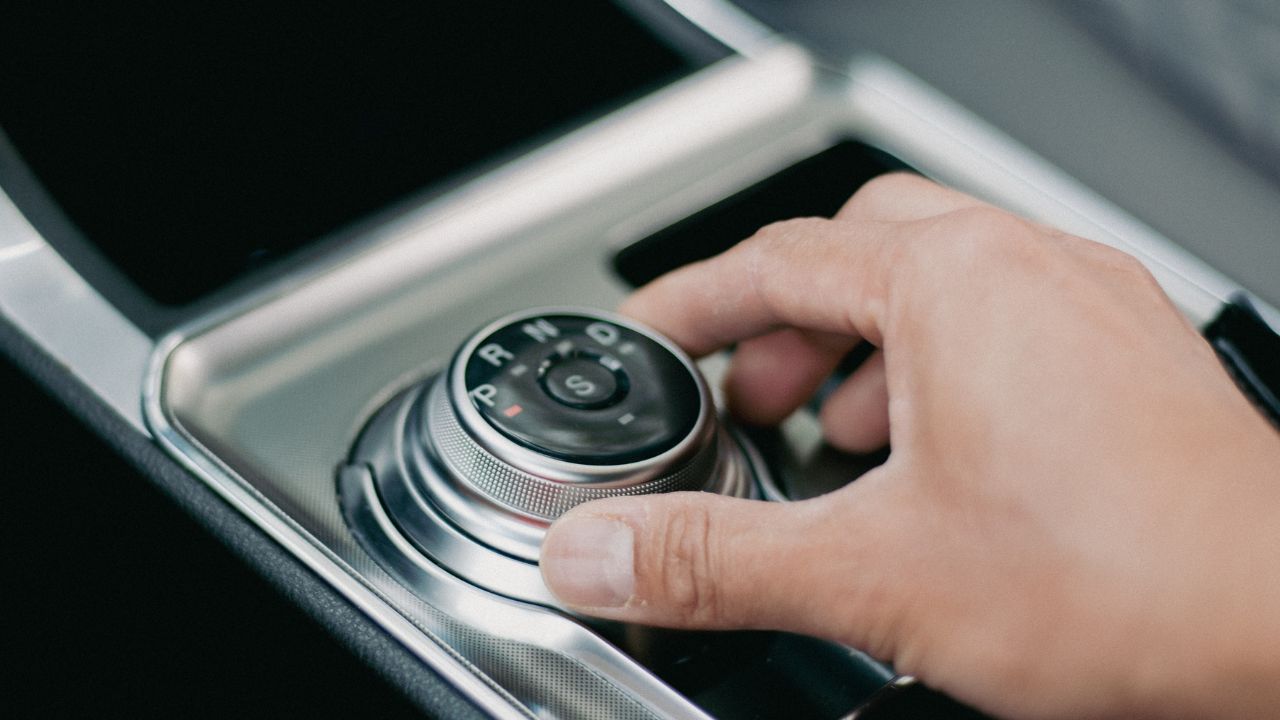
Modern automatics often come with various driving modes Sport, Snow, Tow/Haul, etc. Misusing or ignoring these options can stress the system.
Conversely, selecting Low at inappropriate speeds can cause abrupt engine braking and heat; most modern vehicles will prevent true over-revving electronically, but it’s still the wrong tool for normal driving. Understanding what each gear does and using it appropriately not only protects your transmission but improves fuel economy and performance, too.
Towing Without a Transmission Cooler

If you tow frequently or tow near your vehicle’s limits, extra cooling can be critical, heat is a major automatic-transmission killer, and towing generates a lot of it. Heat is the enemy of automatic transmissions, and towing generates a lot of it.
An auxiliary cooler helps keep the fluid temperature within safe limits, especially on long hauls or in hot weather. Without one, your transmission could overheat, lose fluid viscosity, and eventually fail. If you tow anything more than occasionally, a cooler isn’t a luxury, it’s strongly recommended for frequent or heavy towing.
Launching the Car Aggressively

Putting your foot on the brake, revving the engine, and then dropping it into Drive for a fast launch might feel powerful, but it’s brutal on the transmission. This puts massive stress on the clutches and torque converter.
It may give you a burst of speed, but over time, it destroys the components that manage gear changes. Unless you’re on a racetrack (with a car built for it), avoid these hard starts. They shorten your transmission’s life significantly.
Not Warming Up in Cold Weather
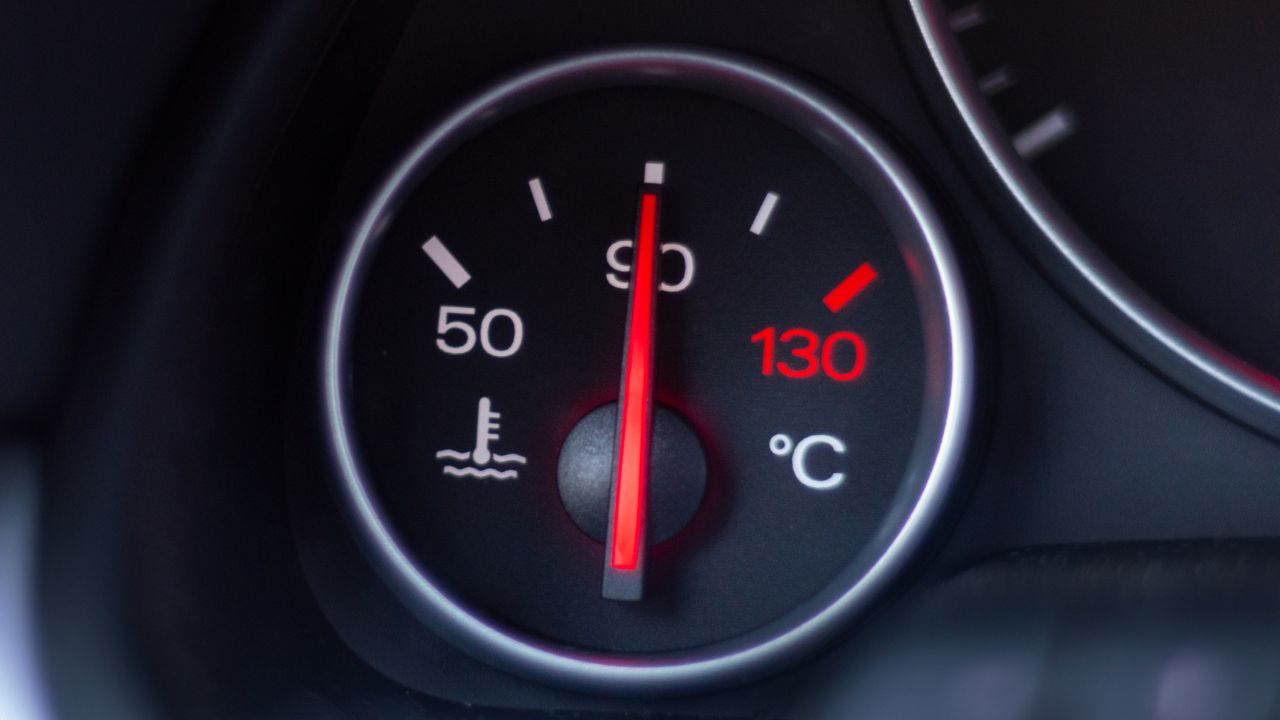
Automatic transmission fluid thickens in the cold, and forcing the car to perform before it has warmed up can lead to sluggish or delayed shifting. This is especially true for older vehicles or those without synthetic fluid.
In cold weather, a brief initial idle is fine, but gentle driving warms the transmission fluid much faster than extended idling, avoid hard throttle for the first few minutes. You don’t need to wait forever, just long enough to ensure smooth movement and reduce internal wear.
Overloading the Vehicle

Every car has a maximum weight it can safely carry. Going over that limit forces the transmission to work harder, especially during acceleration and hill climbs.
This extra strain can cause overheating, increase clutch wear, and even cause transmission failure in extreme cases. Check your car’s weight rating and respect it. It’s not just about the engine it’s about the transmission doing heavy lifting too (and brakes, and the structural integrity of the frame, and your safety, and the safety of everyone else…).
Delaying Repairs or Transmission Checks

If your automatic transmission starts to shift hard, slip between gears, or make whining noises, that’s your car screaming for attention. Many drivers ignore these signs until it’s too late.
Catching problems early can mean a minor repair instead of a full rebuild or replacement. Automatic transmissions rarely fail without warning. Listening to your car and responding quickly can be the difference between a $100 fix and a $4,000 headache.
Drive Smarter, Save More
Automatic transmissions offer convenience, comfort, and ease of use, but only if treated right. Too many drivers develop bad habits simply because they don’t know better. Whether it’s shifting at the wrong time, neglecting fluid changes, or misusing gears, these mistakes slowly add up. The cost isn’t just financial, it’s also your car’s reliability and safety.
By breaking these habits now, you’ll not only extend the life of your transmission, but also improve your car’s overall performance. And let’s face it, no one likes unexpected repairs. Stay informed, follow your manufacturer’s guidelines, and drive with purpose. A little care today could mean years of trouble-free driving tomorrow.