New South Wales is preparing to introduce groundbreaking reforms that would allow medicinal cannabis users to legally drive with limited amounts of THC in their system, marking a significant shift in Australian road laws.
Under the proposal, drivers with a valid prescription for medicinal cannabis would be permitted to have up to 50 nanograms per millilitre of THC in their saliva. The change is designed to address concerns that patients are currently penalized despite not necessarily being impaired.
Medicinal cannabis has been legal in Australia since 2016, but motorists have remained subject to the same drug-driving laws as recreational users. Because THC can remain detectable long after its effects have worn off, many patients have argued the existing rules are outdated and unfair.
How the Proposed System Would Work
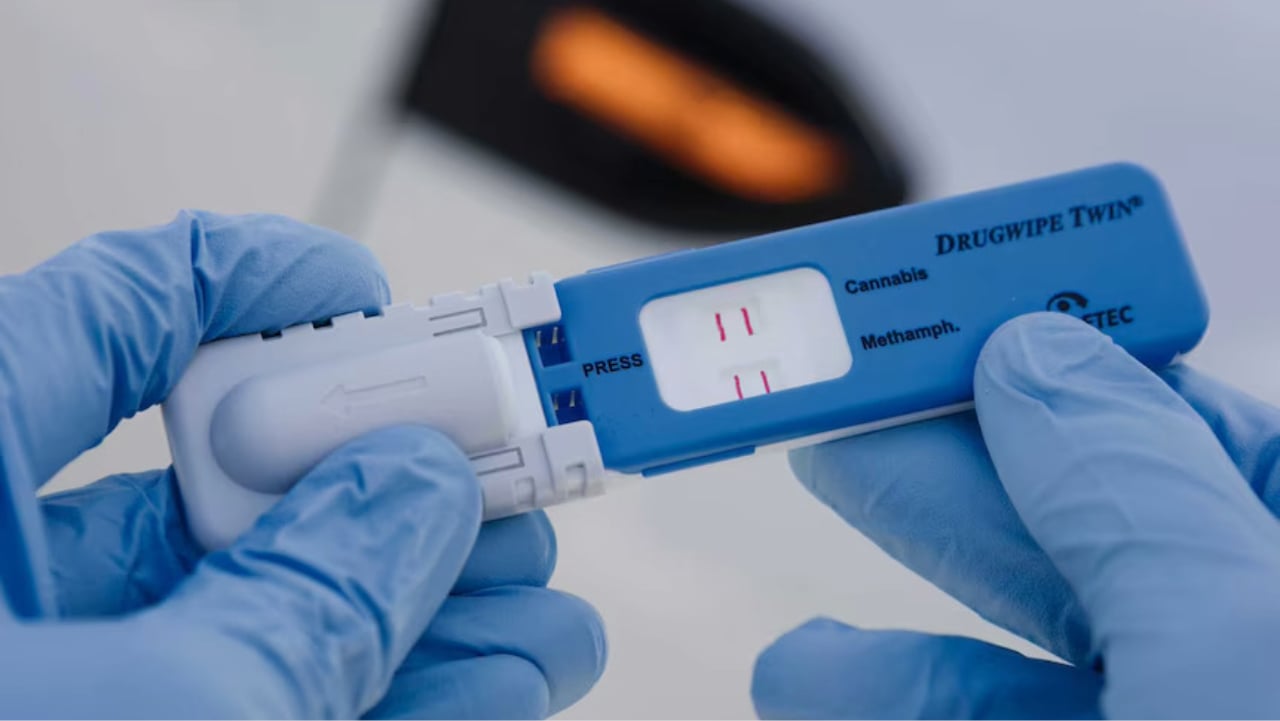
Drivers would still be subject to roadside drug testing. Anyone who returns a positive result would immediately receive a 24-hour driving ban while a laboratory analyzes a secondary sample.

If the laboratory test finds THC levels below the 50 ng/mL threshold, the driver would face no further penalties. Those above the limit would enter a three-strike system. The first and second violations would result in warnings, allowing patients time to adjust their dosage and driving habits.
A third offence within two years would trigger penalties, including a minimum three-month licence suspension and a fine of AU$704. Registered patients would also need to complete a safety course and provide prescription details to Transport for NSW.
Supporters Say Reform Reflects Modern Medicine
Premier Chris Minns and supporters of the changes argue the reforms recognize the growing number of Australians relying on medicinal cannabis to manage chronic pain, PTSD, anxiety, and other medical conditions.
Experts have noted that THC levels in saliva do not always correspond with impairment, unlike alcohol. Associate Professor Michael Fitzharris of Monash University described the move as a major milestone, comparing it to the establishment of blood-alcohol limits decades ago.
Advocates also say the reform could improve quality of life for patients, particularly those in regional areas who depend heavily on their vehicles for work and daily activities.
Critics Warn Science Around Impairment Remains Unclear
Not everyone supports the proposal. Opposition figures and road safety groups argue that impairment from cannabis varies from person to person and that a single THC threshold may not accurately reflect a driver’s ability.
Critics contend that more scientific evidence is needed before implementing such a dramatic change. The NRMA has also expressed concerns that introducing a legal THC limit could create new road safety risks. Despite those concerns, the NSW government insists public safety remains central to the reforms.
If approved, New South Wales would become the first jurisdiction in the world to establish a roadside THC threshold for medicinal cannabis users, potentially creating a model that other regions could follow.