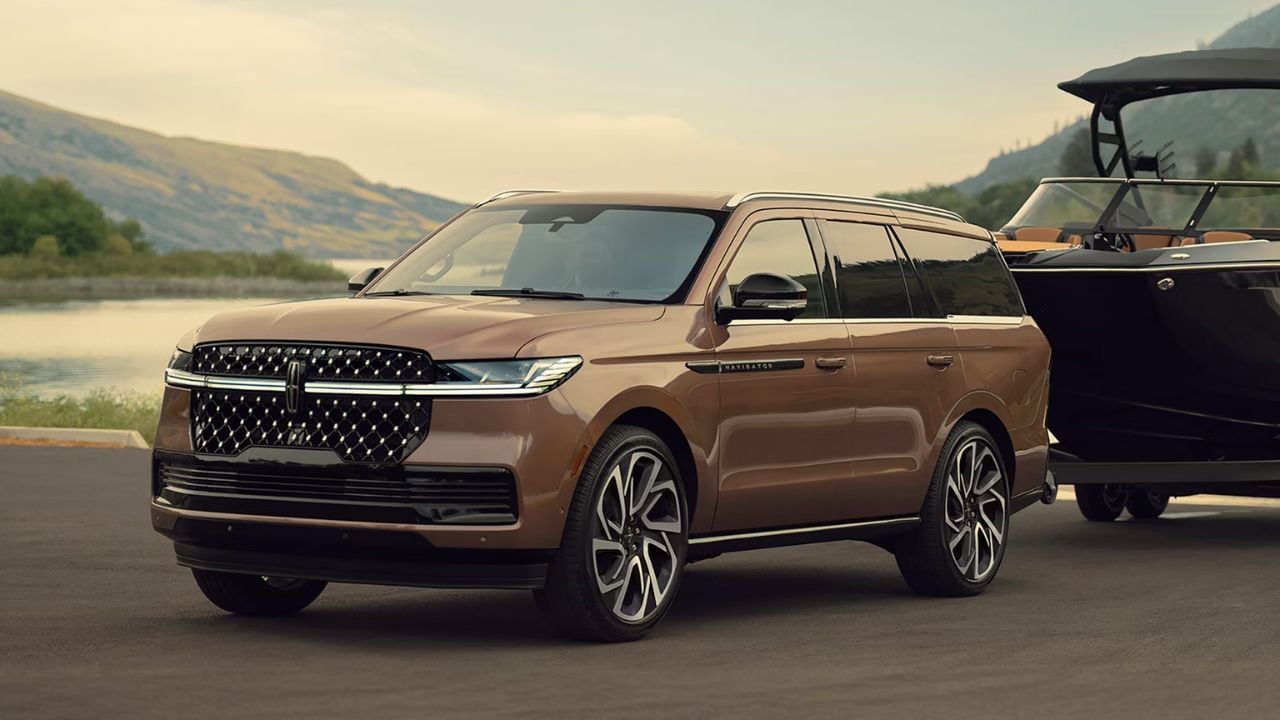
Lincoln remains one of the few major luxury brands without a fully electric vehicle in its lineup, even as rivals continue expanding their EV offerings.
After years of concept reveals, rumors, and ambitious electrification plans, Lincoln still has no production EV on sale in 2026, and according to Ford’s CEO, Jim Farley, that decision was entirely intentional.
A few years ago, Lincoln appeared ready to aggressively enter the luxury EV market. The brand discussed plans for multiple electric SUVs, partnered briefly with Rivian, and even hinted at launching five EVs by 2026. Instead, nearly all of those plans have either been delayed or canceled outright.
Farley now says he is glad Lincoln avoided going all-in on electric vehicles too early. “The team really pushed me to have an all-electric lineup,” Farley said during an interview with Hagerty at Monterey Car Week. “I refused to do it, and I’m sure glad we didn’t.”
Lincoln’s EV Plans Have Changed Repeatedly
Lincoln’s electric ambitions date back several years. In 2019, Ford invested heavily in Rivian with plans to develop a Lincoln EV using the startup’s skateboard platform. At the time, the expectation was that Lincoln would launch an electric crossover relatively quickly as the market rapidly shifted toward battery-powered vehicles.
That partnership eventually dissolved, and Lincoln later shifted focus toward a fully electric three-row SUV expected to arrive around 2025. The launch timeline later moved to 2027 before the project was reportedly canceled altogether.
The repeated delays reflected general changes across the automotive industry. What initially looked like a rapid EV revolution has evolved into a much slower transition, especially in the premium SUV market, where customer demand remains mixed.
At the same time, several luxury automakers have begun scaling back earlier EV ambitions as profitability concerns, slower adoption rates, and infrastructure limitations continue affecting the market.
Lincoln Is Leaning Toward Hybrids Instead
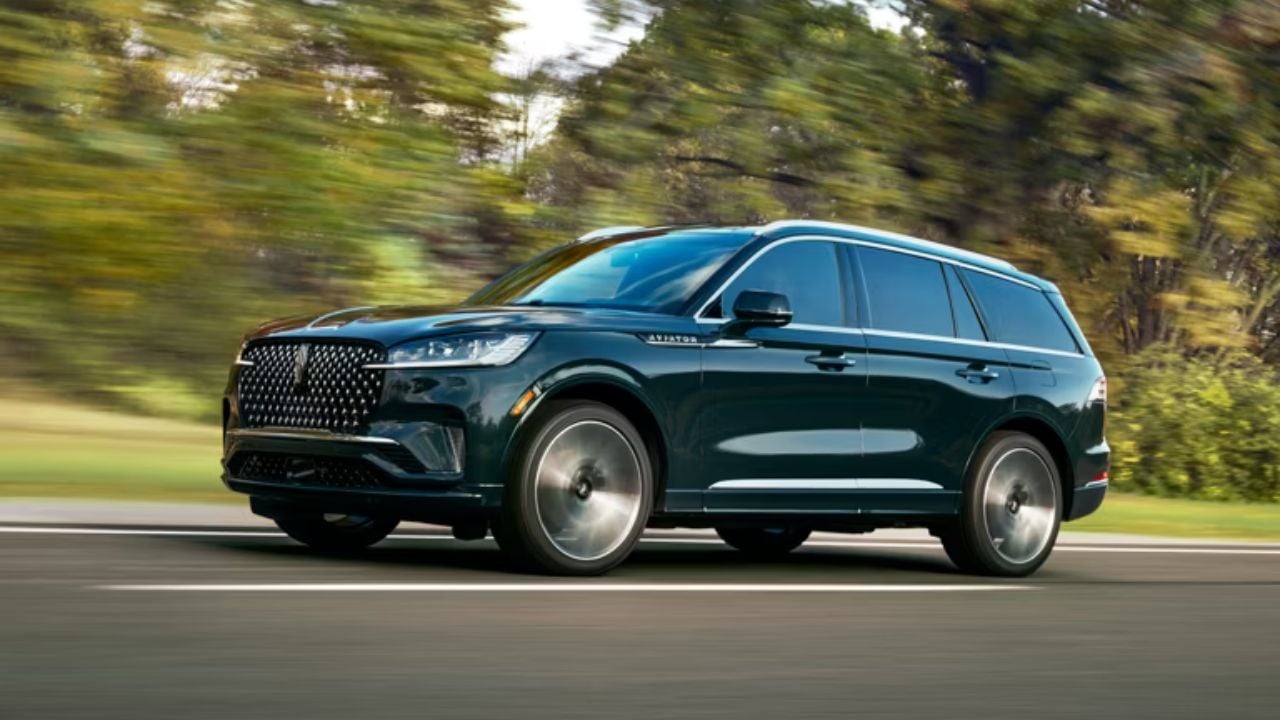
Rather than fully committing to EVs, Lincoln now appears focused on hybrids and extended-range electric vehicles, also known as EREVs. Farley specifically mentioned those powertrains as a better fit for the brand’s future direction.
According to Ford’s CEO, Lincoln could eventually offer a few electric vehicles, though likely positioned differently from the high-end luxury EVs many competitors are currently chasing.
Farley suggested Lincoln may instead focus on highly customizable and more affordable electric models with unique colors and premium interior personalization. Meanwhile, hybrid and range-extended powertrains would continue playing a major role across the lineup.
Currently, Lincoln’s electrified offerings remain limited. The brand offers a plug-in hybrid version of the Lincoln Corsair and a hybrid variant of the Lincoln Nautilus, but no fully electric models.
Lincoln Buyers May Not Be Prioritizing EVs
Part of Lincoln’s hesitation may come down to its customer base. Luxury EV buyers tend to skew younger and more technology-focused, while Lincoln’s core audience traditionally leans older and more comfort-oriented.
The average Lincoln Navigator buyer, for example, has reportedly been around 52 years old in recent years. Meanwhile, younger demographics remain significantly more likely to consider fully electric vehicles.
That creates a potential mismatch between the type of expensive three-row EV Lincoln had planned and the customers most interested in buying one. Younger buyers shopping for EVs are often looking for smaller, more affordable luxury crossovers rather than large flagship SUVs.
Lincoln also appears increasingly focused on luxury ownership experiences rather than chasing headline EV technology. Farley has repeatedly emphasized concierge-style service, remote pickup and delivery, premium memberships, and personalized customer experiences as key parts of Lincoln’s identity moving forward.
The Current Market Is Giving Automakers Second Thoughts
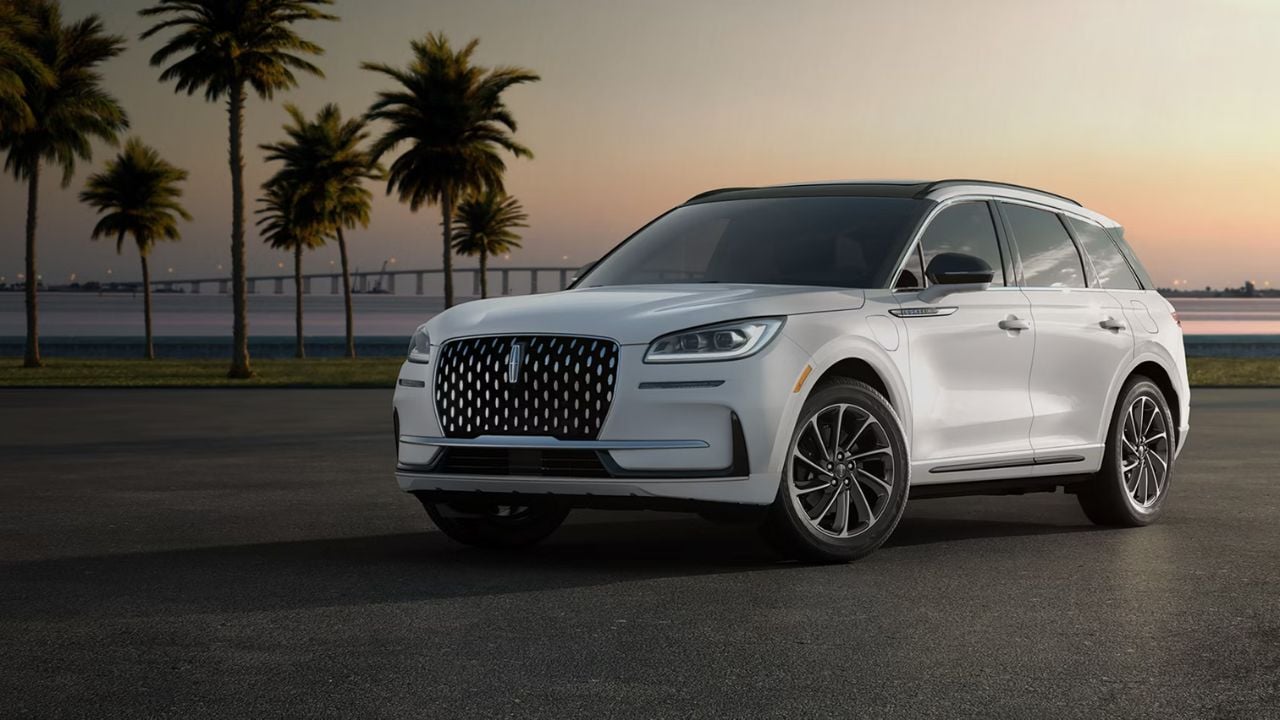
Lincoln is far from the only luxury brand reconsidering EV plans. Several automakers have recently slowed or adjusted their electrification strategies as market conditions continue evolving.
Infiniti reportedly backed away from plans for an electric sedan, while Genesis scaled back certain EV offerings. Mercedes-Benz has also adjusted portions of its electric lineup strategy in response to softer-than-expected demand.
Meanwhile, Lincoln’s closest domestic rival, Cadillac, continues pushing aggressively into EVs with models like the Lyriq and Escalade IQ. Cadillac’s EV lineup has contributed to strong recent sales growth, though Lincoln appears comfortable pursuing a different path.
For now, Lincoln seems more interested in protecting profitability and refining its luxury identity than rushing into a crowded EV market. Whether that cautious strategy ultimately proves wise or leaves the brand trailing competitors long-term remains one of the more interesting questions in the American luxury segment.