
For decades, General Motors, Ford, and Chrysler dominated the American automotive landscape. However, that balance has been changing for years, and the latest sales forecast suggests the Detroit Three are about to reach another significant milestone — just not one they’ll be celebrating.
Asian automakers continue to capture a larger piece of the U.S. new-vehicle market. Toyota is closing the gap with GM, while Hyundai Motor Group is expected to deliver another strong quarter and finish ahead of Ford.
Changing consumer preferences appear to be playing a role. Hybrids and passenger cars remain areas of strength for several Asian manufacturers, while American automakers have increasingly concentrated their lineups around pickups and SUVs.
According to Cox Automotive’s September 24 sales forecast, Asian brands are expected to account for more than half of U.S. new-vehicle sales for a second consecutive quarter. Meanwhile, the traditional Detroit Three are forecast to fall to just over 36% combined market share, which Cox says would be their lowest level on record.
Toyota Is Closing The Gap With GM
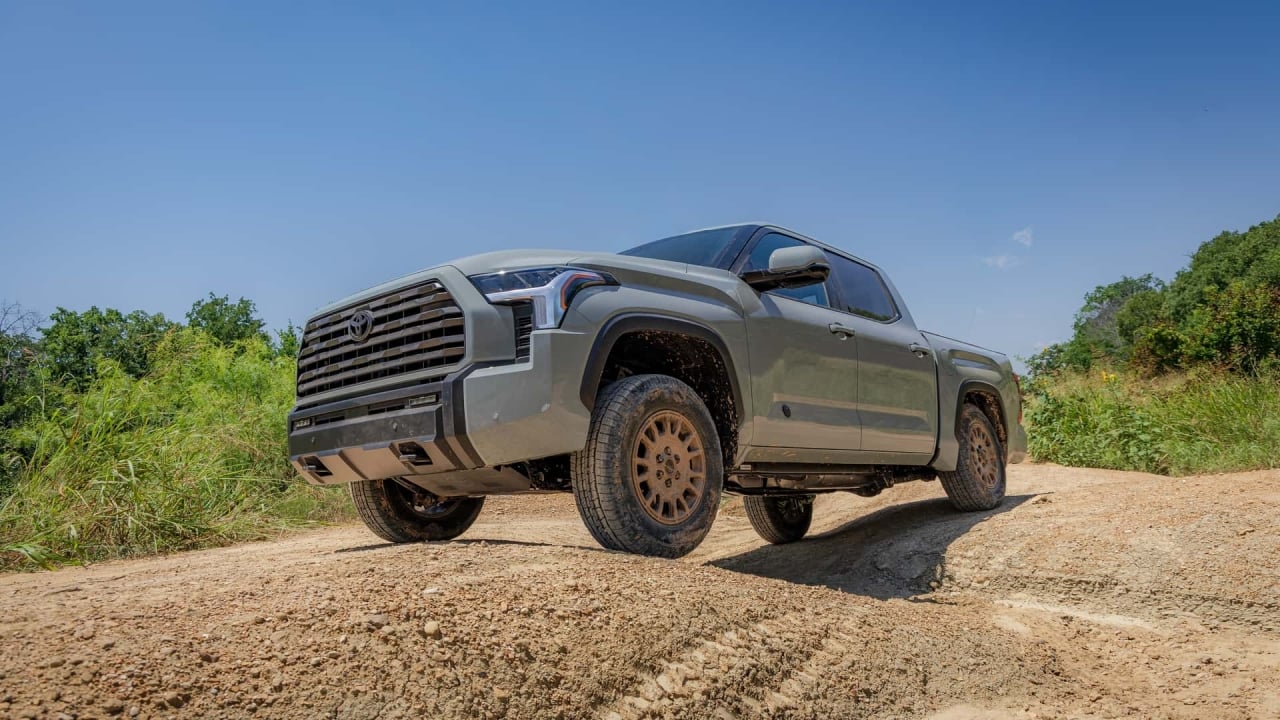
General Motors isn’t about to lose its position at the top just yet. Cox expects GM to maintain its position as America’s largest automaker both during the third quarter and year to date, although its sales and market share have softened from 2025.
Toyota, meanwhile, is forecast to post year-over-year growth during the third quarter while continuing to close the gap with GM. That’s despite Cox noting that supply remains constrained for some of Toyota’s key models.
Hyundai Motor Group is also expected to have a strong quarter, with sales increasing both year-over-year and compared with Q2. Cox forecasts the Korean group will finish ahead of Ford during the quarter.
Cox senior economist Charlie Chesbrough says the broader market’s growth is being driven largely by Asian automakers. He expects the market-share change to continue through the remainder of 2026 as buyers increasingly gravitate toward hybrids and passenger cars.
Detroit’s Share Keeps Shrinking
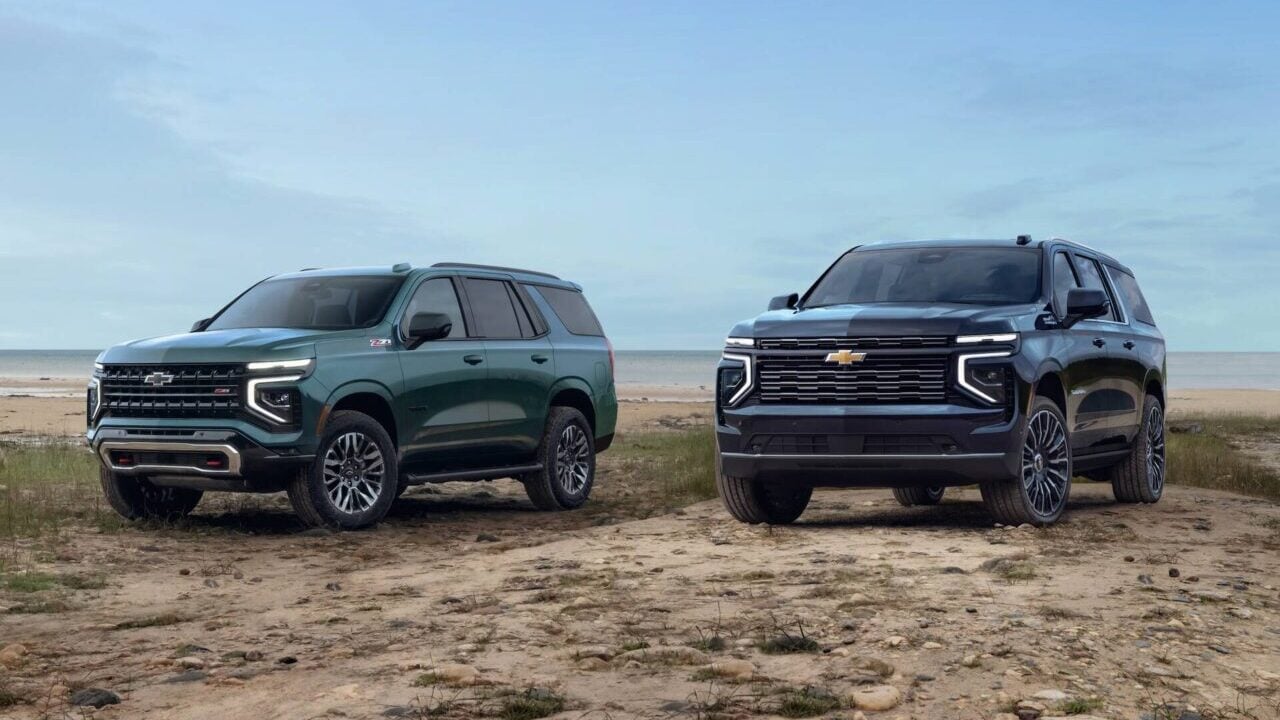
The trend doesn’t mean Detroit automakers lack electrified products. Ford sells several hybrids alongside EVs, including the Mustang Mach-E, while GM has invested heavily in battery-electric models ranging from the Chevrolet Equinox EV to its electric pickups.
The difference is that several Asian manufacturers have particularly broad hybrid portfolios. Toyota, for example, has increasingly made hybrid powertrains central to high-volume models, while Hyundai and Kia offer electrified options across multiple segments.
Stellantis is expected to improve its share through the third quarter, according to the secondary report. That still isn’t enough to prevent the combined Detroit Three figure from falling to its forecast record low.
The Overall Market Is Holding Up
Interestingly, this change is happening while the U.S. new-car market is proving stronger than Cox previously expected. The company has raised its full-year 2026 sales forecast from 15.8 million to 16.1 million vehicles.
September volume alone is expected to increase 6.5% from a year earlier, despite the seasonally adjusted annual rate slipping to around 16.3 million. Cox credits factors including strong fleet demand, improving access to credit, and relatively affluent new-car buyers for keeping sales stable.
It should be noted that these numbers are forecasts, not finalized Q3 results, so the exact market shares could still move. However, it’s still a fact that Asian automakers are taking a larger slice of America’s new-car market, while Detroit’s traditional giants are fighting over a smaller one.