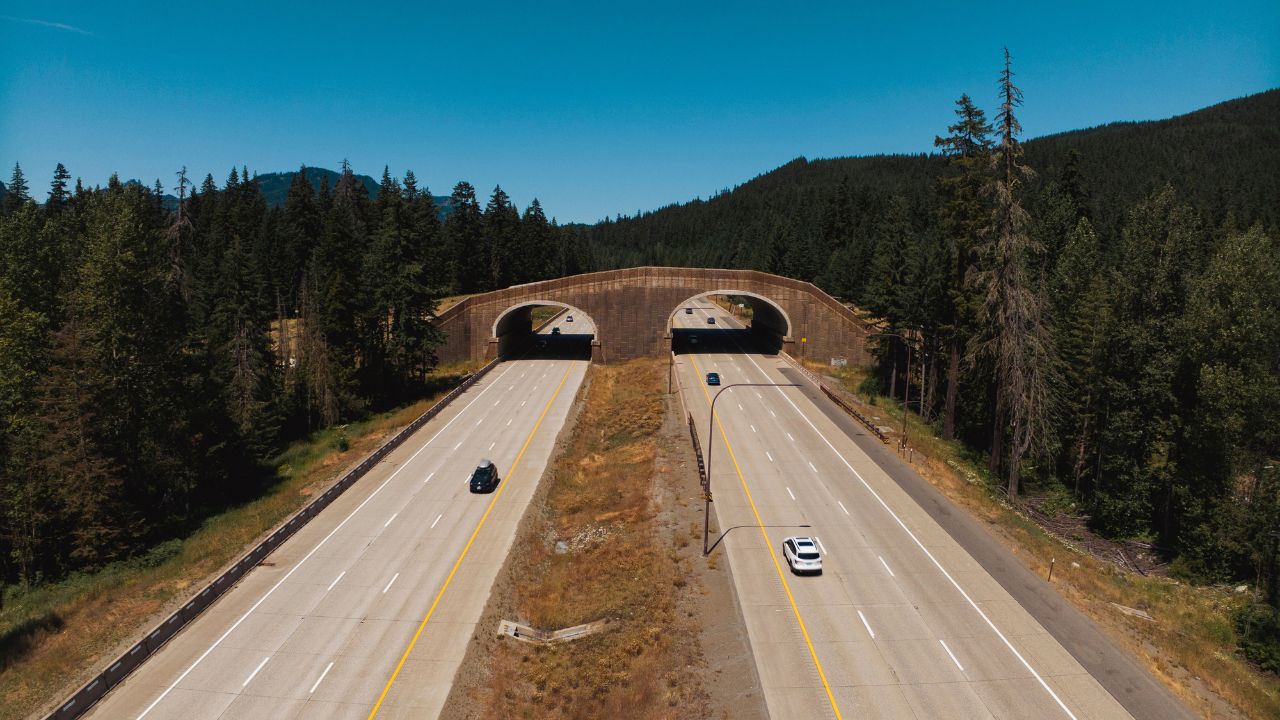

Arizona may be on the brink of giving the United States something close to a true Autobahn — a stretch of highway with no posted speed limit at all.
House Bill 2059, known as the Reasonable and Prudent Interstate Driving (RAPID) Act, has been introduced in the Arizona House of Representatives by Republican State Representative Nick Kupper, and it would dramatically change the way Americans think about interstate cruising, road freedom, and trust behind the wheel.
In essence, the RAPID Act would allow the Arizona Department of Transportation to designate certain qualifying rural interstate highways as “derestricted speed zones” for non-commercial vehicles during the daylight hours.

In these zones, there would be no maximum speed limit from half an hour before sunrise until half an hour after sunset. Nighttime travel on those same stretches would still have a cap of 80 miles per hour, but daytime drivers could, in theory, take their high-powered machines as far into triple digits as their courage and car would comfortably carry them.
Revisiting Montana’s 1990s “Reasonable and Prudent” Era
If passed, Arizona would go where no other state has yet ventured since Montana briefly experimented with similar rules in the 1990s. In that pre-1999 era, drivers on rural interstates there were expected to travel at speeds that were reasonable and prudent without strict posted limits.
The RAPID Act supporters point to analyses from that period showing mixed but intriguing results, including suggestions that crashes and fatalities did not spike the way skeptics predicted when drivers self-regulated their speed based on conditions and comfort.
The bill’s sponsor, Nick Kupper, has become one of the most talked-about figures in automotive and transportation policy circles in recent weeks. Representing portions of Maricopa, Yuma, and La Paz counties, Kupper has made clear that his goal is not reckless abandon but a modernized approach to highway travel that respects both driver judgment and the actual use of rural roadways.
“Most drivers can tell the difference between a crowded city freeway and a wide-open stretch of rural interstate,” he said in a press release introducing the RAPID Act. “This bill will let us raise speeds where it’s safe, keep tough penalties for reckless driving, and update our laws to reflect how people actually use these roads.”
The Pilot Plan and Its Skeptics

Kupper’s proposal is not simply about removing limits for the sake of it. To be eligible for a derestricted designation, a highway must be far from urbanized areas and must have a below-average crash rate over the past five years.
State transportation officials would rely on engineering studies and safety data to make these determinations, and the first stretch chosen for a one-year pilot — Interstate 8 between Casa Grande and Yuma — underscores the deliberate, data-driven approach envisioned.
Yet, even as the bill draws applause from horsepower enthusiasts, it also elicits hot debate. Detractors argue that America’s driver training, vehicle safety variations, and enforcement capacity may not match the precision of Germany’s Autobahn system, where rigorous licensing and road quality help ensure smooth traffic flow at high speeds.
They also point out that speed plays a role in a significant portion of traffic fatalities and worry that removing limits could worsen outcomes for less experienced or less attentive drivers.
A Proving Ground for Speed and Trust
Despite the controversy, the conversation around the RAPID Act is tapping into something deep in the heart of car culture in this country: the dream of unbridled speed, the romance of open road, and the belief that drivers, when trusted and informed, will rise to the responsibility.
If enacted, Arizona’s derestricted highways could become a proving ground not just for higher speeds but for a new philosophy of highway governance — one that ignites imaginations and gets gearheads everywhere dreaming about the day they might finally floor it without fear of the flashing lights in their rearview mirrors.
Arizona’s 2026 legislative session is just starting, and the RAPID Act now sits under review by committees that will decide whether the state takes this bold leap. For those watching, the coming months will be nothing short of electrifying. Pray.
Sources: NewsWeek