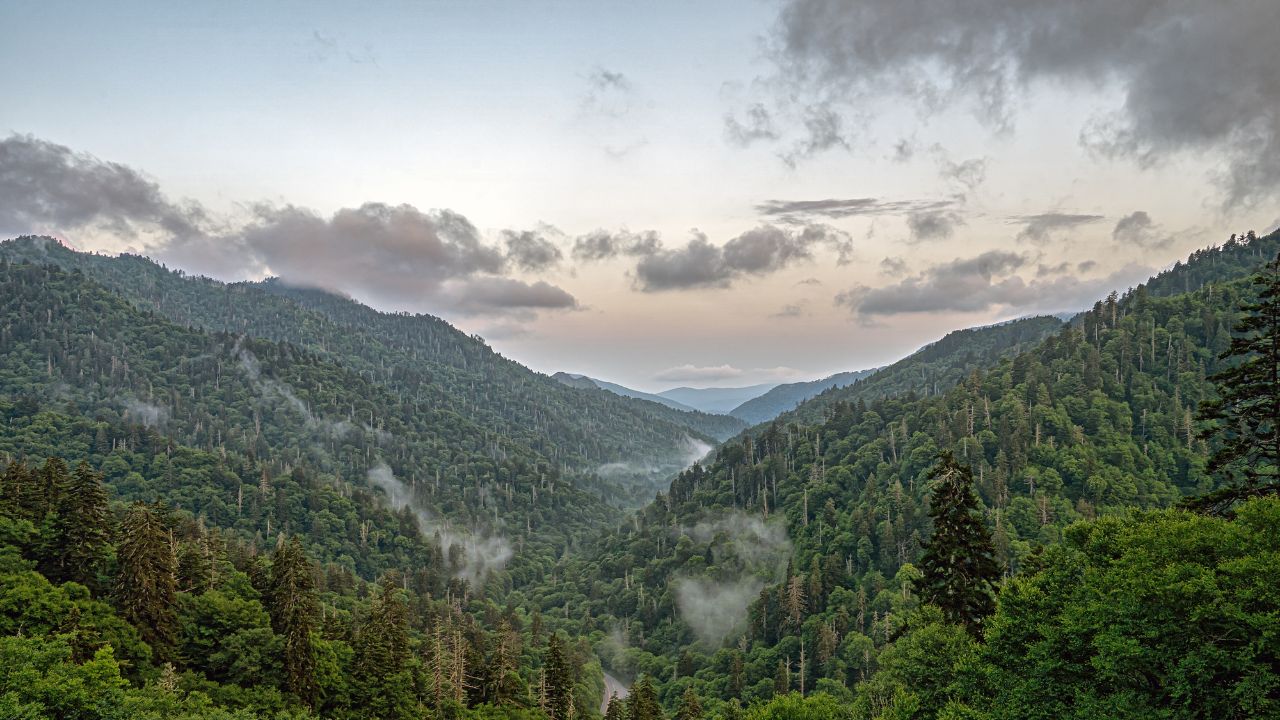
The National Park Service itself pushes back on the idea that there is one single “most dangerous” park. Its mortality and safety guidance makes clear that parks have different hazards, not one universal danger ranking, and notes that across the system the leading causes of unintentional deaths are motor vehicle crashes, drownings, and falls. That already tells you something useful. The biggest risks in national parks are often less cinematic than people expect and much more ordinary than a viral headline would suggest.
That makes this a better story about serious, well-documented hazards than about a fake national championship of doom. The parks below stand out because official guidance repeatedly warns about extreme heat, thermal features, unstable ground, volcanic gas, powerful water, and rescue conditions that can turn a small mistake into something much more serious. These are not necessarily the “worst” parks in some tidy national ranking. They are parks where the consequences of bad judgment can escalate quickly.
1. Grand Canyon National Park

Grand Canyon earns instant respect because the danger is built right into the experience people travel there to have. The park’s Hike Smart guidance warns that summer temperatures in the inner canyon can exceed 110 degrees Fahrenheit, while its weather page notes that Phantom Ranch has recorded 120-degree heat during summer months. That is an environment where a routine hiking mistake can become a medical emergency very quickly, especially below the rim.
What makes the canyon especially unforgiving is that the environment keeps punishing bad decisions after the first one. NPS warns that help may be delayed because of limited staff, the number of rescue calls, employee safety requirements, and limited helicopter capability during extreme heat or bad weather. The same guidance also notes that inner-canyon hikers may need to self-rescue. In other words, this is not a place where stubborn optimism counts as a safety plan.
2. Yellowstone National Park
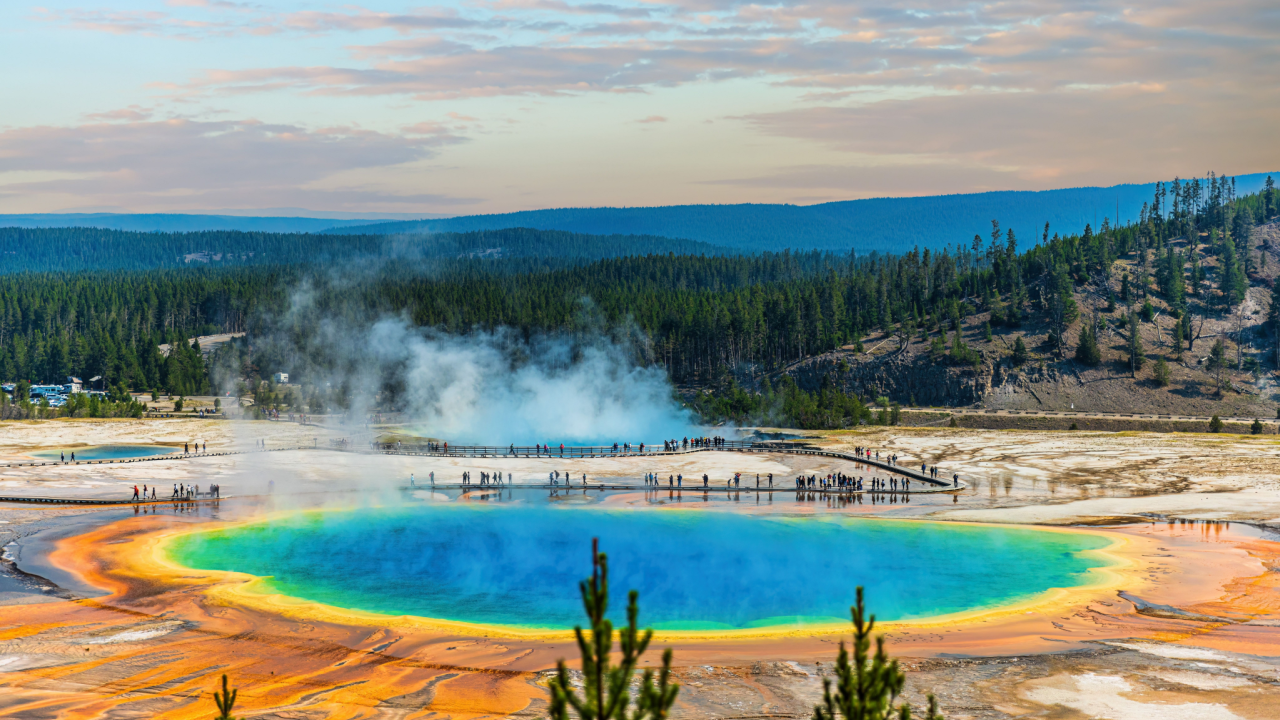
Yellowstone is dangerous in ways that can feel almost too strange to be real. NPS says burns from thermal features are a common cause of serious injury and death in the park, and warns that the ground around hot springs may look solid while actually being a thin crust over superheated water. That is why the park tells visitors to stay on boardwalks and designated trails in thermal areas.
Then there is the wildlife problem, which is not theoretical either. Yellowstone says bison have injured more people in the park than any other animal, and its regulations require visitors to stay at least 25 yards from bison and elk and 100 yards from bears, wolves, and cougars. Yellowstone can feel deceptively easy because so much of it is accessible by road, but the hazards become very real once people start treating it like an open-air petting zoo with geysers.
3. Death Valley National Park
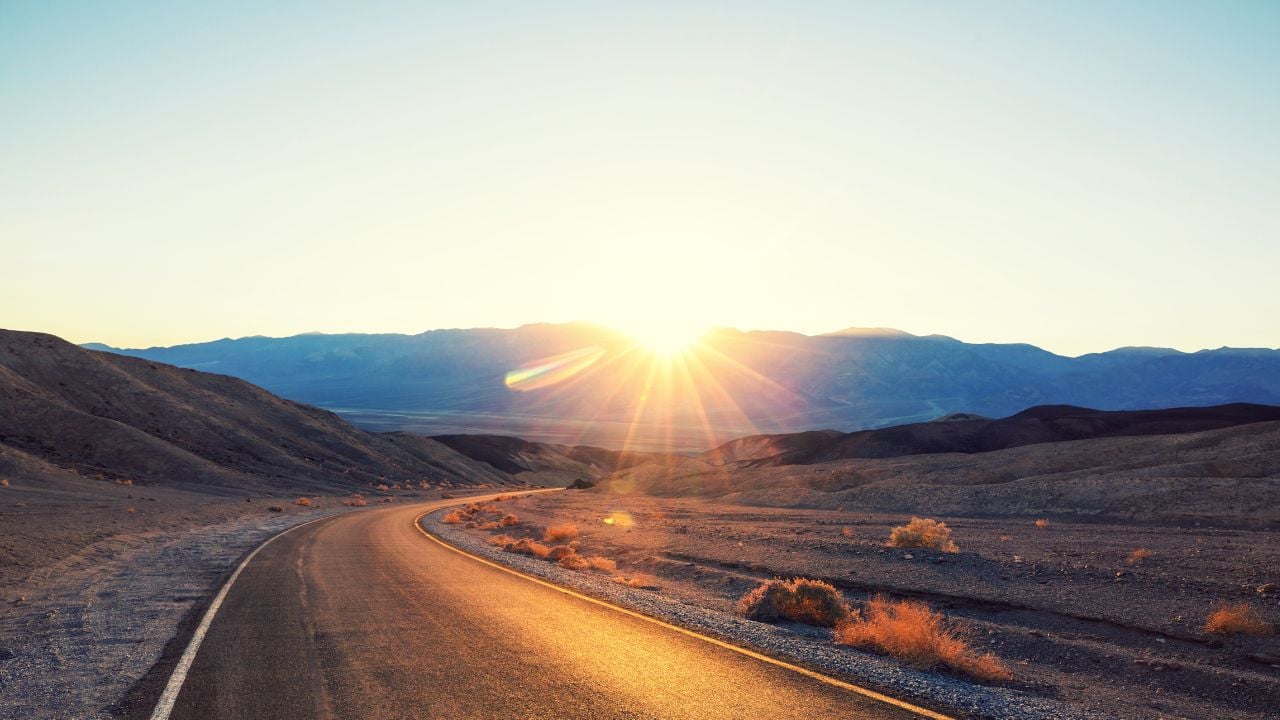
Death Valley does not need to invent drama because the climate already did the work. Its safety guidance says plainly not to hike in the valley or lower elevations when it is hot, recommends drinking at least one gallon of water a day, and notes that summertime temperatures can climb as high as 130 degrees Fahrenheit. That is not scenery you casually test yourself against just because the parking area made the place feel accessible.
The park’s own heat policy makes the point even more clearly. Death Valley says that above 120 degrees Fahrenheit, all non-emergency outdoor labor is prohibited for staff. That gives you a pretty good sense of how little room there is for bravado here. The safer summer approach is to seek higher elevations, start early, and treat the valley floor with real caution rather than with “just a quick walk” energy.
4. Yosemite National Park
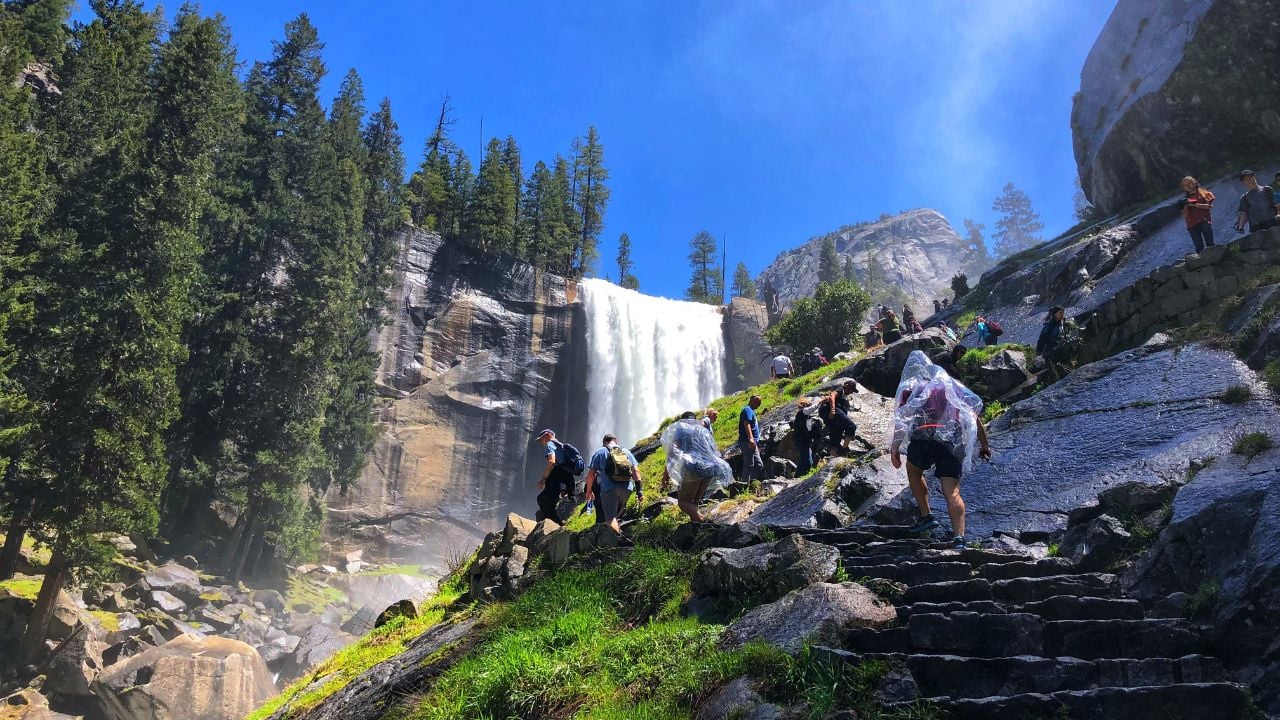
Yosemite’s danger comes from scenery that invites people to get closer than they should. The park’s safety guidance warns visitors never to swim or wade upstream from the brink of a waterfall, even if the water looks shallow and calm. NPS says unsuspecting visitors are swept over waterfalls to their deaths every year when they treat these areas too casually.
That is why Yosemite is much riskier than its postcard image suggests. The same page warns about whitewater, slippery rocks, strong currents, and dangerous river crossings, especially when runoff is high. In a park where beauty and hazard often sit in exactly the same place, judgment matters much more than courage.
5. Hawaiʻi Volcanoes National Park
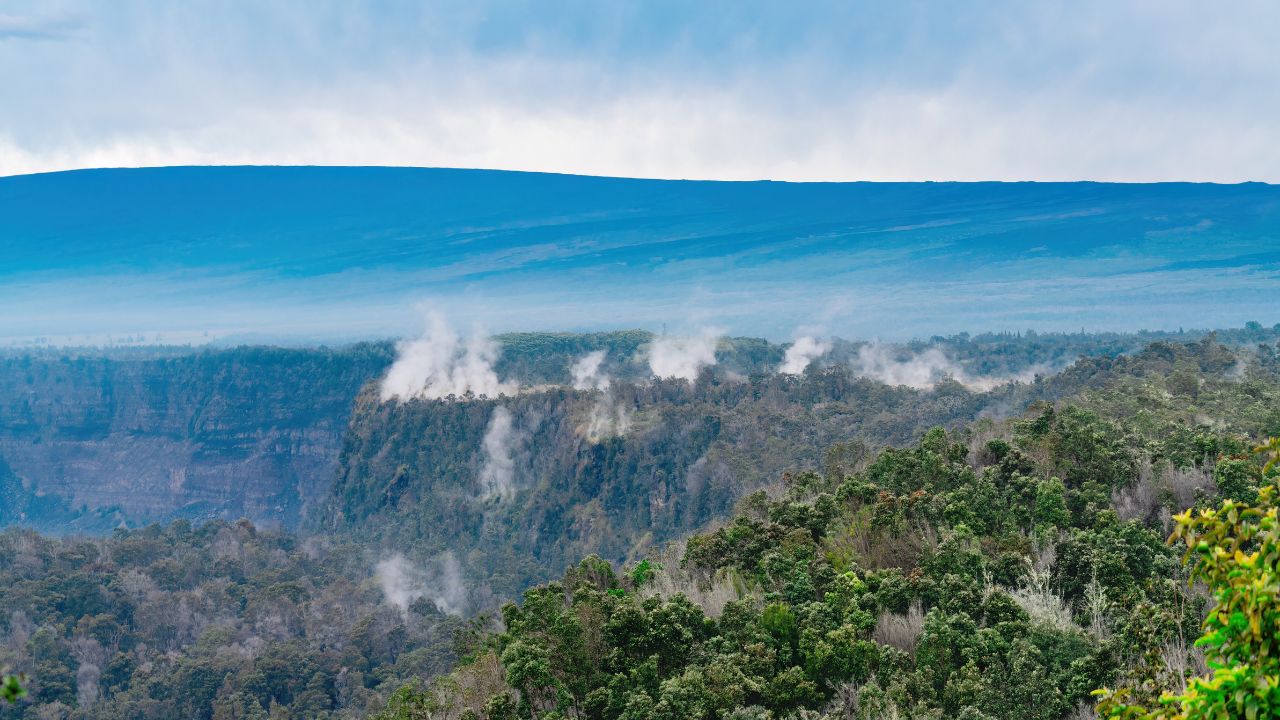
Hawaiʻi Volcanoes feels dramatic because it is dramatic. The park’s safety page warns about unstable ground, sharp volcanic rock, hidden lava tubes, hazardous gases such as sulfur dioxide, and rapidly changing weather. That already makes it a place where a casual attitude can go wrong quickly, even before you factor in active volcanic conditions.
This year adds another layer. The park’s March 2026 update says the ongoing Kīlauea eruption brings hazards including volcanic gas, steep unstable cliff edges, earth cracks, and falling airborne rock material. That is why Hawaiʻi Volcanoes keeps telling visitors to stay out of closed areas and stick to designated overlooks and trails. Few parks make the point more clearly that closure signs are not decorative.
6. Great Smoky Mountains National Park
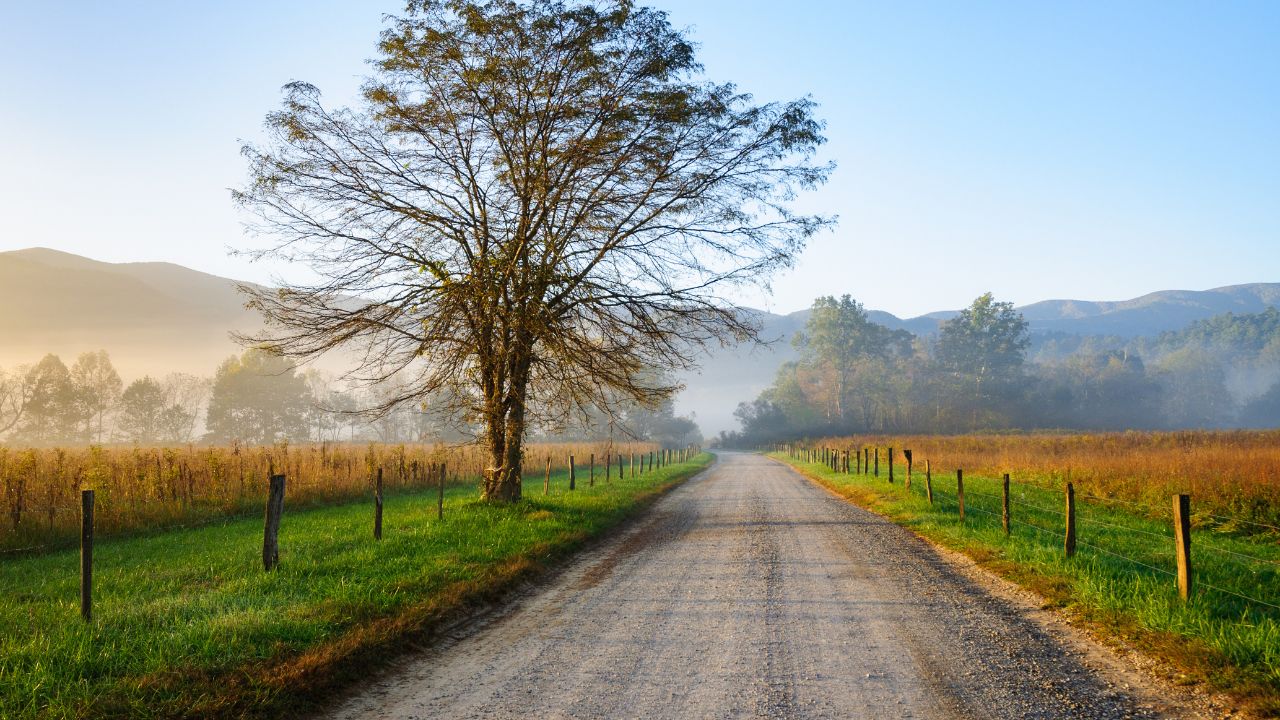
The Smokies are the surprise entry on a list like this because the danger is less theatrical and more quietly ruthless. NPS says water recreation is not recommended in Great Smoky Mountains National Park, that drowning is one of the leading causes of death there, and that medical assistance may be many hours away. That is a very stern warning for a park many families assume will behave like a gentle summer playground with better scenery.
What makes the Smokies tricky is how ordinary the risk can look at first glance. The park says innumerable injuries have resulted from people swimming and riding inner tubes in park waters, and it warns that river levels can rise rapidly and unexpectedly. Not every dangerous park announces itself with geysers or lava. Some do it with cold, fast water and a false sense of ease.