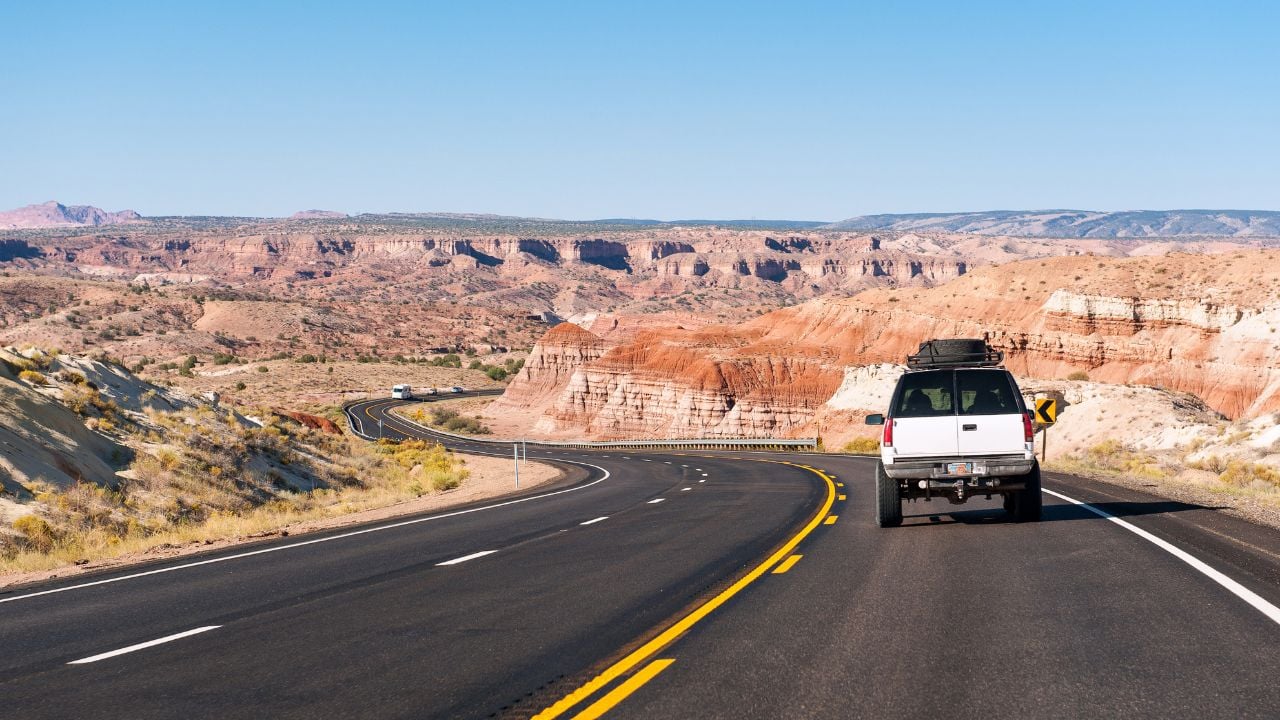
Americans are still making vacation plans in 2026, but many are looking for trips with more room to adjust. The destination still matters, of course, but so does the way people get there, how much control they keep, and how easily the trip can bend around family schedules, prices, weather, and last-minute changes.
AAA’s latest survey of 5,000 U.S. adults found that 39% plan to take more vacations in 2026 than they did in 2025, while 58% expect to take multiple trips this year. Americans are not backing away from travel. They are becoming more careful about how each trip fits into the budget.
Air travel has been adding pressure to that decision. The Bureau of Labor Statistics said the airline-fare index increased 2.7% in March 2026 after rising 1.4% in February. AAA’s spring-break booking data also found that flights to domestic spring-break hot spots were 2% more expensive than a year earlier, averaging about $815 round trip.
The open road still has a strong case. AAA projected a record 61.6 million people would travel by car over the 2025 Independence Day period, while U.S. Travel’s fall 2025 forecast projected domestic person-trips rising from 2.40 billion in 2025 to 2.45 billion in 2026. Driving will not make every trip cheap, but it can give households more control over timing, luggage, stops, routes, and the total shape of the vacation.
1. Road Trips Keep Winning Because They Put Travelers Back in Charge

A road trip gives travelers a kind of control that airports rarely offer. People can leave before sunrise, pack an extra cooler, bring the dog, stop for a roadside diner, or change the route without paying a change fee. For families, couples, and friend groups, those small freedoms can shape the whole mood of the trip.
Hilton’s 2026 trends report says 71% of Americans plan to drive on their next vacation. The same report says 76% of global car travelers favor road trips over flying because driving allows more spontaneity.
A car trip also makes the journey feel less boxed in. The vacation does not begin only after landing. It can start with the first coffee stop, the first scenic overlook, or the first small town that was never part of the original plan.
That freedom becomes more appealing when travelers are still taking trips but watching costs closely. A family may not be able to control hotel rates or restaurant prices, but it can control the departure time, the route, the bags, the food packed from home, and the number of paid attractions along the way.
2. Airfare Has Been Giving Travelers a Reason To Pause

The airline-cost piece of the road-trip story is real, but it needs to be handled carefully. Flying has not become impossible, and many travelers will still choose it for long distances, limited vacation days, or trips where driving would eat up too much time.
The numbers still affect the decision. The BLS March CPI report said airline fares rose 2.7% over the month after rising 1.4% in February. For one traveler, that may only feel like an annoyance. For a family buying three, four, or five tickets, a modest fare increase can quickly change the conversation.
AAA’s spring-break travel data pointed in the same direction for domestic hot spots, with round-trip flights averaging about $815 and running 2% higher than a year earlier. A long weekend that looked simple at first can start to feel expensive once airfare, bags, airport parking, rideshares, hotels, and meals are all counted together.
Driving has its own costs, from fuel and tolls to parking and overnight stops. Still, it gives travelers more ways to adjust. A group can shorten the route, swap a pricey city hotel for a cabin outside town, pack food for the first day, or turn one destination into several smaller stops.
3. Domestic Travel Demand Is Still Rising
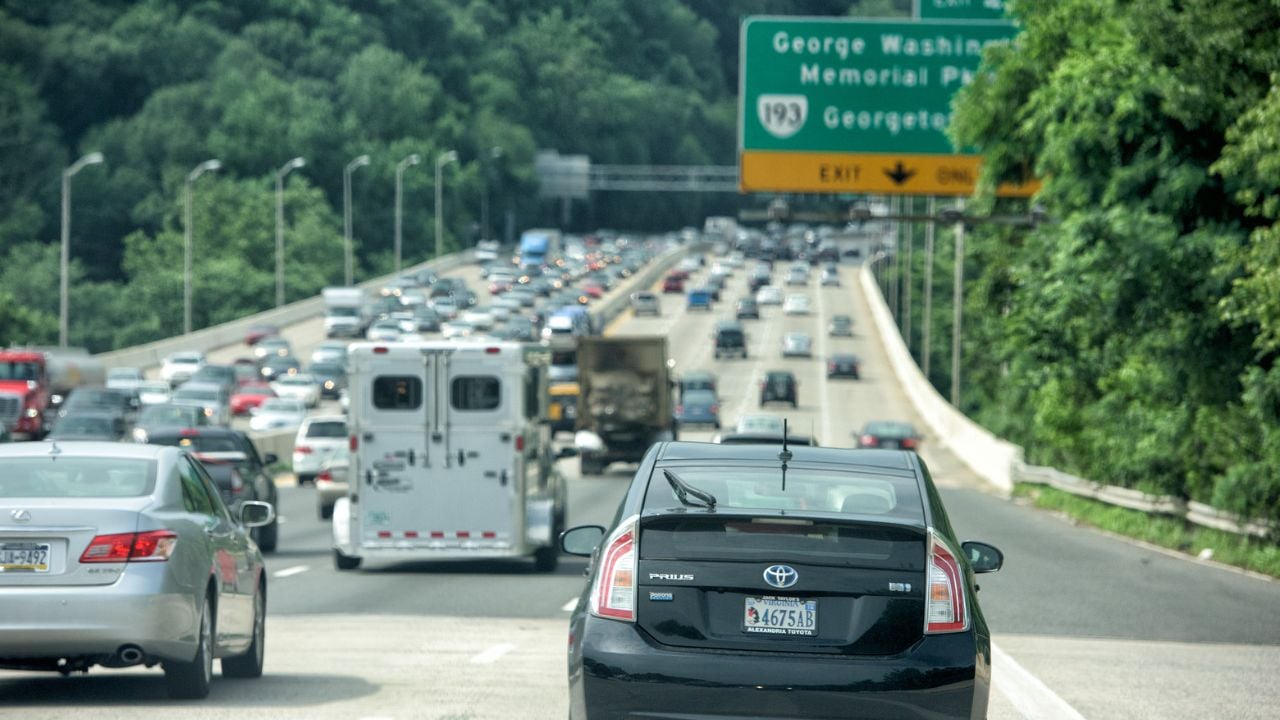
Americans are not losing interest in seeing the country. U.S. Travel’s fall 2025 forecast projects domestic person-trips rising from 2.40 billion in 2025 to 2.45 billion in 2026, with leisure travel also moving higher.
The same forecast shows the Travel Price Index rising from 357 in 2025 to 362 in 2026. Travel is still growing, but the price environment leaves many households looking for formats that feel easier to manage.
Road trips fit neatly into shorter domestic breaks. A drive can turn a single vacation into a chain of stops: a lake town on the way to a national park, a historic downtown before a beach week, or a roadside attraction that becomes the story everyone remembers.
Strong demand can also make airports, hotels, and major attractions feel more crowded. Driving does not remove crowds, but it gives travelers more escape routes. A family can leave earlier, shift to a smaller town, take a scenic road, or stretch the trip across more than one destination.
4. Big Cultural Moments Are Giving U.S. Drives Extra Appeal

America’s travel calendar gives road trips extra texture in 2026. Hilton’s road-trip report points to the lead-up to the country’s 250th anniversary as part of the renewed interest in American highways, open routes, and trips where the journey is part of the experience.
U.S. Travel’s forecast also notes that major events such as the FIFA 2026 World Cup and America’s 250th anniversary have the potential to lift travel demand. Some travelers will build trips around big events. Others may simply use the year as a reason to revisit classic U.S. routes, historic towns, national parks, coastal highways, and regional festivals.
Not every road trip needs to be nostalgic. The appeal is often more practical than sentimental: a loaded car, a flexible route, a few planned stops, and enough freedom to change course if the original plan starts to feel too crowded or too expensive.
The strongest road trips in 2026 will not be the ones that pretend travel costs are easy. They will be the ones that give travelers enough control to keep going anyway. For many Americans, the car still offers the simplest way to protect the vacation without giving up the sense of escape.