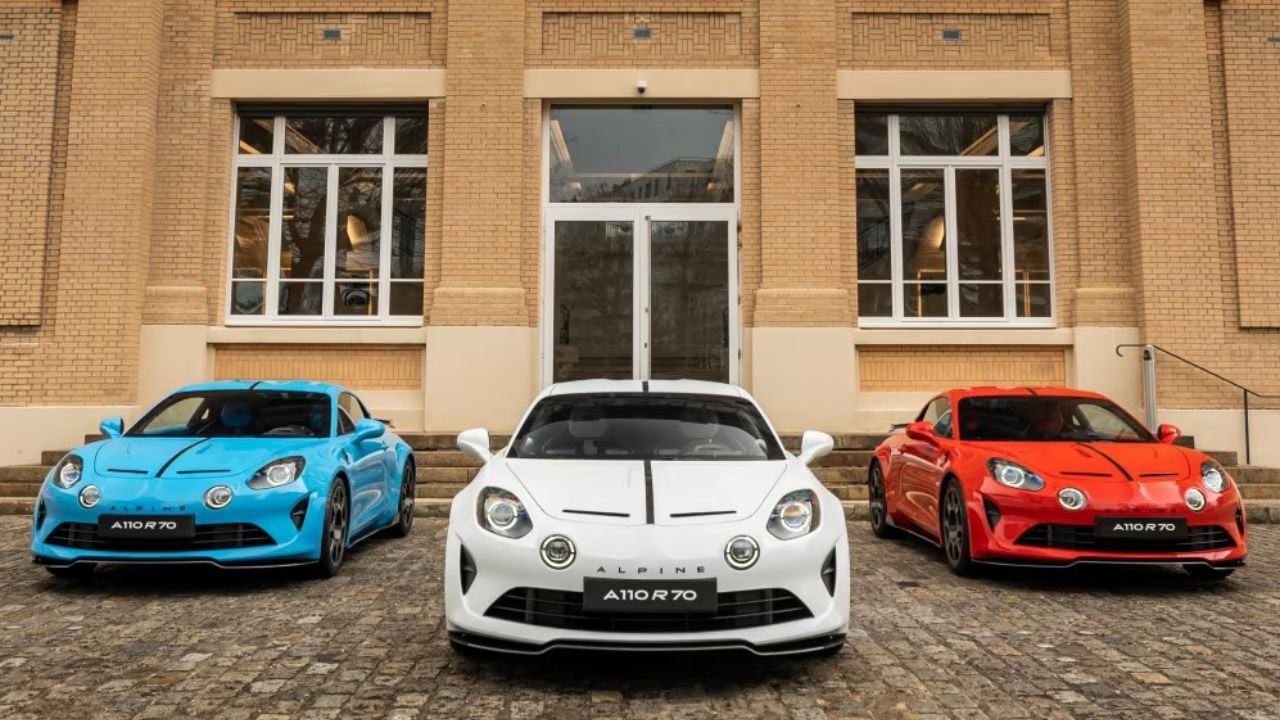
When Alpine CEO Jean Philippe Krief quietly confirmed long-running industry rumors during the Retromobile classic car show in Paris, it became clear that the French performance brand is entering the most ambitious phase of its modern history.
The all-electric successor to the Alpine A110, scheduled to arrive next year, will not be a symbolic transition to electrification. Instead, it will represent the foundation of an entirely new performance philosophy designed to redefine the brand for a global audience.
The next-generation A110 will share its platform and key mechanical components with the extreme Renault 5 Turbo 3E, but Alpine is aiming far beyond a niche retro-inspired electric car.
Krief has openly stated that the long-term goal is to position Alpine as a genuine alternative to icons such as the Porsche 911, a bold statement that reflects the brand’s growing confidence within the Renault Group.
Familiar Proportions With A Modern Electric Identity
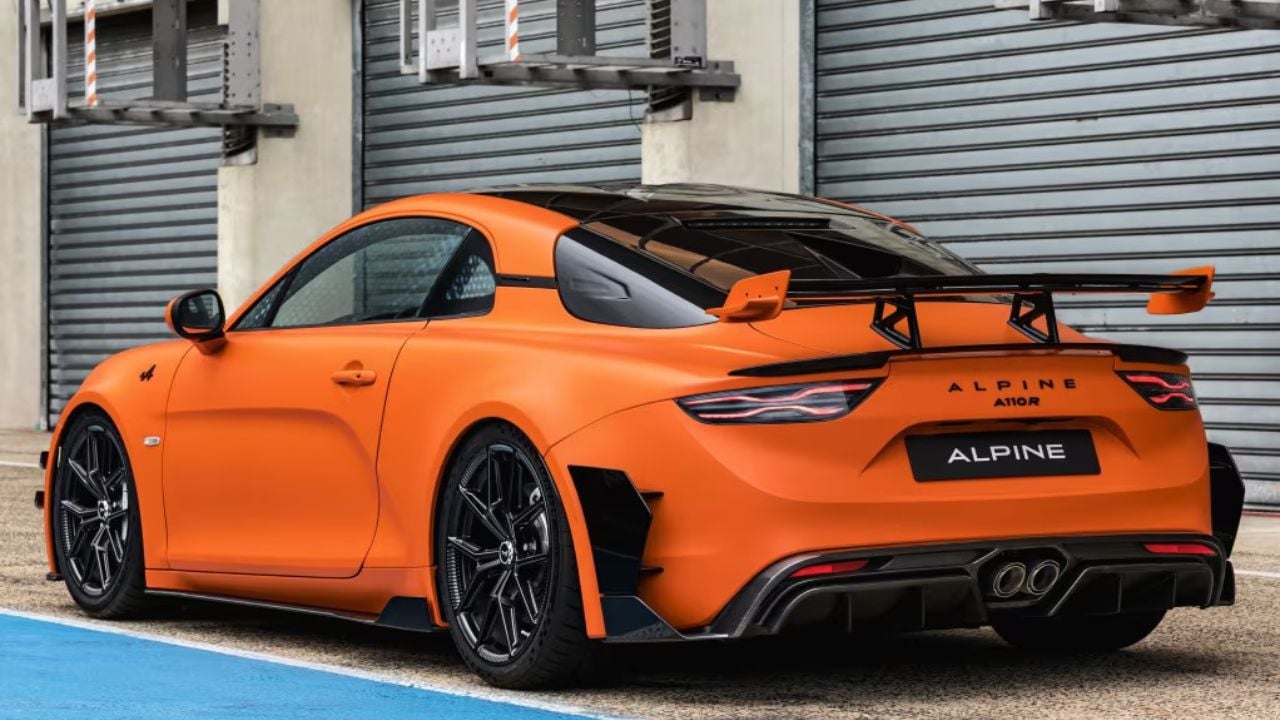
Despite adopting an electric drivetrain, the new A110 will remain true to the character that made the current car a favorite among driving purists. Engineers have retained a compact footprint, a low roofline, and tightly packaged proportions, ensuring the car still looks and feels like a lightweight sports coupe rather than a larger electric grand tourer.
Designers are preserving signature visual cues, including the four-headlight arrangement inspired by the original A110 from the 1960s and 1970s. However, rather than relying entirely on nostalgia, the new model introduces a more futuristic interpretation intended to fit Alpine’s modern performance identity.
Alpine Performance Platform And Engineering Focus
At the heart of the project is a new aluminum architecture known as the Alpine Performance Platform. The battery pack, rated at 70 kWh, is positioned behind the seats to help maintain optimal weight distribution and a low center of gravity, two elements that have always defined the A110 driving experience.
Krief has emphasized that the driving position will be even more focused than before, featuring a low seating layout inspired by Formula 1-style ergonomics. This approach is meant to preserve the intimate connection between driver and machine that has distinguished Alpine from heavier rivals.
The outgoing A110 R Ultime produced 345 hp as a final tribute to the gasoline era. The electric replacement is expected to exceed that figure comfortably. Initial versions will feature dual rear-mounted electric motors, while more advanced setups may include motors integrated directly into the wheels, similar to the technology seen in the Renault 5 Turbo 3E. That configuration delivers up to 533 hp, allowing 0 to 62 mph acceleration in under 3.5 seconds and a top speed approaching 168 mph.
Performance Ambitions And Pricing Expectations
The flexibility of the platform opens the door for all-wheel-drive versions and potentially even more extreme high-output variants. Pricing will play a critical role in determining how far Alpine can push the car upmarket. The Renault 5 Turbo 3E is expected to launch with a price near $188,000, suggesting that higher-performance versions of the A110 could also reach premium territory.
Before joining Alpine in 2023, Krief built an engineering reputation working on performance projects at both Fiat and Ferrari, including the Ferrari 458 Speciale and 296 GTB. His philosophy for Alpine focuses on three pillars: lightness, precise handling, and the distinctly French ability to deliver performance with elegance and style.
Target curb weight is expected to be around 3,300 lbs, placing the new A110 close to today’s internal combustion sports cars rather than the heavier electric models that dominate the current market. Range is projected to exceed 300 miles in real-world conditions, with engineers aiming for sustained performance capable of handling multiple fast laps at the Nürburgring without significant power reduction.
A Driver-Focused Interior In A Digital Age
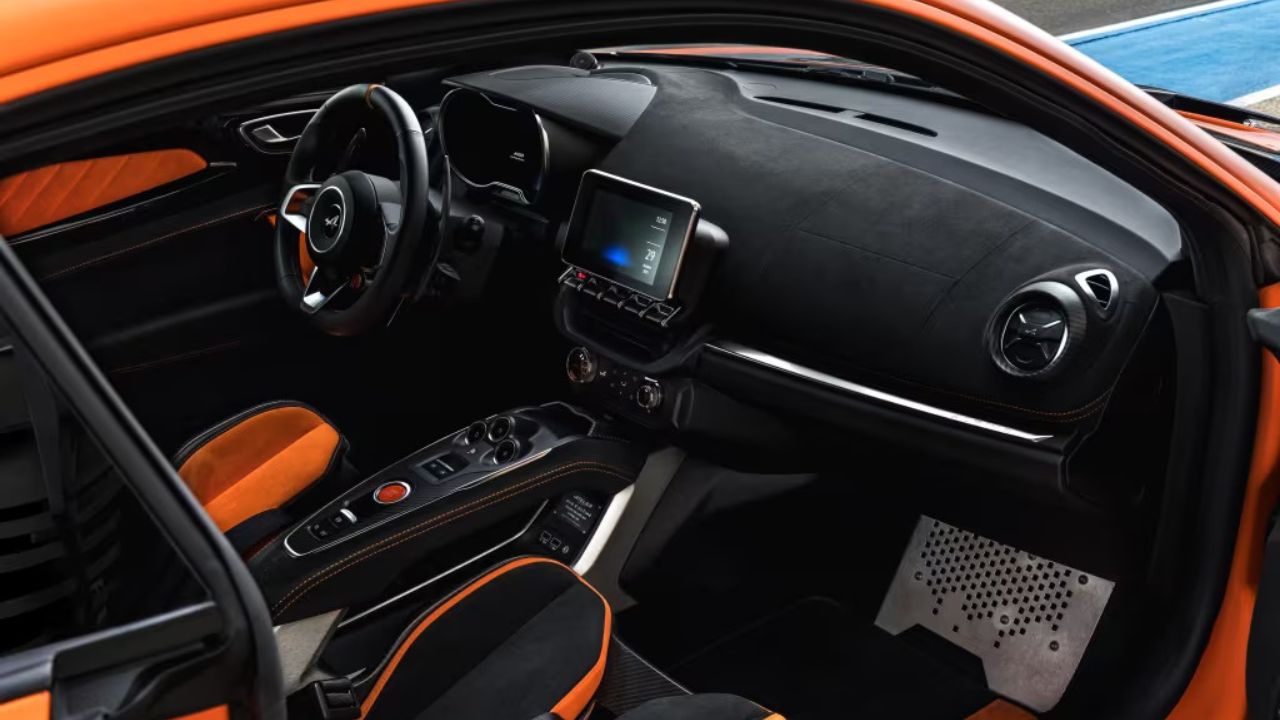
The interior will introduce the first fully Alpine-designed cockpit of the modern era, moving away from shared Renault components. Design chief Antony Villain says the cabin will prioritize physical controls and minimize reliance on large digital screens, an unusual decision at a time when most automakers are moving toward fully touchscreen-driven interfaces.
The goal is simple: reinforce the emotional connection between driver and car. Alpine believes key functions should be instantly accessible without distraction, supporting a more focused sports car experience.
A Broader Strategy Beyond One Model
The electric A110 will act as the foundation for a wider lineup. Plans include at least four two-door variants, including a traditional coupe, a convertible, and extended GT-style models with additional seating. Comparisons to the Porsche 911 family are deliberate, signaling Alpine’s intention to compete in a broader performance segment rather than remain a niche European brand.
The company’s larger strategy calls for seven new models in seven years. The recently introduced A290 and A390 are already expanding Alpine’s presence, while future projects may include a larger SUV and even an endurance racing-inspired hypercar. The Alpenglow concept, featuring a hydrogen-powered V6 and output near 1,000 hp, hints at the technological ambition driving Alpine’s long-term vision.
Global Expansion And The U.S. Opportunity
Before entering the ultra-high-end performance segment, Alpine must continue building global credibility. Motorsport remains a key piece of that strategy, with the brand’s Formula 1 program helping reinforce its performance image worldwide.
The global sports car market currently accounts for roughly 360,000 vehicles annually, with about half of those sales coming from the United States. The new A110 is expected to launch first in Europe, followed by Asia, while a U.S. introduction will depend on market conditions and regulatory alignment.
Alpine now faces several years of intense development work. The electric A110 is not simply a new model. It is a statement of ambition. If the French brand can successfully combine lightweight engineering, advanced technology, and emotional driving appeal, it could soon emerge as one of the most serious challengers to established sports car icons.
This article originally appeared on Autorepublika.com and has been republished with permission by Guessing Headlights. AI-assisted translation was used, followed by human editing and review.