

You can hear it before you see it. That rising tenor of cylinders tuned with espresso and sun-dried passion, echoing off Italian hillsides or bouncing around a suburban garage where someone’s been polishing chrome since sunrise. Alfa Romeo’s cars are characters with their own personality. When Detroit was busy stacking cubic inches and Stuttgart was perfecting right angles, the Italians were sketching shapes that looked like they might wink at you when you walked past.
These twelve Alfas belong in the hall of unforgettable conversations. Each one proves that Italians could shuffle beauty, speed, and drama in any order and somehow always come out ahead. They’re not just cars; they’re rolling proof that passion has horsepower too.
How This List Found Its Italian Soul
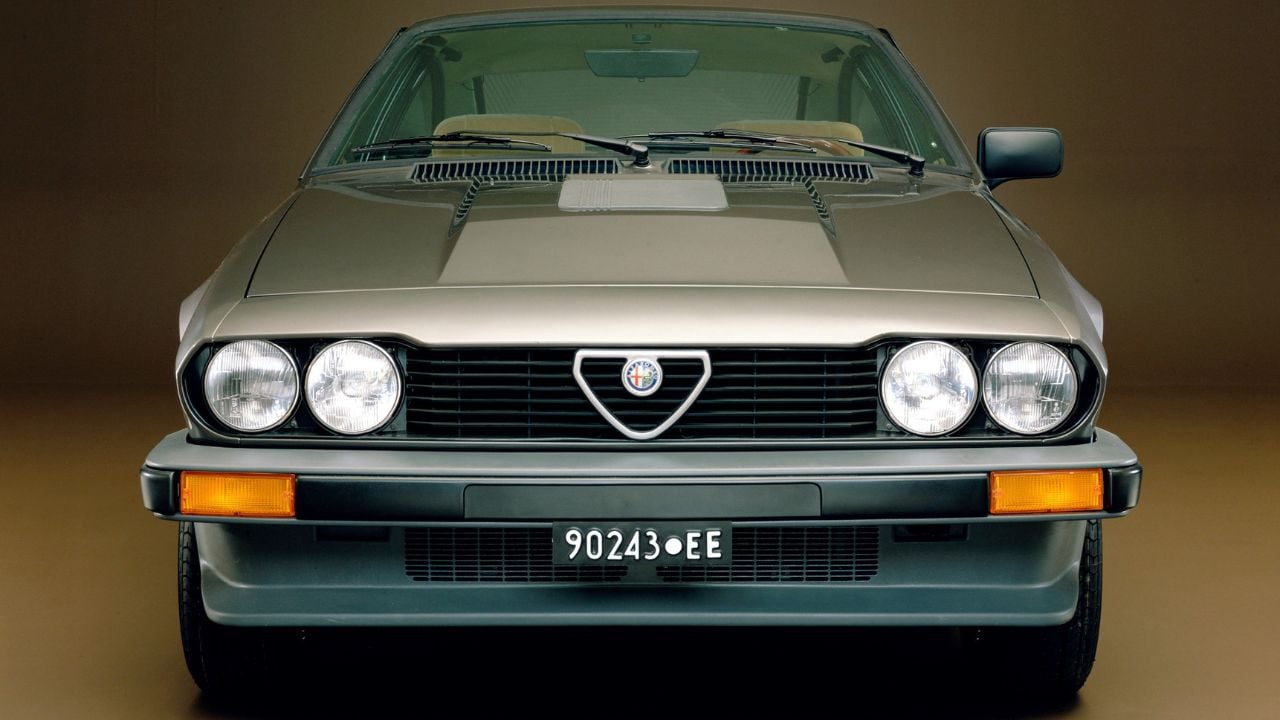
Every list needs a compass, and this one was guided by both nostalgia and research. I started with the Alfa Romeos whispered about with reverence in enthusiast circles, then weighed them against the machines that truly left tire marks on history through competition wins, cultural cameos, or design so magnetic it still pulls crowds decades later. Period road tests, auction results, club archives, and the stories traded over espresso by lifelong Alfisti all helped draw the map.
What made the cut wasn’t raw numbers but presence. Each of these cars carried more than horsepower on its résumé, they had charisma, lines that spoke a language of their own, and the magic to turn even a simple commute into theater. There’s no strict ranking here, just twelve Alfa Romeos that, in their own ways, prove Italians never design a sports car without first pouring in a double shot of emotion.
Alfa Romeo 6C 2500 SS Villa d’Este
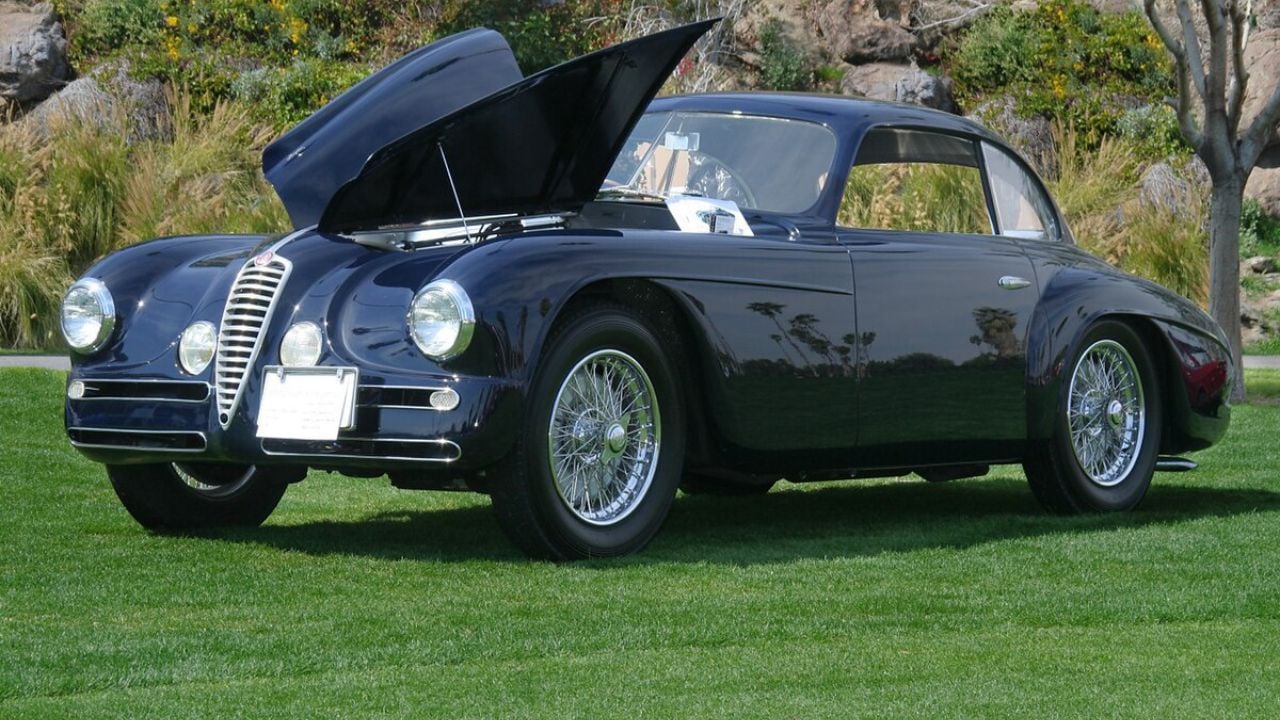
This was the post-war grand tourer that reminded the world Italy still knew how to build beauty out of steel. The 6C 2500 Super Sport, introduced in the late 1940s, carried coachbuilt curves that looked sculpted by hand rather than stamped by machine. Its straight-six engine spun with the smoothness that had defined Alfa since the prewar era, giving drivers a refined, almost effortless surge of power. Every panel carried the artistry of craftsmen, and it showed in the way the car caught the light.
Named after Villa d’Este on Lake Como, where it famously won the 1949 concours, the car was less about getting from A to B and more about being seen along the way. The wooden wheel felt warm and alive, the cabin blended leather and bright metal with Italian confidence, and the rear quarters had a sweep that made the whole car look cinematic. Diplomats, film stars, and jet-setters made it their choice of transport, and collectors still whisper “Villa d’Este” as if it were a password to another, more glamorous world.
Alfa Romeo Giulietta Spider
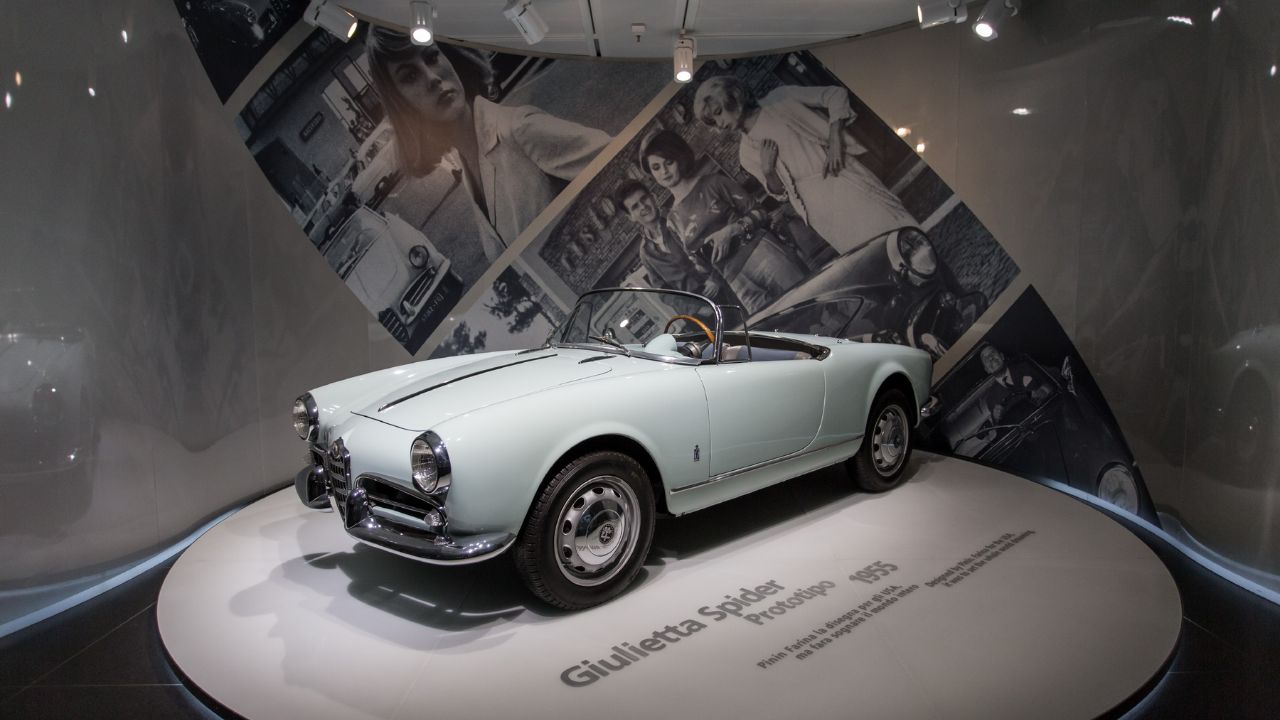
The Giulietta Spider was the car that bottled Italian sunshine and shipped it overseas. Launched in 1955 with Pininfarina styling, it became the Alfa that introduced countless Americans to the brand. GIs stationed in Europe fell for its charm and shipped them home, and soon it was a familiar sight on U.S. roads. Under the hood, the 1.3-liter twin-cam four was an eager engine that made the car feel alive even at modest speeds. With the top down, every drive felt like a holiday on the Amalfi Coast.
Its light weight and sharp steering turned mountain switchbacks into playgrounds, while the simple canvas top folded away as easily as a carefree grin. Today, people still admire it as one of the clearest examples of Alfa’s spirit, proof that real driving joy comes from character and balance, not just raw power.
Alfa Romeo Giulia Sprint GTA
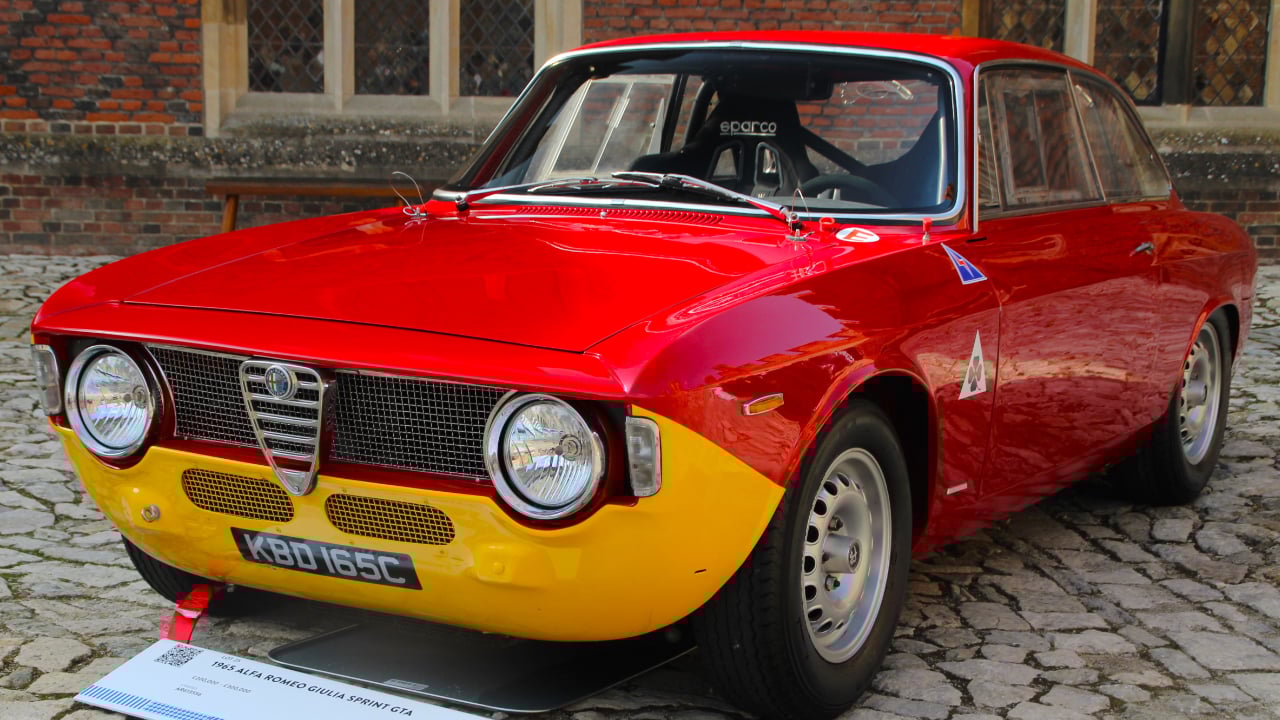
The Giulia GTA wasn’t just a car; it was Alfa Romeo throwing on a pair of track shoes and showing up at every touring car race with swagger. Built with aluminum panels so thin you felt like a strong sneeze could dent them, the GTA was ridiculously light and eager to move. It was powered by a more modest twin-spark four that worked with the machine
And the best part? It actually won. A lot. To this day, when Alfa nuts talk about the GTA, they don’t just mention the victories, they tell stories — like the time someone’s uncle swore his GTA outran a Ferrari on a mountain pass, or how every kid in the paddock wanted a ride in the “angry sewing machine.” It wasn’t just a touring car; it was a legend you could still drive to the café on Monday morning.
Alfa Romeo Montreal

The Montreal has that look…the kind of car that makes you stop mid-sentence just to watch it roll by. And that’s fitting, because it literally was born out of a design competition. Marcello Gandini sketched those headlamp shutters, and when they flipped open like eyelashes, people in 1970 lost their minds. Add in the side louvres, which looked like they’d been borrowed from a spaceship, and you had a car that made every Ferrari owner glance twice in the rearview.
And then there was the sound. Alfa dropped in a V8 that snarled like an Italian opera singer after too much grappa. Magazines couldn’t get enough of it, and every photo shoot looked like a love letter. Inside, you sat behind bold, deeply tunneled gauges that made even checking the fuel level feel like theater. The Montreal didn’t blend in; it reminded the world that Alfa could do exotic just as well as anyone else. Even today, roll one into a cars-and-coffee, and strangers will circle it like they’ve just spotted a UFO with an Italian accent.
Alfa Romeo Alfetta GTV
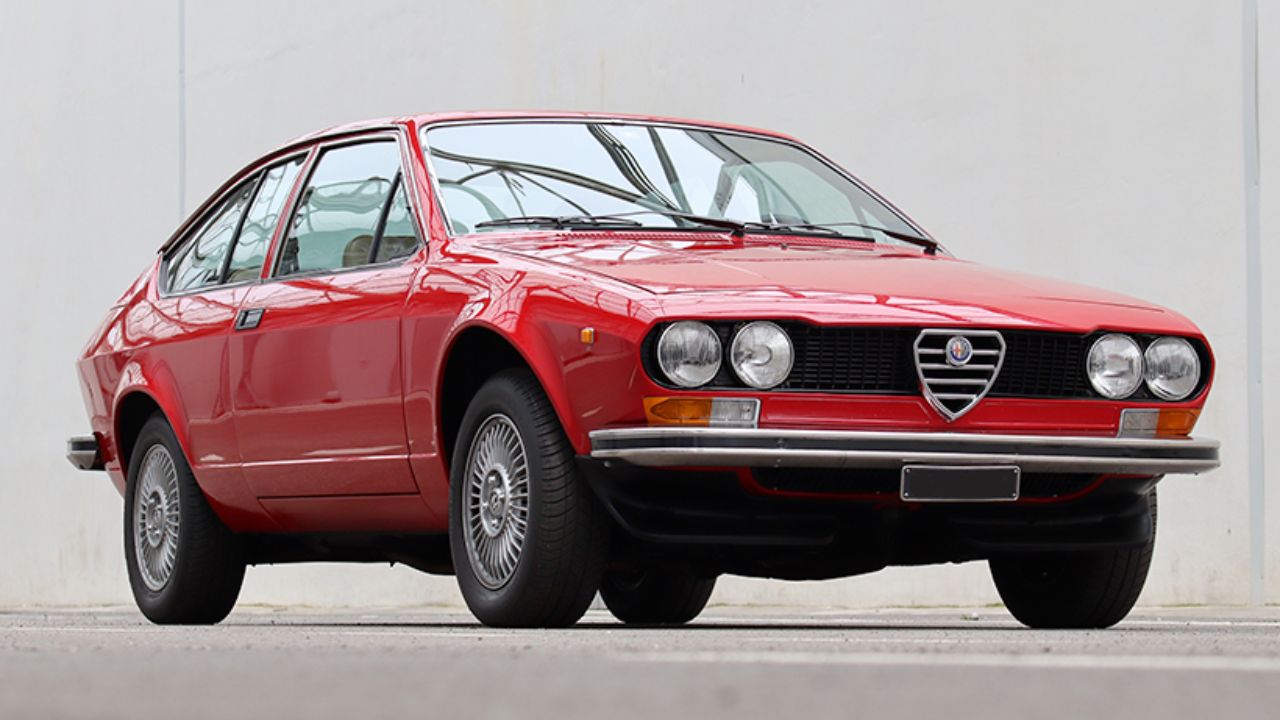
This was the car for the young exec who wanted more than just a company car, he wanted something with personality. The rear-mounted transaxle gave it a balance you could actually feel in the corners, the kind that made even a quick detour home feel like a proper drive. Its wedge profile was pure late-’70s flair, but unlike the cold, ruler-drawn Germans, this one had curves in the right places and just enough Italian charm to make it stand out in the parking lot. Inside, the driver got star treatment with a dash that angled toward them like a spotlight on stage, and seats that held you tight without ever feeling harsh. It turned the Monday commute into a mini-opera.
On weekends, it was in its element at local rallies or mountain runs, where that twin-cam four loved to rev like it was chasing applause. The hatch made it practical, but practical in the way only Italians can pull off with the ease of tossing golf clubs in the back without ever breaking the car’s stride as an object of desire.
Alfa Romeo 8C Competizione

The 8C was Alfa’s way of reminding the world that Italians still lead when it comes to beauty. Under showroom lights, that carbon-fiber body shimmered like a hand-polished gem, every line looking more like it was brushed on canvas than pressed in a factory. And when you fired up the Maserati-sourced V8, it didn’t growl so much as sing a deep, operatic note that could make a parking garage feel like La Scala.
Inside, it was all theater, too. Stitched leather, billet switchgear, even the gear selector felt like it belonged in something hand-built, not mass-produced. Alfa capped production so tightly that collectors practically camped out for one, and even today, spotting an 8C feels like stumbling onto a piece of rolling sculpture. It proved that passion wasn’t lost in the 21st century, it was alive and well, and painted Rosso Competizione.
Alfa Romeo 4C
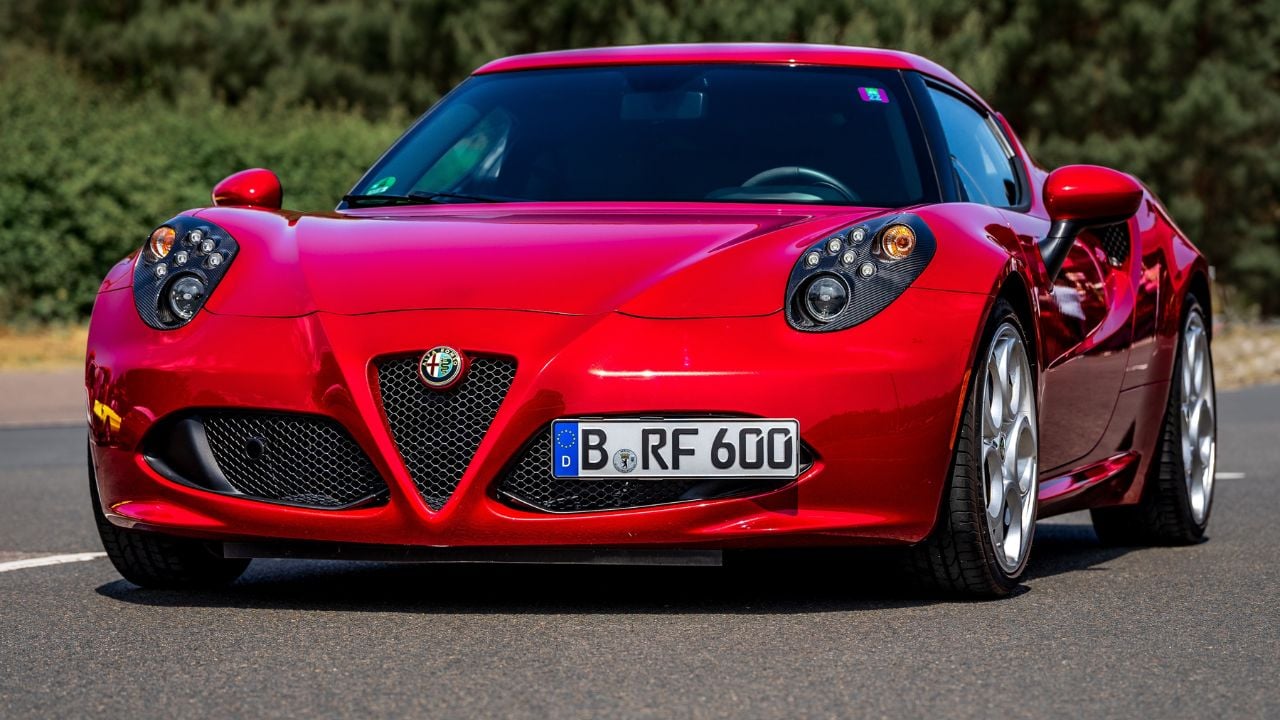
The 4C was Alfa’s cheeky reminder that you didn’t need twelve cylinders to feel like a superhero. With its carbon tub and mid-engine layout, it was a baby exotic disguised as something almost attainable. That turbo four punched harder than anyone expected, and the steering, which was completely unassisted, told you everything the pavement had to say. Drive one over a painted line and you’d swear you felt the brush strokes.
It looked like someone shrunk a supercar in the wash, all curves and drama with zero apology. Inside, it was tight, where your elbows practically touched the passenger’s at any point in time, but that just added to the sense that this car wasn’t built for comfort, it was built for grins. Reviewers called it raw, owners called it addictive. Every errand turned into a qualifying lap in your head. For a generation that grew up on posters of Miuras and 33 Stradales, the 4C was proof Alfa still knew how to stir the soul.
Alfa Romeo Giulia Quadrifoglio

The Quadrifoglio badge is Alfa’s four-leaf promise that the car wearing it will make your pulse race. The Giulia Quadrifoglio brought that legend roaring back with a twin-turbo V6 that traces its DNA straight to Ferrari’s engineers. Five hundred plus horses, rear-wheel drive, and a chassis tuned with the precision of a scalpel made it one of the most thrilling sports sedans of the modern era. Floor it, and the surge hits like an espresso shot delivered straight to the chest.
Yet this wasn’t some stripped-out racer pretending to be a commuter. Slide into the sculpted seats and you could go from boardroom to backroad without missing a beat. The carbon trim, the quad exhausts, and the way the cloverleaf badge glowed with heritage and shouted performance wrapped in Italian drama. Then came the Nürburgring lap record, a headline-grabbing reminder that Alfa was back in the global conversation.
Alfa Romeo SZ

They called it Il Mostro (the Monster). The Alfa SZ looked like it had been designed with a ruler, a meat cleaver, and a late-night dare, but that’s exactly why it’s so unforgettable. Built in collaboration with Zagato, its sharp-edged composite body was a shock when it debuted, yet over time it became one of those designs that only true enthusiasts “get.” Today, its rarity alone makes it a collector’s gem, but back in 1989, it was pure provocation on wheels.
Underneath the brutalist body sat Alfa’s beloved 3.0-liter V6, a Busso engine that sang like Pavarotti clearing his throat at 6,000 rpm. The suspension was tuned with racecar intent, giving the SZ handling that left magazine testers grinning despite their raised eyebrows at the looks. Paint it Rosso Red, and it became an instant exclamation mark wherever it parked. Love it or hate it, the SZ was impossible to ignore, and that’s why it’s carved into Alfa Romeo lore as one of the boldest, weirdest, and most wonderful machines they ever built.
Alfa Romeo 33 Stradale
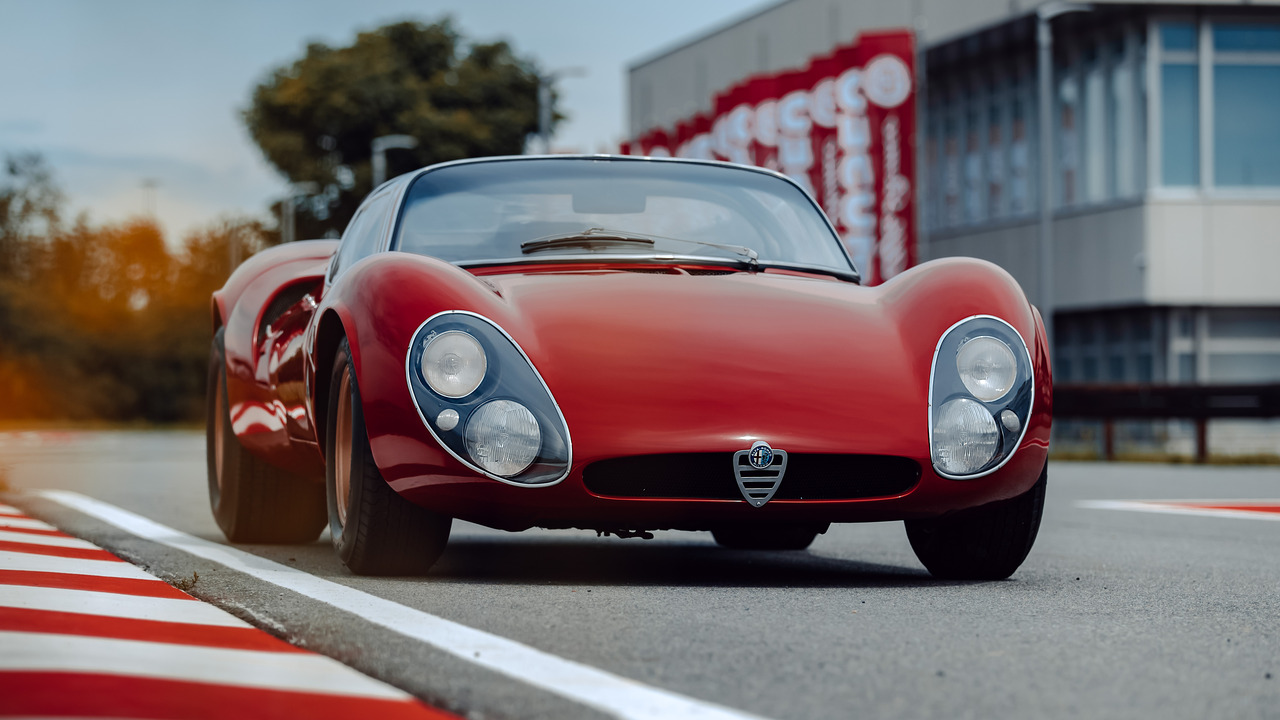
The 33 Stradale is one of the rarest Alfas ever made, with only 18 examples built between 1967 and 1969. Designed by Franco Scaglione and constructed by Carrozzeria Marazzi, it was essentially a road-going version of Alfa’s Tipo 33 race car. The body, made from aluminum, featured flowing curves and those distinctive butterfly doors that became a hallmark of its design. Power came from a 2.0-liter V8 capable of revving to a screaming 10,000 rpm, delivering both racing pedigree and everyday drivability.
Its rarity means most people will only ever see one in a museum, but its influence on sports car design has lasted far beyond its tiny production run. The 33 Stradale is widely regarded as one of the most beautiful cars ever built, a perfect blend of Italian styling and motorsport engineering.
Alfa Romeo Disco Volante by Touring
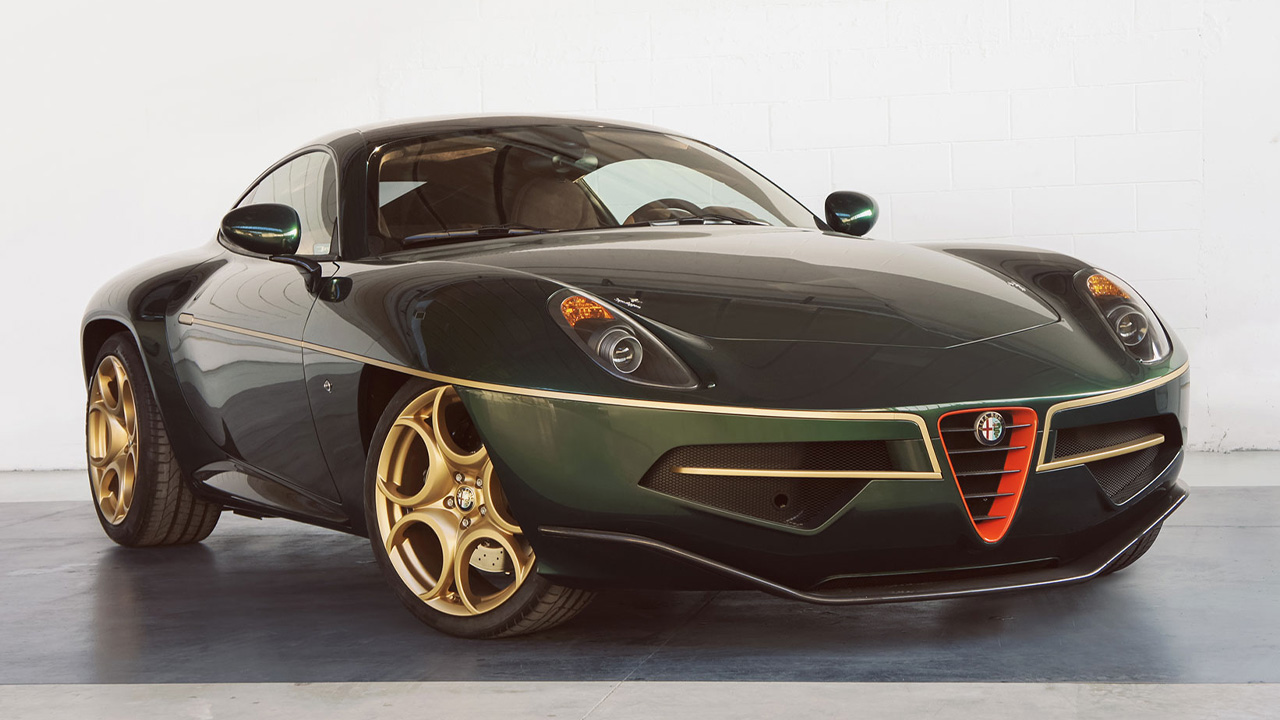
The modern Disco Volante, introduced in 2012, was built by Italian coachbuilder Touring Superleggera as a tribute to Alfa Romeo’s 1952 “Disco Volante” (Italian for “flying saucer”) concept cars. Based on the Alfa Romeo 8C Competizione, it retained the 4.7-liter naturally aspirated V8 and rear-wheel-drive layout, offering around 450 horsepower and a 0–60 time under 4.5 seconds. The performance was identical to the 8C, but the Disco Volante stood apart thanks to its bespoke aluminum and carbon-fiber bodywork, crafted entirely by hand using traditional coachbuilding techniques.
Each car took over 4,000 hours to complete, with Touring producing only a very limited number of units—coupes and, later, a Spyder variant. The design referenced the aerodynamic lines of the original 1950s Disco Volante while incorporating modern materials and construction. Despite being built in the 21st century, the car represented a return to low-volume, artisanal manufacturing. Its rarity, craftsmanship, and link to Alfa’s racing and design legacy have made it a collectible modern classic.
Alfa Romeo GTV6
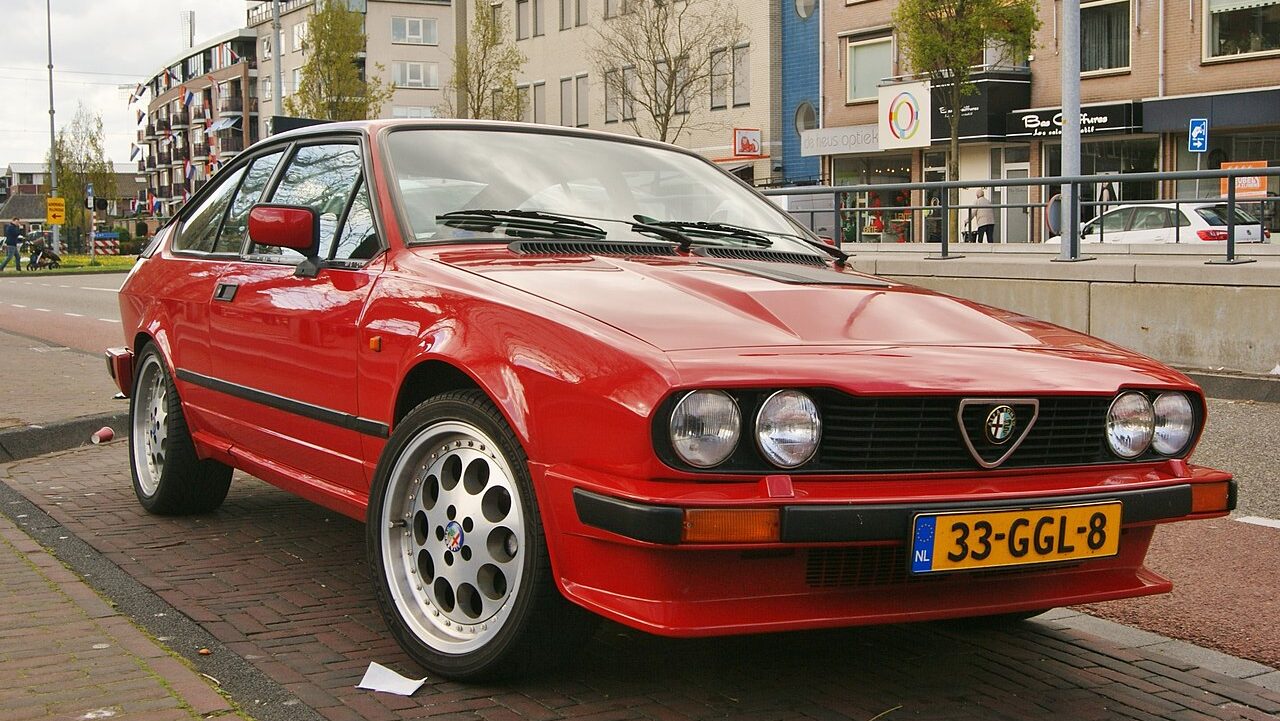
The GTV6 was Alfa’s answer to the performance coupe in the 1980s, a car that balanced daily usability with genuine motorsport pedigree. Powered by the legendary 2.5-liter Busso V6, it delivered a soundtrack that enthusiasts still rave about today. The transaxle layout gave it near-perfect weight distribution, and the five-speed gearbox offered a mechanical, direct feel that made every shift satisfying.
This was a car that could run rally stages on the weekend and still haul groceries on Monday. Its widened wheel arches, hatchback practicality, and driver-focused cockpit made it both purposeful and stylish. From starring roles in cult films to hard-fought victories in touring car championships, the GTV6 carved out a reputation that still resonates. It remains a fan favorite in Alfa Romeo clubs around the globe, celebrated for its dual identity as both a family car and a true driver’s machine.
The Last Sip of Espresso

The ethos of Alfa Romeo is shared between models from each decade, proving that design and driving experience can go hand-in-hand. No matter which Alfa you see driving down the road or parked at a car show, you can identify it by its unique styling and details that are unmistakable to the brand.
These cars give us just a glimpse into the world of Italian design, and by the end, it’s hard not to daydream about having one in the garage or imagining what it would look and feel like to be running it through the Alps on a warm summer day.