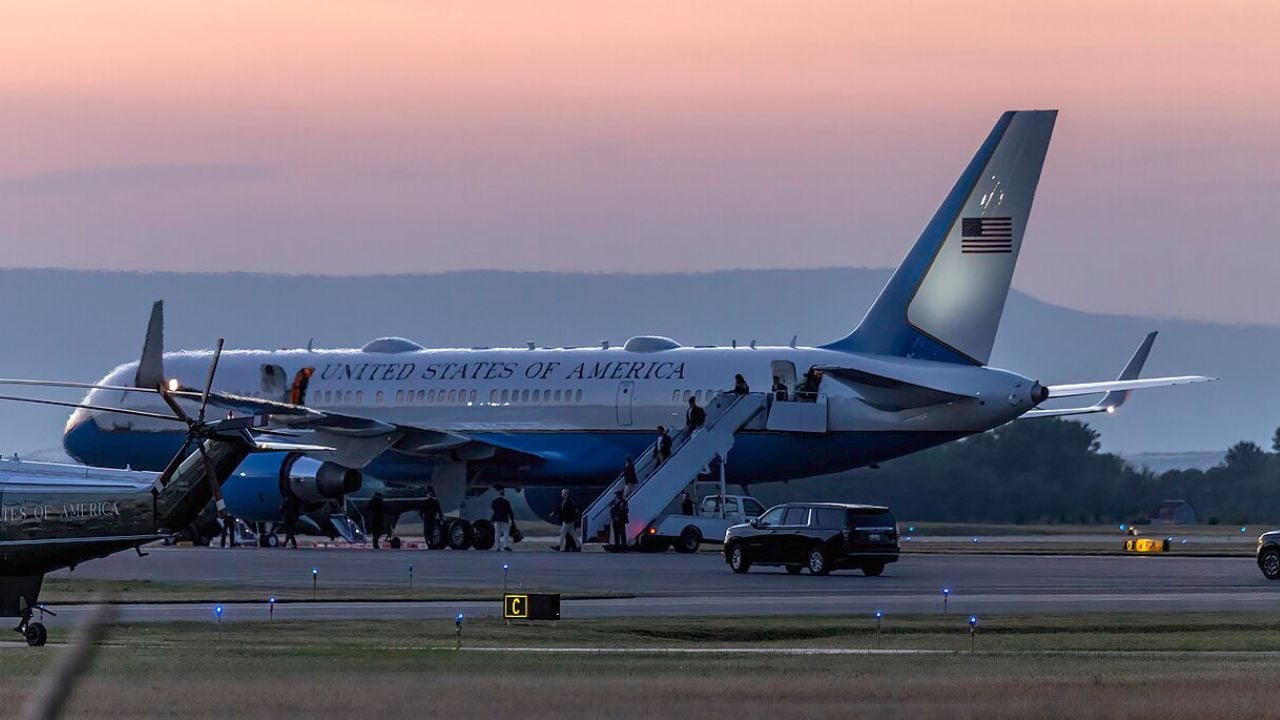

Before diving into this story, it is worth grounding this in what is publicly known. The delays and cost overruns tied to the Boeing VC-25B program are well documented across multiple reputable outlets, including U.S. Air Force budget materials and reporting from Aviation Week.
The existence of a Qatari-owned Boeing 747-8 being prepared as an interim aircraft has also been reported, although its exact role and configuration is not very clear yet.
That said, the report by Luxury Launches stating that the replacement presidential jet program is asking for roughly $732 million in additional funding appears plausible within the broader context of ongoing appropriations, even if some elements are not broken out in public budget lines.
Now to the story itself.
The Challenge of Replacing Air Force One
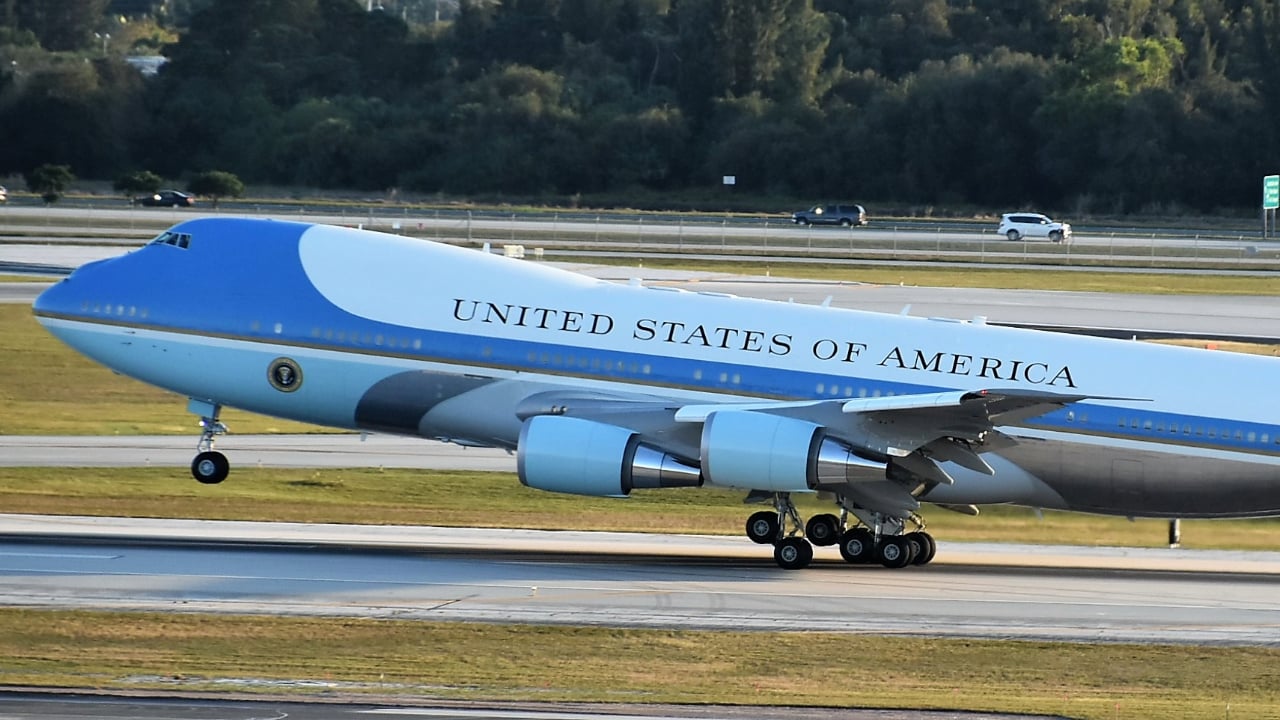
For automotive engineering fans, think of the challenge of replacing Air Force One like tearing down a luxury car to its chassis and rebuilding it into a rolling data center that must function in the worst possible conditions. That is the reality facing the Boeing team working on the next Air Force One.
The current presidential aircraft, the Boeing VC-25A, has been carrying leaders including Donald Trump since 1990. More than three decades on, it is showing its age, both mechanically and technologically.
Replacing it was never going to be simple, but the scale of the challenge has proven far greater than anticipated.
The current Air Force One’s replacement, the VC-25B, is based on the Boeing 747-8 platform. The aircraft is being transformed into a hardened flying command center.
Imagine taking a high-end car and rewiring every system, adding layers of shielding, integrating secure communications that must never fail, and ensuring survivability in extreme scenarios.
Every change triggers another complication. Wiring delays ripple into testing issues. Environmental systems clash with other components. Nothing operates in isolation.
That complexity is now colliding with time.
The Cost of Waiting
The Air Force is signaling that delays have reached a point where waiting is more costly than spending. The latest budget push reflects an effort to inject roughly $150 million in additional funding, bringing the broader tally tied to the program to around $732 million.
The goal is not expansion, but stabilization. Officials are trying to keep the program from drifting further behind schedule.
Meanwhile, an unusual subplot is unfolding in the background.
A Qatar-linked 747-8, once configured as a flying palace with sweeping interiors and luxury finishes, is being converted into a temporary Air Force One. This jet will step in to ensure presidential mobility while the VC-25B inches toward completion.
Now, let’s back up just a bit.
The current Air Force One (VC‑25A fleet) comprises two heavily modified Boeing 747‑200 aircraft delivered in 1990. They’ve been the presidential transports for George H.W. Bush, Clinton, Bush, Obama, Trump, Biden, and Trump again.
They are still in service today.
The U.S. Air Force contracted Boeing to convert two newer 747‑8s into the next generation of presidential aircraft, designated VC-25B. That’s the program facing delays and cost overruns.
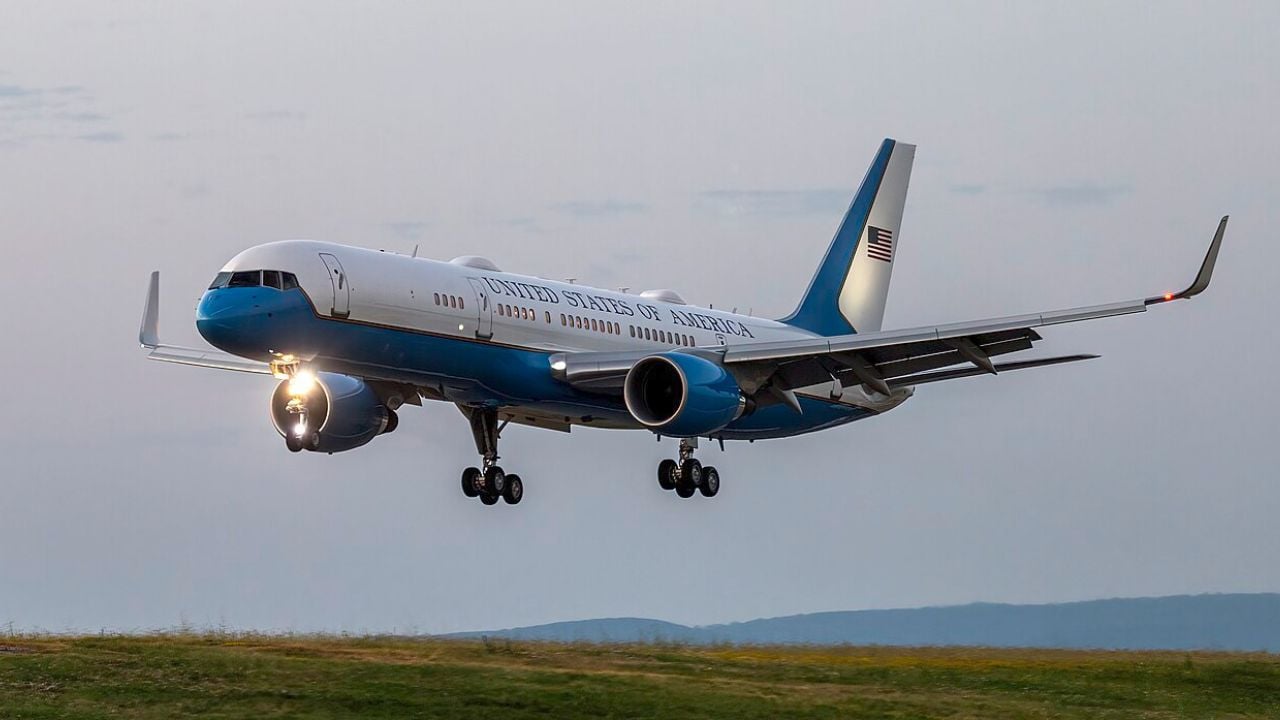
The Qatar‑linked 747‑8 is not a replacement for the VC‑25As currently flying. Instead, it’s reportedly being prepared as a contingency or interim option because the VC‑25Bs are so far behind schedule.
The idea is that if the VC‑25As become too old or unreliable before the VC‑25Bs are ready, this Qatar‑owned 747‑8 (originally built as a luxury VIP aircraft) could be converted into a stopgap presidential transport. Think of it as a “backup plan,” not the main ride.
The Signal of Funding
Yet the funding story tells you everything about priorities. There is no comparable push to heavily invest in this interim aircraft.
That contrast is striking. One jet is treated as a stopgap, built to maintain continuity. The other is viewed as a long-term strategic asset that must deliver capabilities far beyond transport.
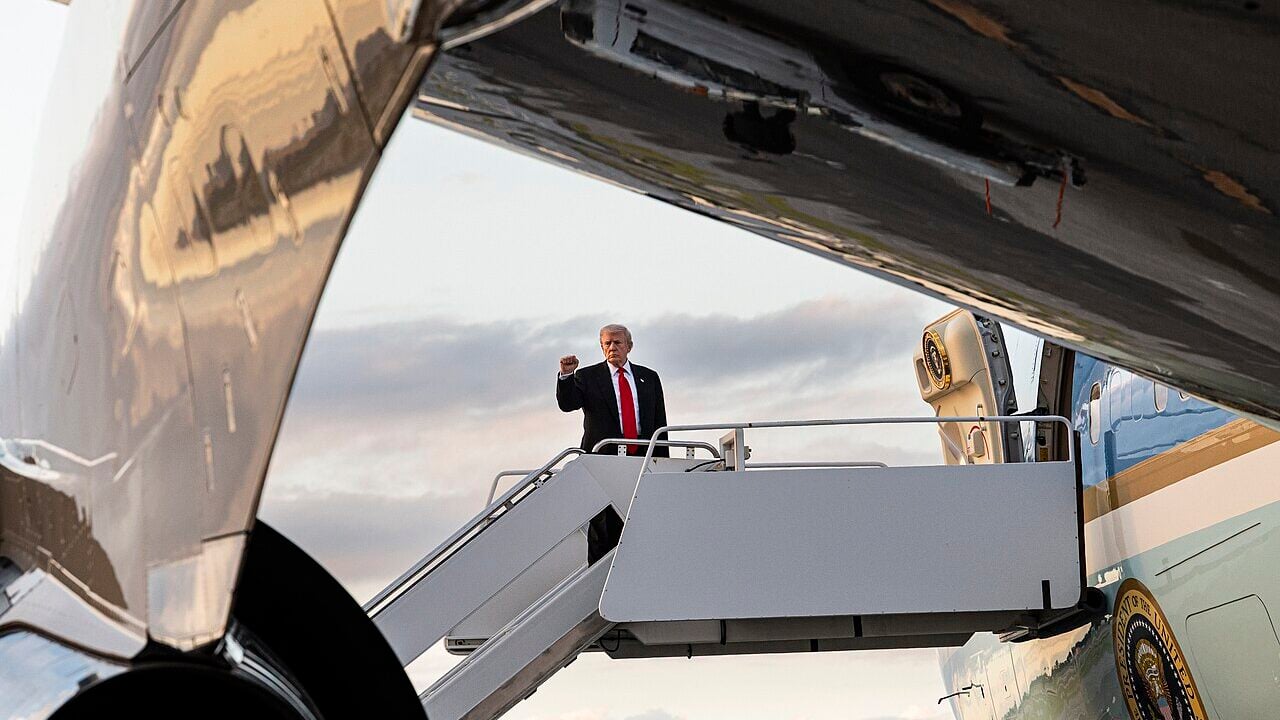
For someone like Trump, who has long placed emphasis on the symbolism and performance of presidential hardware, the distinction is hard to ignore. The aircraft under construction represents ambition that has yet to materialize.
Several factors have compounded the delays.
A key interior supplier collapsed, forcing Boeing to reorganize critical workflows. A shortage of security-cleared mechanics has slowed hands-on progress. Certification hurdles have grown more complex as designs continue to evolve.
Each issue feeds into the next, creating a system where acceleration is not simply a matter of spending more money.
Even so, throwing more money at the program sends a message of confidence in its success. The Air Force appears to believe that with targeted investment, the VC-25B can still be brought back onto a stable path.
It is a calculated move to buy time, reduce cascading risks, and preserve a program that carries enormous operational and symbolic weight.
Sources: Luxury Launches