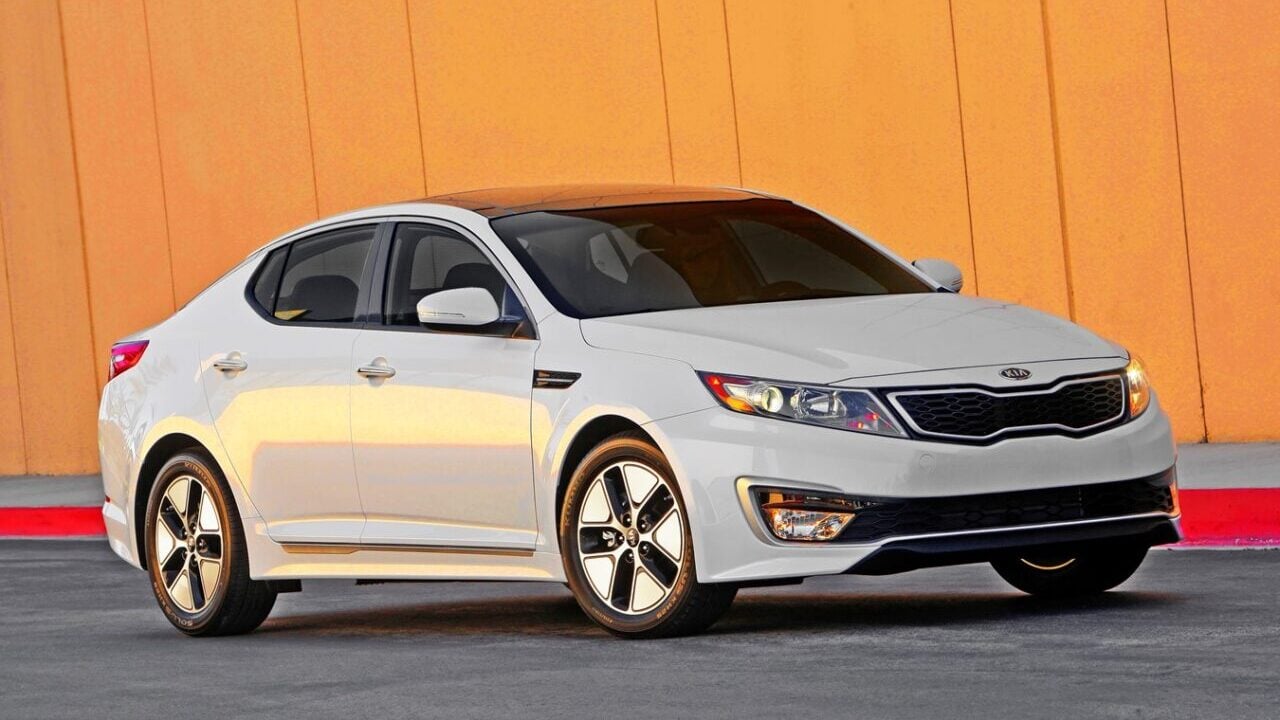
After nearly 12 years in court, a federal judge has dismissed the class action lawsuit alleging that certain Kia vehicles suffered from defective sunroofs that could spontaneously shatter while driving.
The case centered around claims involving several Kia models from the early 2010s, including the Kia Optima, Sorento, Sportage, and Cadenza. Plaintiffs argued that the panoramic glass roofs could suddenly explode or crack without warning, potentially creating dangerous driving conditions and causing injuries from shattered glass.
The lawsuit began in 2015 after Ohio resident Tom Kondash claimed the panoramic sunroof in his 2012 Kia Optima suddenly shattered while he and his wife were traveling at highway speed. According to court filings, Kondash described hearing a loud explosion similar to a shotgun blast before glass fragments reportedly fell into the cabin.
Now, after more than a decade of legal battles, investigations, and technical arguments over automotive glass design, the court has ruled in Kia’s favor and dismissed the case permanently.
The Lawsuit Focused On Multiple Kia Models
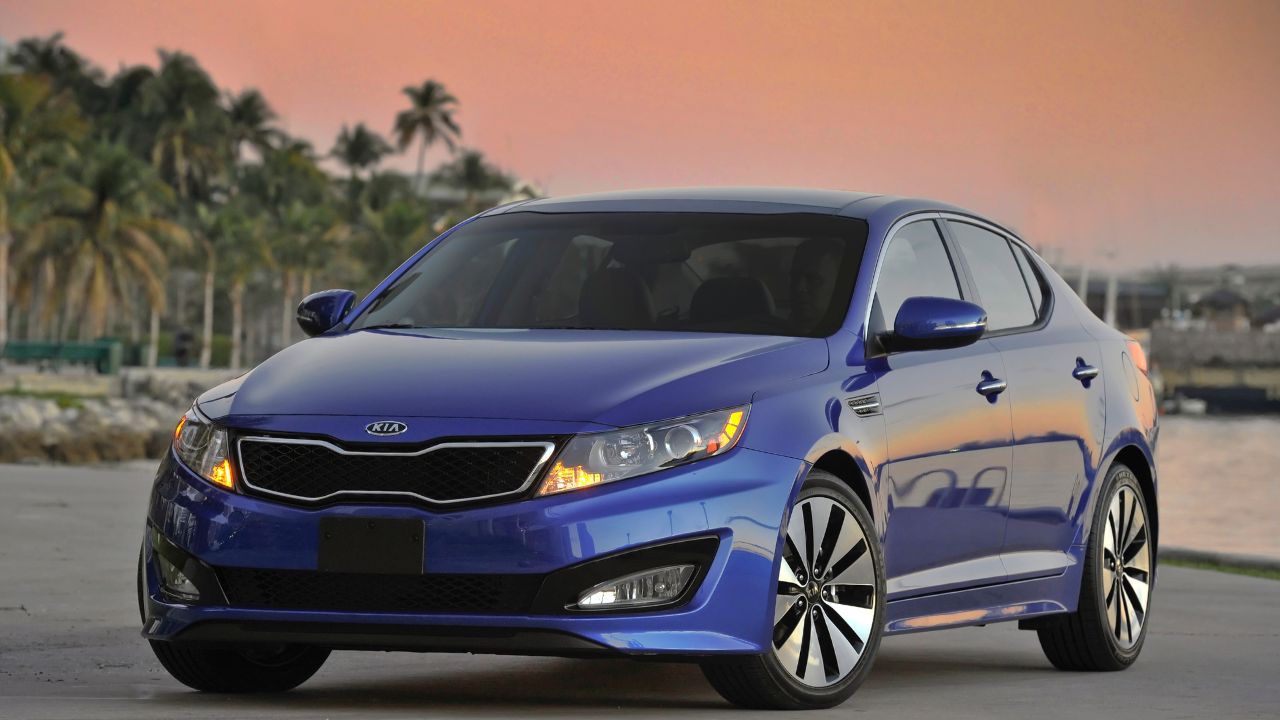
The class action covered several Kia vehicles produced between 2011 and 2015. Those included the Kia Optima and Optima Hybrid, Sorento, Sportage, and Cadenza.
According to the lawsuit, Kondash and his wife suffered minor cuts from shattered glass after the incident occurred in July 2015 while driving roughly 70 mph. The plaintiff claimed that nothing struck the vehicle before the sunroof shattered.
Although the Optima was already outside its warranty period at the time, Kia reportedly replaced the damaged panoramic roof free of charge as a goodwill repair.
Court records show Kondash continued driving the vehicle for more than two additional years after the replacement, adding over 34,000 miles without another reported sunroof failure. The plaintiff later argued he reduced his use of the vehicle because he feared another incident could occur.
The lawsuit also stated that he felt uncomfortable selling or trading the car because he worried another owner could potentially experience a similar problem.
Federal Investigators Previously Examined Similar Complaints
One of the most important factors in the case involved a prior investigation conducted by the National Highway Traffic Safety Administration.
NHTSA opened an investigation into Kia panoramic sunroof complaints in 2013 before expanding the probe in 2014. Investigators examined reports involving shattered glass roofs across multiple Kia vehicles. Ultimately, the agency closed the investigation without determining that the vehicles contained a safety-related defect.
According to the agency’s findings, road debris may have contributed to at least some incidents. NHTSA noted that small rocks or other debris kicked up by surrounding traffic could either immediately shatter the glass or create small damage points that later failed under stress. That conclusion became an important part of Kia’s defense during the long-running court battle.
The Court Ruled The Plaintiff Failed To Prove A Defect
Judge Jeffery P. Hopkins dismissed the lawsuit after determining that the plaintiff failed to sufficiently identify a specific design defect responsible for the alleged failures.
The court noted that the lawsuit referenced several characteristics of the panoramic roof system, including the use of tempered glass, roof curvature, ceramic paint, and mounting structure. However, the judge concluded that the plaintiff never established which specific design element actually caused the glass to shatter.
The ruling also emphasized the absence of expert testimony supporting the plaintiff’s claims. Under Ohio law, technical design-defect cases involving scientific or engineering questions generally require expert analysis.
According to the judge, no expert evidence was presented explaining how the panoramic roof system was defective or how the alleged defect directly caused the breakage.
Kia also introduced statistical evidence during the case indicating that panoramic roof breakage rates for the 2012 Optima were extremely low and reportedly lower than comparable rates for certain competing vehicles.
Panoramic Sunroof Concerns Are Still Valid
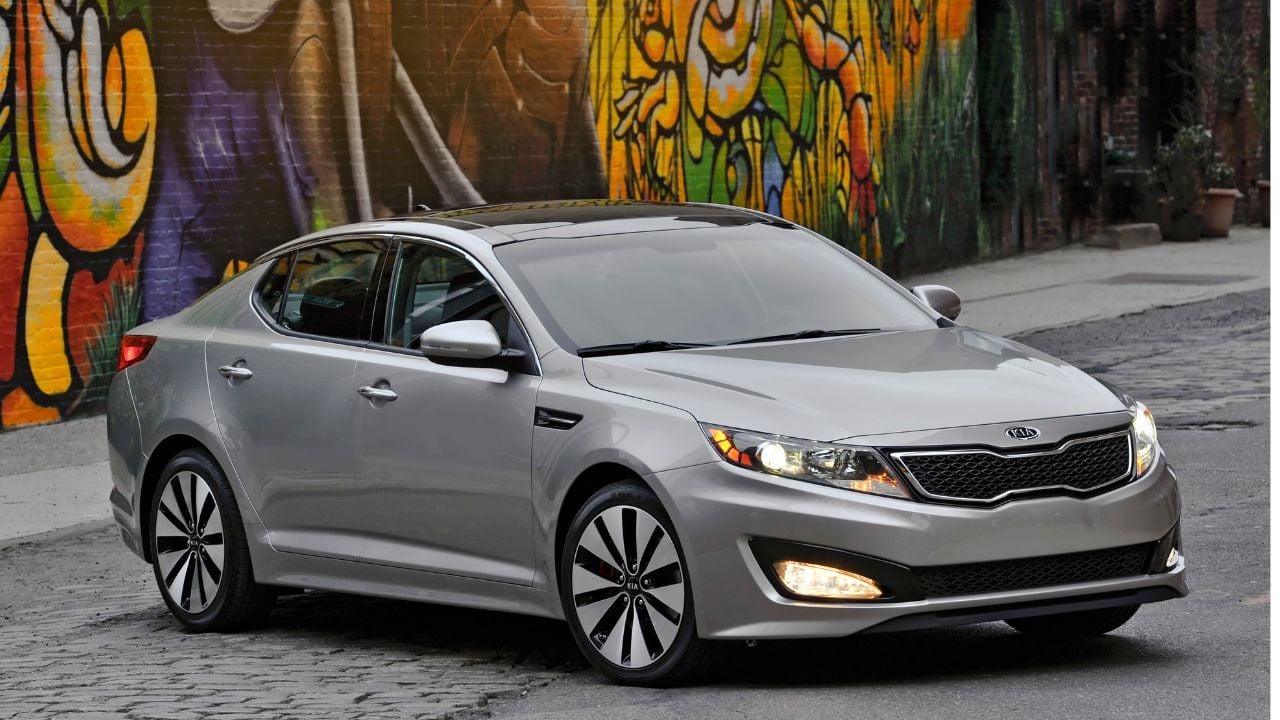
Although the lawsuit has now been dismissed, concerns surrounding panoramic sunroofs have persisted across the automotive industry for years.
Large glass roof panels have become increasingly common in modern vehicles because buyers enjoy the added light and premium feel they provide. At the same time, automakers have faced occasional complaints involving cracked or shattered panoramic roofs across numerous brands.
In many cases, investigators struggle to determine the exact cause because tempered automotive glass can fail due to several different factors. Manufacturing flaws, thermal expansion, stress concentrations, prior impacts from debris, and even microscopic damage can potentially contribute to spontaneous breakage.
That complexity makes these cases particularly difficult to prove in court. Without clear physical evidence or expert analysis pinpointing a precise defect, plaintiffs often face major legal hurdles.
For Kia, the dismissal closes a legal battle that stretched across more than a decade. For consumers, however, exploding panoramic roof stories are unlikely to disappear entirely anytime soon, as they continue to grow larger and more common across the industry.