
Advanced technology in cars isn’t just screens, sensors, or software. Long before touchscreens and driver-assist systems were the norm, automakers were experimenting with revolutionary engines, exotic materials, and ambitious suspension designs that pushed engineering far beyond what most technicians—or owners—were used to.
These cars weren’t failures in spirit. Many were brilliant, forward-thinking machines that moved the industry ahead. But when cutting-edge hardware met real-world ownership, the results often turned into legendary stories of sky-high repair bills, shop downtime, and complexity that overwhelmed the era’s tools and expertise.
This article highlights vehicles that advanced the industry—sometimes too far, too fast. They weren’t bad cars. They were simply early adopters of technologies (and materials) that came with steep learning curves, expensive repairs, and maintenance demands that caught owners off guard.
Porsche 996 (1998–2005)

This generation of the iconic sports car introduced water-cooled engines to the 911 for the first time, a huge technical leap for the brand’s performance. The car itself offered thrilling performance comparable to much more expensive exotics and handled beautifully on the track. However, this engine family became unfairly linked to a catastrophic, though uncommon, issue with the IMS bearing (Intermediate Shaft bearing).
While the majority of these cars never experienced the failure, the mere threat drove down used car prices and created some consumer anxiety. Enthusiasts today are wary of examples that have not had this preventative repair completed, a service that adds several thousand dollars to the purchase price. Clean examples without the repair often list between $25,000 and $40,000, with highly optioned or repaired versions trading higher.
BMW E65/E66 7 Series (2001-2008)
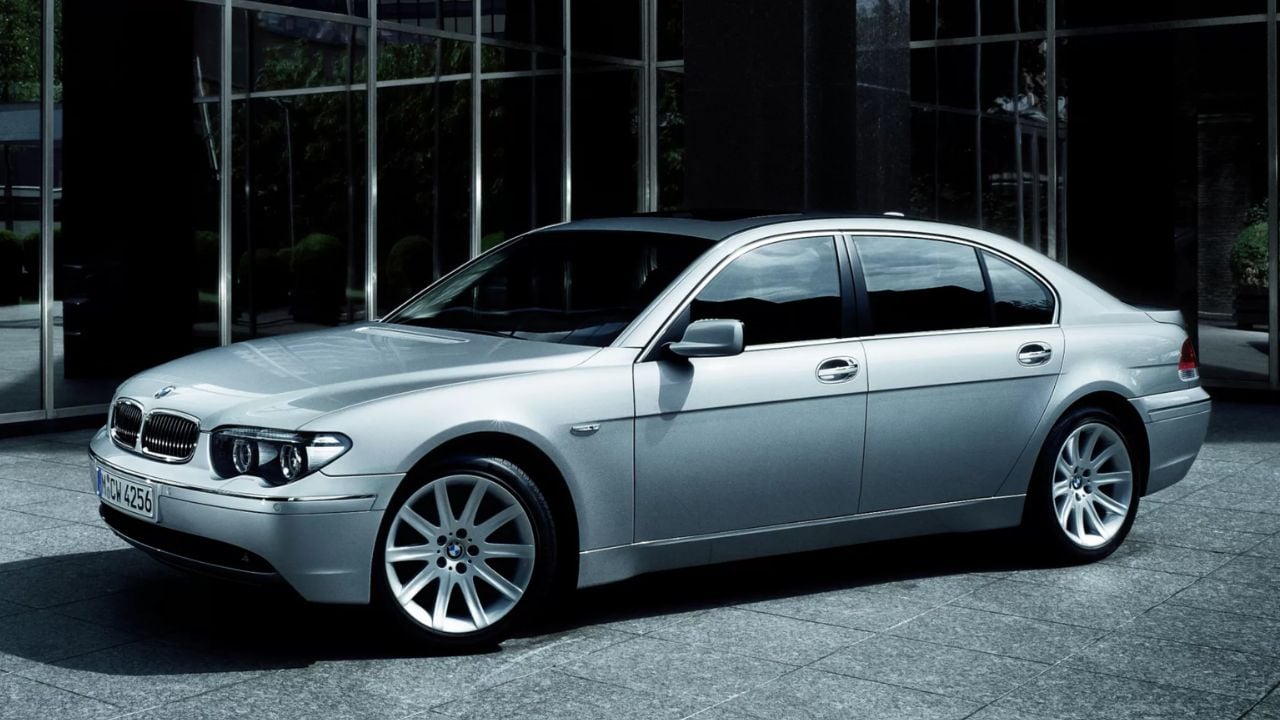
This luxury sedan was famous for debuting the iDrive infotainment system, which consolidated dozens of car controls into a single central knob and screen. This was a revolutionary concept for the time, intended to simplify the cockpit and push the car far ahead of its competitors. Early versions, however, were complex and unintuitive for many drivers, earning widespread complaints from owners and critics alike.
Beyond the learning curve, the car’s many electronic modules could be costly to diagnose and replace when issues arose, often requiring specialized dealer-level tools that independent shops of the era didn’t always have. The styling was also polarizing at launch, causing some buyers to hesitate, though the car has since gained respect as an ambitious piece of automotive technology. Used examples, often found between $5,000 and $12,000 for higher-mileage cars, may hide expensive electronic repairs if previous owners deferred maintenance—so buyers should verify that major modules have been serviced or updated.
Audi A8 D2 4.2 Quattro (1994–2002)
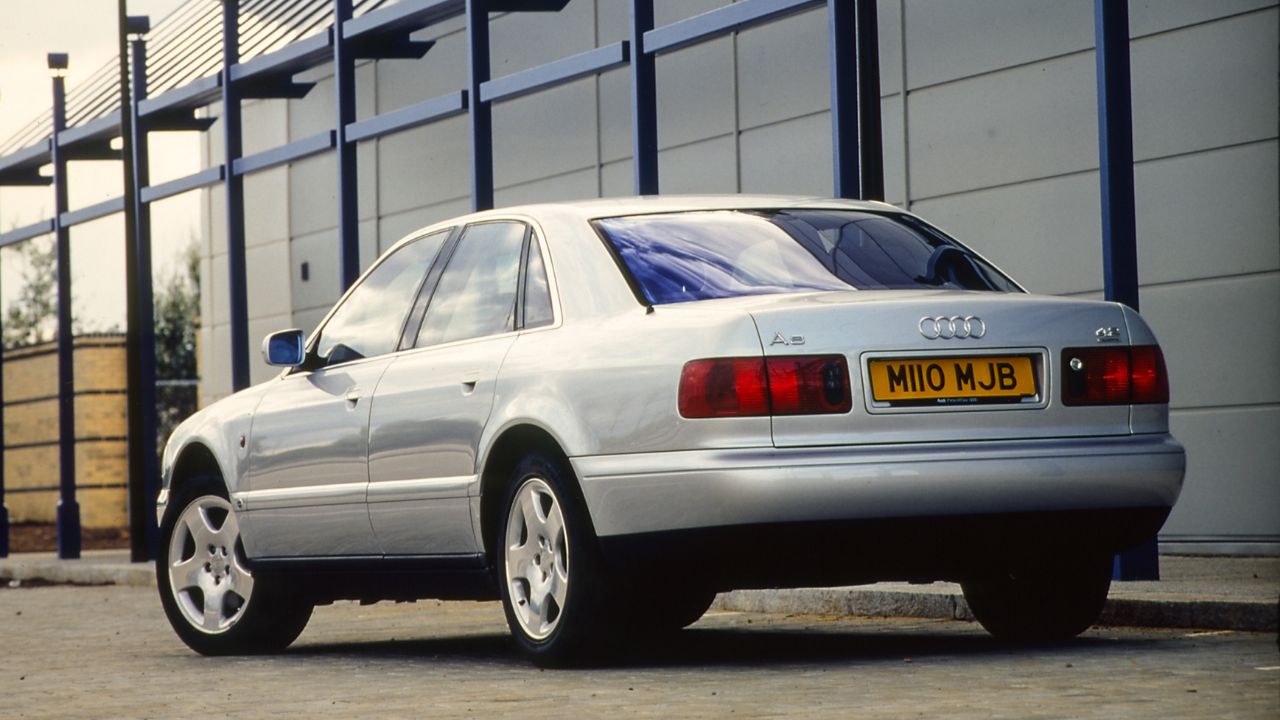
The A8 was a landmark car because it pioneered the use of a lightweight, all-aluminum chassis, a technology usually reserved for the most exclusive exotics. This allowed the full-size sedan, with its powerful V8 engine and permanent all-wheel drive, to achieve surprising agility and good fuel economy for its class. Repairing a car built around an aluminum-intensive Audi Space Frame body structure proved to be a mechanic’s worst nightmare, however.
Simple body damage required specialized welding and equipment that many body shops lacked, leading to inflated repair costs even for minor accidents. The advanced electronics of the time, including the self-leveling suspension on some trims, added to the complexity and made parts sourcing today difficult. These luxury flagships are now considered inexpensive, often listing for under $8,000, reflecting the potential for high maintenance costs.
Jaguar XJ X350 (2003–2009)
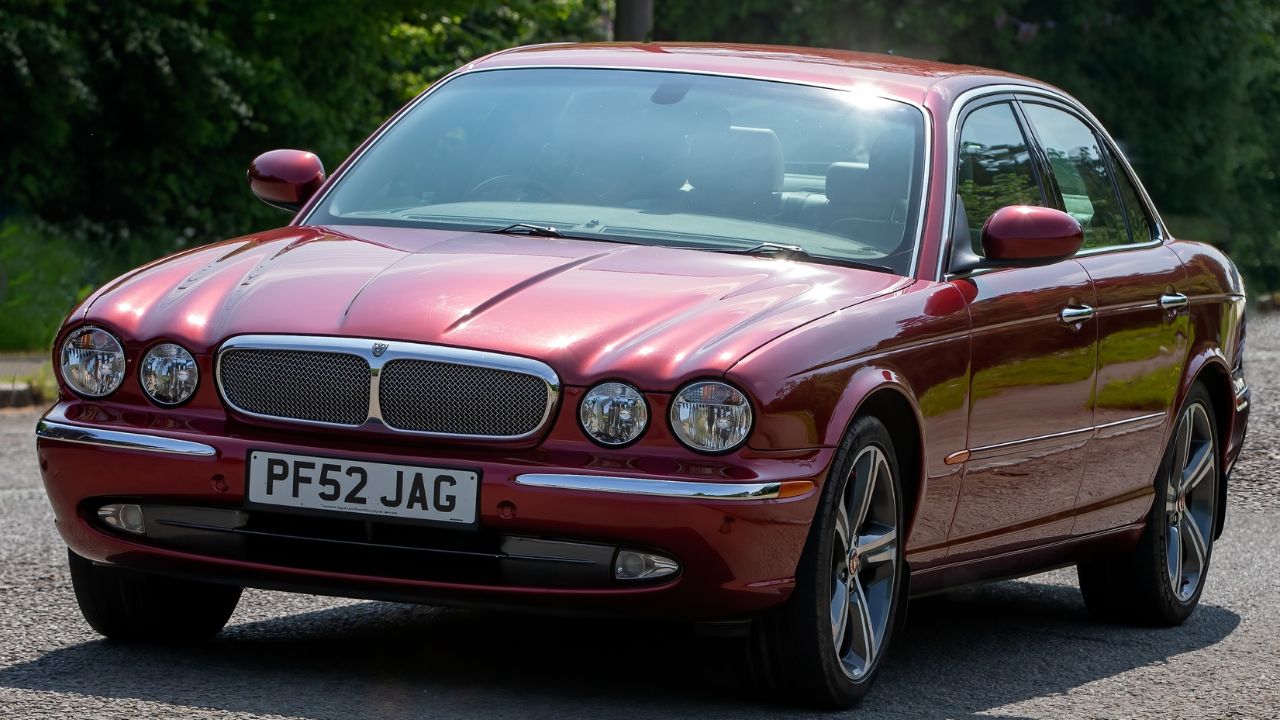
Like the Audi, this generation of the XJ sedan made a huge leap into the future by embracing an all-aluminum body, making it hundreds of pounds lighter than its heavy, steel-bodied predecessor. This weight loss delivered exceptional handling and quick acceleration from the robust V8 engines. The lightweight construction also came with the heavy price of complex, specialized repair processes.
The most challenging advanced feature was the four-corner air suspension system, which provided the signature smooth Jaguar ride. While superb when new, the air springs and compressors are known to wear out over time, leading to replacement bills of roughly $800 to $2,000 per corner, with higher totals if a compressor is also needed. Buyers are urged to check the suspension health carefully, as running examples list between $7,000 and $15,000 but can quickly double in cost if the air ride fails.
Cadillac Allanté (1987–1993)

This luxury convertible was a highly ambitious project designed to compete directly with Mercedes-Benz and Jaguar in the premium segment. Its technological claim to fame was an elaborate production process in which Pininfarina bodies were built in Italy, flown to Detroit on dedicated transport planes, and then mated to the chassis and drivetrain. In its final year, the Allanté received the advanced Northstar V8, an impressive engine known for its strong horsepower and smooth delivery.
On Northstar-equipped 1993 models, however, some Northstar V8s developed a reputation for head gasket/head bolt thread issues over time that could be difficult and costly to address due to the design of the aluminum block and head bolt threads. Earlier, Allantés avoided this concern but still carried complex dashboard electronics and the inherent cost of a multi-stage manufacturing process. Today, the Allanté is respected as an innovative classic, but buyers should confirm that major engine or electrical work has been completed.
Clean drivers typically list between $10,000 and $20,000, with collector-grade examples commanding a premium.
Mercedes-Benz W220 S-Class (2000–2006)

This S-Class was packed with systems designed to lead the world in luxury, including the sophisticated Airmatic air suspension and the optional Active Body Control (ABC) system. Airmatic provided fantastic ride comfort, but aging air struts and compressors can be costly to replace if they haven’t already been serviced. The optional ABC hydraulic suspension was even more advanced, and while outstanding when functioning correctly, worn components can lead to unexpectedly high repair bills.
TeleAid, the car’s early emergency communication system, added another layer of complexity; when it malfunctioned, it could create parasitic battery drains that were difficult to diagnose. Overall, repair costs for this generation of S-Class are higher than those of mainstream vehicles, which is why some owners choose to convert the suspension to simpler coil-over setups. Attractive used examples can be found between $6,000 and $14,000, but buyers should confirm that major suspension and electrical work have already been addressed.
Mazda RX-8 (2003–2012)

The RX-8 brought back the legendary Wankel rotary engine, an incredibly advanced and unique motor that delivered high power from a small, lightweight package. This technology allowed the sports coupe to handle like a much smaller car and offered a thrilling, high-revving driving experience. The unique engine design, however, required very specific maintenance protocols.
The rotary engine is known to consume oil by design, which requires owners to check and top off the oil frequently. Ignoring this crucial step leads to premature engine wear and low compression, requiring an expensive engine rebuild that commonly falls in the $4,000+ range depending on parts and labor. The car gained a reputation for unreliability that was often the result of poor owner care rather than a flaw in the engineering itself. Well-maintained drivers list between $6,000 and $15,000.
Volkswagen Phaeton (2004–2006 in U.S)

This luxury sedan was an exercise in technological and engineering overkill, featuring a unique four-zone climate control system and a dashboard with wood panels that automatically deployed when the vents were needed. The car could be had with a complex W12 engine or a sophisticated V8, both featuring permanent all-wheel drive. The level of complexity was comparable to brands like Bentley.
The electrical systems were incredibly difficult to diagnose and repair because the car shared components and assembly processes with much higher-end vehicles. Launched slowly, the car was highly respected among those who owned it but never gained traction with buyers due to its hefty price tag and understated styling. Today, clean examples with the W12 engine often trade for $15,000 to $30,000, a realistic price given the potential cost of maintaining its advanced systems.
BMW E46 M3 SMG (2001–2006)

The E46 M3 is considered a driver’s car legend thanks to its naturally aspirated, high-revving straight-six engine. Its advanced feature was the Sequential Manual Gearbox (SMG), an automated manual transmission that brought paddle-shifting to the masses. The SMG offered incredibly fast shifts when working correctly, giving the car 0–60 times in the low 5-second range.
The hydraulic pump unit (HPU) responsible for operating the clutch and shifting gears is a known weak point and can fail without warning. Replacing or repairing this unit can cost $2,500 to over $4,000, leading many buyers today to seek out the traditional manual transmission version instead. SMG-equipped cars often list lower, typically between $18,000 and $35,000.
Audi Allroad Quattro C5 (1999–2005)
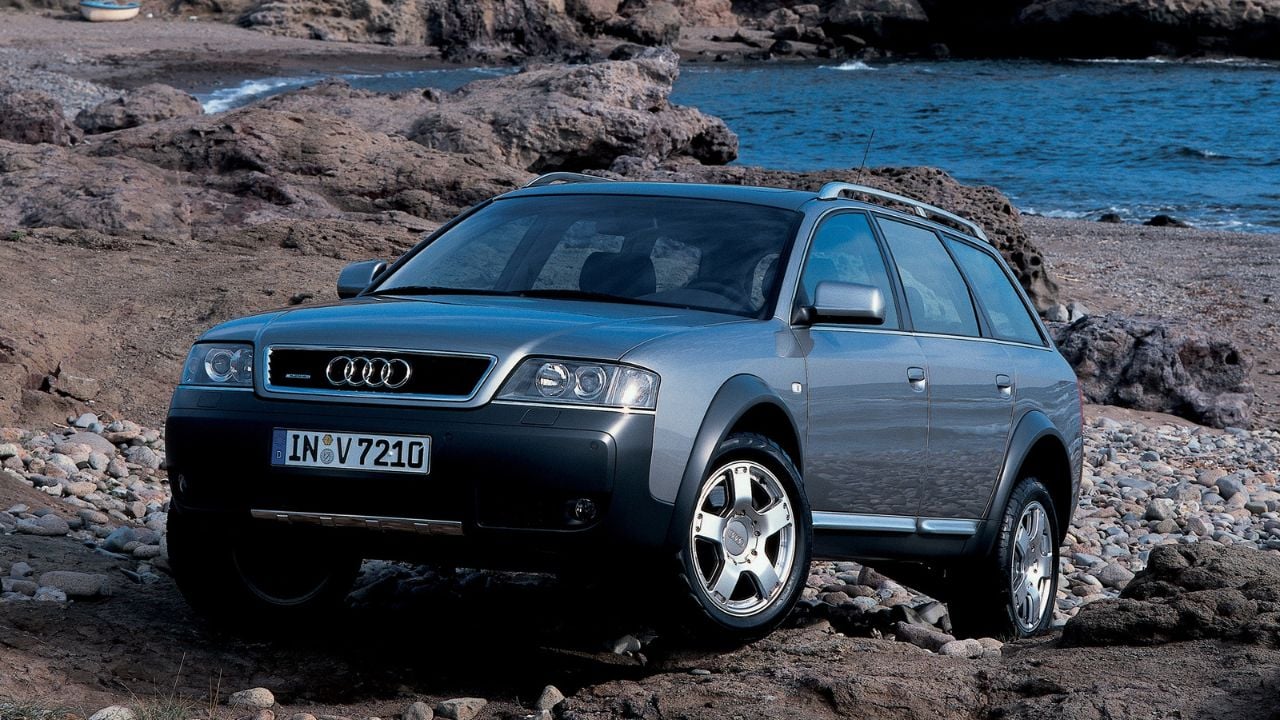
The Allroad was an ambitious concept that blended a luxury station wagon with SUV capability, featuring a powerful V6 twin-turbo engine and standard Quattro all-wheel drive. Its defining feature was the four-level adjustable air suspension, allowing the driver to raise the car for off-road use or lower it for highway driving.
As with most early air suspension systems, long-term durability proved poor, with strut issues become more common with age and higher mileage, often appearing around or beyond 100,000 miles. Many owners convert the system to traditional coil springs to avoid recurring repair costs. Running examples typically list between $4,000 and $9,000.
Ferrari Mondial 8 (1980–1982)

The Mondial 8 was technically advanced for its era, introducing continuing Ferrari’s mid-engine V8 2+2 layout after the 308 GT4—an ambitious configuration that blended exotic engineering with grand-touring practicality. Its mid-engine layout and early electronic fuel-injection system pushed the brand’s packaging and service complexity into new territory.
The most challenging aspect of ownership is the routine timing-belt service, which is labor-intensive due to tight packaging, with procedures varying by model and shop due to the tight packaging. This turns a standard maintenance procedure into an often several thousand dollars, depending on scope job at many shops. Despite the costly upkeep, the Mondial has earned respect as one of the more approachable ways into Ferrari ownership, with well-maintained examples typically listing between $45,000 and $70,000.
Fiat X1/9 (1972–1989)

The X1/9 was designed as an affordable mid-engine sports car, a layout usually reserved for far more expensive exotics. Its lightweight chassis and balanced proportions made it a standout handler for its era. However, that same mid-engine packaging can hide surprising maintenance challenges for owners unfamiliar with the layout.
While the engine itself is simple, accessing many components requires extensive disassembly due to the tight quarters. Routine jobs can balloon into several hours of labor, catching some owners off guard. Well-kept examples typically list between $8,000 and $15,000, but buyers should be prepared for higher labor costs if neglected maintenance needs attention.
Chevrolet Corvette C6 Z06 (2005–2013)

The C6 Z06 was a technological leap for the Corvette lineup, built around the lightweight, hand-assembled 7.0-liter LS7 V8. With its dry-sump lubrication, titanium connecting rods, and racing-derived internals, the LS7 delivered incredible performance and cemented the Z06 as one of the most capable American sports cars of its era.
That advanced engineering, however, also introduced a well-known potential maintenance surprise: premature wear in the cylinder head valve guides on some engines. Not every LS7 experienced the issue, but worn guides can lead to misfires, oil consumption, and—in severe cases—catastrophic failure if left unaddressed. Many specialists recommend periodic inspections or upgraded heads as preventative measures, and verifying this work has been done is essential when shopping for a used example.
Because a proper head service can run several thousand dollars, Z06 buyers are encouraged to budget for an inspection or look for documented repairs. Clean, well-maintained cars typically list from $40,000 to $70,000, with higher prices for low-mileage examples.
Alfa Romeo 164 (1987–1998)
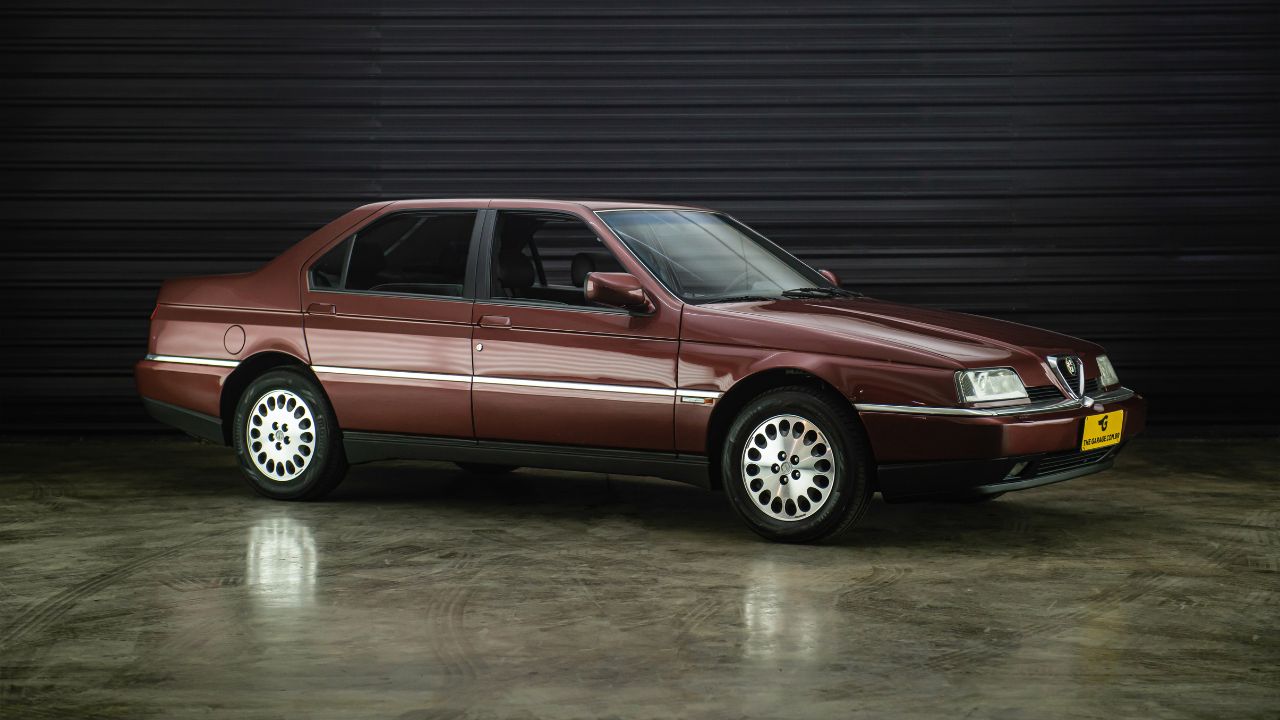
The Alfa Romeo 164 introduced advanced suspension design and refined V6 engines, along with early digital climate control systems. While technologically impressive, the electronics proved temperamental over time.
Wiring issues and failing control modules often required extensive troubleshooting and imported parts. Today, values typically range between $5,000 and $12,000, reflecting both its rarity and maintenance demands.
The Cost of the Cutting Edge

These vehicles make one thing clear: when automakers push technology forward, they often create ownership experiences that are as demanding as they are rewarding. Complex engines, advanced materials, and pioneering suspension systems can deliver extraordinary performance—but they may also hide expensive maintenance surprises if previous owners skipped critical service.
For enthusiasts who understand the quirks and keep up with the necessary repairs, these machines offer remarkable value and capability. For shoppers seeking simple, low-maintenance transportation, they’re a reminder that innovation usually comes with a learning curve—and a budget. Verifying key repairs and knowing what to expect can make the difference between owning a brilliant piece of engineering and inheriting someone else’s deferred maintenance bill.