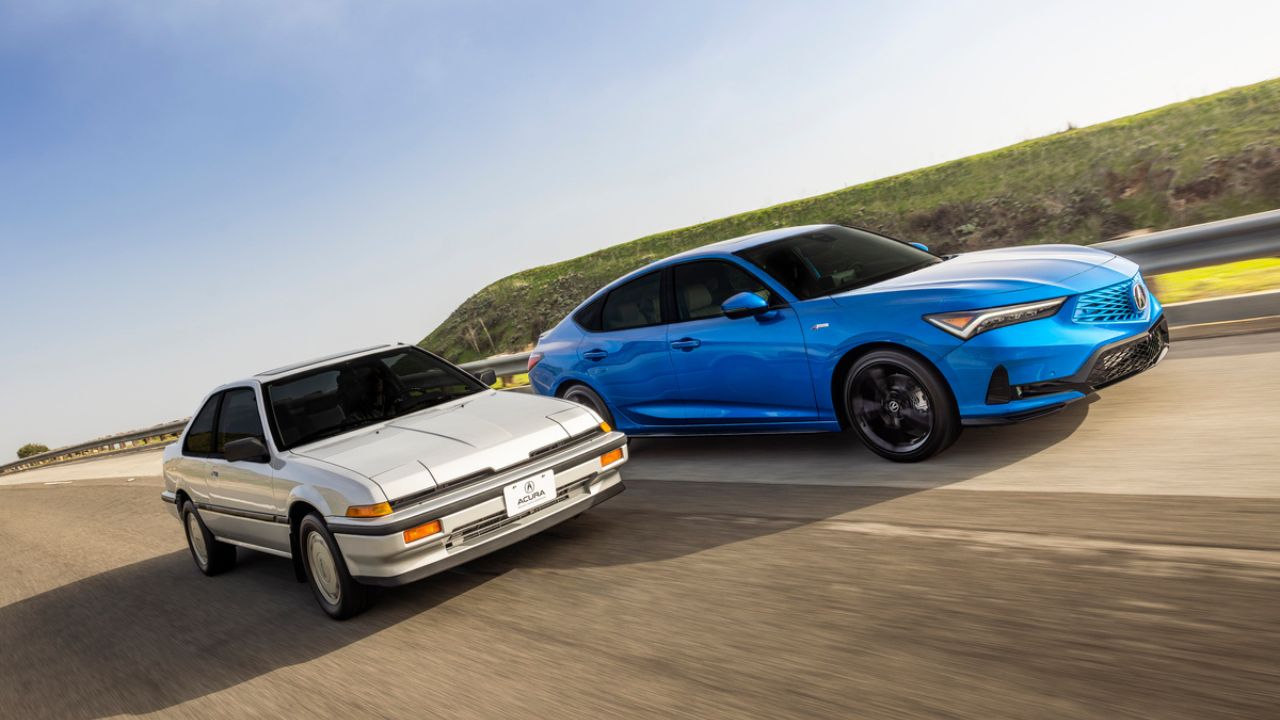

Honda recently celebrated Acura’s forty years in the US, and as part of that celebration, the Japanese marque was happy to remind everyone that it is Japan’s first-ever luxury car brand. Now, that’s bold claim worth talking up a storm over.
Acura’s claim to being the first Japanese luxury car brand is broadly true, but it needs careful framing to be fully accurate.
When Acura launched in March 1986, it marked a decisive shift in how Japanese automakers approached the global market. Rather than exporting upgraded versions of mainstream domestic models, parent company Honda created a dedicated luxury division, complete with its own branding, dealership network, and customer experience.
This distinction is critical because it meant Acura wasn’t merely selling costlier ‘luxurified’ cars. It brought a new business model for Japanese manufacturers.
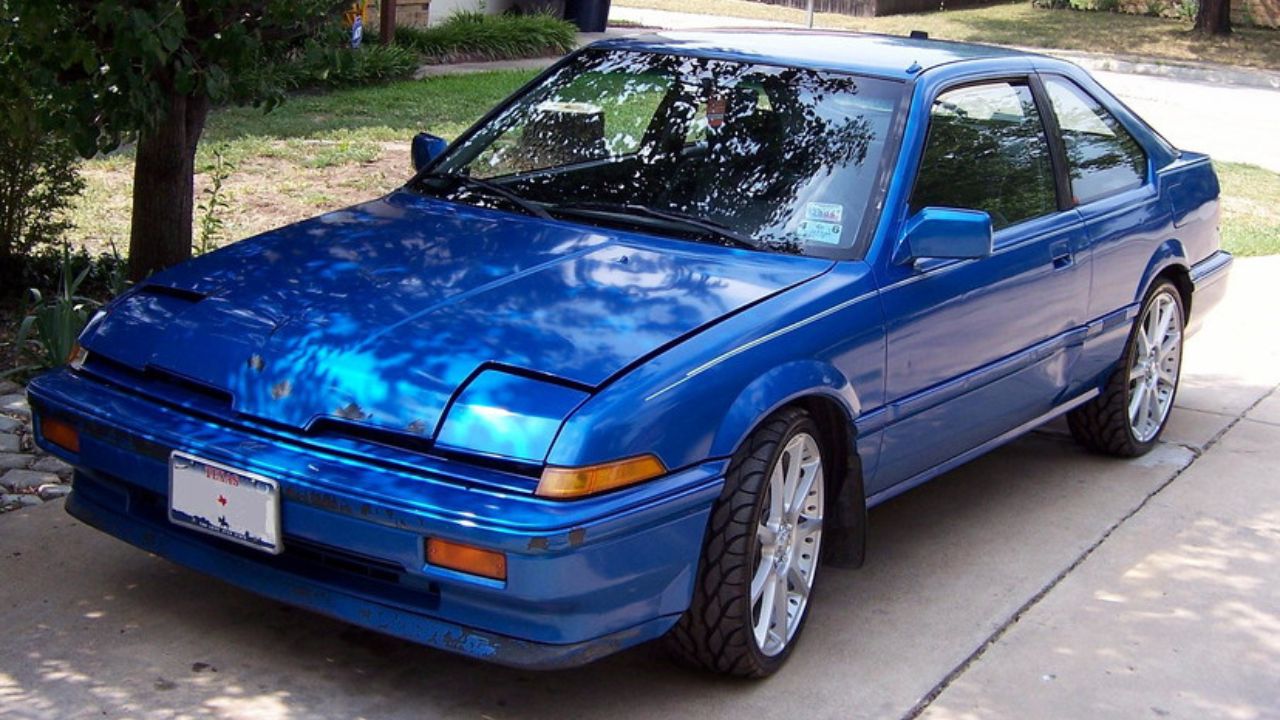
At launch, Acura offered two models, the Legend and Integra, positioned to compete with established European premium marques.
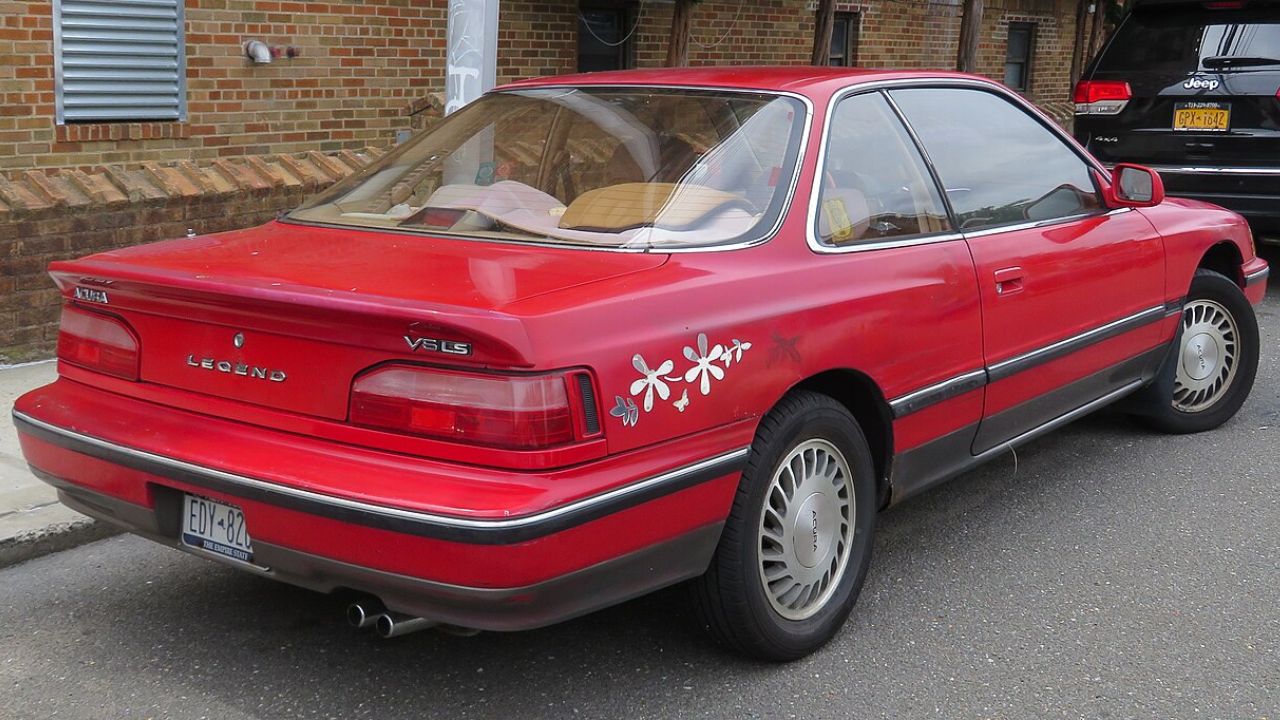
More importantly, it debuted with a standalone retail network across the United States. That signaled a serious long-term commitment to the luxury segment.
Defining “First” in Context
So, this is where Acura’s “first” claim holds firm. It was the first Japanese luxury marque established specifically for export markets, particularly North America, and the first to formalize the now-familiar “premium sub-brand” strategy.
That means Acura introduced the “premium sub‑brand” strategy that Toyota (Lexus, 1989) and Nissan (Infiniti, 1989) would follow a few years later.
Hyundai’s Genesis didn’t arrive until 2015, and Lincoln, while older as a brand (founded in 1917 and acquired by Ford in 1922), wasn’t created as a sub‑brand in the same way — it was a standalone luxury marque from the beginning.
However, the nuance lies in how one defines “luxury.” Prior to 1986, Japanese automakers were already building premium vehicles. Toyota’s Crown and Century, and Nissan’s Cedric and Gloria, were well-established upscale models in Japan.
These cars offered high levels of comfort, technology, and prestige within their domestic context. What they lacked was a distinct global luxury identity and a separate brand architecture.
Acura’s innovation, therefore, was not inventing Japanese luxury cars but repackaging them into a cohesive, export-focused luxury brand ecosystem. This distinction explains why Acura’s arrival had such an outsized impact on the industry.
Industry Impact and Legacy
The competitive response underscores this point. Toyota and Nissan quickly followed with their own luxury divisions, Lexus and Infiniti, both launching in 1989. These brands were not coincidental developments. They were direct responses to Acura’s early success and validation of the luxury sub-brand strategy.
From a historical standpoint, Acura’s first-mover advantage is well documented. It entered the market three years ahead of its closest Japanese rivals and helped redefine consumer perception of Japanese vehicles.
Before Acura, Japanese cars in the United States were largely associated with affordability and reliability. After Acura, they could credibly compete on luxury, performance, and technology.
Still, calling Acura the “first Japanese luxury car brand” without qualification can be slightly misleading. A more precise statement would be that Acura was the first Japanese luxury brand in the modern sense, meaning a standalone marque designed to compete globally with European premium manufacturers.
Celebrating 40 Years on the Track
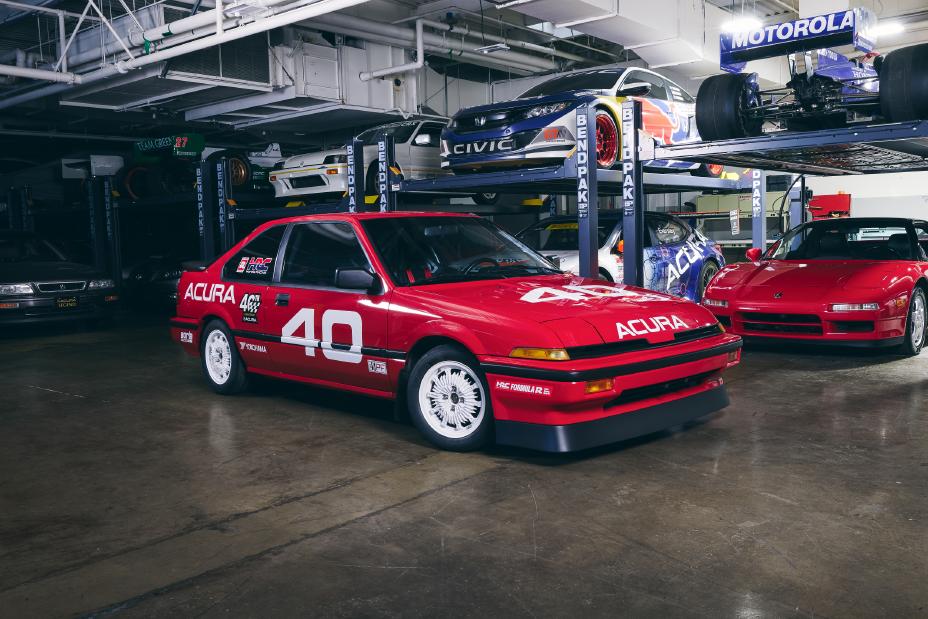
To celebrate this milestone, Acura says it is returning to its hometown race with the Acura Integra 40 Racer, a heritage-inspired build that pays homage to Acura’s very first race car, the Comptech Integra No. 48. That car dominated the IMSA International Sedan Series Manufacturers’ and Drivers’ Championships from 1987 to 1990.
Created by Honda Racing Corporation US (HRC US), this tribute car will debut at the 51st Acura Grand Prix of Long Beach, tying Acura’s racing legacy to its 40th anniversary celebrations.
Mechanically, the car retains the spirit of the original first‑generation Integra but has been carefully modernized. The powertrain features a rebuilt D16A1 engine paired with a 5‑speed manual, enhanced by a Monsoon ECU, coil‑on‑plug ignition, stainless 4‑2‑1 header, and a custom Borla exhaust.
A Torsen‑type limited‑slip differential ensures sharper handling. Suspension upgrades include Tein coilovers, an adjustable panhard bar, and a manual steering rack, while braking is improved with a manual conversion, Carbotech pads, stainless braided lines, and lightweight Mugen wheels wrapped in Yokohama ADVAN semi‑slick tires.
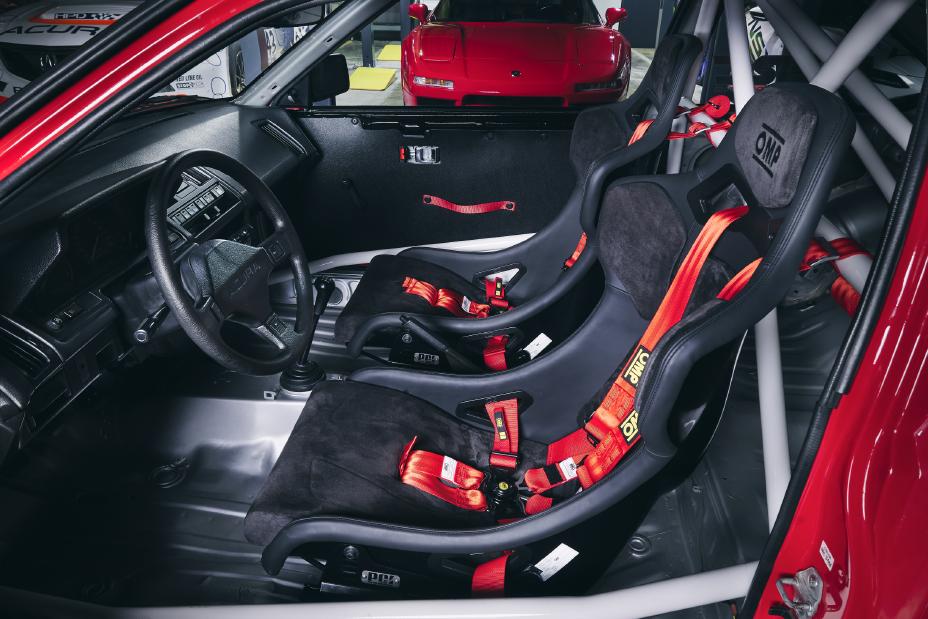
The interior, finished in Rio Red Metallic with a Quartz Silver, is stripped down with a custom roll cage, OMP racing seats, and six‑point harnesses. Interior. It is rebuilt to celebrate Acura’s racing DNA while showcasing its enduring commitment to precision‑crafted performance.
Ultimately, Acura’s claim is substantially accurate but context dependent. It was not the first Japanese company to build luxury cars, but it was the first to establish a dedicated luxury brand for international markets, pioneering a strategy that reshaped the global automotive landscape.
That distinction isn’t trivial, considering it differentiates building premium products and creating a premium brand.
Sources: Acura