If the biggest barrier keeping you from owning an electric vehicle has been price, the next few years could create a rare opportunity.
The U.S. market is entering a period in which thousands of leased EVs are beginning to return at roughly the same time, setting the stage for a strong buyer’s market in a segment that was recently out of reach for many mainstream consumers.
The reason behind this shift goes back to policy changes introduced in 2022, when the U.S. government passed the Inflation Reduction Act, reshaping incentives for electric vehicles.
The law encouraged domestic production and favored buyers who purchased or financed vehicles under qualifying rules, which helped reduce effective pricing on many new EVs. The downstream effect was immediate pressure on used EV values, but the real turning point came through leasing.
Leasing Created The Perfect Conditions
Leased vehicles were treated differently under federal rules. Because leased EVs could be classified as commercial sales, manufacturers were able to apply incentives without strict sourcing requirements tied to battery components or North American assembly. Automakers leaned into this advantage aggressively.
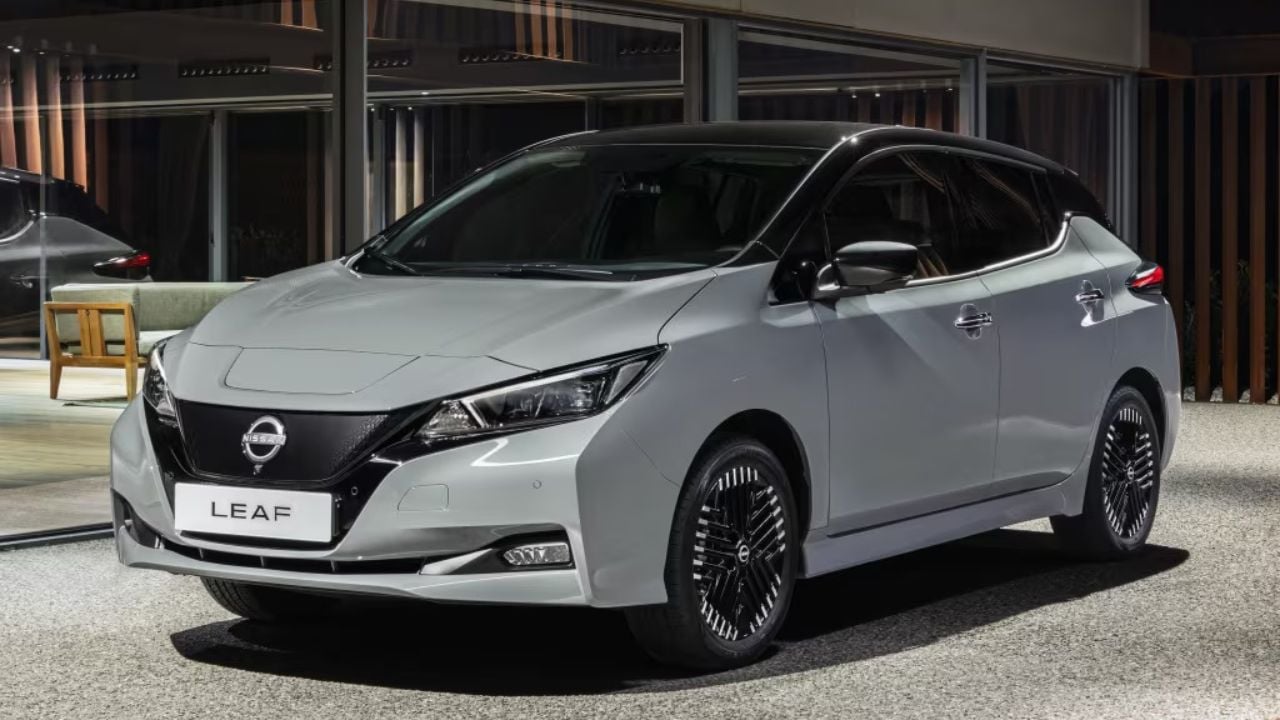
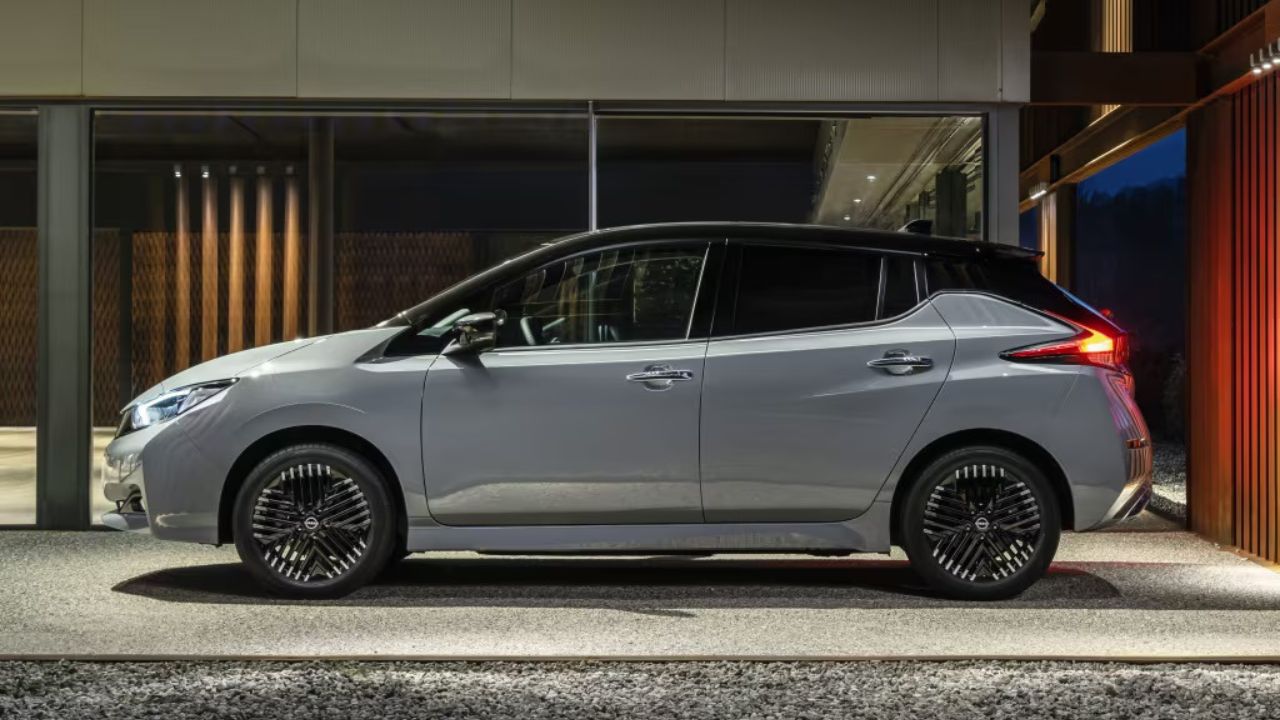
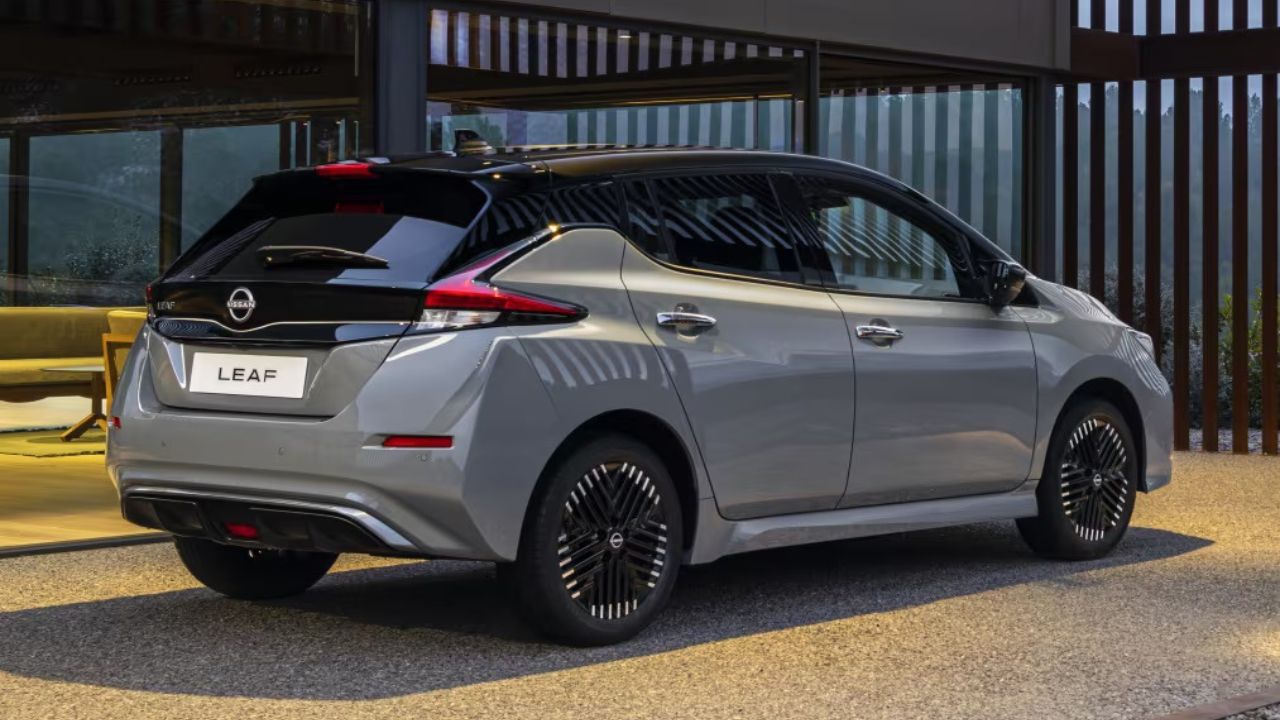
In states with additional local incentives, especially places like California and Colorado, lease deals became unusually attractive. Entry-level EVs such as the Nissan Leaf were available for extremely low monthly payments, while vehicles like the Fiat 500e occasionally appeared with little or no upfront cost. These deals pushed leasing volumes sharply higher during 2022 and 2023.
Most lease agreements run between 24 and 36 months, which means the first major wave of returns began appearing in late 2024. Over the next 12 to 24 months, that trend is expected to accelerate, with the largest concentration of vehicles likely arriving closer to 2027 and 2028, when the biggest group of three-year lease contracts reaches maturity.
Supply Pressure Means Lower Prices
The economics behind what happens next are straightforward. A large increase in available inventory in a short period of time pushes prices down. Electric vehicles have already experienced faster depreciation than many traditional gasoline models, partly because buyers are worried about long-term battery health and replacement costs.
Real-world experience, however, has started to change that perception. Modern EV battery packs are proving more durable than many early concerns suggested. Aside from a few first-generation examples, most batteries retain a high percentage of their original performance after years of use, which helps improve confidence in the used market.
As more consumers realize that battery replacement is rarely a routine maintenance issue, the used EV market could gradually stabilize after this initial wave of price corrections.
Why This Matters For American Buyers
The timing is important. Average prices for new vehicles in the United States now exceed $50,000, putting new cars out of reach for many households. A growing supply of lightly used EVs with relatively low mileage could create an appealing alternative for buyers who want modern technology and lower operating costs without paying new car prices.
For shoppers who mainly drive in urban or suburban environments, these returning lease vehicles may offer the best value proposition the EV market has seen so far. Many will still have factory battery warranties, updated software, and modern driver assistance features, but at a fraction of their original sticker price.
A Market Shift That Could Accelerate EV Adoption
Ironically, this situation is less about technology and more about timing. Policy decisions, tax incentives, and leasing strategies combined to create a large pool of electric vehicles that are now entering the secondhand market all at once.
For buyers who have been waiting for EV prices to become realistic, the upcoming surge in inventory could be the moment when electric mobility finally becomes accessible to a broader audience. Instead of early adopters driving the market, the next phase may be defined by everyday consumers who simply see a good deal and decide the time is finally right.
This article originally appeared on Autorepublika.com and has been republished with permission by Guessing Headlights. AI-assisted translation was used, followed by human editing and review.