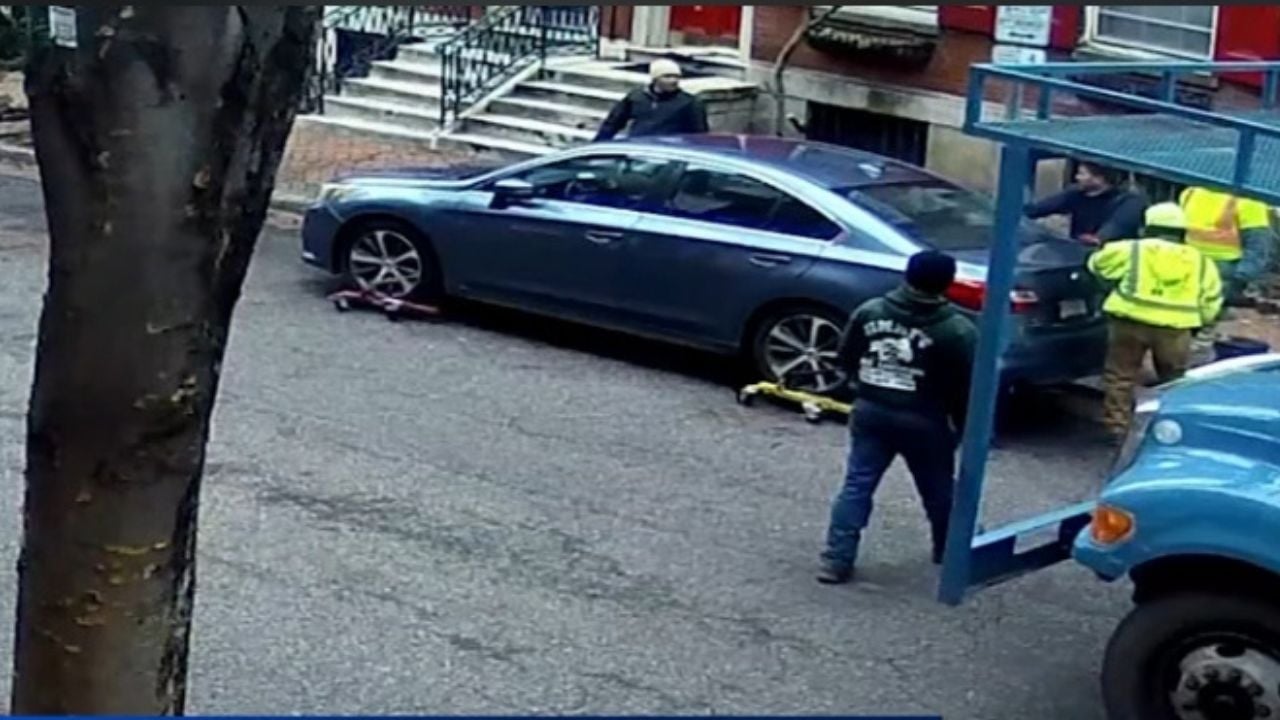

On what should have been an ordinary day in Philadelphia’s Center City, a parked car became the center of a frustrating and confusing chain of events that left its owners searching for answers.
Annie Taylor and her husband had done what many city residents do every day. They parked their car along Clinton Street; a spot they had used many times before without issue. There was nothing unusual about the scene when they left it. No obvious warning signs. No indication that anything was about to go wrong.
But by the next day, their car had vanished.
“The car was gone. Just missing,” Taylor recalled. For anyone living in a busy urban area, that moment of realization hits hard. Was it stolen? Towed? Or something else entirely?
An AirTag, an Impound Lot, and a Confusing Explanation
Determined to find out, the couple turned to a small piece of technology that would prove crucial.
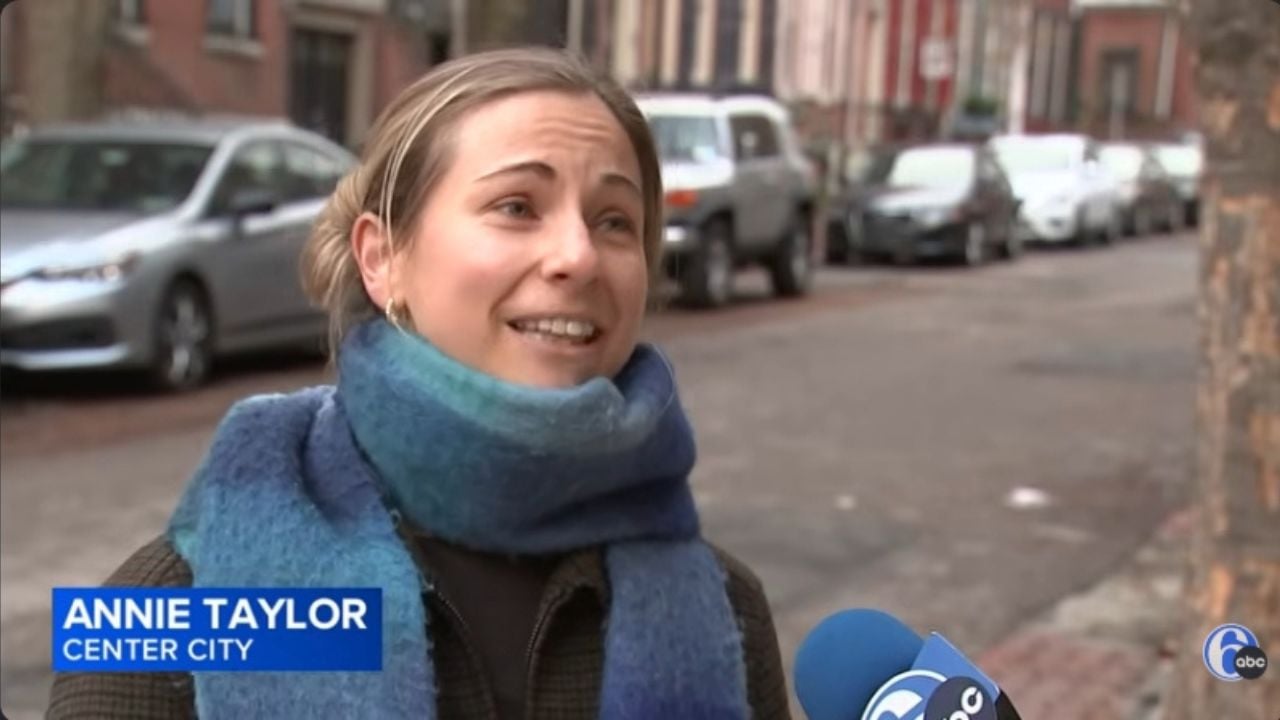
They had placed an AirTag tracker inside the vehicle, a precaution inspired by stories they had heard about cars being moved or towed in the city. That decision quickly paid off. The tracker led them straight to an impound lot.
At the lot, they finally found their car. But their relief was soon replaced by confusion. Officials told them the car had been towed because it was parked illegally on the 1000 block of Clinton Street. That explanation did not add up.
“They showed him a photo,” Taylor said, referring to her husband. “And his car was parked on the wrong side of the street, which made no sense because we did not move it.”
That detail became the key to unraveling the mystery.
Over the next two weeks, the couple essentially became investigators, piecing together what had happened through phone calls, conversations, and neighborhood surveillance footage. What they discovered was unexpected.
The Tree Service, the Dollies, and the No Parking Zone
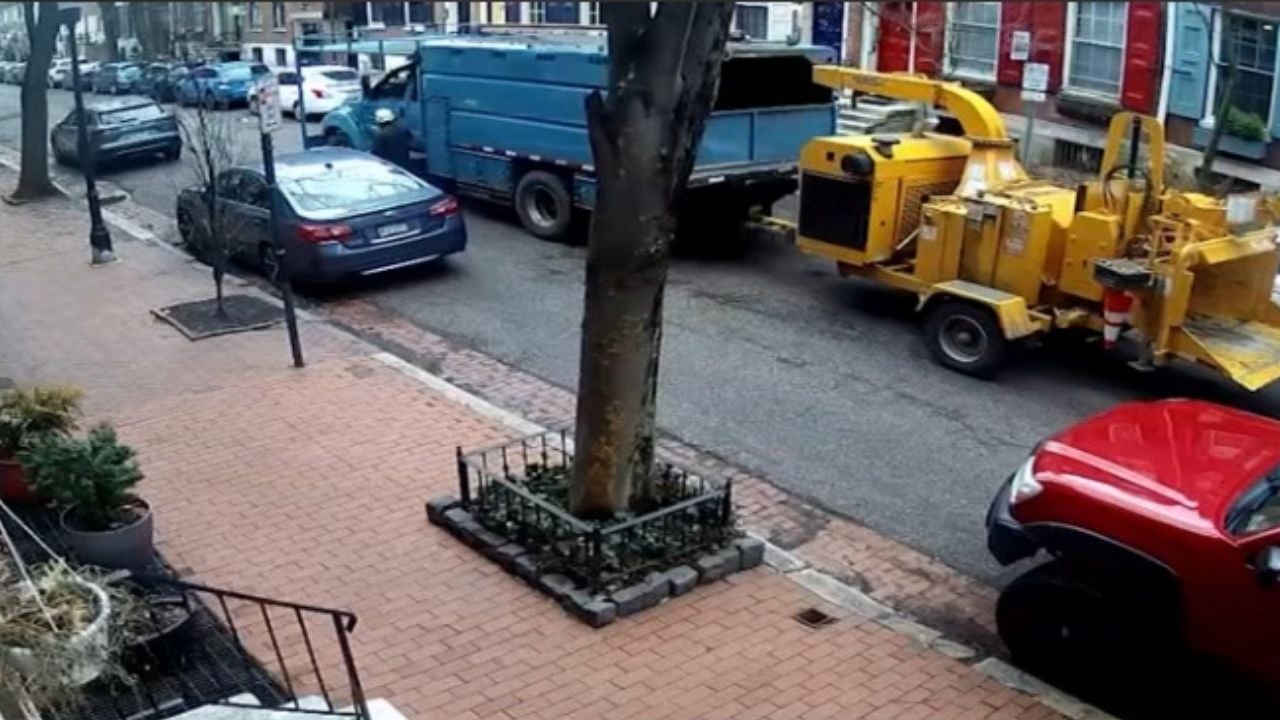
The day before the car was towed, a tree service company had been working on Clinton Street. The crew needed space to carry out their work, and instead of calling the Philadelphia Parking Authority to relocate vehicles, they used dollies to manually move Taylor’s car.
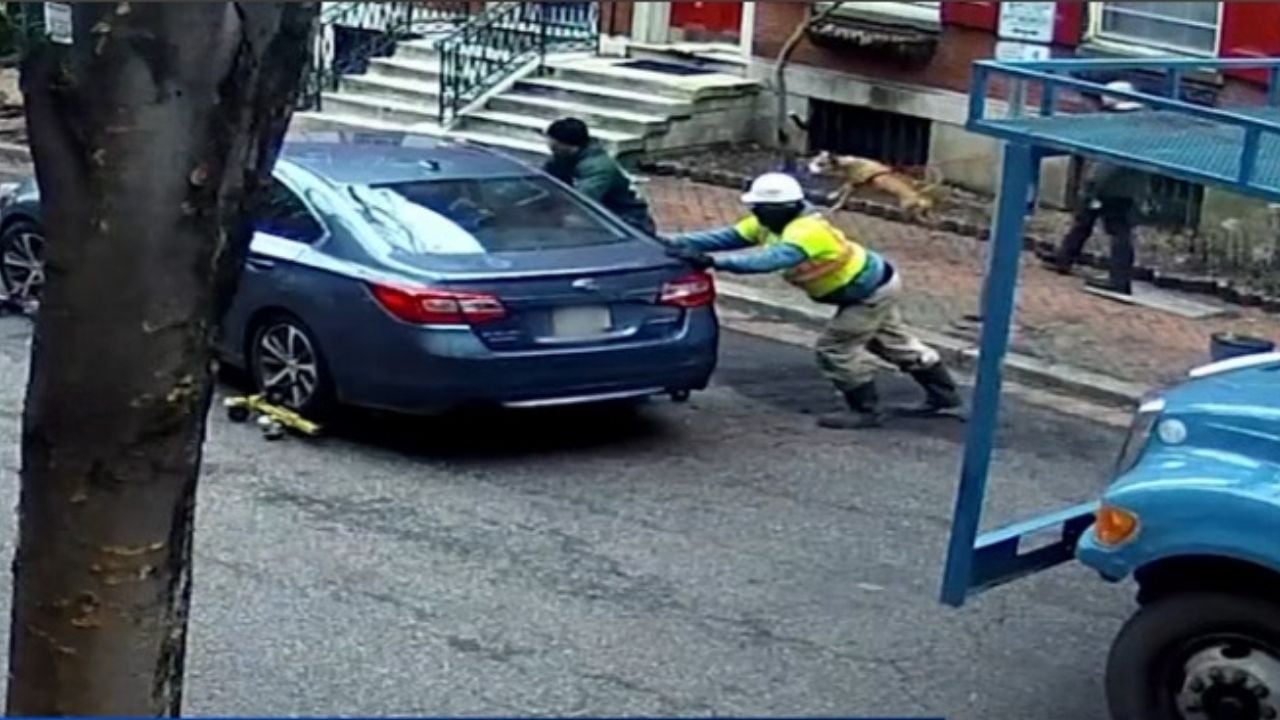
Footage from a nearby camera showed workers pushing the car across the street. The problem was not just that the car had been moved. It was where it had been placed. The crew left it in a clearly marked no parking zone.
That decision set off the chain reaction that culminated in the car’s voyage to the impound lot. With the car now sitting illegally, parking enforcement later towed it away, completely unaware that the owners had not parked it there themselves.
The company later acknowledged that this kind of “courtesy move” is something they sometimes do to save time. In this case, it backfired.
There was also disagreement about whether proper warnings had been given.
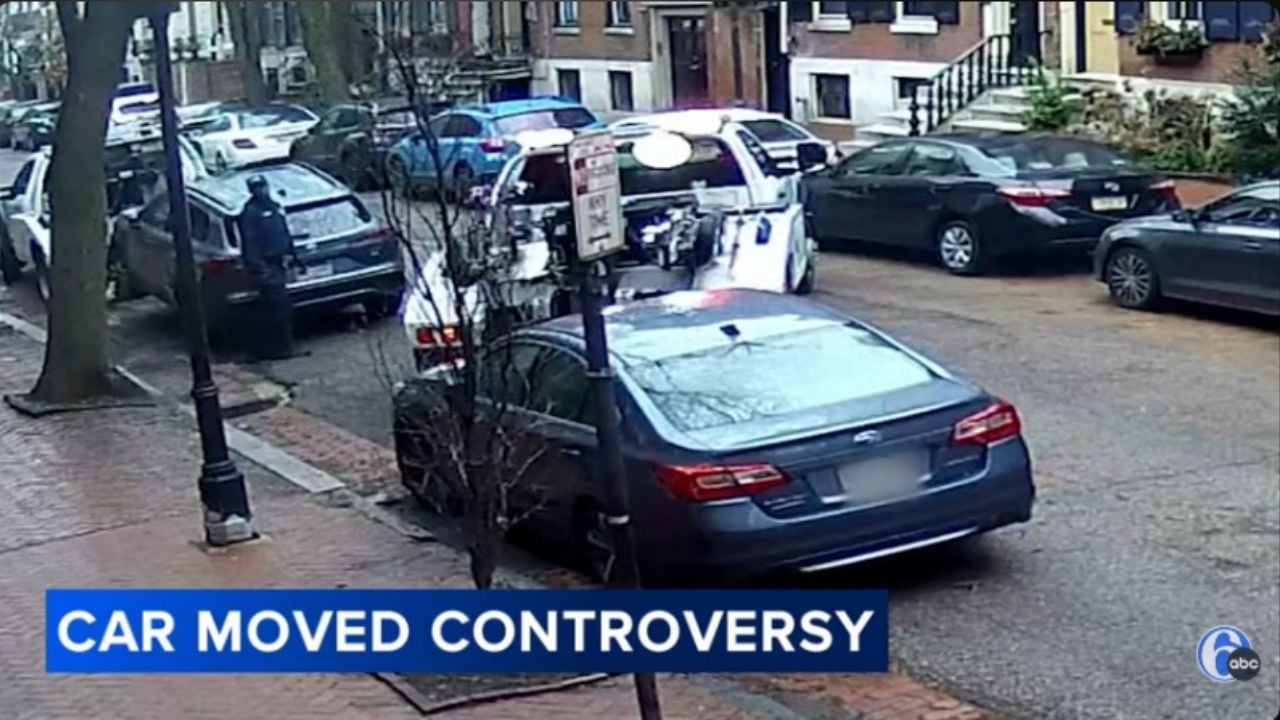
The company said temporary no parking signs had been posted in advance, as required. Taylor and her husband insisted they saw no such signs when they checked the area the day before the work.
Despite the confusion, the tree company took some responsibility. They agreed to cover the $175 impound fee, a gesture Taylor appreciated.
“All things considered, the company was actually the most helpful,” she said, adding that she did not plan to pursue further action against them.
The Damage, the Claim, and the Lesson
However, the unfortunate drama did not end there. When the couple finally examined their car, they discovered damage.
A plastic panel underneath the vehicle had been torn loose and was dragging on the ground. While it was unclear exactly when or how the damage occurred, whether during the move or the towing process, it seemed far more plausible that the damage happened during the towing to impound.
Now, the couple plans to file a claim with the Philadelphia Parking Authority to address the damage.
Their experience highlights a larger issue with the city’s courtesy towing practices. A recent federal lawsuit settlement could soon bring changes, including a requirement for contractors to place visible stickers on vehicles that have been moved into temporary illegal spots. The goal is to prevent situations exactly like this one.
For Taylor and her husband, the ordeal is over, but the lesson lingers. In a city where cars can be moved without notice, even doing everything right does not always guarantee peace of mind.