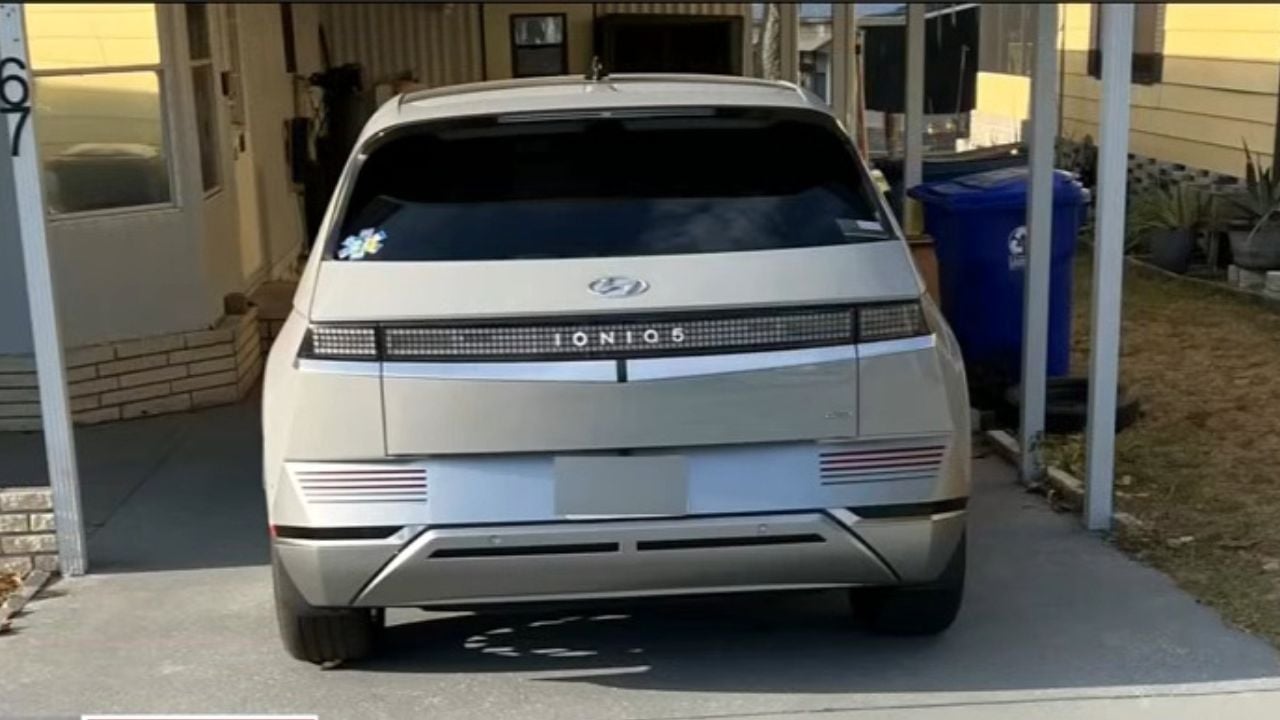

A spilled bottle of water has turned into a $12,000 headache for the owner of a nearly new Hyundai IONIQ 5. The story inspired serious questions about modern auto design and how insurance companies handle high tech repair claims.
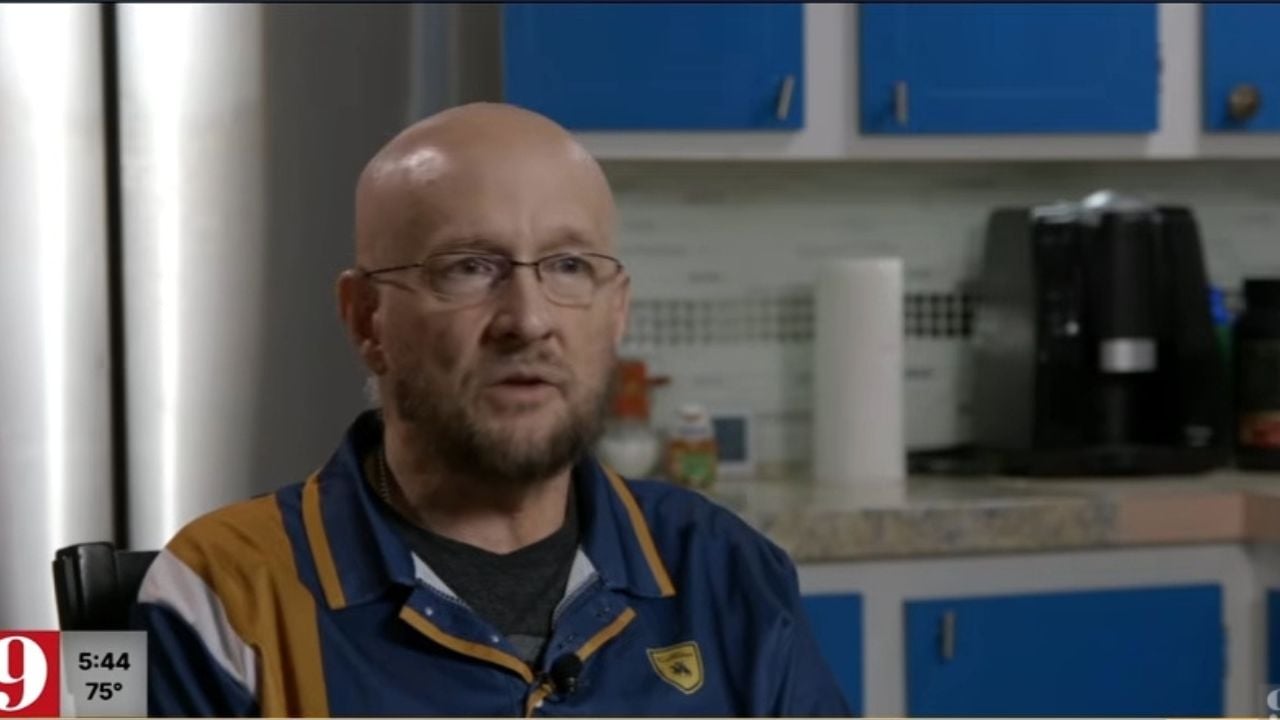
Mike McCormack thought he was doing everything right. His 2023 IONIQ 5, an electric crossover praised for its sharp styling and instant torque, had been a joy to own. But in October, while driving along Interstate 4 between Orlando and Lakeland, traffic slowed. He hit the brakes. In the back seat sat a 20-ounce water bottle. It tipped over and spilled.
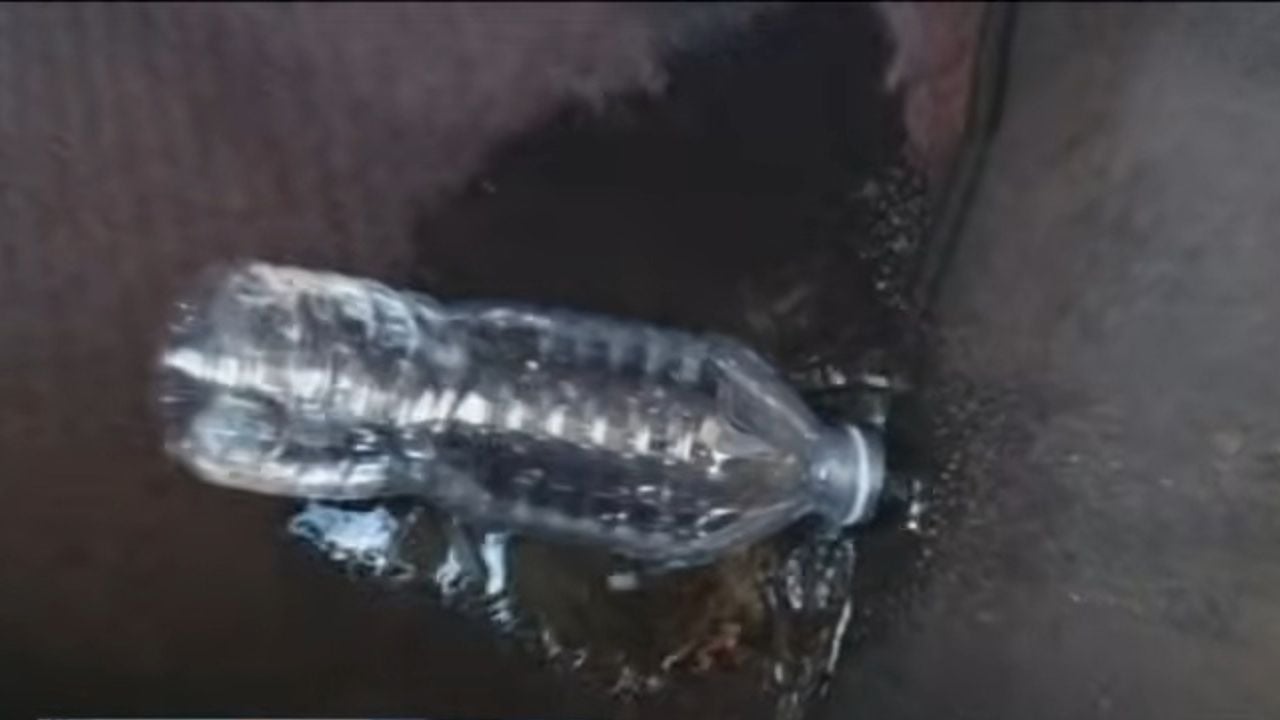
What happened next stunned him.
Within minutes, he says moisture seeped down toward the floor. Warning lights began flashing across the dash. By the time he reached home, the situation had escalated. The turn signals were not functioning properly. Even worse, the vehicle would not shut off.
A $12,000 Repair Bill—And Hyundai Says It’s Not Their Problem
At his local Hyundai dealership, technicians diagnosed the issue as water intrusion that damaged two wiring harnesses located beneath the floor and driver’s seat.
According to the service team, the spill, or possibly even damp clothing combined with sand on the floorboards, could have triggered the failure.
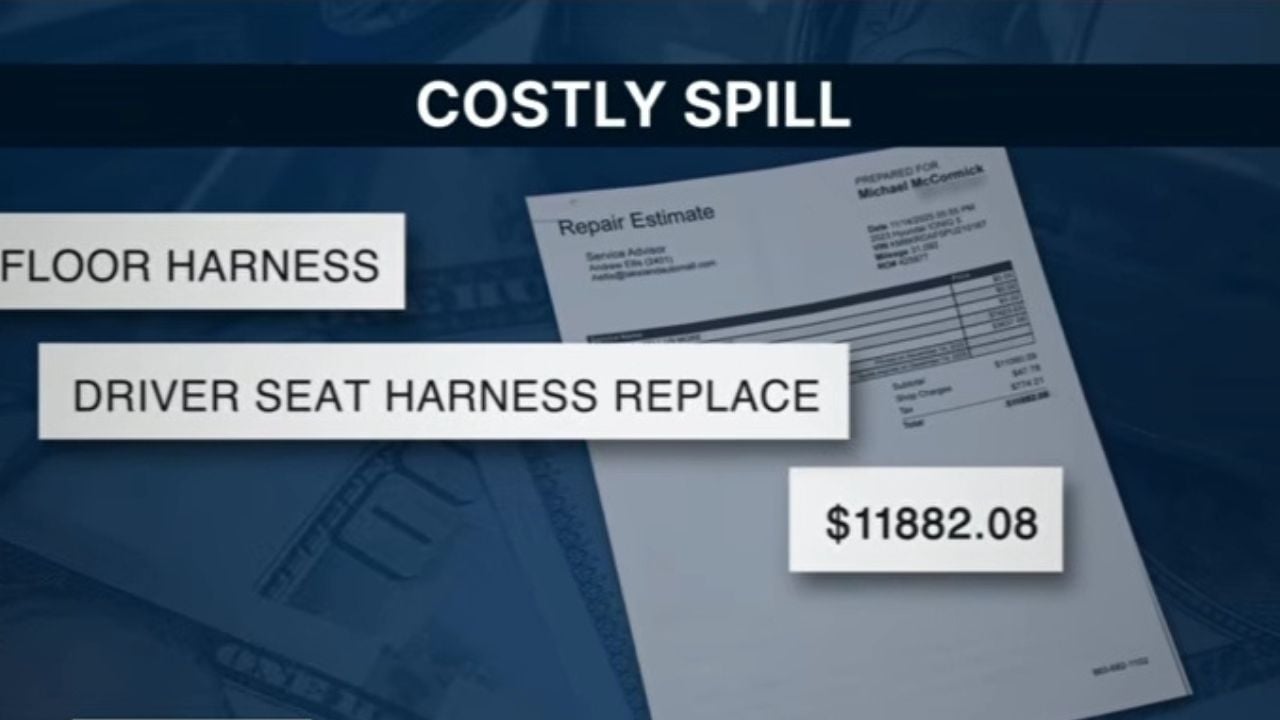
The fix was not minor. Both the floor harness and driver’s seat harness would need replacement.
The estimate came back at $11,882. Hyundai declined to cover the repair under warranty, determining the damage was not due to a factory defect. Instead, it was classified as external influence.
Suddenly, a routine drive had turned into a five-figure repair bill.
McCormack turned to his insurer, State Farm, expecting comprehensive coverage to handle the loss. Initially, his claim was denied. But the case gained widespread attention after local television station WFTV Channel 9 reported the story through its Action 9 consumer investigation team.
We further amplified the story last December.
Insurance Reverses Course—Then Offers a Fraction of the Cost
Then came what seemed like good news. In December, State Farm sent McCormack a letter stating it had adjusted its position and would cover the loss. He believed the ordeal was finally over.
But relief quickly gave way to frustration.
Instead of agreeing to pay for full replacement of the two wiring harnesses as specified by Hyundai, the insurer proposed an alternative. Paperwork showed State Farm wanted repairs done using an aftermarket wiring repair kit priced at $838.88, a fraction of the nearly $12,000 dealer estimate.
The insurers’ offer looks like a solution as long as it works and the repair is durable. In practice, it proved far more complicated.
No Dealer Will Touch the $838 Fix—And Hyundai Warns of Fire Risk
McCormack says he contacted three separate Hyundai dealerships about performing the repair using the suggested kit. All declined.
According to him, one service representative indicated that only an independent mechanic might be willing to attempt such a fix.
Hyundai’s corporate office added another layer of concern. In a text message shared by McCormack, the automaker warned that cutting into the wiring harness could potentially create a fire hazard.

For a modern EV loaded with advanced electronics and safety systems, that warning carried serious weight.
Faced with a car that had been effectively bricked for three months, McCormack made a difficult decision. He paid nearly $4,000 out of pocket to replace one of the damaged harnesses. That repair restored basic functionality and got the vehicle back on the road. He believes State Farm should at least reimburse him for that expense.
A Cautionary Tale for the Electric Era
There is a broader issue to this story that underlines the growing complexity of modern cars. Today’s electric crossovers like the IONIQ 5 rely on intricate wiring networks that integrate power delivery, driver assistance features, and safety systems.
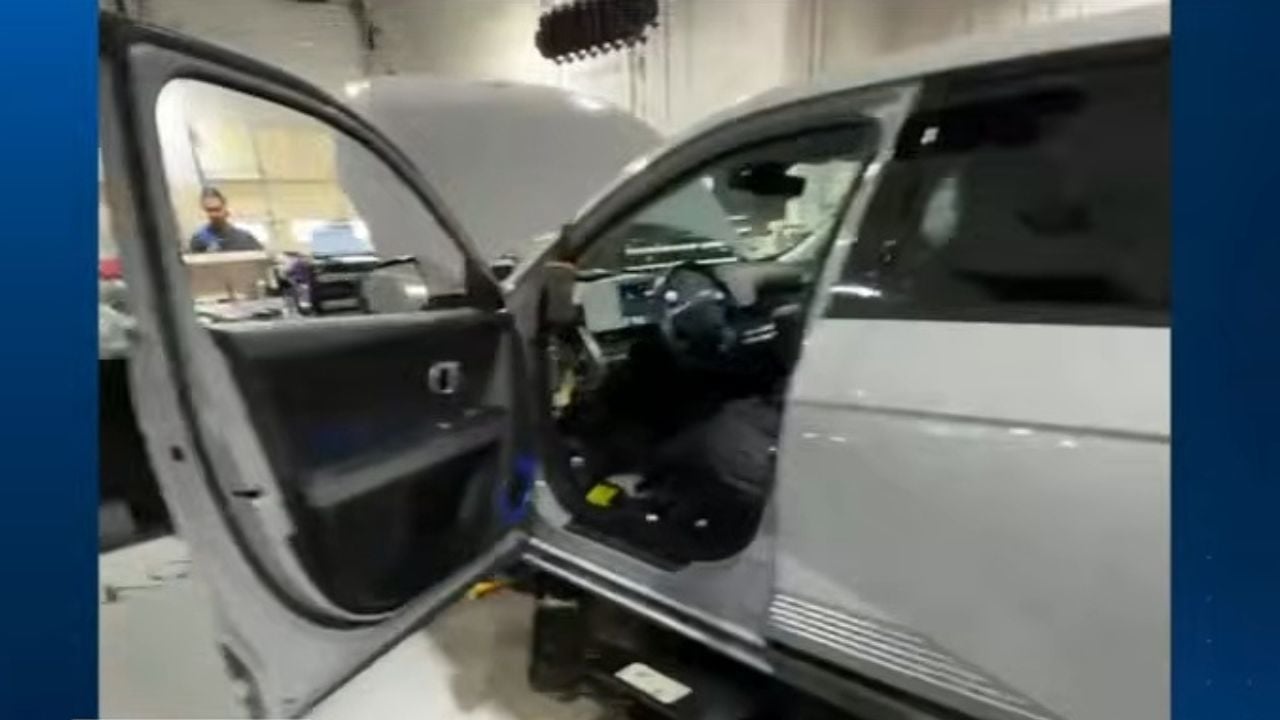
A simple spill that might once have required drying out carpet can now disable critical electronics.
When asked why an aftermarket repair kit was deemed sufficient, State Farm cited customer privacy policies and declined to discuss specific claim details. The company stated it works to provide customers every benefit available under their policy and welcomes new information.
For McCormack, the experience has been exhausting. The harsh reality of an everyday mishap turning into months without his vehicle, a dispute over repair standards, and thousands of dollars in unexpected costs are painful lessons on car ownership in the electric era.
Moral of the story? Think twice before bringing drinks in your EV. This story shows how a small spill can lead to big consequences, and the path to getting coverage may not be as straightforward as drivers expect. Both the automaker and the insurer were unwilling to help.