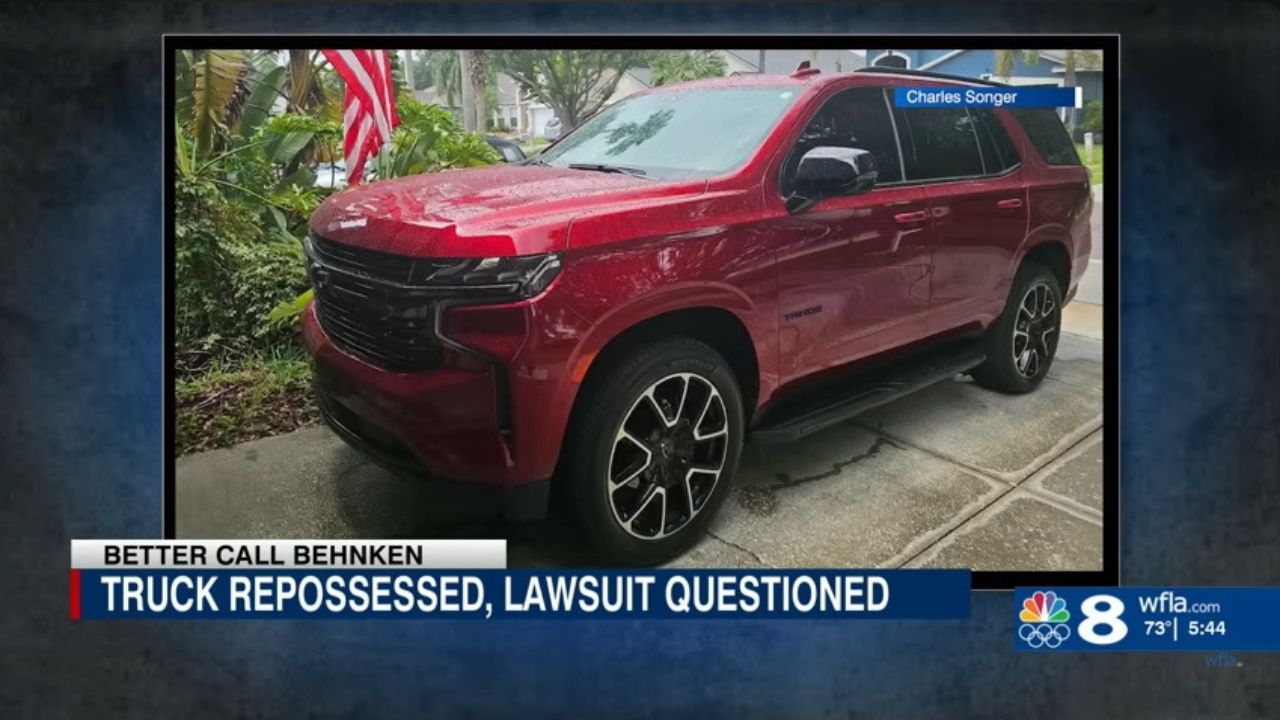

A Florida man’s nearly new SUV vanished from his driveway without warning. What followed was a legal nightmare that reads more like a courtroom thriller than a typical repossession drama.
In November, Charles Sonner of Riverview walked outside after his wife told him something was wrong. Their red 2021 Chevrolet Tahoe was gone. At first, he thought it had to be a mistake.
He had never missed a payment. There were no warning letters, no calls from his lender, no indication that anything was wrong.
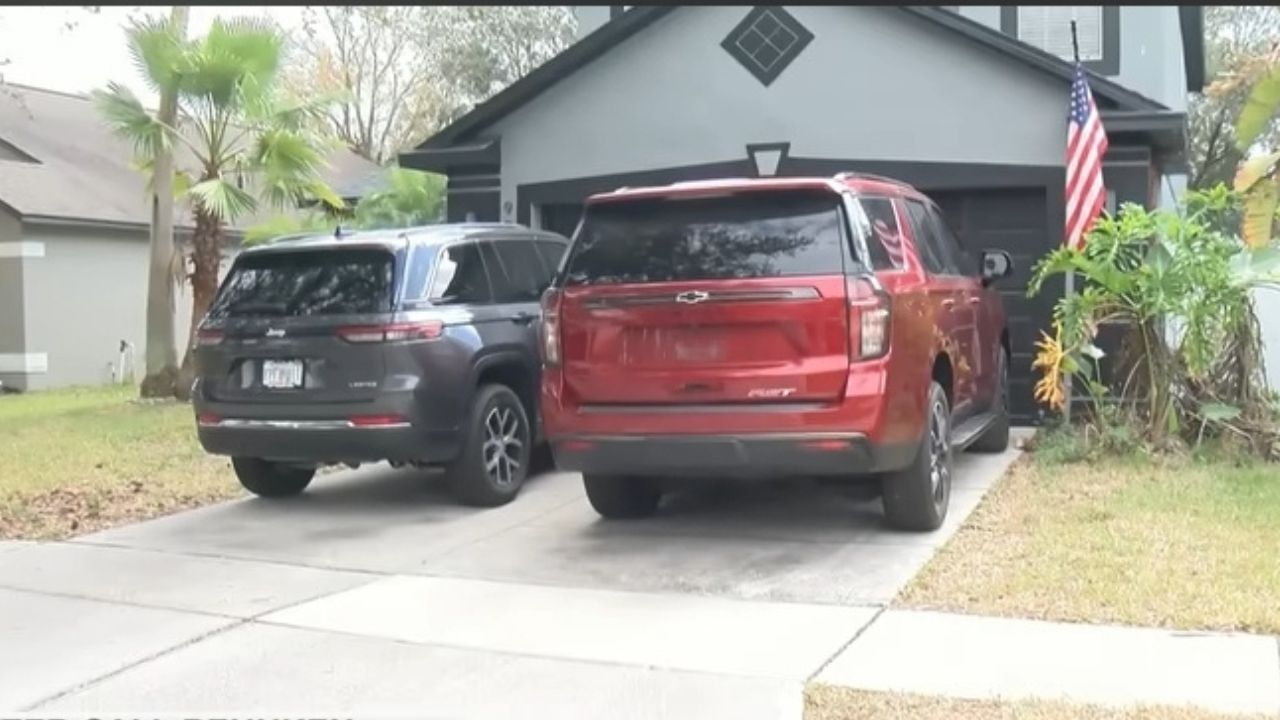
But a shocking fact slowly dawned on him after several calls to relevant offices. The SUV had not been repossessed by his lender. It had, in fact, been seized under a court order tied to a landlord-tenant lawsuit filed more than a decade earlier.
A 14-Year-Old Lawsuit Comes Back to Haunt Him
According to court records, a judge had granted a writ of seizure connected to a 2012 case in Tallahassee.
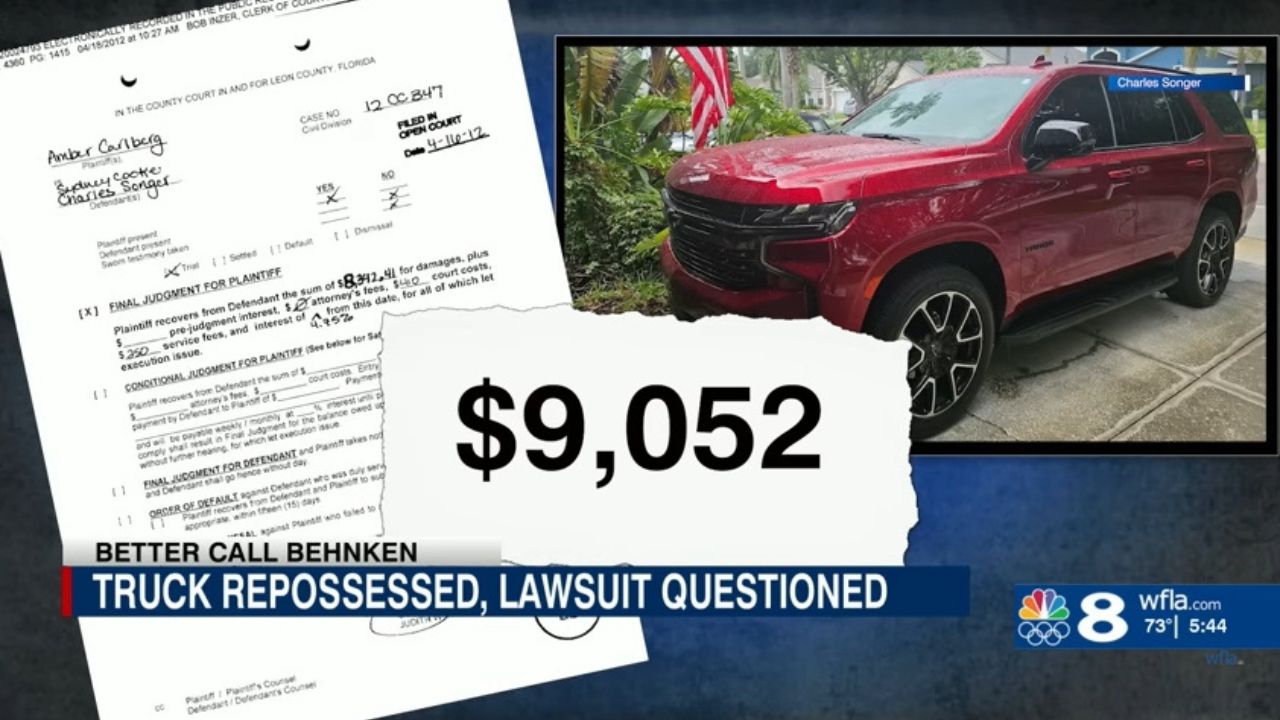
The lawsuit claimed unpaid rent totaling $9,052, allegedly owed between June 2011 and January 2012. That judgment had recently been revived, and Sonner’s Tahoe was taken to satisfy it.
There was just one major problem. Sonner says he never knew the lawsuit existed.
His attorney points to court documents showing no proper service of process in 2012. In simple terms, Sonner was never formally notified that he had been sued. Without service, he had no opportunity to appear in court or defend himself. Due process, his attorney argues, was completely bypassed.
Twists and Turns
Digging deeper only raised more shockers.
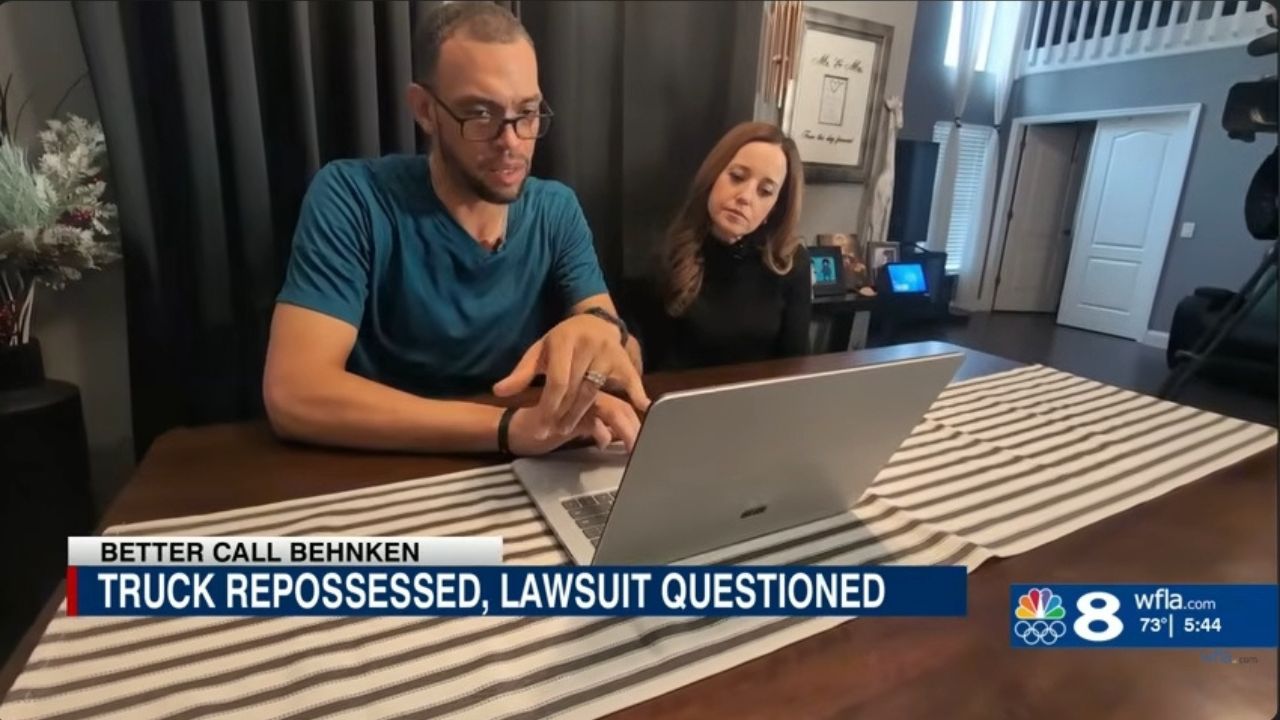
The lease attached to the original lawsuit reportedly covered a term from February 2010 to February 2011. Yet the alleged unpaid rent spanned months after that lease expired. Sonner also maintains that he did not even live at the apartment during the period in question.
Still, the case was reopened in November 2025. A judge approved the seizure, and the Tahoe was towed away from his driveway.
The story took an even more stunning turn when consumer investigator Shannon Behnken began asking questions. The plaintiff listed in the case, Amber Carlberg, had died in 2021 due to complications from COVID, according to her family. Yet her name remained on the revived lawsuit.
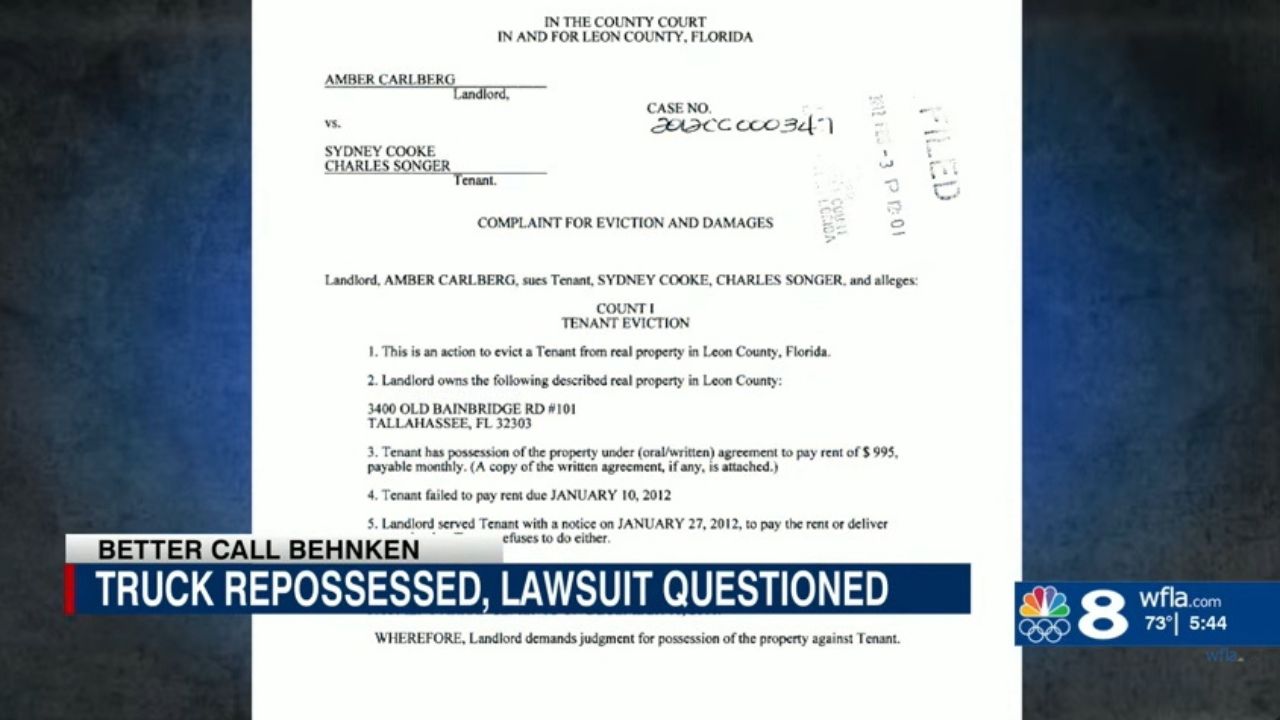
Legal experts note that an attorney cannot represent a deceased person unless an estate has been formally opened and substituted into the case. In this instance, the lawsuit was not filed in the name of an estate.
Carlberg’s parents reportedly expressed confusion and frustration, questioning how their late daughter could still be listed as a plaintiff and where any proceeds from the seized vehicle would even go.
The attorney representing the plaintiff declined to answer questions publicly. However, Sonner’s attorney later confirmed that she agreed there had been a lack of service in the original case and consented to return the vehicle.
After nearly three months without his SUV, Sonner finally saw the Tahoe returned to his driveway. But the relief was short lived.
Vehicle Returned, But New Nightmare Begins
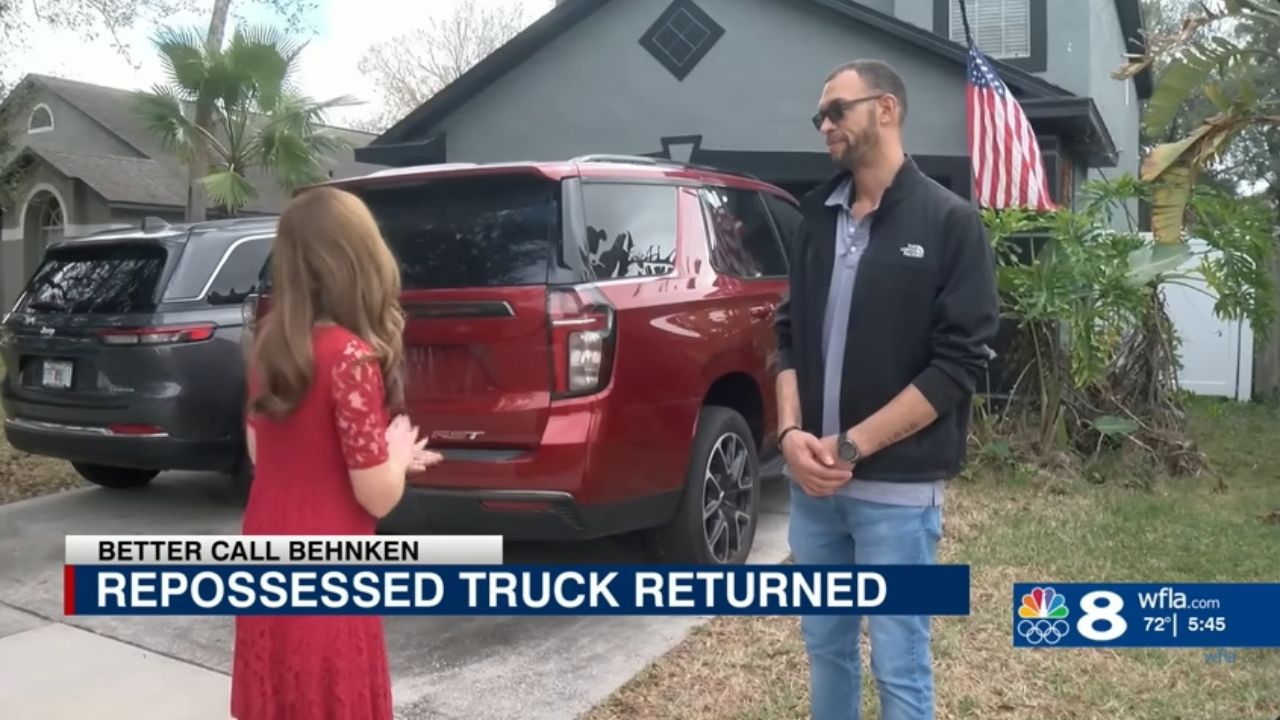
The vehicle was in far worse condition than when it was taken. The exterior showed heavy scratches. A tire was flat.
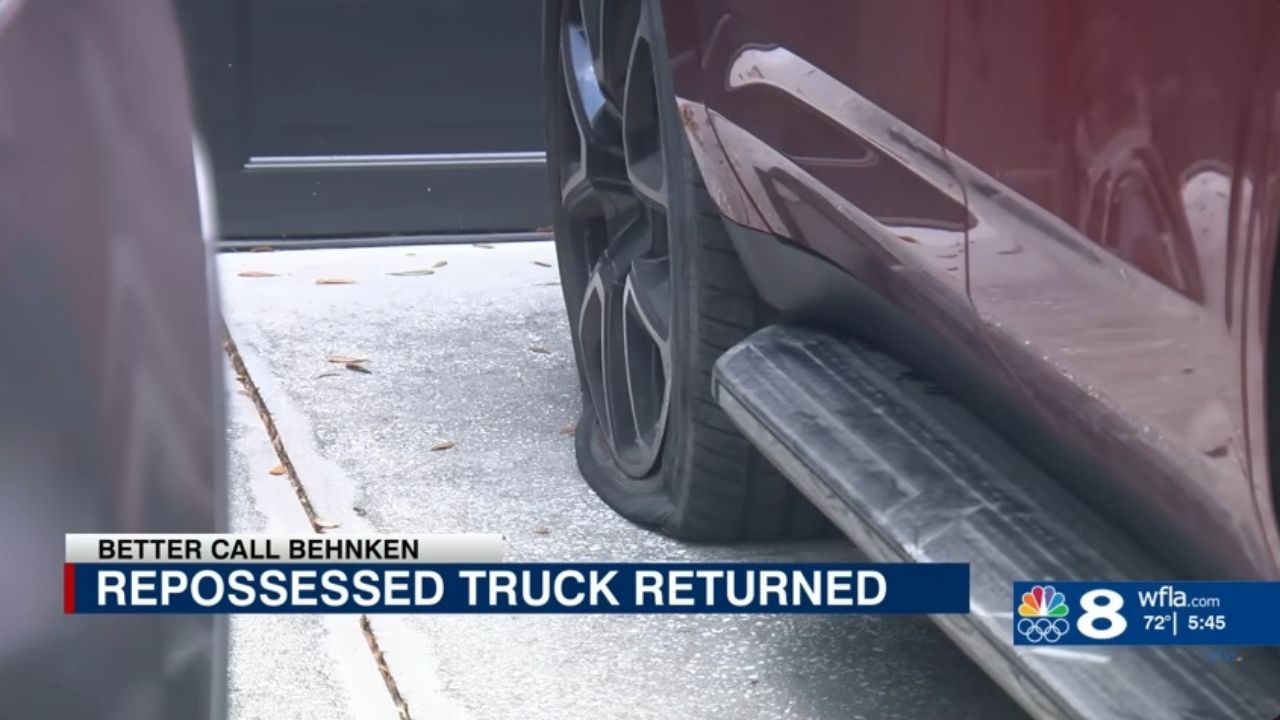
The tag was missing. Inside, personal belongings had disappeared, including a laptop computer, a wallet, credit cards, and even his Social Security card.
Now Sonner faces a new set of worries. Identity theft is a real concern.
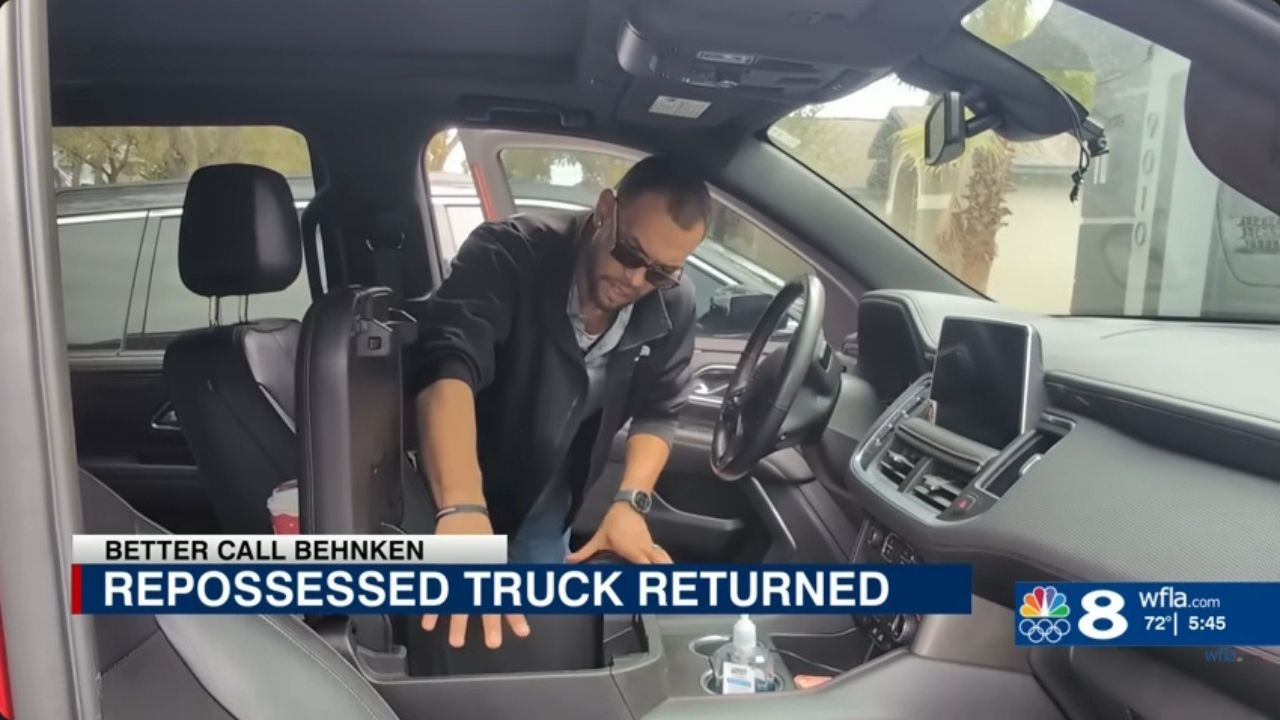
He has filed an insurance claim and is demanding answers about what happened to his property while it was in storage. He believes the opposing side should pay to repair the damage and replace what was lost, and he is prepared to return to court if necessary.
Meanwhile, his attorney has filed a motion to vacate the original 2012 judgment entirely. That motion has not yet been heard. The Tahoe’s return happened because the plaintiff’s attorney agreed to relinquish it, not because a judge ordered it.
At its core, this case invites broad conversations for clarity about how dormant judgments can be revived, how critical service of process truly is, and how a deceased plaintiff’s name could remain attached to an active enforcement action.
For Sonner, the fight is not over. He has his Tahoe back. But clearing his name, repairing his vehicle, and untangling a fourteen-year-old legal mess may take far longer than anyone expected.