

If you’ve been thinking about buying a used Tesla, brace yourself for some eyebrow-raising headlines. A major new reliability study put Tesla at the very bottom of the pack — dead last among 26 automotive brands. But before you start picturing a fleet of lemon electric cars, there’s an important twist that even the study’s own authors point out.
According to the latest Consumer Reports analysis, Tesla scored just 31 out of 100 on reliability for vehicles that are five to ten years old — slotting it below brands like Chrysler, Ram, and Jeep, which have long reputations for mechanical issues. In other words, in the eyes of this particular survey of owners, older Teslas are the least dependable cars you could pick up on the used market.
Consumer Reports 2025 Used Car Reliability Study Highlights
-
Tesla ranked 26th out of 26 brands for used car reliability, with a score of 31/100.
-
The study focused on 5–10-year-old vehicles (model years 2014–2019), based on surveys of Consumer Reports members.
-
Tesla’s reliability issues were most often linked to suspension, electronics, and build quality problems.
-
Other brands near the bottom included Jeep, Ram, and Chrysler, while the top performers were Toyota, Lexus, and Mazda.
-
Older models (2014–2019) are the ones most affected by reliability concerns.
-
Newer Teslas show signs of improvement, but they weren’t part of this long-term reliability study.
-
Reliability scores don’t measure battery longevity or charging infrastructure, which remain strong points for Tesla.
-
A low ranking can impact resale value and ownership costs, since repairs may be more frequent and expensive

That ranking might seem shocking at first glance. After all, Tesla has cultivated a reputation for cutting-edge tech, instant torque, and an expansive charging network that has helped make electric cars mainstream. But a closer look reveals which Teslas were evaluated: mostly early production runs of the Model S and Model X — EVs built during the company’s “production hell” phase. Many of these models came out between 2014 and 2019, and owners reported trouble with everything from suspension and climate systems to quirky build-quality issues like malfunctioning door handles.
Early Ambition, Growing Pains, and a Very Different Tesla Today
The Model S, Tesla’s first mass-market luxury sedan, was revolutionary in some ways but problematic in others. Its complex engineering and hand-built production lines made quality control uneven, especially in the earliest years. The Model X, with its futuristic falcon-wing doors and ambitious design, added even more complexity at a time when Tesla was still figuring out how to scale production efficiently.
So here’s the key takeaway: this “worst in class” ranking tells you more about when these Teslas were made than what Tesla is doing today. That’s the catch industry watchers keep repeating.
Because when Consumer Reports looked at newer Teslas — especially the current Model 3 and Model Y — the picture changes dramatically. Those models have simpler designs and benefit from Tesla’s hard-earned manufacturing lessons. In fact, Consumer Reports has placed Tesla inside the top ten in its most recent new-car reliability rankings, with the Model Y earning an “excellent” score that rivals long-trusted Japanese brands.
What It Actually Means for Used-Car Shoppers
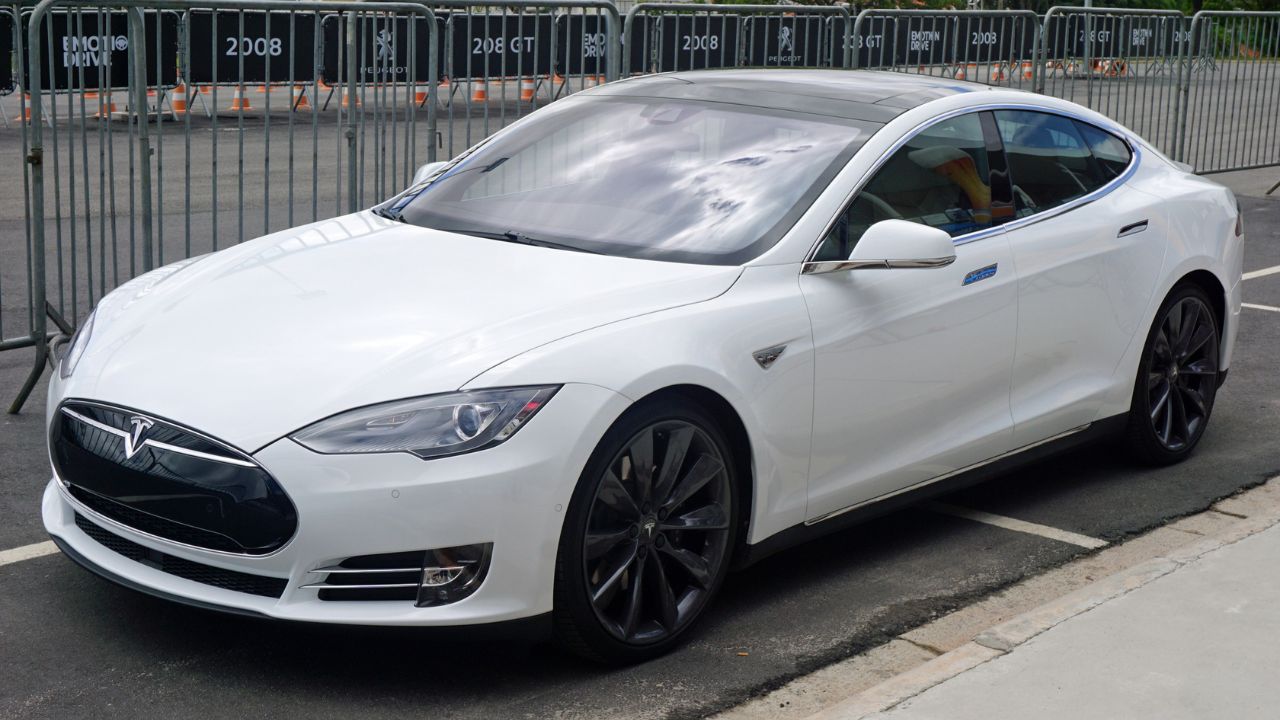
In practical terms, that means a used Tesla from 2015 might give you more headaches than an older Toyota or Lexus, but a brand-new or recent Model 3 or Model Y could be about as trouble-free as many other modern cars.
There’s also market data to support the idea that not all Tesla reliability news is doom and gloom. Independent used-car pricing analyses show Tesla vehicles dropping in value faster than most competitors, which might reflect buyers’ perception of long-term reliability risk rather than absolute mechanical failure rates.
And online chatter from EV communities underscores how personal experience varies widely. Some Tesla owners report solid dependability and high satisfaction even with older vehicles, while others note quirks that traditional automakers rarely see in cars of similar age.
The Bottom Line: Read Past the Headline
So, what should used-car shoppers take away from all this?
- Not all Teslas are created equal on durability — early models struggle more than later ones.
- Newer Teslas look much better in reliability tests and are climbing the ranks where it counts for new cars.
- Used-car value trends suggest the market is already pricing in these concerns, which might mean bargains — if you know what you’re getting.
- Real-world owner experience is mixed, but the discussion around reliability is healthier and more nuanced than the headline alone suggests.
The EV market is an evolving world, and Tesla’s journey from automotive outsider to mainstream contender still has plenty of twists. This latest reliability ranking might make waves, but enthusiasts and industry analysts agree it’s just one chapter — not the whole story.