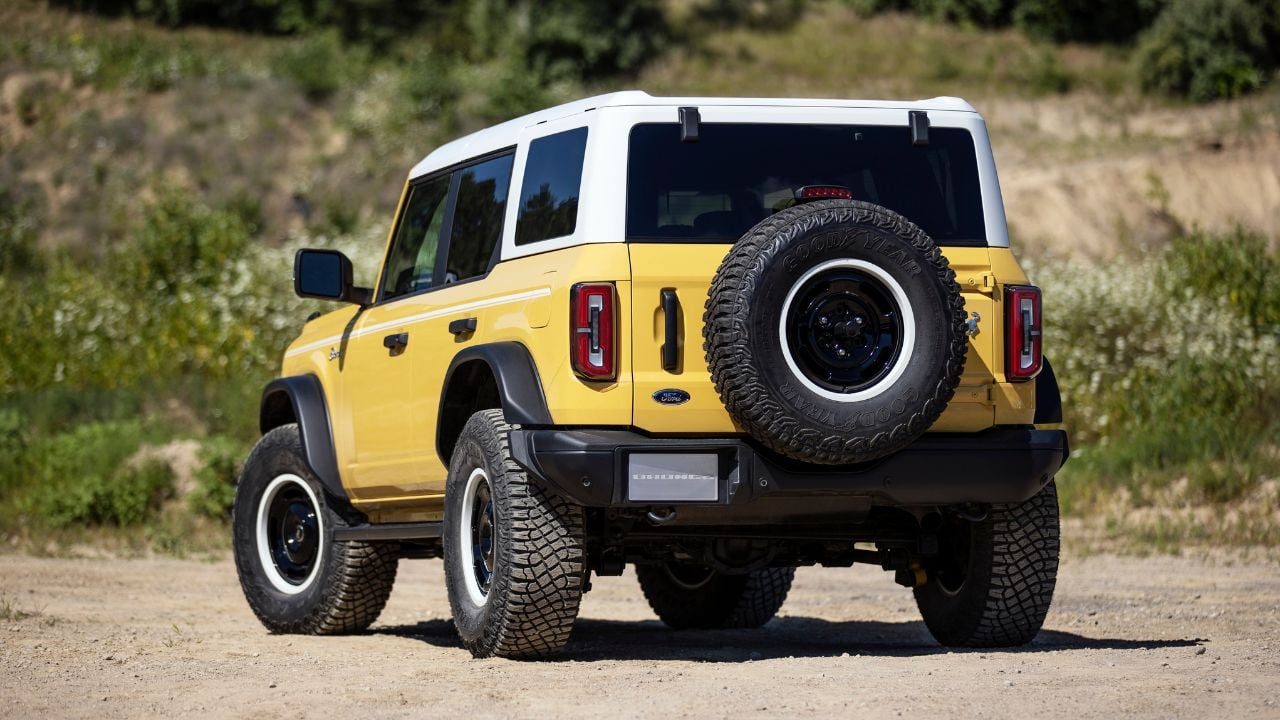
Back in 2019, when Jim Hackett first hinted that the Bronco would eventually get a hybrid version, plenty of people treated the idea with caution. Today, under Jim Farley, that plan looks far more real.
Farley recently said on Spike’s Car Radio that everything you can buy from Ford will have a hybrid option. That turns electrification into a broader product strategy instead of a niche side project.
Ford is also working on extended-range electric systems, but only where they make real sense. Farley has framed those setups as especially useful for heavier vehicles that tow, where full EVs still run into practical limits.
That is what makes the Bronco such an interesting part of Ford’s next chapter. It sits right where tradition, utility, and new powertrain thinking start to overlap.
Ford’s Hybrid Plan
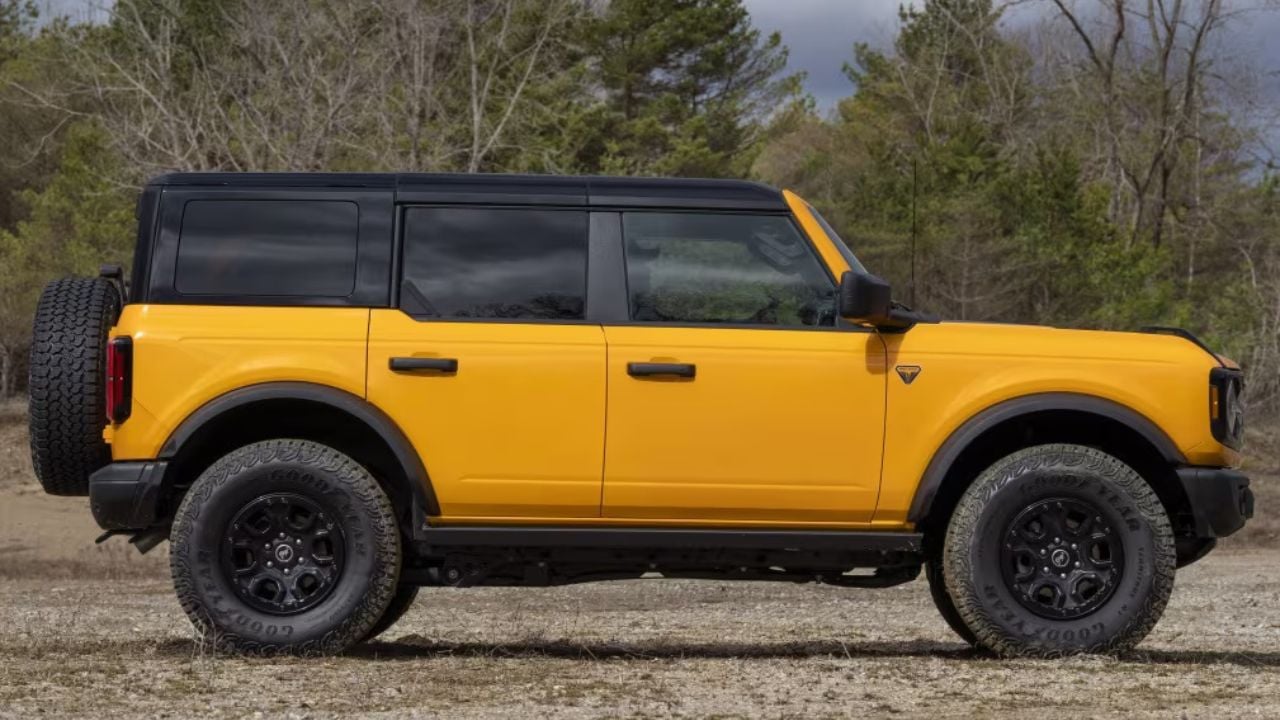
Farley’s comments make it clear that Ford is not treating hybrids as a temporary stopgap. The company now appears to see them as a core part of the lineup, with the Bronco included in that larger shift.
The extended range idea helps explain why Ford is not putting every vehicle on the same path. Ram’s own Range Extended pickup shows why the concept matters, using a 220 cubic inch Pentastar V6 as a generator while dual electric motors deliver 647 hp, up to 14,000 pounds of towing, and a projected 690 miles of total range.
For trucks and heavier utility vehicles, that kind of compromise can look very smart. It gives buyers electric drive characteristics without forcing the entire ownership experience to depend on battery range alone.
What Bronco Could Get
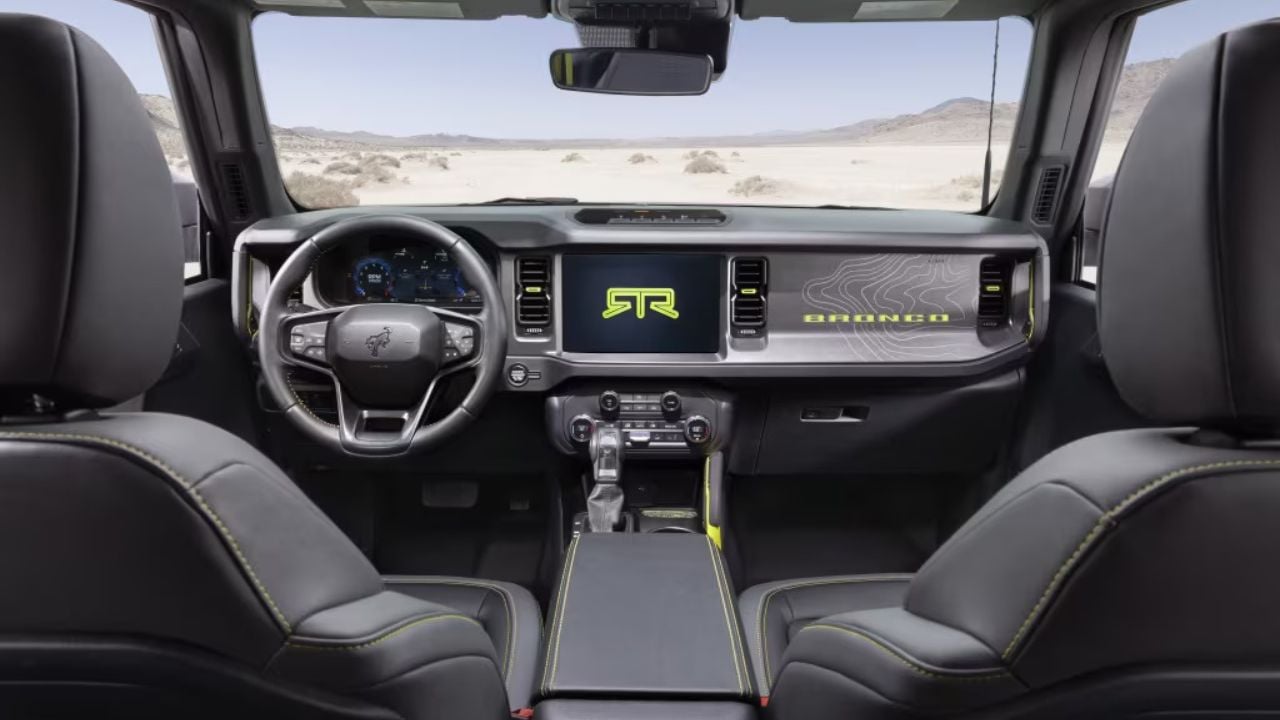
When it comes to the Bronco itself, Ford has not yet revealed the exact hybrid hardware. The most obvious possibility would be some version of the F-150’s 214 cubic inch PowerBoost setup, especially since that full hybrid system already exists inside Ford’s truck family and currently makes 430 hp and 578 lb-ft of torque.
Another clue comes from outside the U.S. In Europe, Ford already sells a Ranger plug-in hybrid that pairs a 140 cubic inch EcoBoost engine with a 75 kW electric motor, an 11.8 kWh usable battery, and a 10-speed automatic transmission.
Whether Bronco ends up with a conventional hybrid or a plug-in setup, the underlying logic still points back to EcoBoost. An EREV layout seems less likely here, because Bronco packaging, off-road requirements, and overall complexity make that type of system a more natural fit for larger, towing-focused vehicles.
Why Bronco Fits
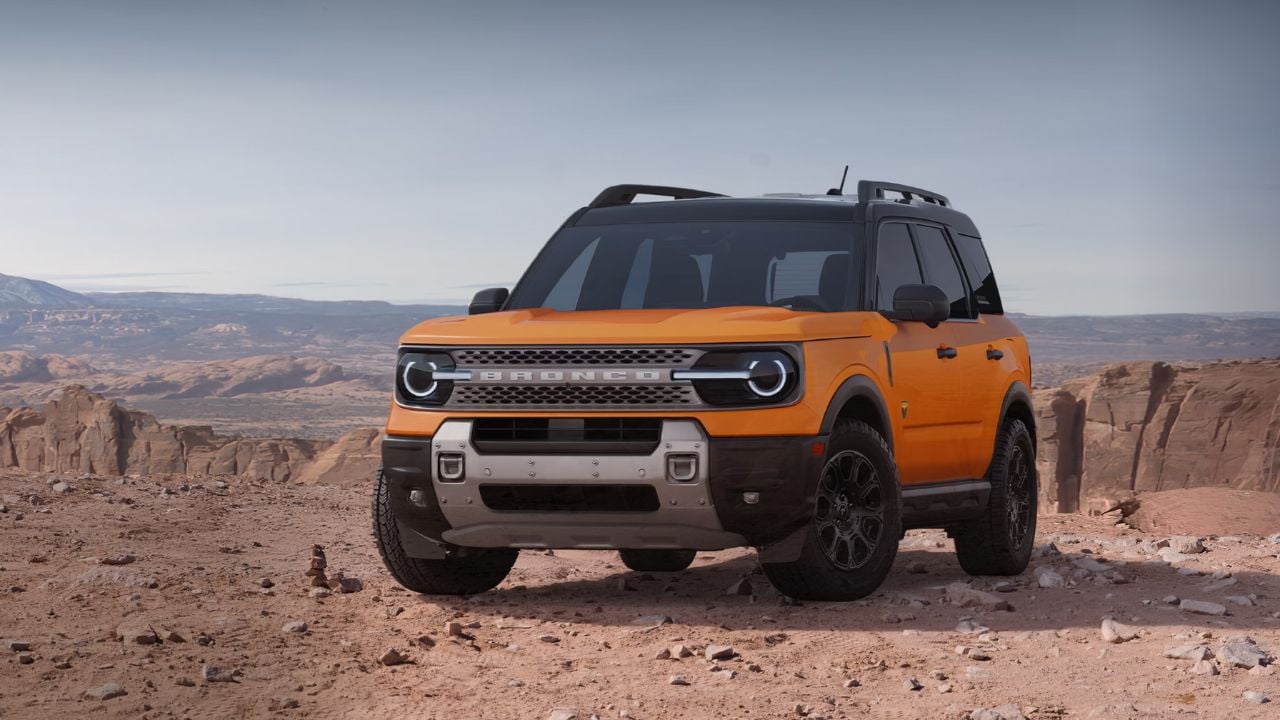
The current Bronco lineup already gives Ford several mechanical starting points. Today’s model is offered with a 140 cubic inch EcoBoost four-cylinder that can still be paired with a manual transmission, while the stronger 165 cubic inch and 183 cubic inch EcoBoost engines use the 10-speed automatic.
That transmission matters more than it may seem. Ford already uses hybrid-compatible versions of its 10-speed hardware in vehicles like the F-150 PowerBoost and Ranger plug-in hybrid, which means the company is not starting from scratch when it comes to integrating electrified drivetrains into this part of its portfolio.
Everything about this points to Ford building a careful bridge between the present and the next phase of its lineup. A hybrid Bronco would not change what the vehicle stands for, but it could become one of the clearest examples of how the company plans to carry its most recognizable nameplates into an electrified era.
This article originally appeared on Autorepublika.com and has been republished with permission by Guessing Headlights. AI-assisted translation was used, followed by human editing and review.