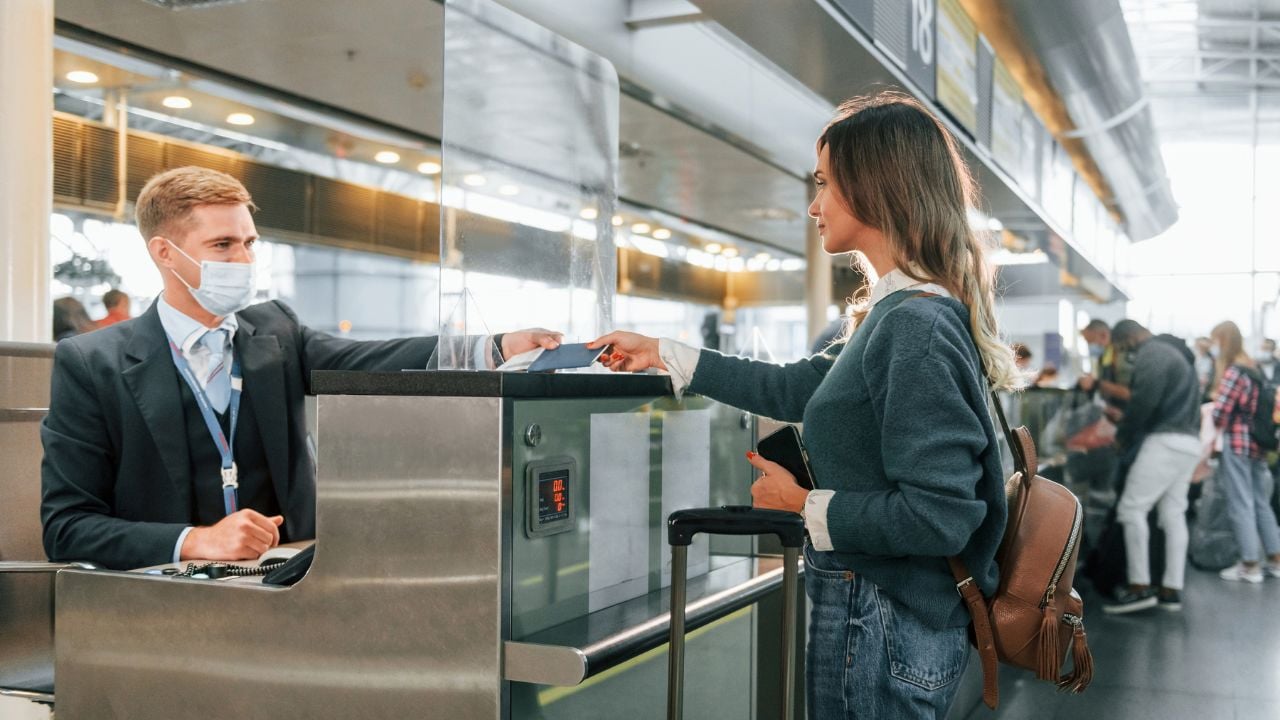
Airports run on tight timing, and the gate is where little delays start stacking up fast. Once boarding begins, staff are scanning passes, handling seat issues, coordinating bags, and trying to get the flight out on time.
The passengers who make that harder usually are not trying to be difficult. They are just doing small things that slow everyone down.
Most of the fixes are simple and do not require elite status or special treatment. They come down to space, readiness, and following the flow the airline already set.
If you want smoother boarding and better vibes from the people working the podium, start here.
1. Hovering at the Gate Long Before Your Group Is Called

Boarding gets messy fast when too many people crowd the scanner before their group is called. The lane becomes harder to read, announcements are easier to miss, and passengers who are actually supposed to move next end up blocked.
United tells customers to stay seated until their boarding group is announced, and American has gone even further by adding boarding tech that rejects a pass if someone scans too early.
A better move is waiting a few steps back until your zone is called. You do not need to stand in a tight cluster to protect your overhead-bin chances.
2. Reaching the Scanner Unprepared
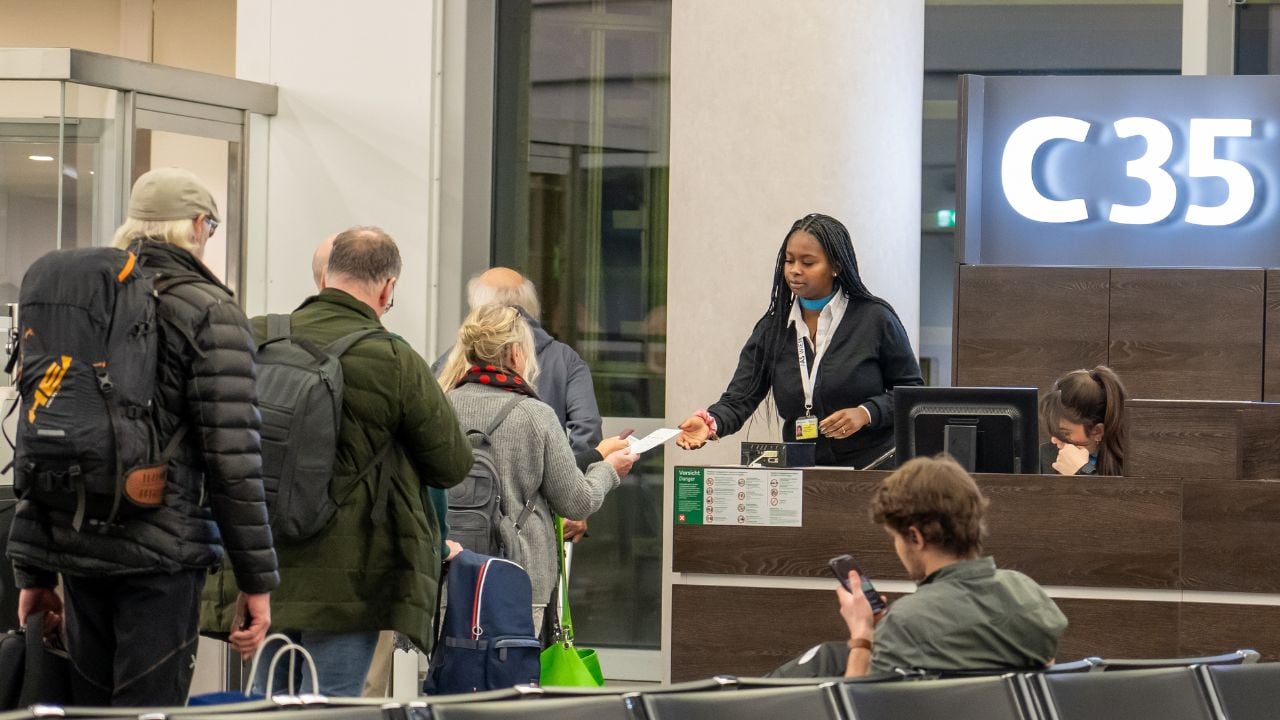
One of the easiest ways to stall a boarding line is to reach the front and only then start digging for your phone, passport, or boarding pass. Even a few seconds of fumbling can interrupt the flow, and once one person freezes, the backup starts immediately.
The easiest fix is a simple two-step habit. Pull up your boarding pass while you are still a few people back, and make sure the barcode is ready to scan before you step forward.
If you are flying internationally, keep your passport in the same pocket or pouch every time. That saves you from doing a last-second search while the podium waits.
3. Carry-on Chaos That Forces a Last-Minute Gate Check

Nothing slows boarding like a bag that will not fit, followed by a negotiation at the aircraft door. Once that happens, the delay stops being your problem and starts becoming everybody else’s problem too.
Airlines are clear that a carry-on has to fit in the overhead bin or under the seat. If it does not, it will need to be checked, and some flights have extra restrictions because overhead space is limited.
The cleaner approach is traveling with a carry-on that actually matches your airline’s size rules. If your bag already feels borderline, checking it earlier is usually easier than waiting for a bottleneck at boarding.
4. Forgetting Battery Rules When a Carry-on Gets Gate-Checked
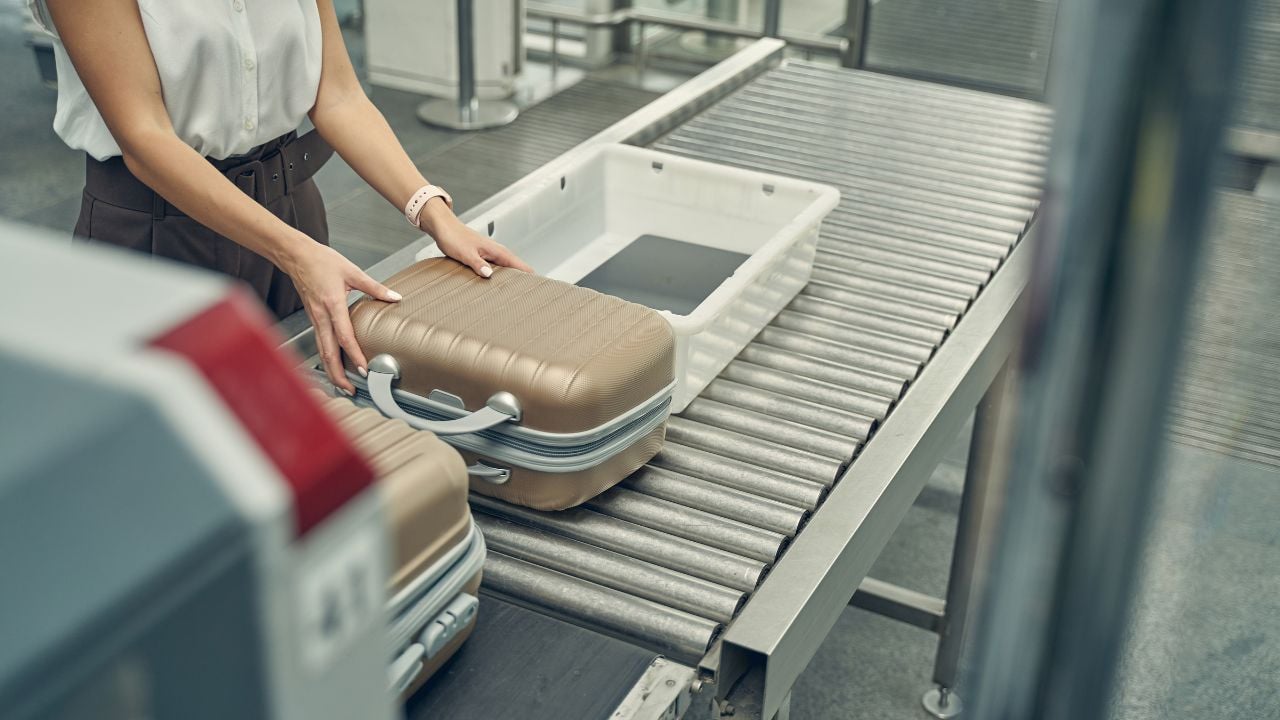
This catches people all the time. A carry-on gets tagged at the last minute, and suddenly the passenger is trying to remember where the power bank, spare batteries, or vape device got packed.
The FAA says spare lithium batteries and power banks must stay in carry-on baggage only. If a carry-on is checked at the gate or planeside, those items have to be removed and kept with the passenger in the cabin.
The FAA also says electronic smoking devices must be carried on your person or in carry-on baggage, not in checked luggage. The smart fix is keeping those items together in one small pouch you can grab in seconds.
5. Getting Tripped Up by Liquids and Prohibited Items
Sometimes the problem starts at security and follows you to the gate. By the time you make it through, you are already stressed, rushed, and more likely to create delays later.
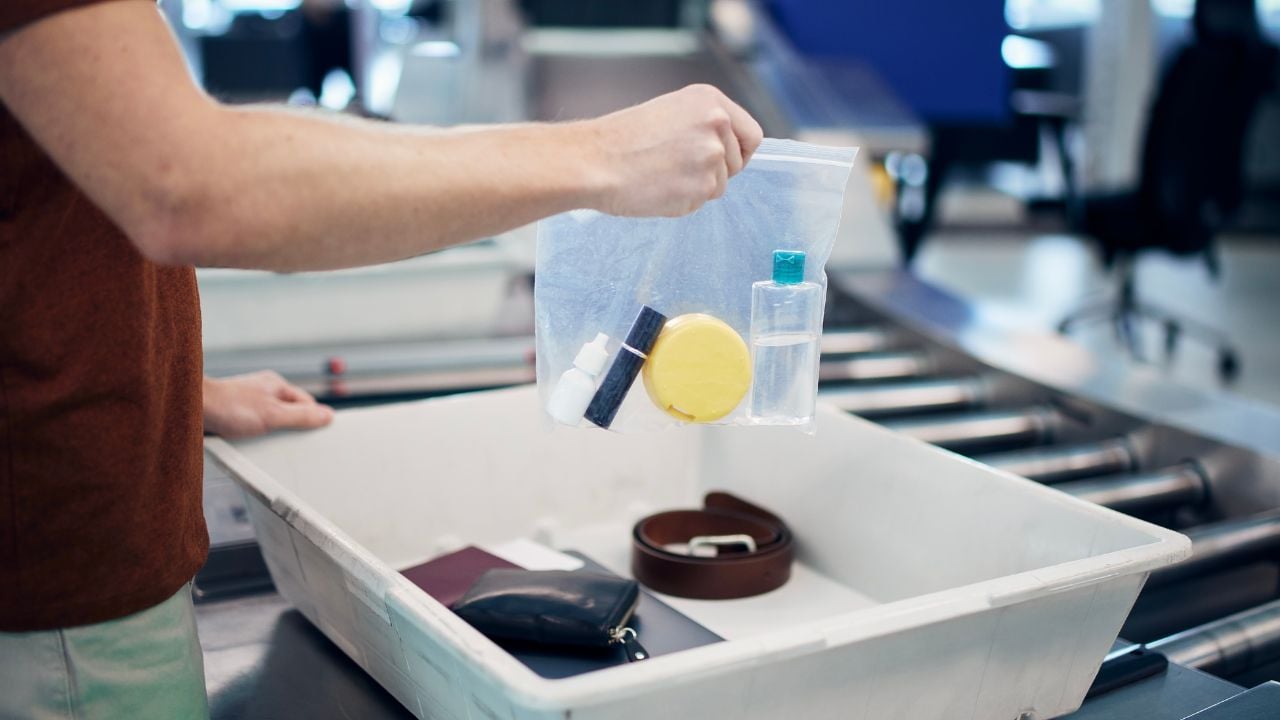
TSA still limits carry-on liquids, aerosols, gels, creams, and pastes to containers of 3.4 ounces or 100 milliliters or less, all inside one quart-size bag. TSA also keeps a “What Can I Bring?” tool for travelers who are unsure about a specific item.
The fix is basic but effective. Pack your liquids bag on purpose, keep it near the top of your carry-on, and check questionable items before travel instead of guessing at the checkpoint.
The pattern across all five habits is simple. Gate agents do not expect perfection, but they do appreciate passengers who are ready, realistic, and not creating avoidable friction at the front of the line.