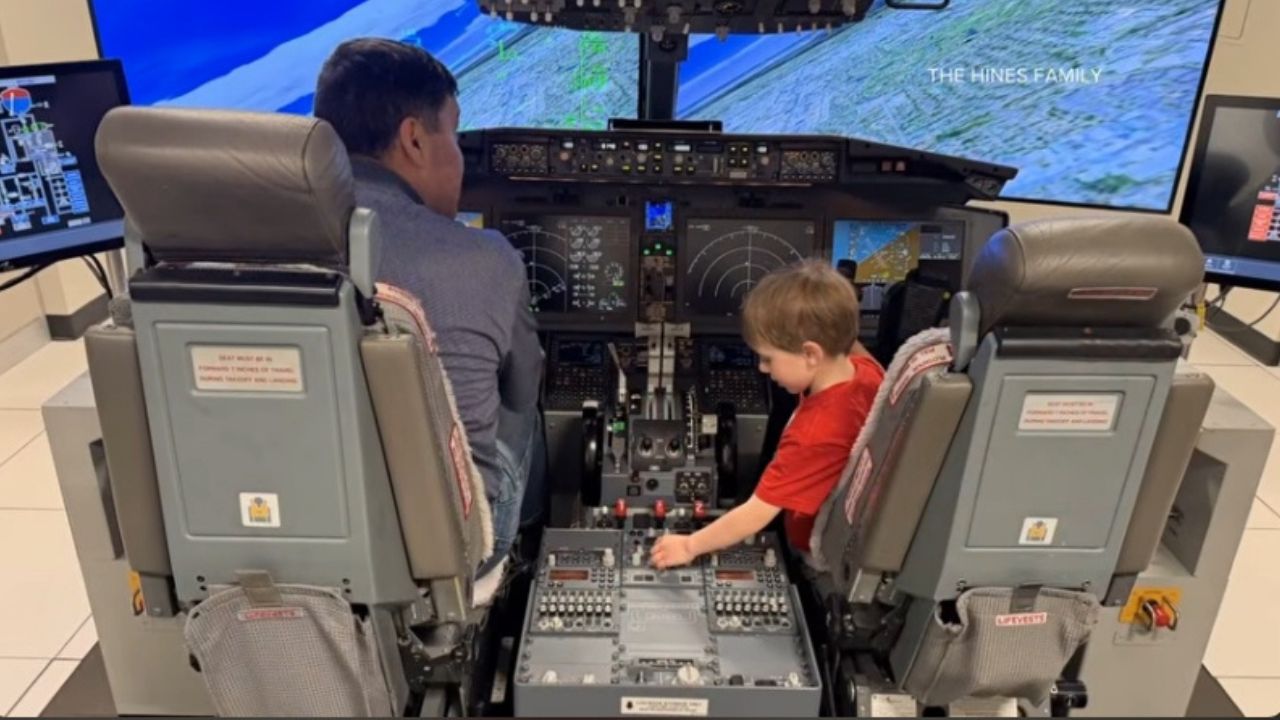

A five-year-old aviation enthusiast has captured the attention of the airline industry after spotting what appeared to be a discrepancy in a cockpit diagram used by Southwest Airlines.
What started as a curious observation by a young plane fan quickly turned into a heartwarming story about curiosity, attention to detail, and the power of a sharp eye.
The young aviation fan, William Hines from Colorado, is already known among family and friends for his deep interest in airplanes. Like many kids who love aviation, William enjoys studying aircraft diagrams, cockpit controls, and airline procedures.
But during one of these moments of curiosity, he noticed something that many adults would likely overlook.
What Did the 5-Year-Old Notice?
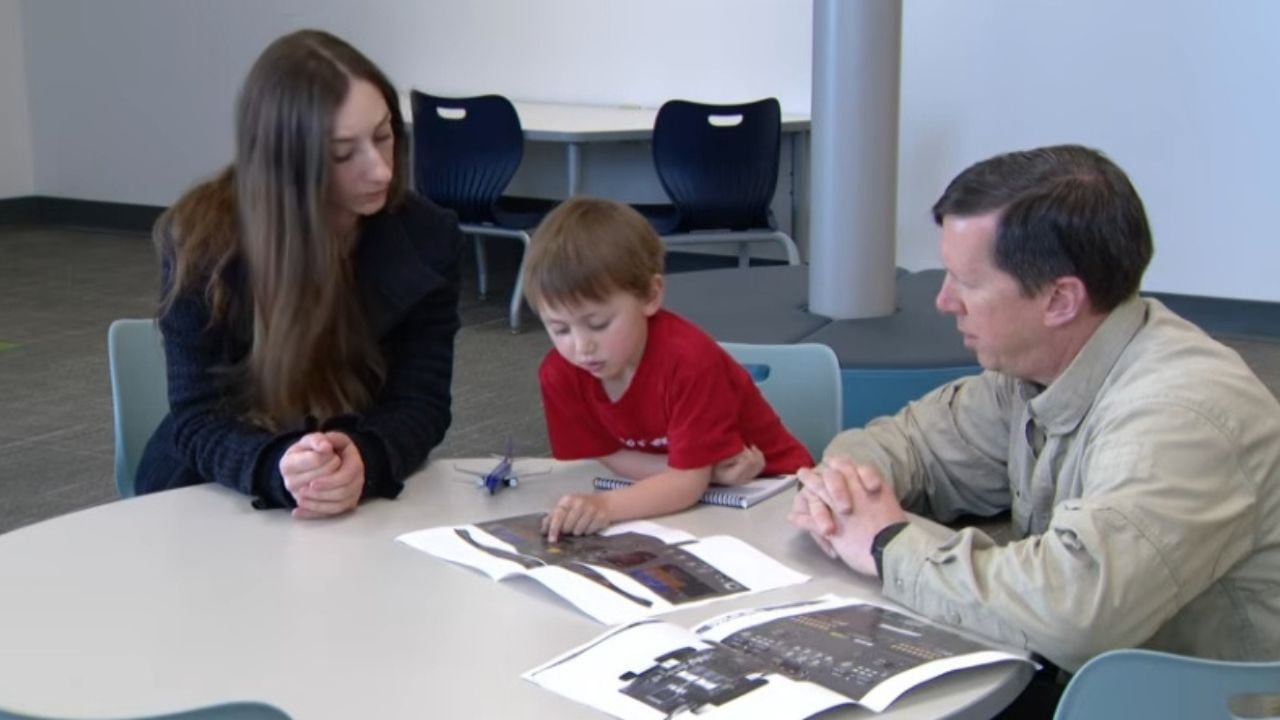
While reviewing a cockpit diagram connected to pilot training material for Southwest Airlines, William noticed that two terrain-monitor displays shown on the page did not appear to match.
The diagrams were meant to illustrate terrain awareness displays in the cockpit, yet the details looked slightly different between the two screens.
To most readers, the difference would have gone unnoticed. To William, however, it stood out immediately.
According to reports, William pointed out that the terrain images displayed on the two screens seemed inconsistent. One display appeared to show terrain features at a different scale compared to the other. His observation sparked a discussion with his family about whether the diagram might contain an error.
Southwest Airlines Responds
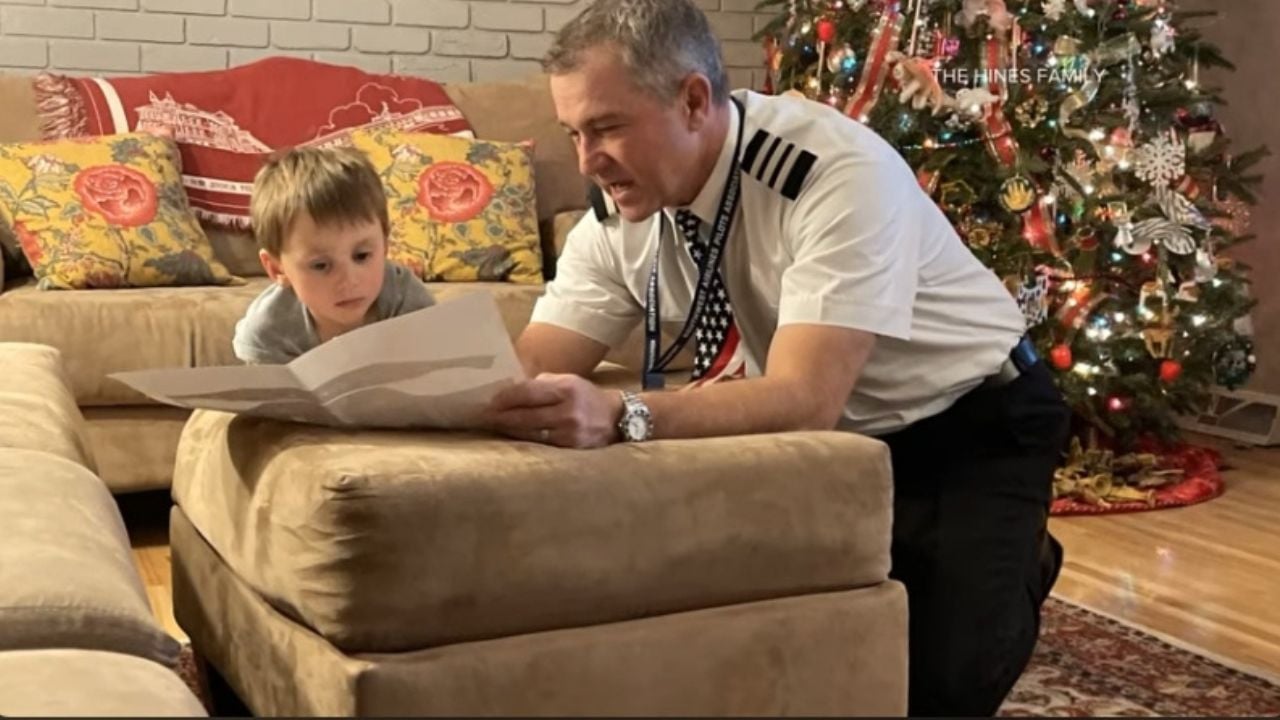
William’s mother later shared the discovery online, where the story quickly caught attention among aviation enthusiasts and industry professionals. The post eventually reached Bob Jordan, the chief executive officer of Southwest Airlines.
Instead of ignoring the observation, the airline decided to embrace the moment.
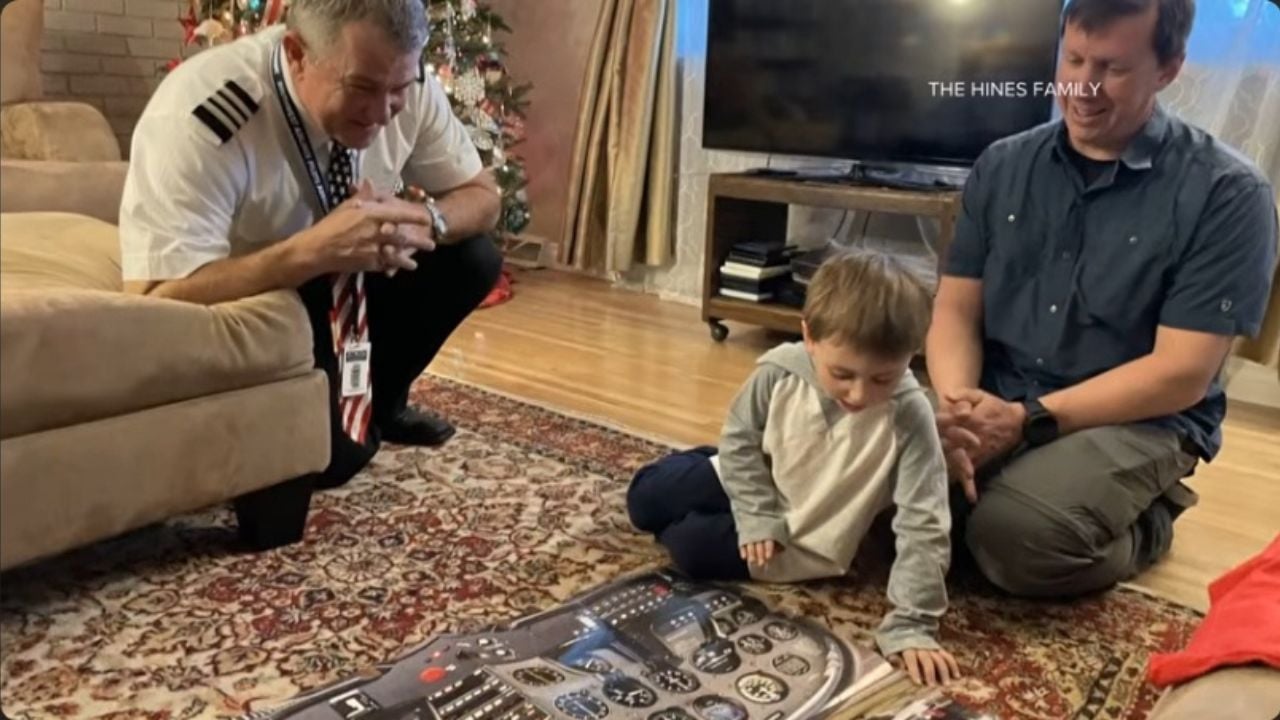
Southwest responded by inviting William and his family to visit the airline’s headquarters and training center in Dallas, Texas. For a five-year-old who loves airplanes, the invitation was nothing short of a dream experience.
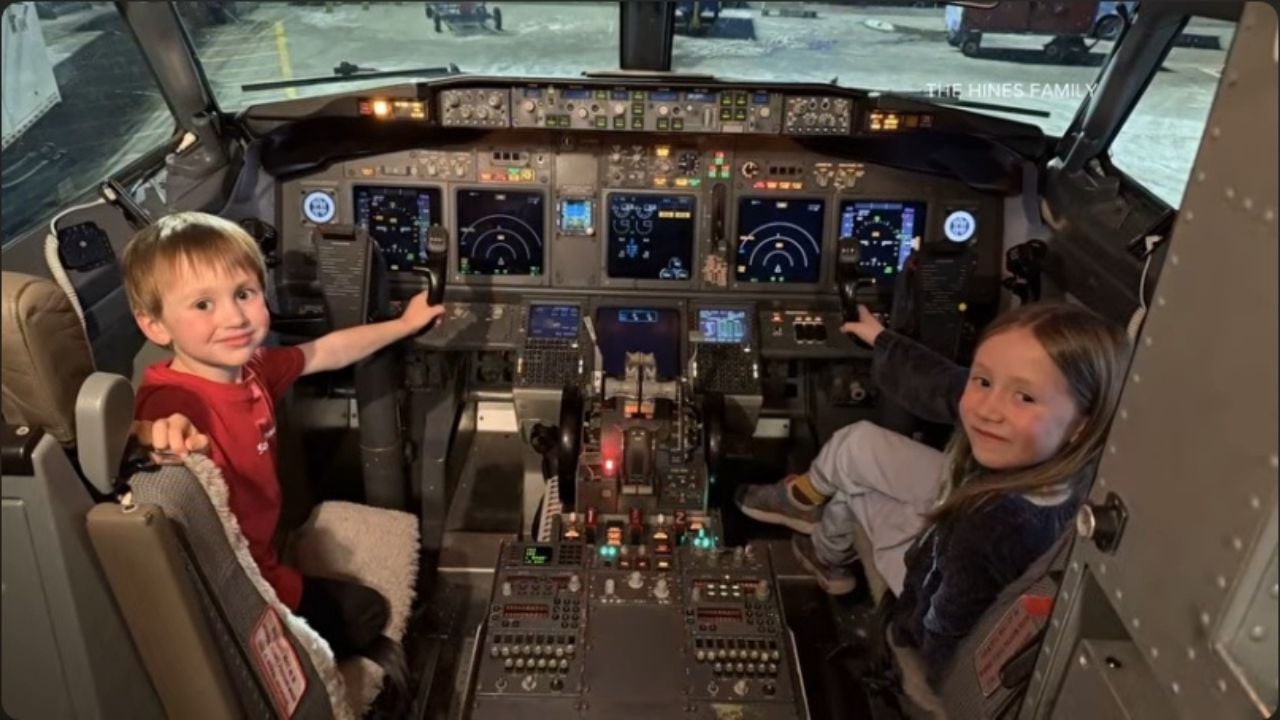
During the visit, William received a behind-the-scenes look at how pilots train and how airline operations work. The highlight of the trip was the chance to explore a professional flight simulator used to train Southwest pilots. Sitting in the simulator gave the young aviation fan a taste of what it feels like to be in command of a commercial aircraft cockpit.
Airline staff and pilots, impressed by the young William’s impressive observation skills and enthusiasm for aviation, welcomed him warmly.
Was the Diagram Actually Wrong?
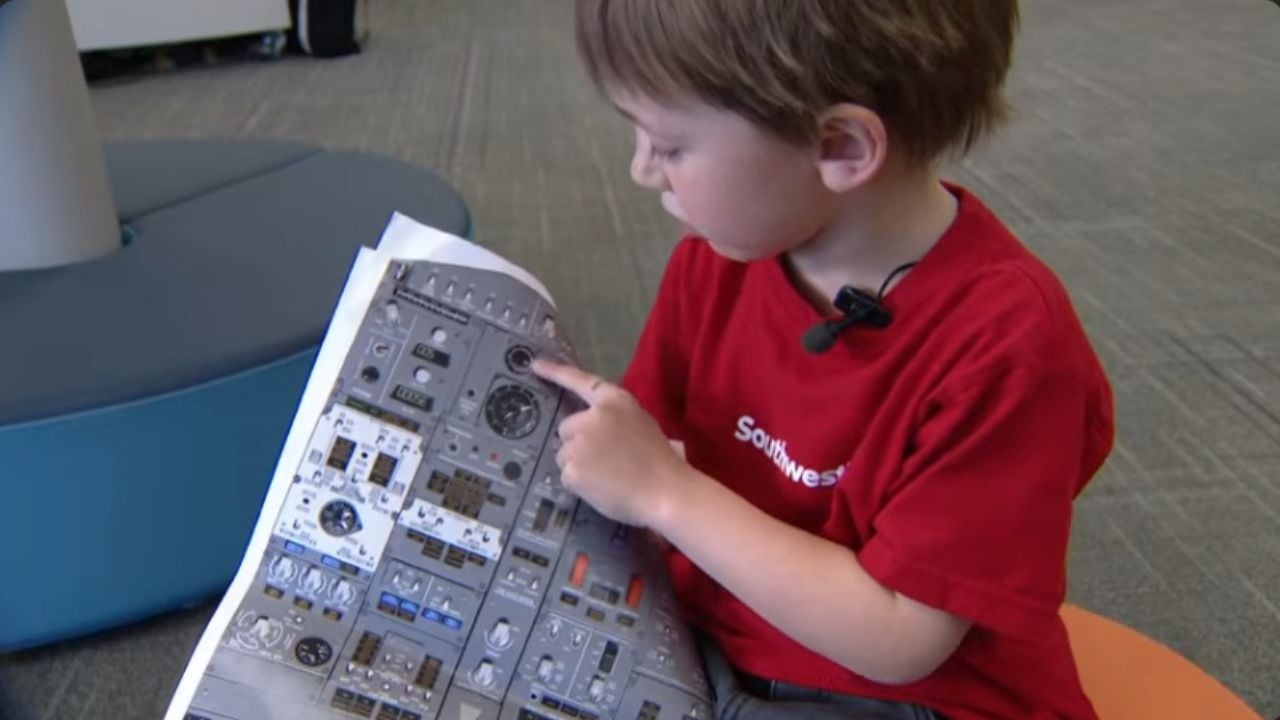
The airline also clarified the question surrounding the cockpit diagram that William had noticed. According to Southwest, the diagram itself was not incorrect.
The apparent difference between the terrain displays was caused by the displays being shown at different zoom levels. In other words, the screens were displaying the same terrain information but at different scales.
Even though the diagram was technically accurate, the airline acknowledged that William’s observation demonstrated remarkable attention to detail.
William’s story highlight how aviation can inspire curiosity at a very young age. For many aviation professionals, that passion often begins with childhood fascination, whether it involves watching airplanes at the airport or studying diagrams and aircraft manuals.
That Same Spark
William’s early spark in aviation has a very natural parallel in the automotive and motorsport world. Just as many pilots trace their passion back to childhood moments of watching planes take off or poring over diagrams, countless car enthusiasts and professional drivers describe their first fascination with automobiles in similar terms.
For some, it begins with standing trackside at a local race, feeling the roar of engines and the rush of speed. For others, it’s hours spent studying car magazines, sketching designs, or tinkering with toy models and go-karts.
Motorsport professionals often say that their careers were seeded by those formative experiences—watching Formula 1 or rally events on TV, memorizing specs of their favorite cars, or learning the mechanics behind engines at auto shows.
The common thread weaving through both worlds is that early exposure to the machinery and the spectacle of performance ignites curiosity. That curiosity matures into technical knowledge, and eventually, for some, into a lifelong career.
It’s the same cycle of fascination, study, and pursuit—whether the object of wonder is an aircraft diagram or a racing engine.
For Southwest Airlines, the encounter demonstrates just how aviation enthusiasts come in all ages. And by welcoming William to its training facility, the airline turned a simple observation into a memorable experience for a young fan who may one day pursue a career in aviation.
Note: This article contains embedded video. Embedded media may not display on all platforms. The video is available on our website here.
Sources: Independent