Car companies are usually a cautious bunch. When you’re selling millions of vehicles a year, playing it safe tends to win out over wild ideas. Designs are refined, not risky. Concepts get tamed before they ever hit the road. But every now and then, something strange happens.
A big-name brand decides to throw the rulebook out the window and build something bold, sometimes beautiful, sometimes baffling, but always unforgettable. Whether it was a last-ditch attempt to stay relevant, a no-expense-spared moonshot, or a pet project that somehow made it out of the lab, these cars stand as proof that even the most conservative automakers aren’t immune to a little madness now and then.
These are the outrageous designs we didn’t see coming, but we’re so glad they happened.
Behind the Wheel of Our Selection Process
We looked for production models and prototypes that didn’t just stand out visually, they broke the mold entirely. These cars marked moments when otherwise traditional automakers decided to take a creative risk. Some were wild in their styling, others delivered performance that no one expected from the badge they wore.
A few were commercial gambles or halo projects designed to shake up the brand’s image. Whether they succeeded or flopped, each one is a testament to what can happen when carmakers throw caution to the wind and build something bold.
Lexus LFA
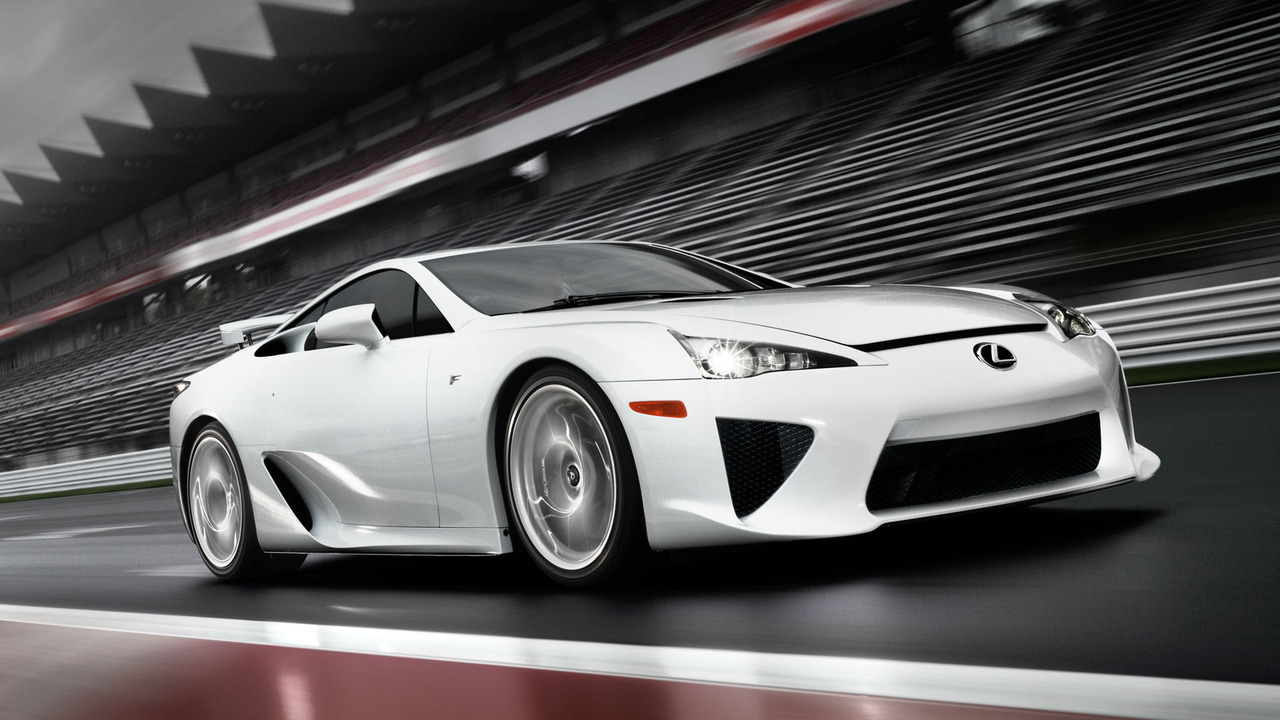
Lexus built its reputation on comfort, reliability, and quiet refinement, not supercars. But with the LFA, the brand flipped the script in spectacular fashion.
Unveiled in 2009 after nearly a decade in development, the LFA was a precision-built showcase of everything Lexus could do when it stopped playing it safe. It featured a hand-assembled 4.8-liter V10 capable of revving to 9,000 rpm and producing 552 horsepower. The engine note alone became legendary. Wrapped in a sleek carbon fiber body and priced at $375,000, the LFA was a technological marvel, and a financial loss for Toyota. But it wasn’t about profit. It was about proving that Lexus could go toe-to-toe with the world’s best, and the LFA did exactly that.
Renault Sport Spider

Renault is better known for practical hatchbacks and delivery vans than pulse-quickening performance cars, but in the ’90s, the brand wanted to show it had a wilder side.
Enter the Renault Sport Spider. Built to promote Renault’s motorsport division, it was part street car, part track toy, and all attitude. The mid-mounted 2.0-liter engine made 148 horsepower, and early cars were offered in an aeroscreen (no windscreen) configuration, with a windscreen version available later. It was light, raw, and unapologetically focused on the driving experience. The Spider also starred in its own one-make racing series, proving Renault could step away from utility and embrace pure fun, even if just for a moment.
Cadillac XLR

Cadillac spent decades perfecting the art of plush, oversized cruisers, soft rides, big engines, and bigger personalities. So when the brand decided to build a sleek, two-seat roadster based on the Corvette, it felt like a dramatic detour.
The result was the Cadillac XLR, a hardtop convertible packed with luxury touches and wrapped in angular, futuristic styling. Underneath, it shared its bones with the C6 Corvette, but Cadillac added refined suspension tuning and a quieter, more upscale cabin. It looked sharp and drove well, but with a higher price tag and less performance than its Chevy cousin, the XLR never really found its footing. Still, it remains one of the boldest left turns Cadillac has ever taken.
Dodge Viper
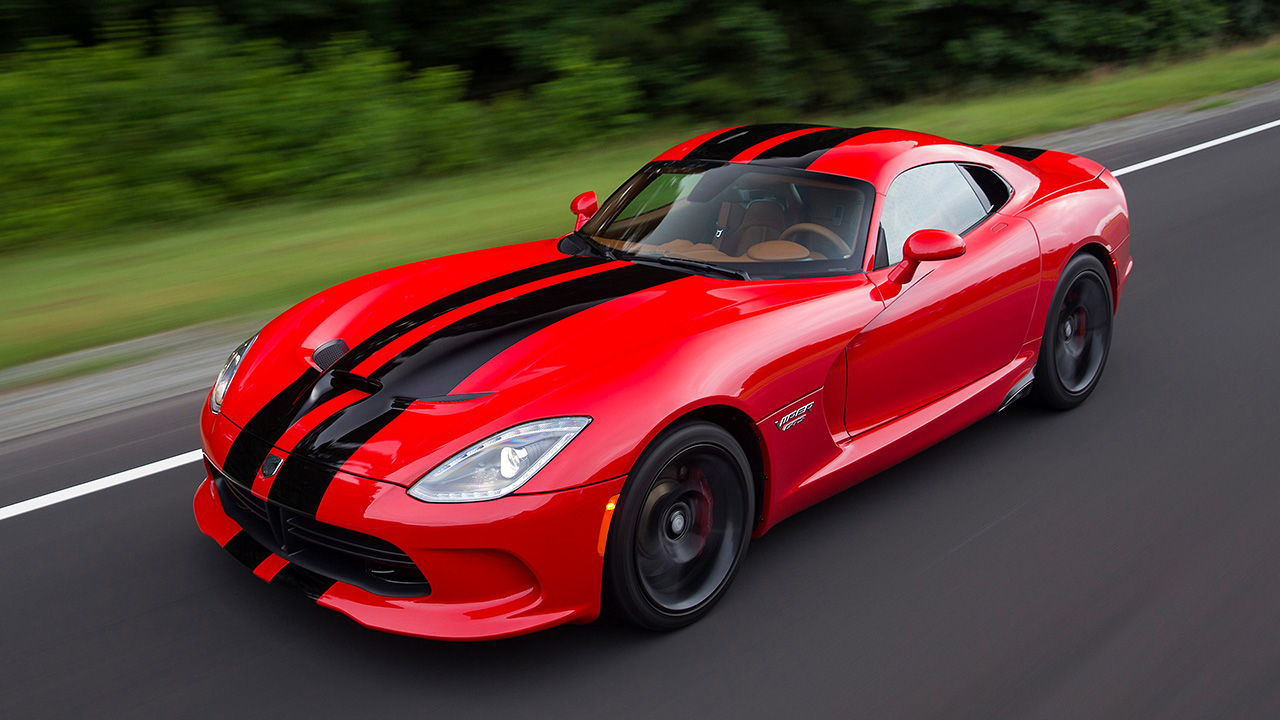
By the late 1980s, Dodge had gone soft. The brand that once helped define the muscle car era was now best known for sensible sedans and minivans. That all changed when Chrysler president Bob Lutz floated a radical idea: build a modern-day Cobra.
The result was the Dodge Viper: a wild, bare-knuckle bruiser unlike anything else in the lineup. Its massive 8.0-liter V10—developed with engineering input from Lamborghini during its Chrysler-era ownership, paired brute power with a stripped-down attitude. Early Vipers famously went without driver aids like ABS and traction control, doubling down on raw, intimidating performance long before later generations added modern safety tech. It wasn’t just a car; it was a statement, and it put Dodge performance back on the map with a roar.
BMW i8

BMW has always been known for blending performance with precision, but the i8 was something else entirely. It didn’t just push boundaries; it reimagined what a sports car could be in the age of electrification.
Launched in 2014, the i8 looked like a concept car that somehow made it to production. Underneath the futuristic curves was a lightweight carbon fiber chassis and a hybrid powertrain that paired a tiny 1.5-liter three-cylinder engine with an electric motor. The result was 357 hp in early i8s, rising to 369 hp after the later update, a 0–60 time around 4.2 seconds, and the kind of driving experience that felt more like science fiction than a typical Bavarian coupe. BMW didn’t build the i8 to chase profits, they built it to prove they could reinvent the future, and they did it with style.
Mitsubishi 3000GT
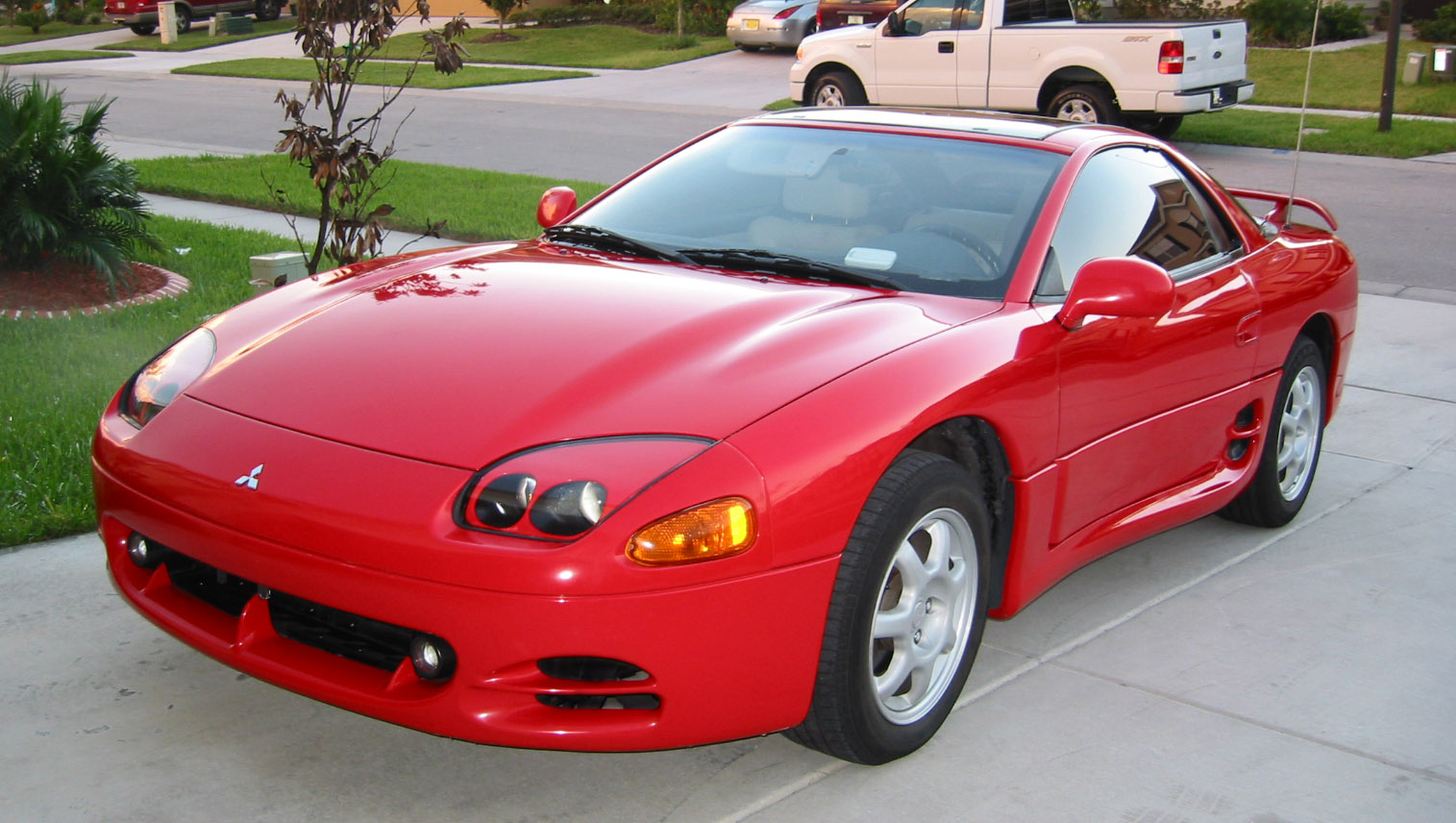
In the late 1980s, Mitsubishi wasn’t exactly a household name for high-performance sports cars. That changed in a big way when the 3000GT arrived, a bold, tech-heavy grand tourer that showed the world just how far the brand could stretch.
Launched in 1990, the 3000GT packed a 3.0-liter V6 that came in both naturally aspirated and twin-turbocharged versions. But the real story was the tech: active aerodynamics, all-wheel drive, four-wheel steering, and adaptive suspension. It was a rolling showcase of cutting-edge engineering, wrapped in a sleek coupe body. The 3000GT may not have had the badge cachet of its European rivals, but it offered supercar spirit with everyday reliability, and it helped Mitsubishi prove it could hang with the best.
Volkswagen Golf GTI W12-650
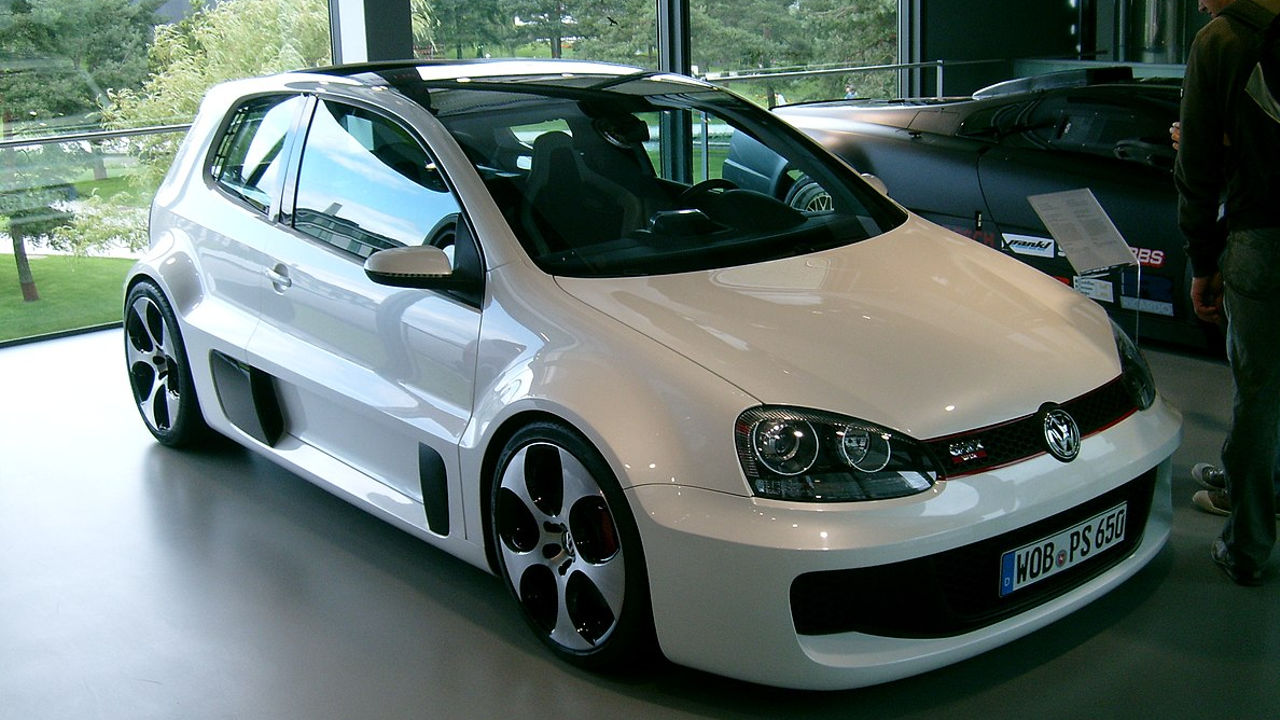
Volkswagen built its legacy on sensible, practical cars, and few models capture that spirit better than the Golf. But in 2007, someone at VW decided to throw practicality out the window and build a monster.
The Golf GTI W12-650 was a one-off concept created for the annual GTI festival in Wörthersee, and it was completely unhinged. Engineers took a standard Golf, widened it, shoved a twin-turbo 6.0-liter W12 engine in the back, the kind you’d find in a Bentley, and created a 650-horsepower, rear-wheel-drive rocket. It could hit 60 mph in just 3.7 seconds and top out over 200 mph. It was never meant for production, but it proved that even Volkswagen has a wild side.
Chevrolet SSR
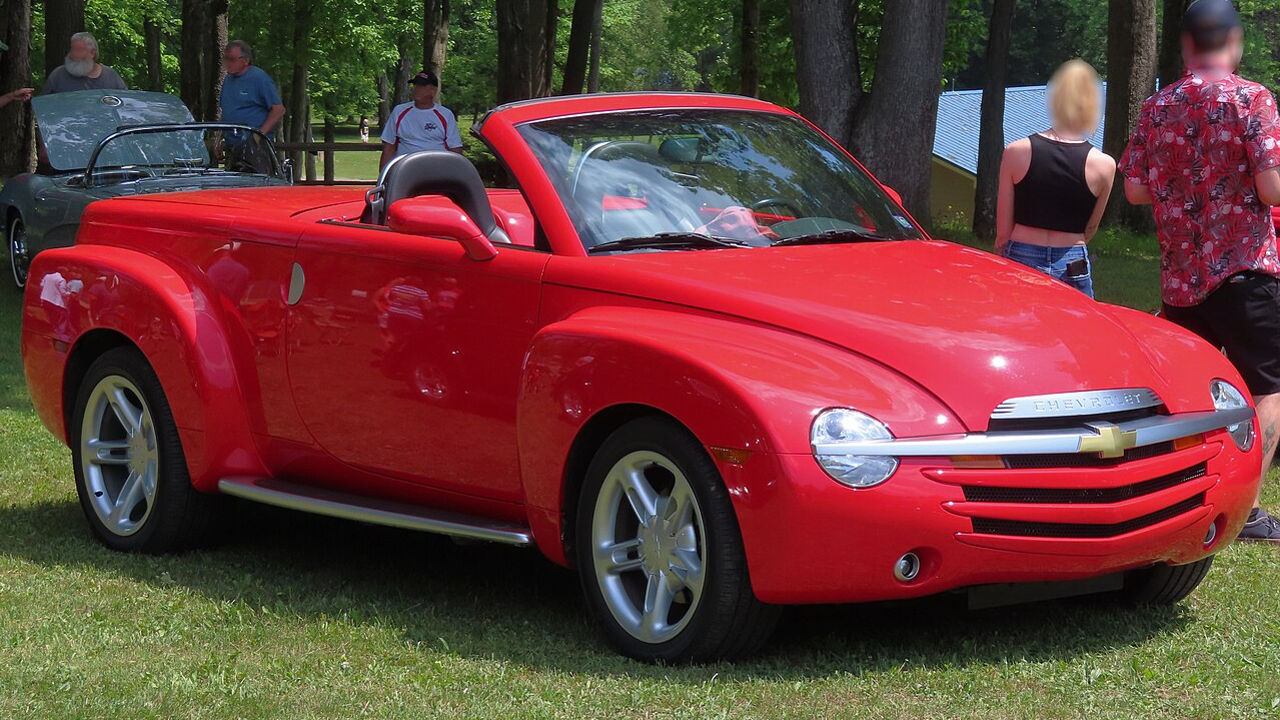
Chevrolet doesn’t often stray from the familiar formula, trucks, sedans, and sports cars that fit neatly into well-defined categories. But in the early 2000s, they decided to mash them all together and see what happened.
The result was the SSR, a retro-styled convertible pickup that looked like a concept car escaped from an auto show floor. It had swooping fenders, a retractable hardtop, and a truck bed that wasn’t all that practical. Underneath, it borrowed components from the TrailBlazer and eventually offered V8 power, but performance was never really the point. The SSR was about flair and fun, and while it didn’t sell well, it’s one of the strangest, most charming detours in Chevy’s modern history.
Porsche 959

In the 1980s, Porsche wasn’t known for taking big visual risks. The 911 was already iconic, and the brand mostly stuck to what worked. But with the 959, Porsche stepped into uncharted territory, and reportedly lost money on each one because the tech was so expensive to develop and build.
Originally developed for Group B rally racing, the 959 became a technological tour de force. It was one of the first production cars with all-wheel drive, active suspension, and a twin-turbocharged flat-six engine that pushed it to 197 mph. Porsche lost money on every one they sold, but the 959 wasn’t about profit, it was about proving what was possible. Even today, it’s seen as one of the most advanced and important supercars ever made.
Rover 75 V8
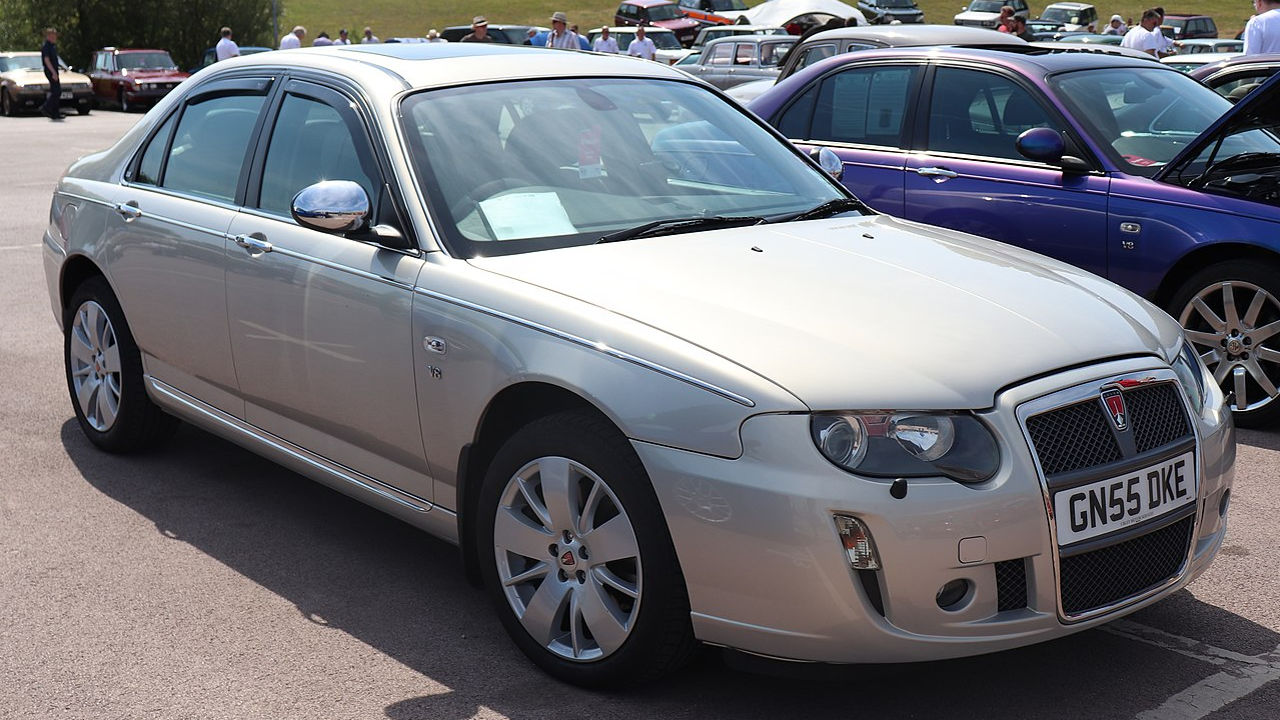
Rover was best known for building sensible, stately sedans, not rear-wheel-drive muscle cars. But in the early 2000s, as the company struggled to stay afloat, it decided to take a final swing with something unexpected.
Working with motorsport firm Prodrive, Rover reengineered its front-wheel-drive 75 sedan into a rear-wheel-drive platform and dropped in a 4.6-liter V8 sourced from the Ford Mustang. The result was the Rover 75 V8, a curious blend of British formality and American brute force. It was fast, bold, and completely out of step with the rest of the lineup. The car couldn’t save the brand, but it sent Rover off with a rumbling farewell.
Volkswagen Phaeton

Volkswagen built its reputation on practicality and value, so when it introduced a six-figure luxury sedan aimed at taking on Mercedes and BMW, the automotive world did a double-take.
The Phaeton was the pet project of then-VW chairman Ferdinand Piëch, who set engineers a list of design parameters, one widely reported target was sustaining 300 km/h (186 mph) in 50°C (122°F) while maintaining 22°C (72°F) inside, including the ability to cruise all day at 186 mph in 122-degree heat while keeping the cabin at a perfect 72. Never mind that the top speed was electronically limited to 250 km/h (155.3 mph). Lavishly appointed and over-engineered to a fault, the Phaeton was a technical marvel and a commercial misfire. Still, it stands as proof that even VW can dream big.
Ford GT40
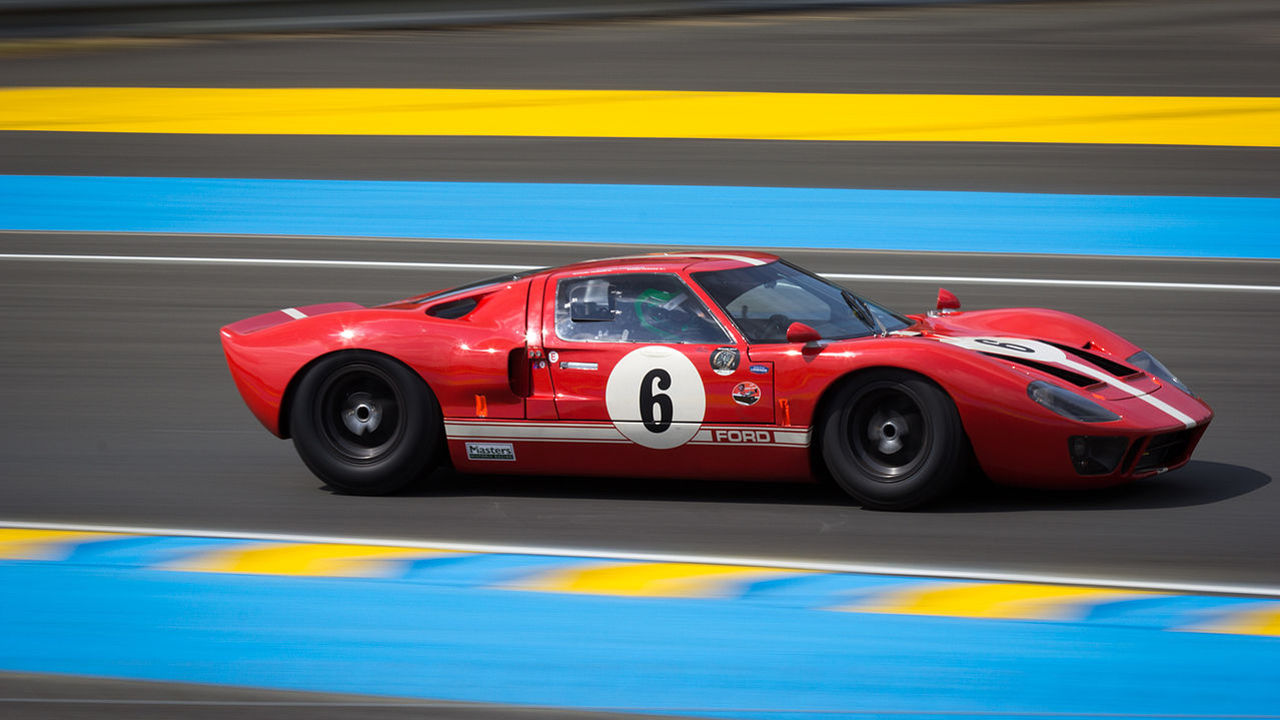
The GT40 wasn’t born out of market research or product planning, it was born out of spite. After a failed deal to buy Ferrari, Henry Ford II set out to beat Enzo at his own game: Le Mans.
Ford enlisted Carroll Shelby, tapped Lola for a cutting-edge chassis, and dropped a big V8 in the middle. The result was the GT40, a purpose-built race car that didn’t just show up, it dominated. In 1966, Ford made history by taking the top three spots at Le Mans, ending Ferrari’s winning streak and cementing the GT40 as one of the greatest motorsport revenge stories ever told. It was brutal, beautiful, and absolutely outrageous, in the best way.
Edsel

If the GT40 was Ford’s finest hour, the Edsel might have been its most infamous. Dreamed up as a bold new mid-tier brand to fill the gap between Ford and Mercury, the Edsel was supposed to redefine automotive luxury. Instead, it became a cautionary tale.
Launched in 1957 with huge fanfare and even bigger expectations, the Edsel was awkwardly styled, overhyped, and poorly timed, hitting the market just as a recession took hold. Despite Ford’s investment of hundreds of millions, the car flopped spectacularly. Today, the Edsel is remembered less for what it was and more for what it represents: how even the biggest players can get it wildly wrong when they chase boldness without grounding it in reality.
Toyota Aygo Crazy
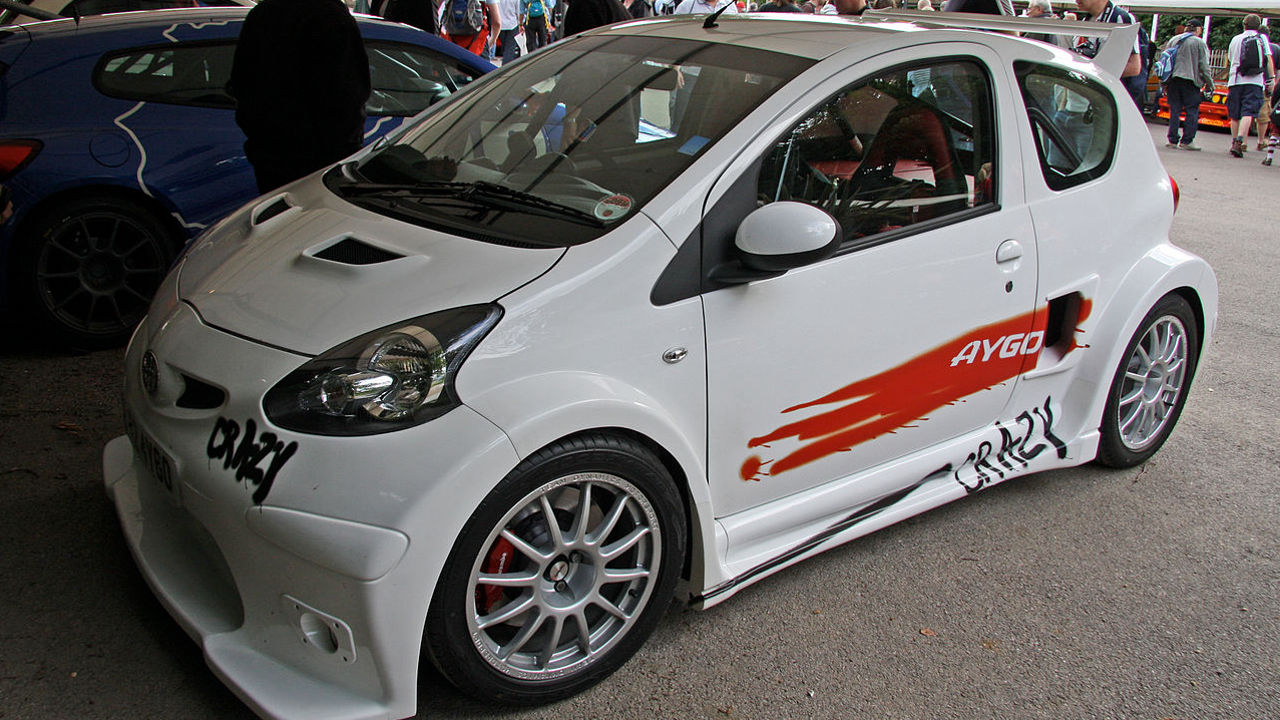
Toyota is known for building practical, fuel-efficient cars that run forever, not wild track toys with turbocharged engines stuffed in the back. But in 2008, they let their engineers have a little fun, and the result was the Aygo Crazy.
Based on the tiny city-friendly Aygo, this one-off concept was anything but tame. Toyota ripped out the rear seats and dropped in a rear-mounted 1.8-liter VVT-i four-cylinder (as used in late Celica/MR2 applications) fitted with a Toyota Motorsport turbo kit making about 200 hp. The exterior got the full treatment too, with flared fenders, oversized wheels, and a giant rear wing. It was never meant for production, but the Aygo Crazy showed that even Toyota has a wild streak when it wants to.
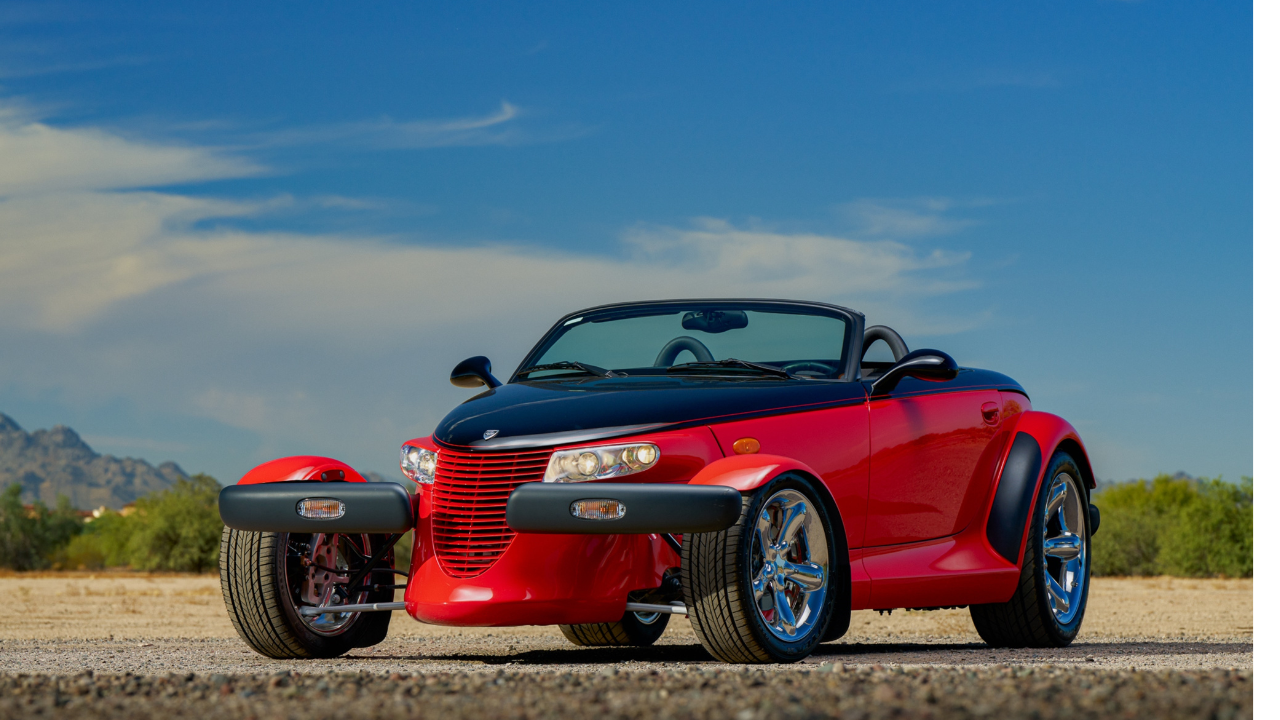
Plymouth Prowler
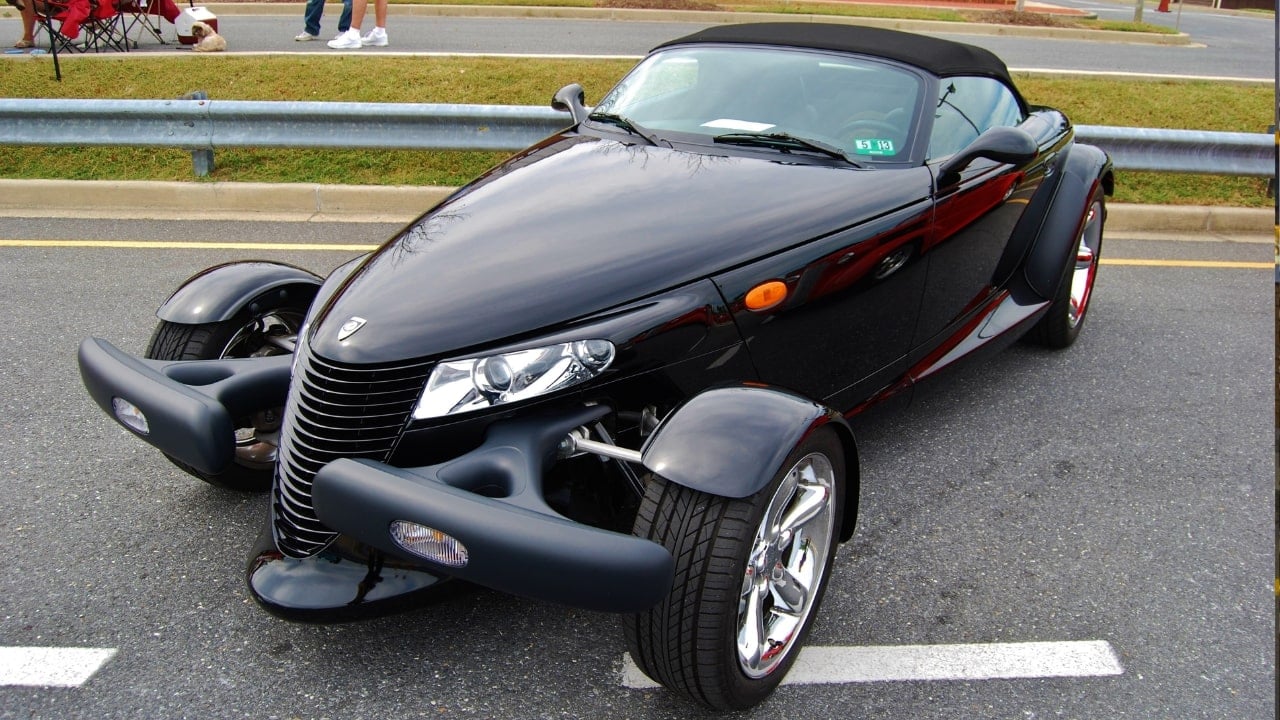
By the late 1990s, Plymouth was fading into the background, its lineup mostly filled with sedans and minivans. But then, almost out of nowhere, the Prowler arrived like a custom hot rod from the future.
With its open front wheels, pointed nose, and chopped-down body, the Prowler looked like nothing else on the road. It packed a V6 engine and an automatic transmission. This was a statement car, bold, nostalgic, and dripping with personality. It didn’t save the brand, but it gave Plymouth a memorable curtain call before the final bow.
Renault Clio V6
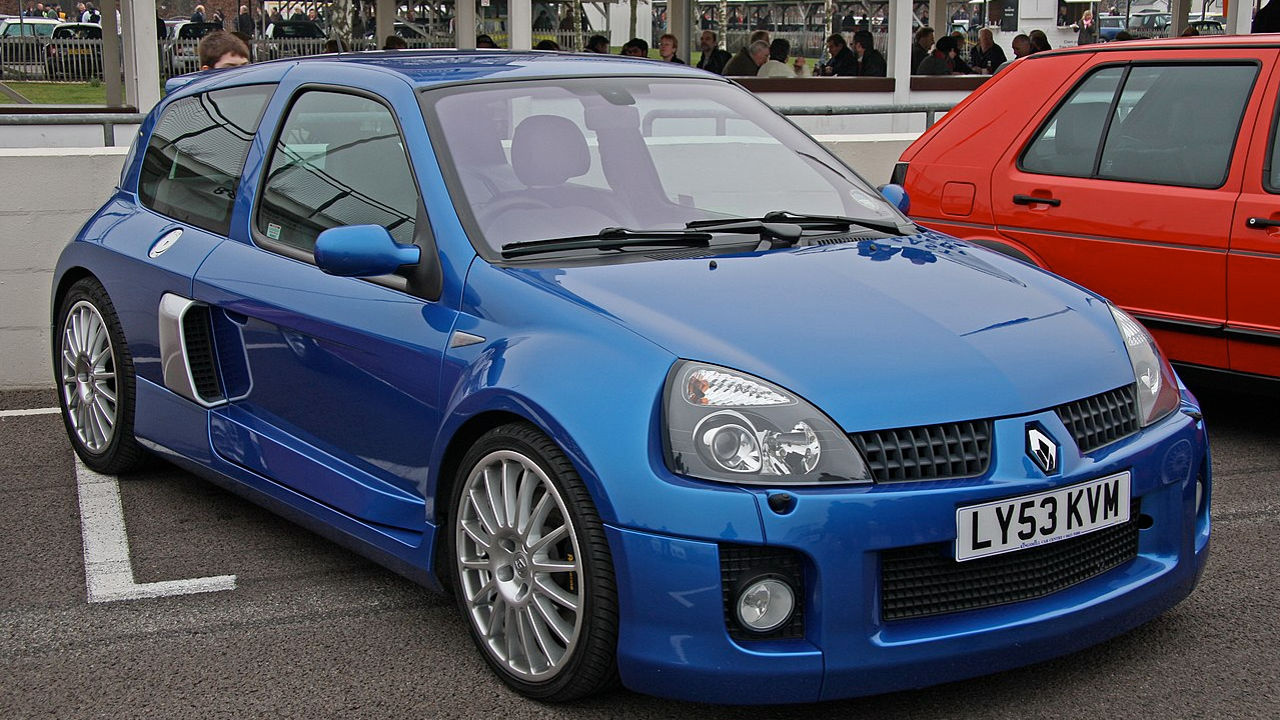
At first glance, the Clio V6 looked like a regular city hatchback that had hit the gym, but underneath, it was something else entirely. Renault took the humble Clio, ripped out the back seats, and stuffed a 3.0-liter V6 engine where the groceries used to go.
The result was a rear-mid-engined rocket with wide arches, a snarling exhaust, and serious attitude. Built in two phases, the first by Tom Walkinshaw Racing, the second in-house, the Clio V6 had the soul of a supercar wrapped in the shell of a subcompact. It was twitchy, dramatic, and completely impractical, and that’s exactly what made it so special.
Volvo P1800
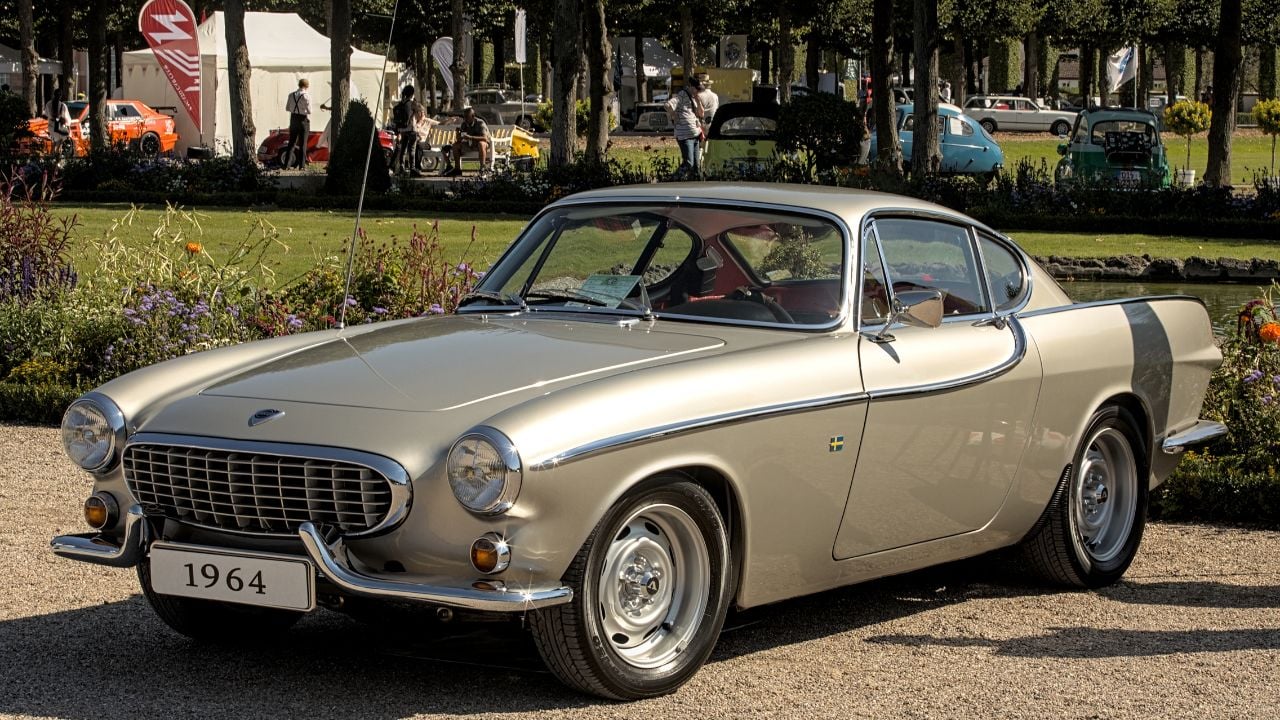
Volvo is best known for building safe, sensible cars, the kind that get you through snowstorms and school runs without a fuss. But in the early 1960s, the Swedish automaker surprised everyone with the P1800, a sports coupe that looked like it belonged in Monaco, not a Minnesota driveway.
With its elegant lines and chrome accents, the P1800 was stylish enough to become a TV star, famously driven by Roger Moore in The Saint. But it wasn’t just a pretty face. It was durable too. In fact, one P1800 holds the world record for highest documented mileage, with over 3 million miles on the odometer. Leave it to Volvo to make a sports car that could outlast most people.
Volkswagen W12 Nardo
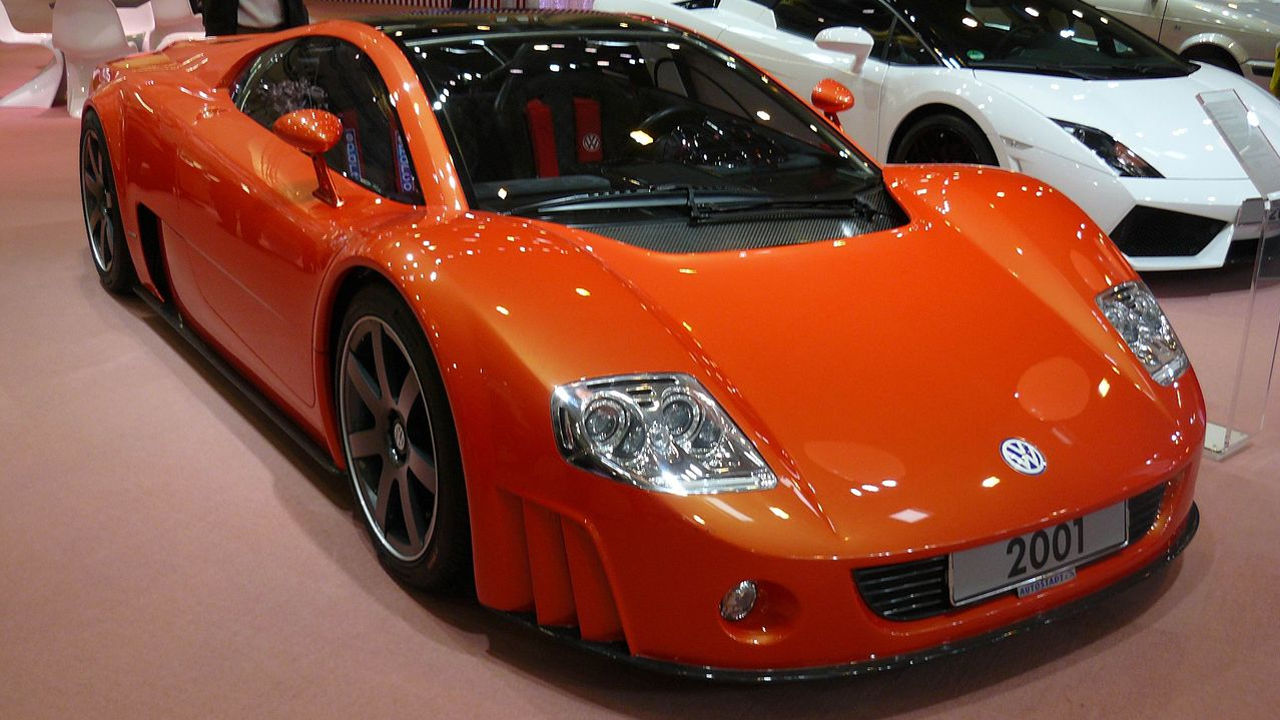
Volkswagen isn’t the first name that comes to mind when you think of high-speed supercars, but in the early 2000s, the brand set out to change that, and did so with jaw-dropping ambition.
The W12 Nardo was a mid-engined concept developed with help from Italdesign and powered by a 6.0-liter W12 engine producing 600 horsepower. It could hit 60 mph in 3.5 seconds and topped out at over 220 mph. In 2002, it set multiple world endurance records at the Nardò Ring, averaging over 200 mph (about 322.9 km/h) over 24 hours. It never made it to production, but the W12 Nardo proved that even the “people’s car” brand could chase hypercar dreams.
MG XPower SV
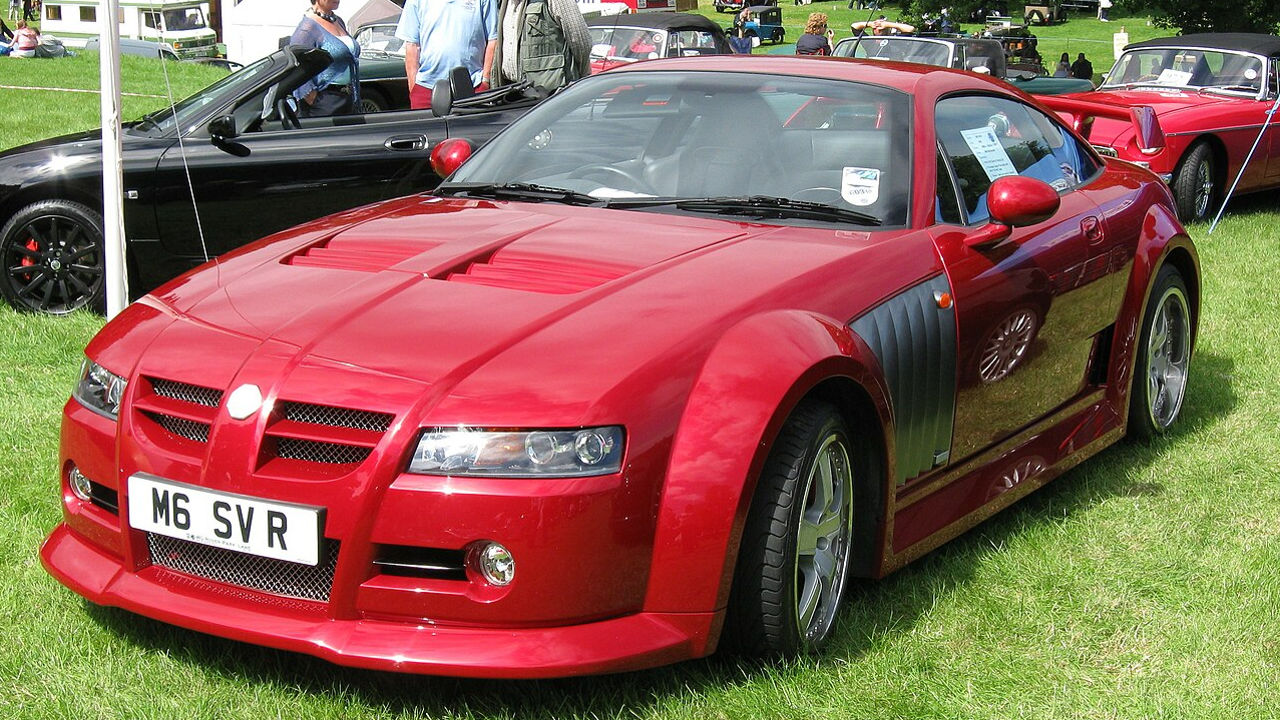
By the early 2000s, MG was a shadow of its former self. Once known for nimble British sports cars, the company was struggling to stay afloat. So naturally, it decided to build a niche, V8-powered super coupe.
The MG XPower SV was wild from the start. Designed in Italy, assembled in the UK, and powered by a 4.6-liter Ford Mustang V8, it looked aggressive and sounded even better. But it was expensive, confusingly marketed, and arrived just as MG’s financial troubles worsened. Only nine were sold before MG Rover went into administration, and total production is often cited at around 82 cars (including prototypes/show cars). Still, it remains a fascinating final chapter, a Hail Mary with a lot of heart and a lot of horsepower.
Lincoln Blackwood
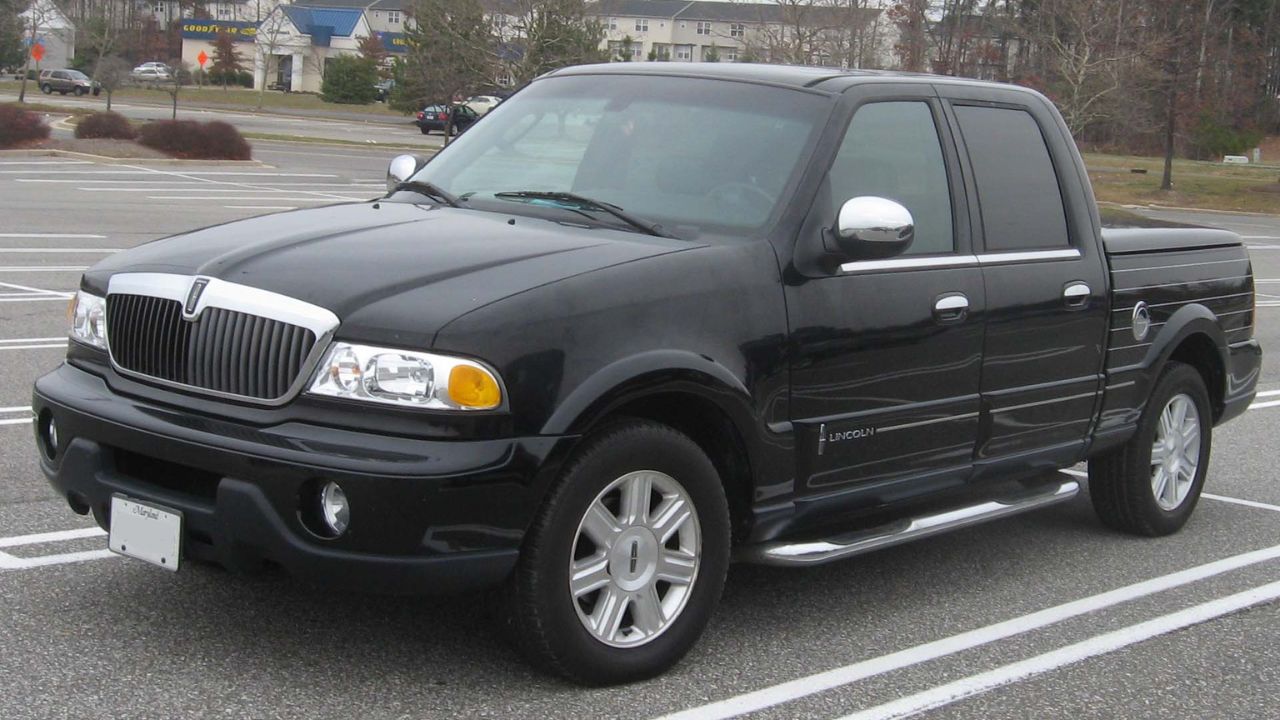
After the runaway success of the Lincoln Navigator, it made sense for the brand to try its hand at a luxury pickup. What came next, though, was the Blackwood, a truck that looked the part but missed the mark.
Based on the Ford F-150, the Blackwood featured plush leather seats, woodgrain trim, and a bed that was more like a fancy trunk. It had a permanently mounted tonneau cover and carpet-lined cargo area, making it more showpiece than workhorse. Buyers didn’t bite, and the model was discontinued after just one year. Still, the Blackwood stands as a curious footnote in Lincoln’s history, a rare moment when the brand tried something bold and wildly impractical.
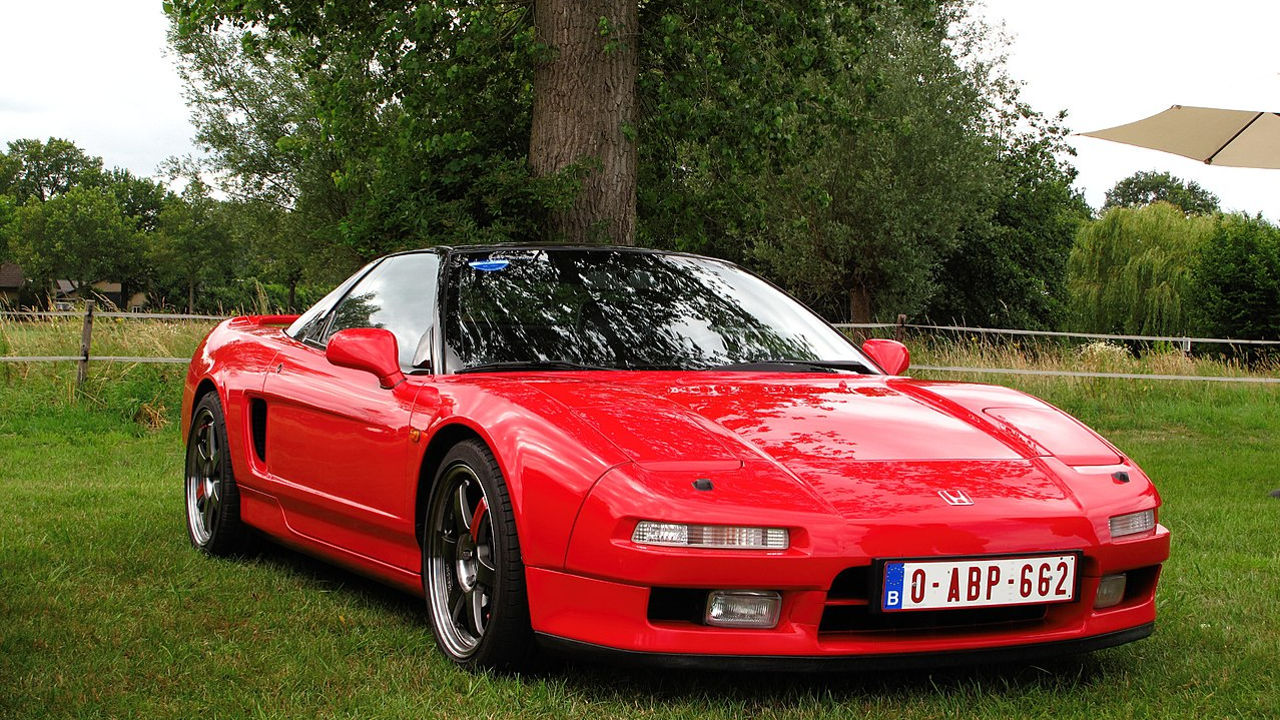
Honda NSX (1990)
Honda was known for building reliable, fuel-efficient cars, not taking on Ferrari. But in 1990, the NSX changed everything. It was sleek, mid-engined, and developed with input from none other than Formula One legend Ayrton Senna.
Built with an aluminum body and a high-revving V6, the NSX delivered world-class performance without the temperamental quirks of its European rivals. It was so well-balanced and refined that it forced Ferrari to step up its game. Even Gordon Murray, designer of the McLaren F1, called it a benchmark. The NSX didn’t just challenge expectations, it redefined them.
Mercedes 190E Evo II
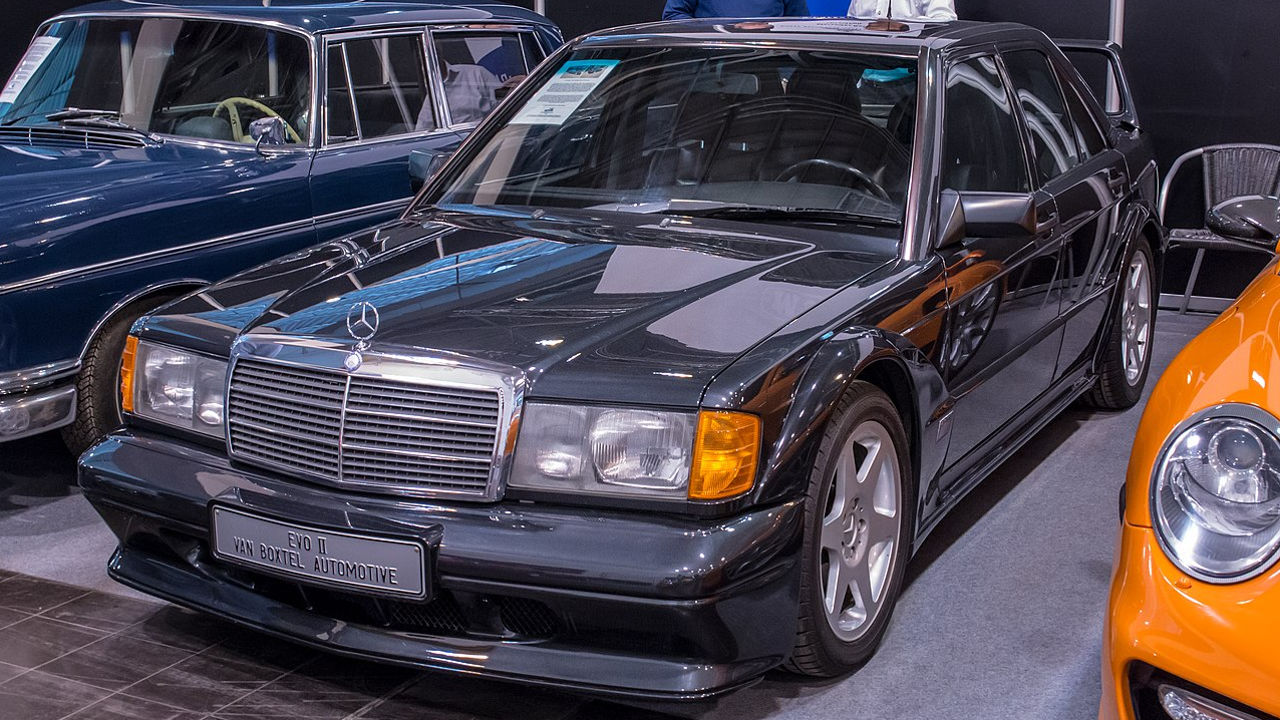
Mercedes isn’t often associated with wild styling or racing flair, but the 190E Evolution II was built to change that. Created to take on BMW’s legendary E30 M3 in the German DTM touring car series, it was a Mercedes with something to prove.
To qualify for racing, Mercedes had to build 500 road-going versions, and they didn’t hold back. The Evo II came with a towering rear wing, flared fenders, and a high-revving 2.5-liter four-cylinder engine producing 232 horsepower. It was all function over flash, designed with wind tunnels and racetracks in mind. For a company known for understated luxury, the Evo II was anything but quiet, and that’s what made it so memorable.
Lancia Stratos
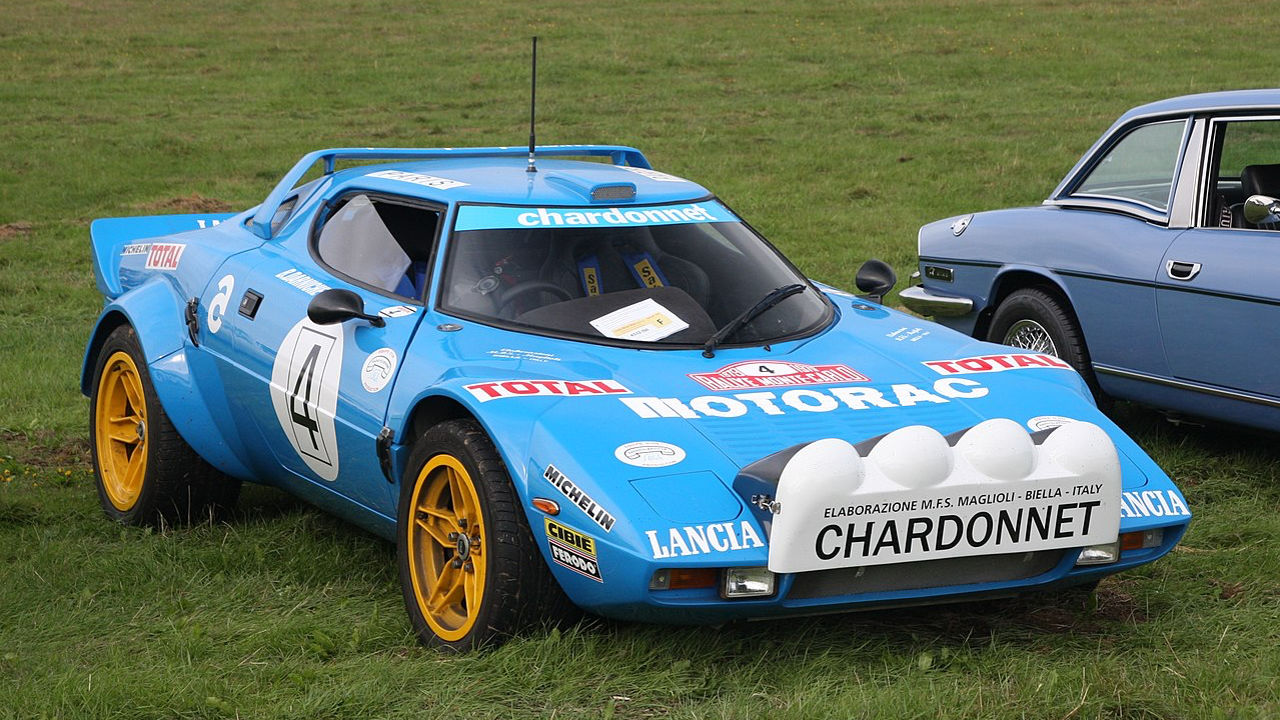
Lancia has never been afraid to take risks, but the Stratos was something else entirely. With its spaceship-like shape and mid-mounted Ferrari V6, it looked like a concept car that somehow escaped into the rally world, and then dominated it.
Designed specifically for rally racing, the Stratos was short, light, and purpose-built to handle tight corners and loose gravel with ease. It won three consecutive World Rally Championships in the 1970s and remains one of the most iconic race cars ever made. Wild in design and fearless in execution, the Stratos was proof that sometimes the weirdest ideas win big.
Toyota 2000GT

In the 1960s, Toyota was known for building practical cars, not performance icons. But the 2000GT changed that in an instant. With sleek lines that rivaled the Jaguar E-Type and a precision-built 2.0-liter straight-six under the hood, it was a statement piece, and a turning point for Japanese automaking.
Produced in limited numbers between 1967 and 1970, the 2000GT proved that Japan could do more than economy cars. It handled beautifully, looked stunning, and even starred alongside James Bond in You Only Live Twice. Today, it’s one of the most collectible Japanese cars ever made, and a reminder that even a company known for reliability can build something breathtaking when it dares to dream.
The Bold, the Bizarre, and the Brilliant

In an industry driven by spreadsheets and safety ratings, these cars stand out as bold exceptions, moments when creativity overruled caution, and something truly unique made it off the drawing board and onto the road. Whether driven by pride, experimentation, or sheer stubbornness, each of these machines reminds us that even the most buttoned-up automakers still have a spark of wildness deep inside.
Some of these cars made history. Others quietly faded away. But every one of them tells a story, not just about engineering, but about risk, vision, and the occasional beauty of going completely off-script. They may not have all been sales successes, but in their own strange, spectacular ways, they left a mark. And that’s what makes them unforgettable.