We all love a good badge engineering job, don’t we? If you haven’t heard the term, it’s basically when a car is brought in from overseas and then given the appropriate brand badging for the market it’s joining.
Over the years, General Motors has been a particularly big fan of badge engineering, having launched countless rebadged models.
Throughout the 1990s, GM was desperate to shift Cadillac’s image as the favorite luxury car of retired people. They were also desperate to wash out the sour taste in everyone’s mouth left by stuff like the Cimarron, a frequent guest in lists of the world’s worst cars.
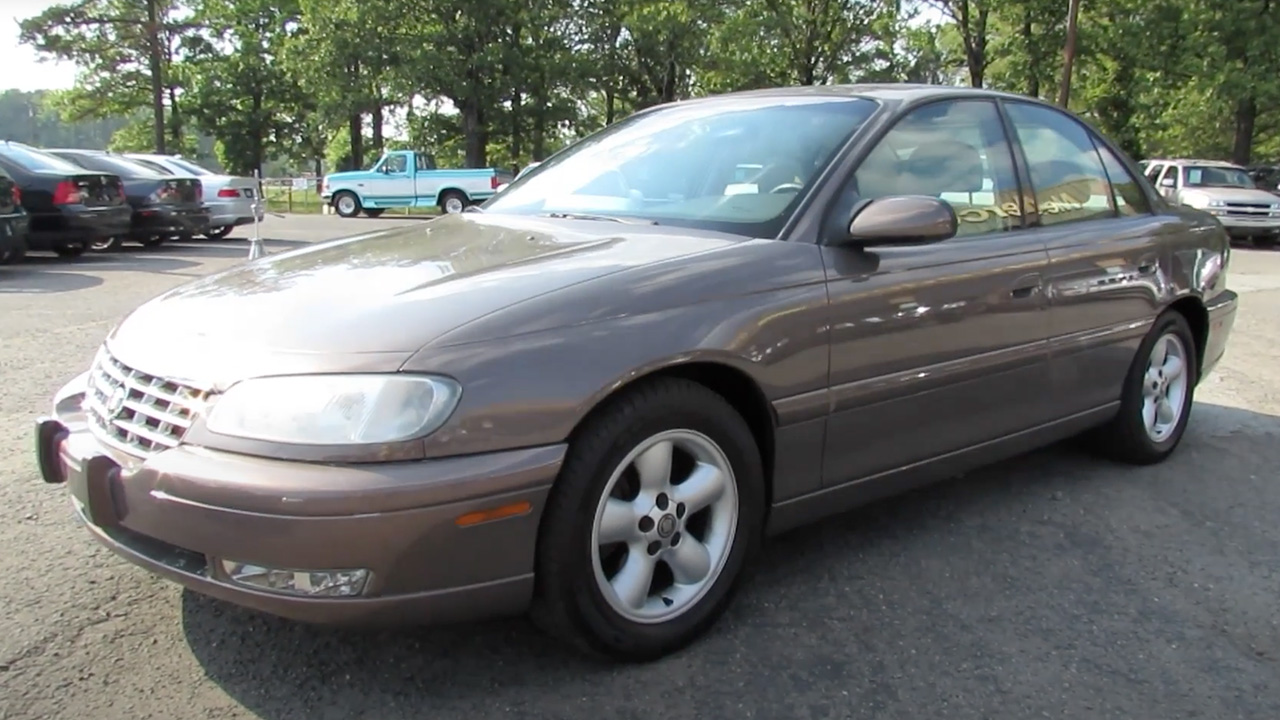
So, how would Cadillac approach this? With a badge engineering job, of course. They borrowed Opel’s Omega, crossed Opel out, wrote Cadillac in sharpie, and presto: the Cadillac Catera.
A Cadillac with German Roots
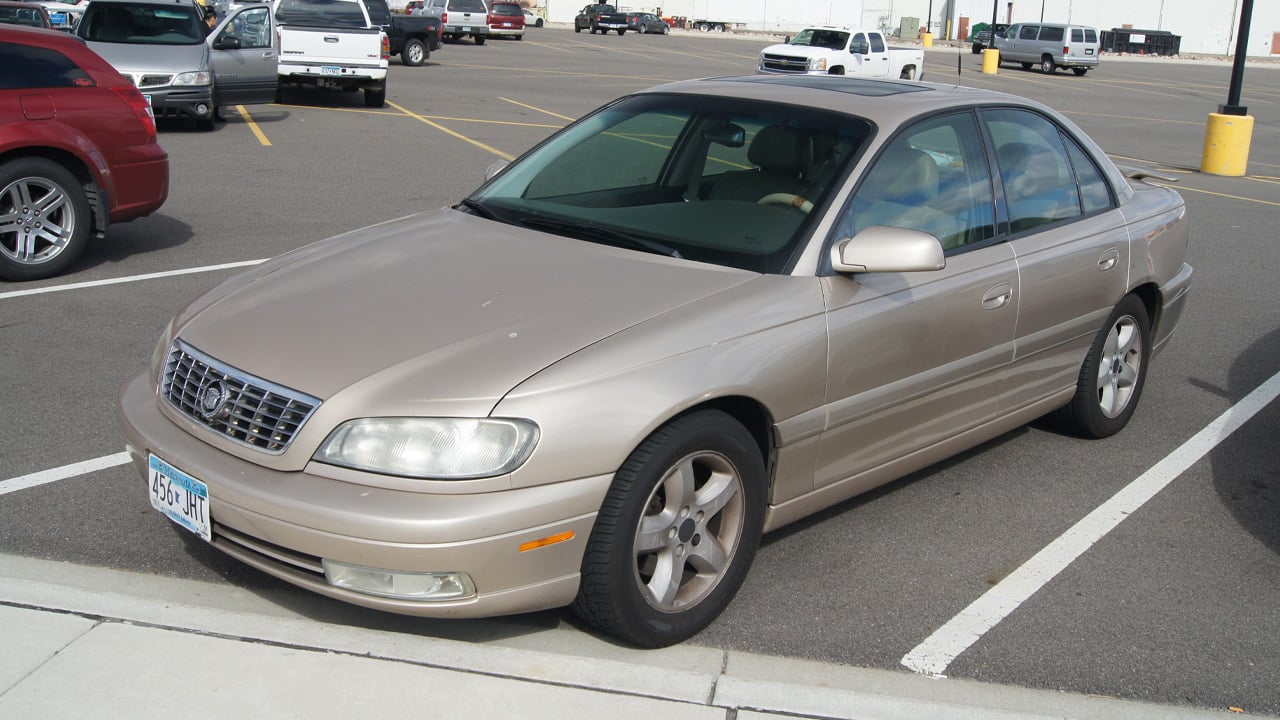
Launched for the 1997 model year, the Cadillac Catera was as much of a Cadillac as a wet wooden plank is a water bed. It wasn’t really a Cadillac at all.
General Motors, being General Motors, simply couldn’t put itself through something as blasphemous as investing real money in a new entry-level luxury sedan built from the ground up.
Meanwhile, in Germany, Opel’s top-of-the-line sedan was the Omega, which was also sold in the UK and Australia, as a Vauxhall and a Holden, respectively.
In Europe, the Omega was placed pretty high on the sedan food chain as a whole, and back in the US, GM saw an opportunity.
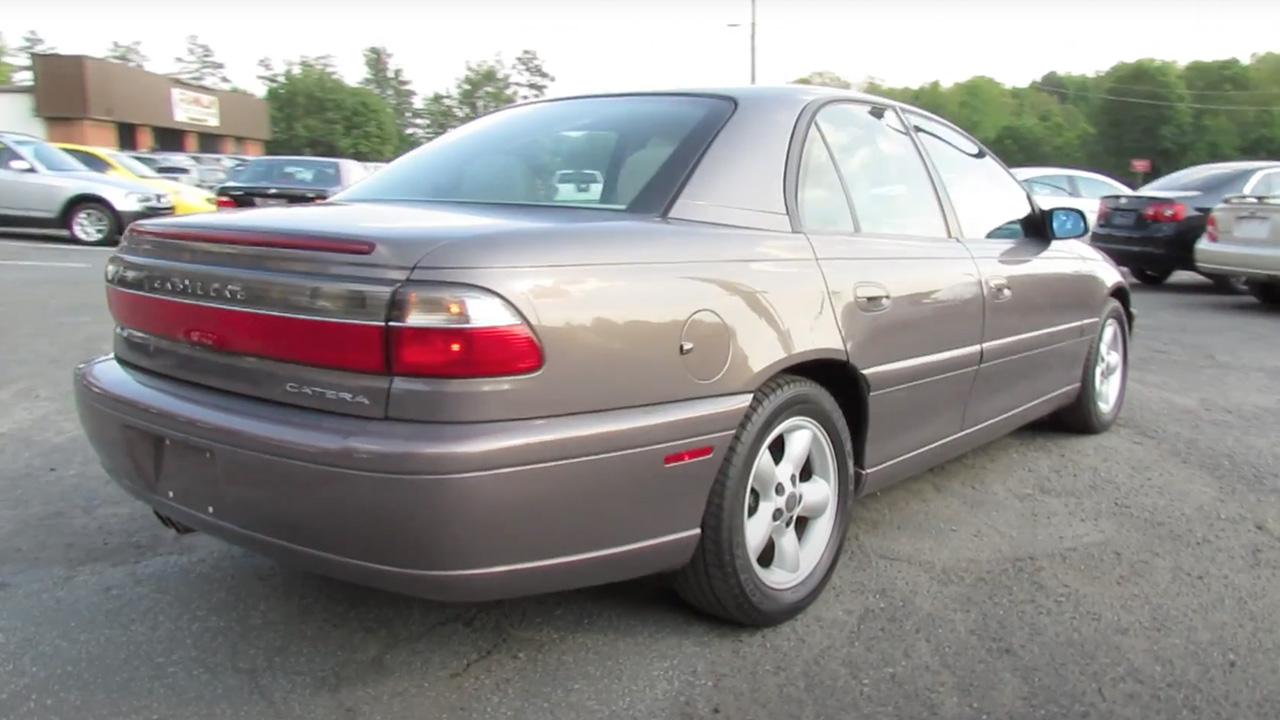
It all started with importing what started out as Omegas from Germany, with only a few minor differences in the styling. The Cateras themselves were built alongside the Omega in Rüsselsheim, with the only major distinguishing features on the outside being the reflectors and marker lights, and the different badging.
The Catera would also get a full-width rear light bar, which the Omega didn’t have. To live up to the badge on the front, the Catera also had chrome wheels, something Opel never offered on the Omega.
So, Cadillac now had an entry-level luxury sedan to compete with the 3 Series and the C-Class, and it certainly looked the part. This is my soft spot for the Omega talking here, but I happen to think the Catera and Omega (and Commodore, actually) are all pretty good-looking cars.
It’s understated, classy, and looks pretty futuristic for mid to late-90s standards. To sweeten the deal further, the Catera was RWD like its competitors. So, what went wrong?
So Many Mistakes Were Made With the Catera
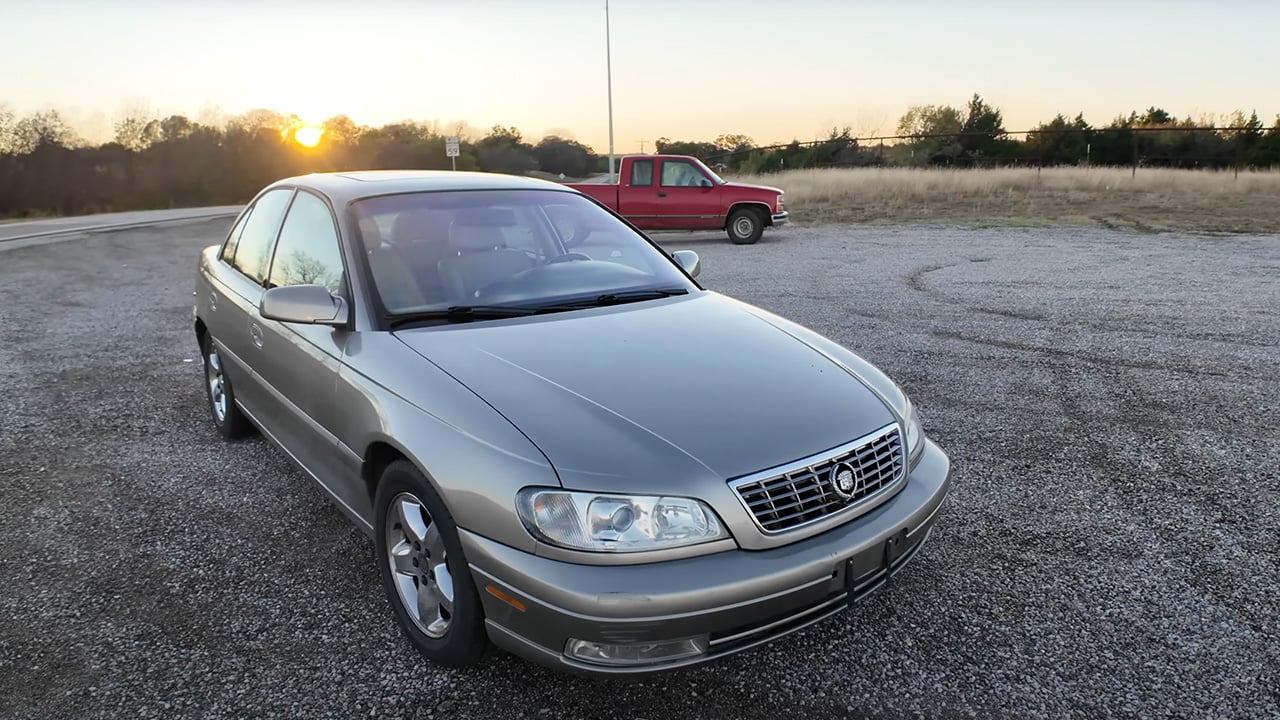
For starters, there’s the cost. As I said, the Cateras were built alongside the EUDM Omegas in Germany, and then shipped to the States ready to be put on the road.
It would have been infinitely more cost-effective to assemble the Catera in the US, with knockdown kits from Germany. The current Ford Ranger is built in South Africa for most global markets, but the USDM Rangers are built in Michigan due to the chicken tax, so it is absolutely possible.
But GM fumbled many other things with the Catera. While the competition offered a good variety of powertrains of varying power outputs, the Catera was only delivered with a 3.0-liter V6 with 200 hp, and it was exclusively hooked up to a lethargic 4-speed automatic.
The Omega offered a massive lineup of engines over in Europe, but I get it, a 3.0-liter V6 is a suitable powertrain for the US market. The biggest missed opportunity here is not giving the Catera a V8 powertrain.
Opel made a V8 powered Omega concept car that was practically production-ready, and we all know about the Holden Commodore. If you don’t, let’s just say that the Aussies love their V8s.
It was possible, but Cadillac decided not to bother. I’m not exactly sure what the marketing department was doing when they came up with “The Caddy that Zigs,” and a cartoon duck telling you why it’s a good idea to buy a Catera.
They also missed an opportunity to own up to the Catera’s origins, as a German-born luxury sedan meant just as much then as it does now.
The interior wasn’t really up to snuff either. Then again, that’s to be expected, as it’s a GM product from the 90s. The Omega, an executive sedan though it may have been in Europe, was seen as inferior in terms of interior quality and features.
Ultimately, the Catera met its maker in 2001. The Omega was discontinued in Europe shortly thereafter, though the platform would eventually return in America with two doors sliced off and a small block V8 under the hood. You may have heard of it, I think they called it the Pontiac GTO or something.
Caddy Joined Them, But They Couldn’t Beat Them

It’s safe to assume that Cadillac had this mentality when coming up with the Catera. If we can’t engineer a car from scratch to take on the Germans, we’ll just borrow a German car and put Cadillac badges on it.
It didn’t work. Amazingly, they tried this whole shtick again with putting Cadillac badges on a Saab, and that didn’t work either. It just goes to show how difficult it is to make a dent in the German executive market. Not that GM tried all that hard, anyway.