
The VW Beetle began limited production in 1938, then entered mass production after 1945, and ran until 2003, making it one of the longest-running continuous-production cars ever, with over 21.5 million units sold.
By the 1960s, it was everywhere: cheap to buy, simple to fix, and endlessly reliable. Unlike most economy cars, the Beetle became something more. It evolved into a cultural icon and developed one of the most passionate followings in automotive history.
Its air-cooled boxer engine, torsion bar suspension, and mechanical simplicity made it a favorite for DIYers and customizers. From Baja off-roaders to Cal Look cruisers to lovingly restored originals, the Beetle became a canvas for creativity.
Decades later, it still turns heads and sparks smiles. It’s hard to imagine today’s mass-market cars inspiring that kind of devotion 50 years from now, but the Beetle still does.
Karmann Ghia
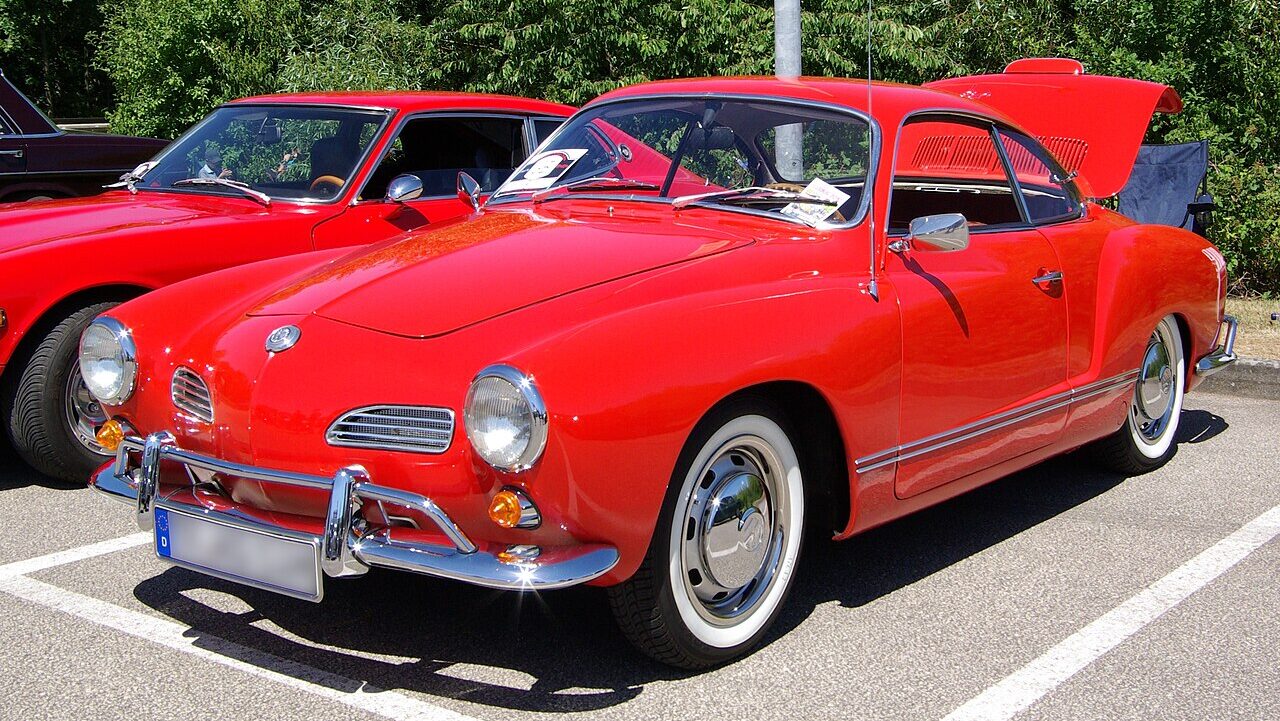
For those with a penchant for style over outright speed, the Karmann Ghia was your sophisticated answer to the utilitarian Beetle. Unveiled in 1955, this was Volkswagen’s audacious second passenger car. It looked like a million bucks, all sleek lines and curves, penned by Italian design house Ghia and hand-built by Karmann in Germany.
The Ghia had a genuinely sporty facade, far more stylish than a Beetle. Unfortunately, under that gorgeous skin beat the heart of, well, a Beetle. Its performance was still pedestrian, but its looks were undeniably exotic. It was more expensive and less practical than its bug-eyed sibling, with an interior designed more for aesthetics than cargo space.
Yet, its timeless design and air-cooled simplicity ensure it remains one of the most aesthetically cherished Vee-Dubs among the vintage crowd. It’s proof that sometimes, looking fast is enough.
Mk1 Rabbit / Golf GTI

Volkswagen kicked off a revolution in 1974 with the utilitarian Mk1 Golf/Rabbit, intended as a sensible replacement for the aging Beetle. But then, in 1976, something truly glorious happened: the Golf GTI landed in Europe. This was not merely a warmed-over commuter; it was a genuine revelation.
With a 1.6-liter engine producing 110 horsepower (later a 1.8L pushing 112 hp) crammed into a chassis weighing under 2,000 pounds, this pint-sized terror could genuinely humble much more expensive and sporty machinery.
The US-bound Rabbit GTI, delayed until 1983, arrived with reduced power (about 90 hp for the early U.S. GTI) but still ignited the market. It wasn’t the first hot hatch, but it was the car that perfected the formula, democratized performance, and spawned an entire segment. Nimble, direct, and shockingly fun, the Mk1 GTI didn’t just become an icon; it became a template for accessible thrills.
Mk2 Golf G60
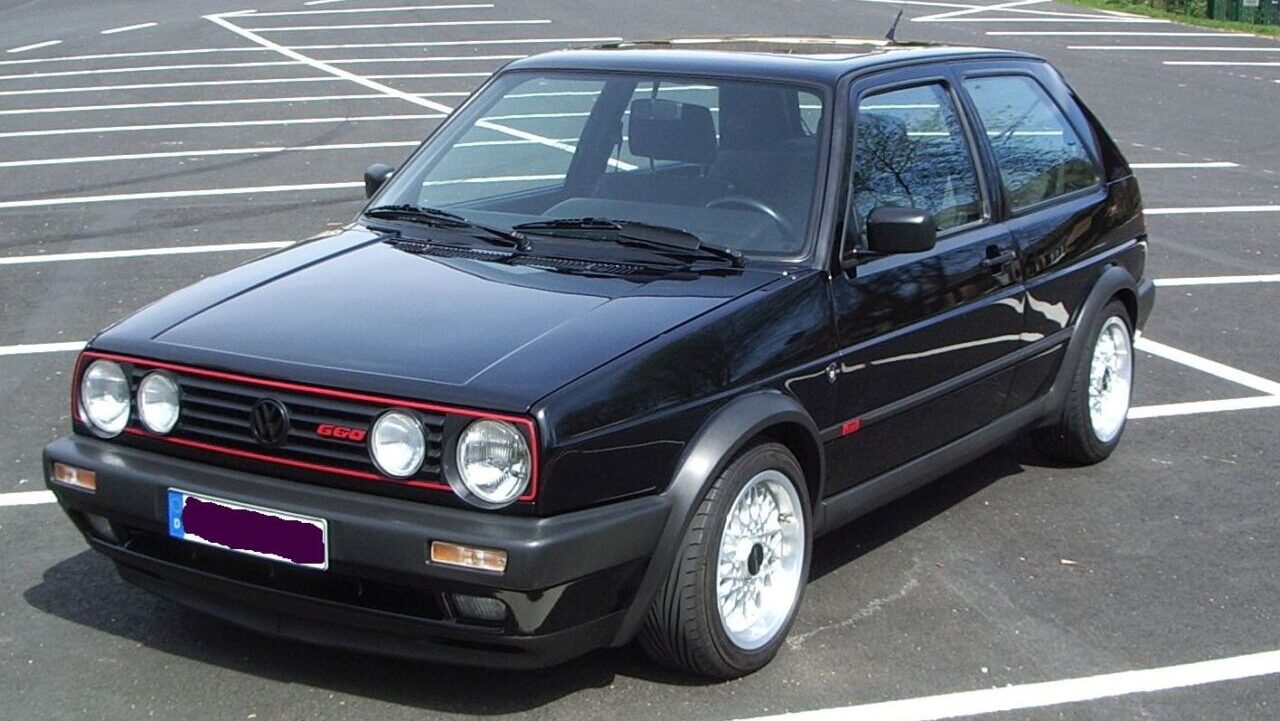
The Mk2 Golf GTI picked up the torch from its legendary predecessor, but the competition wasn’t sleeping. While rivals like the Peugeot 205 GTI were lauded for agility, VW brought the heat with forced induction. The supercharged G60, utilizing an 8-valve 1.8-liter (PG code) engine and a unique G-Lader supercharger, pumped out 160 hp. This was a significant jump from the standard GTI’s 112 hp.
The G60, while somewhat rare, should not be confused with the ultra-rare Golf G60 Limited (only 71 made), which sported a 16-valve engine and 210 hp with Syncro AWD. The standard G60 was a genuine sleeper; only connoisseurs could spot subtle exterior differences, such as wider plastic arches and a bonded windscreen. Its supercharger delivered a distinct whine and immediate torque, making it a proper hot-hatch sleeper that could surprise many a supposedly faster car.
Mk2 Golf Rallye
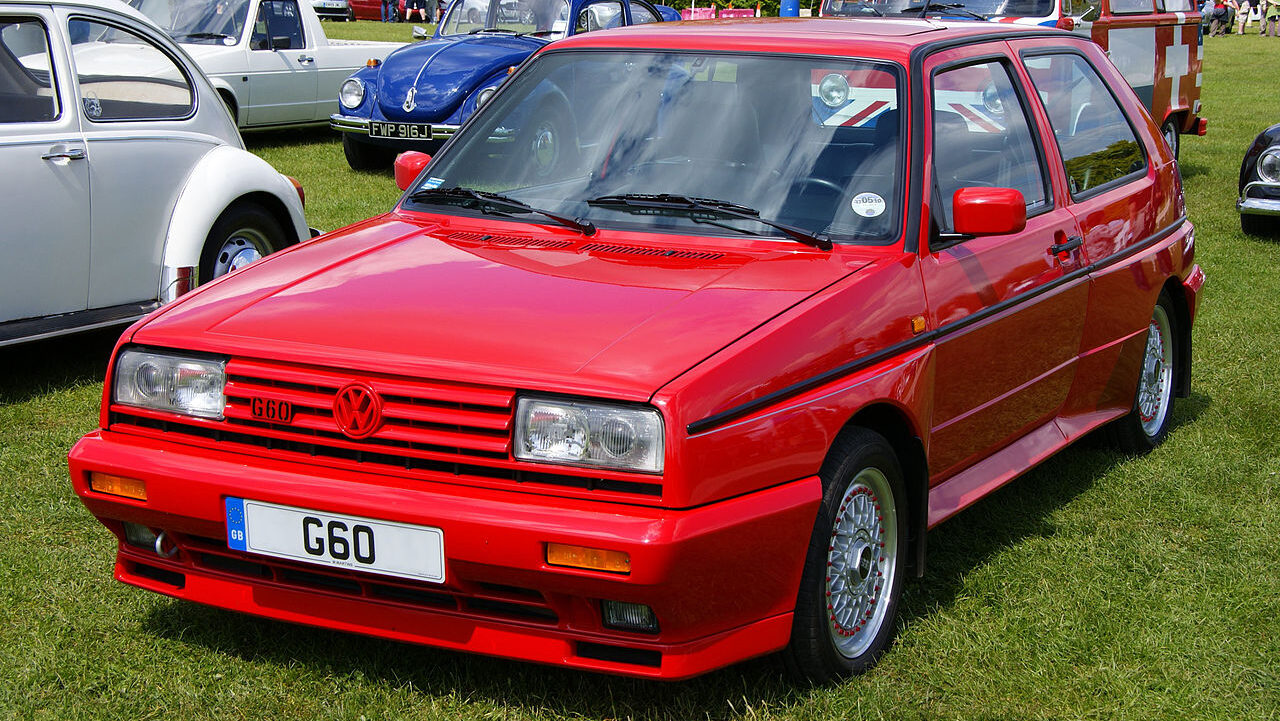
VW built the Golf Rallye for one glorious purpose: Group A rally homologation. This wasn’t your typical Golf; it was a wide-bodied brute. Utilizing the same supercharged 1.8-liter G60 engine as its road-going sibling, the Rallye sent its 160 hp to all four wheels via VW’s sophisticated Syncro AWD system.
The Rallye’s exterior was a complete departure, featuring pronounced, squared-off box fenders (reminiscent of the legendary E30 BMW M3) and distinctive rectangular headlights. Despite its menacing looks and rally pedigree, it famously struggled on the stages, it struggled to match the era’s dominant rivals, but it did notch notable results, including a third-place finish at Rally New Zealand in 1990. Yet, its aggressive stance, rarity (only 5,000 units were built), and homologation special status make it a highly coveted, small-fortune investment for collectors today. It’s the definition of a cult classic.
Mk4 Golf R32

After a somewhat lukewarm Mk3 and Mk4 GTI, VW swung for the fences with the Mk4 Golf R32. This wasn’t just a mildly tuned Golf; it was an entirely different animal. Under the hood roared a naturally aspirated 3.2-liter VR6 engine, churning out 240 hp and a gloriously unique, guttural exhaust note that sounded like a supercar. Power was channeled to all four wheels via a Haldex Traction-based 4Motion AWD system, coupled with a slick 6-speed manual or, more famously, the world’s first production DSG (Direct Shift Gearbox). (DSG was a European option; early U.S. Mk4 R32s were manual-only.)
The R32 also sported an independent rear suspension (a crucial upgrade over previous torsion beam setups), giving it handling prowess commensurate with its power. Only 5,000 units made it to the US in 2004, ensuring its legendary status and cementing it as a reliable performance icon that redefined what a Golf could be.
Mk7 Golf R

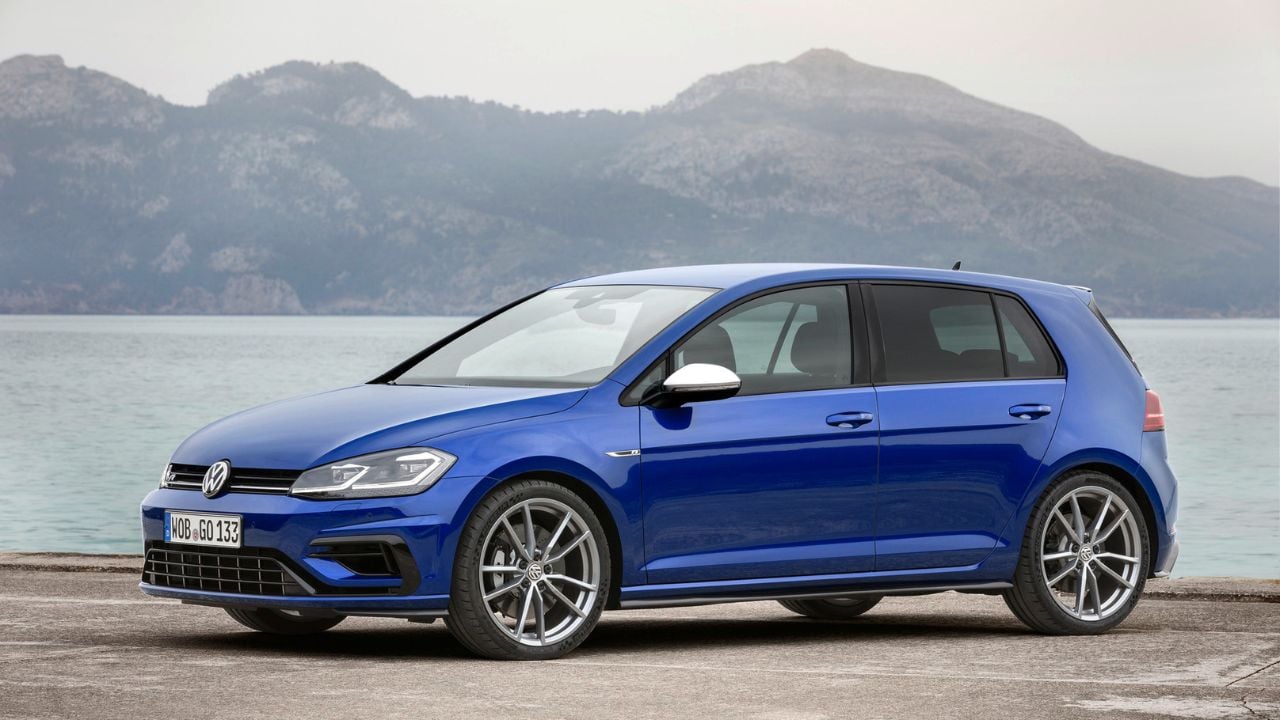
While the Mk5 and Mk6 Golf R models were solid performers, the Mk7 Golf R elevated the humble hot hatch to near-supercar-baiting status. Its EA888 Gen3 2.0-liter turbocharged engine delivers a healthy 280-300 hp (market dependent), channeled through an intelligent Haldex Gen5 AWD system. That’s plenty of motivation in a compact car, but here’s the dirty secret: that engine is practically bomb-proof.
Tuners and enthusiasts have extreme builds have pushed stock-block Mk7 Golf Rs into the roughly 600–700 hp neighborhood, with higher numbers typically requiring more reinforcement and careful tuning while maintaining daily drivability. This unsuspecting German rocket can keep pace with high-dollar machinery; ask Moog from Mighty Car Mods, who famously kept pace with a Lamborghini Huracán Performante in his tuned Mk7 R. It’s the ultimate sleeper: it looks like a polite commuter. Still, it pulls harder than your ex’s emotional baggage.
Corrado

The Volkswagen Corrado was a sleek 2+2 coupe engineered as a successor to the Scirocco, though the two overlapped for a time. Built by the same meticulous hands at Karmann in Osnabrück that crafted the Karmann Ghia, the Corrado embodied sophisticated German design with accessible performance. It offered a range of engines, from capable naturally aspirated 4-cylinders to supercharged G60s.
However, the real enthusiast’s choice was the mighty VR6 (2.8L, 178hp US-spec / 2.9L, 187hp Euro-spec), providing a unique narrow-angle V6 sound and power delivery. Its active rear spoiler, which deployed at speed, was a cool party trick, and its handling was sharp. To this day, the Corrado stands as one of the most stylish Vee-Dubs ever, boasting a timeless design and a dedicated following who appreciates its blend of elegance and driver engagement.
Mk2 Scirocco

The original Scirocco shared its underpinnings with the Mk1 Golf, a somewhat basic but stylish coupe. For its second generation, the Mk2 Scirocco truly came into its own, transforming into a distinct and proper sports coupe with a much more defined silhouette. It broke away from being just a Golf derivative to become a standalone model in terms of aesthetics.
Available in a dizzying array of trim levels and with a whopping 11 engine options (though not all were offered in every market), the Mk2 Scirocco sold hundreds of thousands of units. Despite the last ones rolling off the line in 1992, its sleek profile and accessible performance ensure it retains a devoted following among VW enthusiasts. It’s a testament to good design aging gracefully.
Mk3 Scirocco

Sticking to its roots, the Mk3 Scirocco (launched in 2008) also shared its platform with the Mk5 Golf, which automotive critics heralded as the model that made the GTI truly fun to drive again. This was a perfect marriage: the acclaimed chassis combined with the Scirocco’s distinctive, aggressive coupe styling.
It garnered glowing reviews from automotive journalists worldwide, quickly becoming a favorite among those seeking an affordable yet genuinely sporty and stylish coupe. Unfortunately, for North American enthusiasts, this sleek machine remained a tantalizing myth; it was never officially offered in the States. It’s the ultimate forbidden fruit, a constant reminder of what could have been and a source of quiet resentment for many a VW loyalist.
Polo GTI
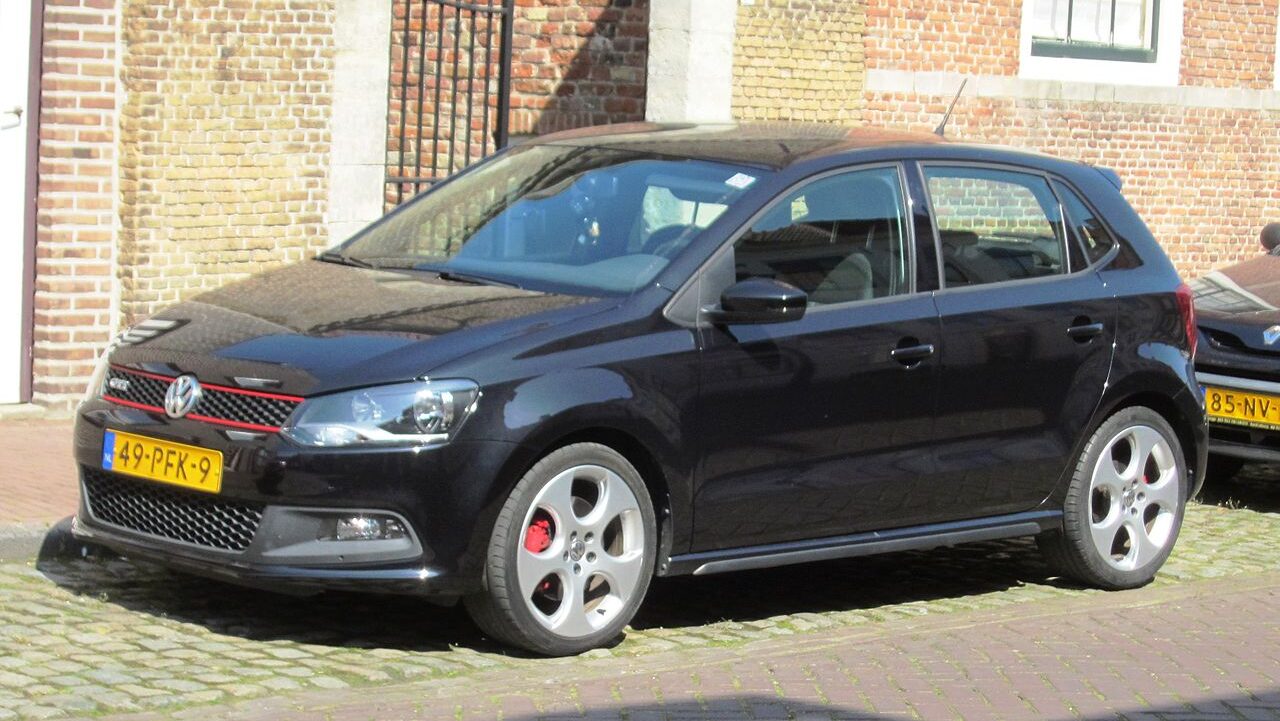
In 2009, Volkswagen unleashed the fifth-generation Polo, which proceeded to sweep the awards circuit like a hyperactive vacuum cleaner: 2010 European Car of the Year, 2010 World Car of the Year, 2010-2011 Japan Import Car of the Year, and What Car? Supermini of the Year 2010. Clearly, this compact car had a pedigree.
The Polo GTI variant looks far more aggressive than its standard siblings and packs a serious punch for its size. Early models featured a sophisticated 1.4-liter “Twincharger” engine, using both a turbocharger and a supercharger to deliver 178 hp. Later versions simplified to a still potent turbocharged 1.8-liter with 189 hp. This thing is a pocket rocket, an absolute terror on tight roads, proving big fun can come in tiny, angry packages.
Polo G40
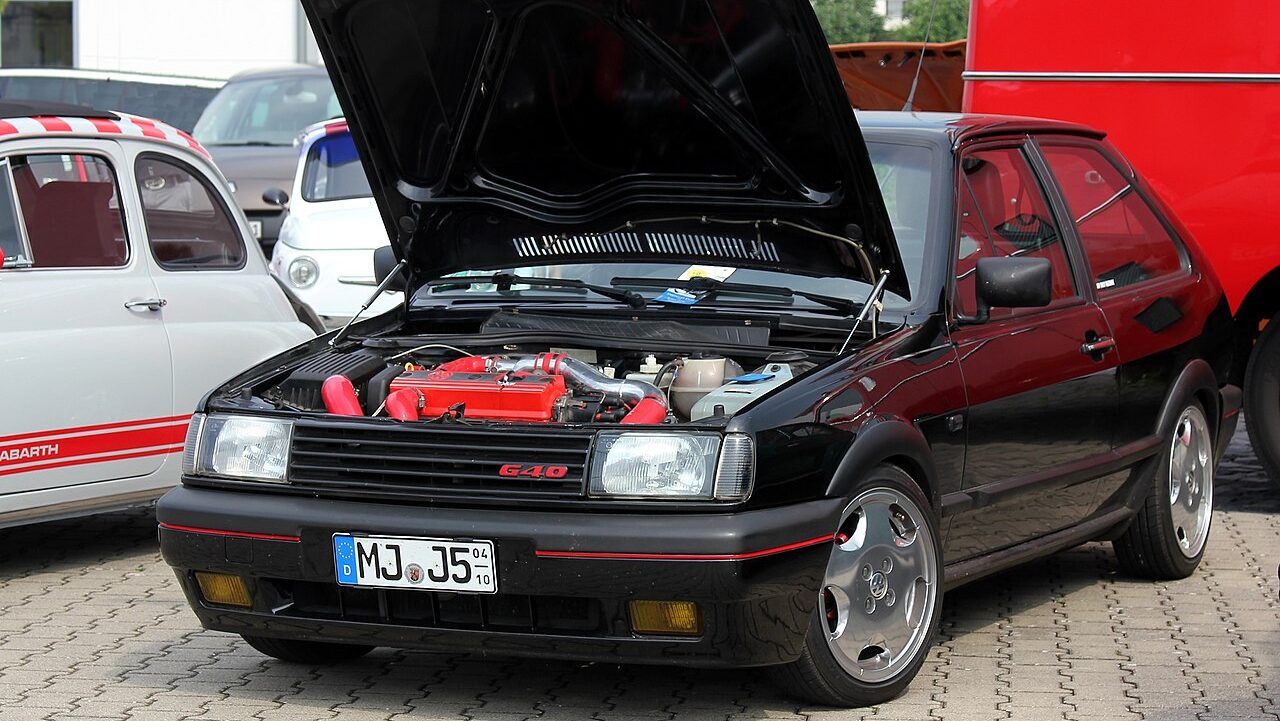
Volkswagen has always been a fan of pushing boundaries with its smaller platforms, and in 1987, it introduced the truly unique supercharged Polo G40. This little beast predated its larger Golf and Corrado siblings in utilizing VW’s distinctive G-Lader supercharger.
With that compact supercharger bolted to its tiny 1272cc engine, it produced a surprising 113 hp. That was enough to launch it to 60 mph in just 8.1 seconds and on to a top speed of 122 mph. VW even used the G40 to set world endurance speed records, including 1300 cc class records for speed over 24 hours and over a distance of 5000 km. It was a tiny supercharged chainsaw on wheels, a genuine micro-sleeper that proved even a Polo could set records.
Up GTI
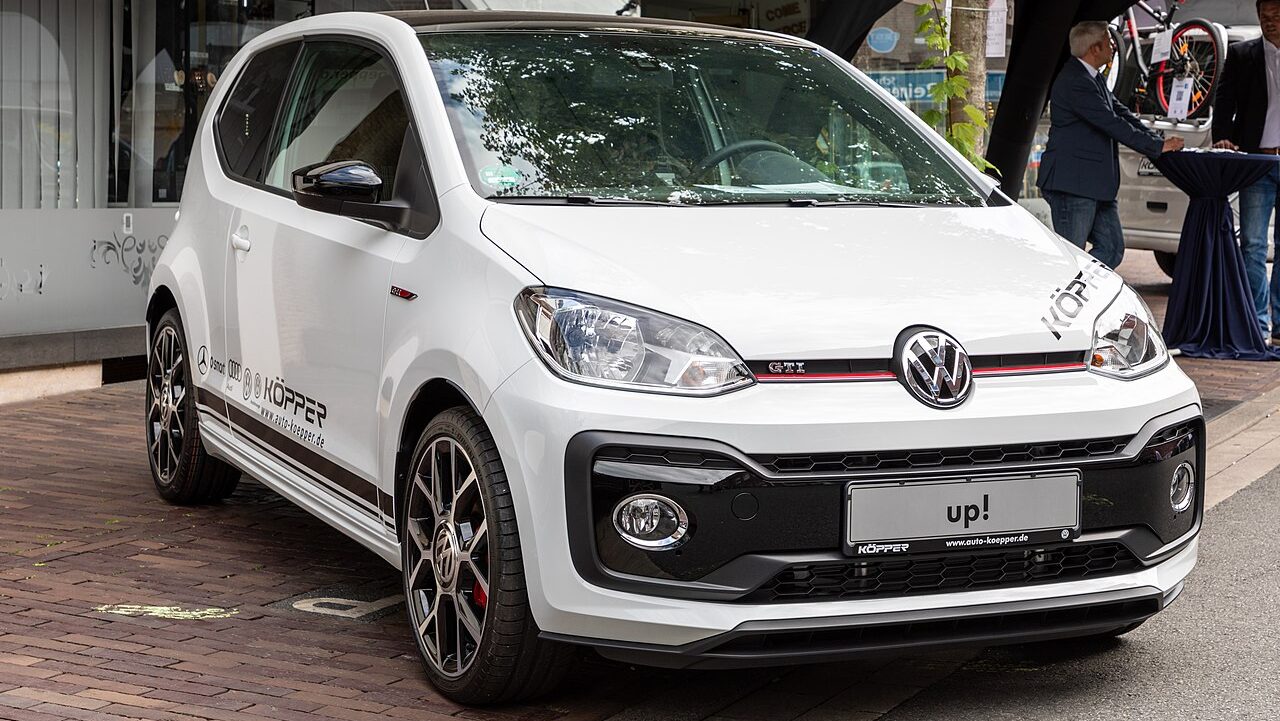
Another prime example of Wolfsburg’s disdain for North American enthusiast wallets, the VW Up! GTI is sadly unavailable across the pond. Yet, it has been met with fervent enthusiasm elsewhere. While marketed as a tiny city car, it’s 105 mm shorter than a Mk1 Golf GTI and only slightly wider, close enough to feel like a modern echo to the original Mk1 Golf/Rabbit GTI, a crucial detail for purists.
And the spirit? It’s all there. Its 1.0-liter three-cylinder TSI engine, while diminutive, punches out 113 horsepower, almost perfectly matching the Mk1’s original output. Power is channeled to the front wheels via a crisp six-speed manual gearbox, propelling it to 62 mph in 8.8 seconds and a top speed of 122 mph. This car is a joyful, lightweight return to the roots of the hot hatch, a truly distilled GTI experience for those fortunate enough to buy one.
VW: The Unassuming Architects of Automotive Passion

Volkswagen may have started with a mission rooted in simplicity and affordability, but its impact on car culture runs far deeper. Over the decades, VW has quietly built a legacy that resonates with tuners, purists, and enthusiasts alike. From slammed Mk2 GTIs and rally-homologation specials to lovingly restored air-cooled classics and track-capable Golf Rs, VW continues to prove that the “People’s Car” can also be the driver’s car.
From timeless icons to modern performance sleepers, these cars were built to make the journey matter.
If you’ve got a deep-cut favorite that deserves more love, drop it in the comments. We know the VW faithful never run out of stories to tell.