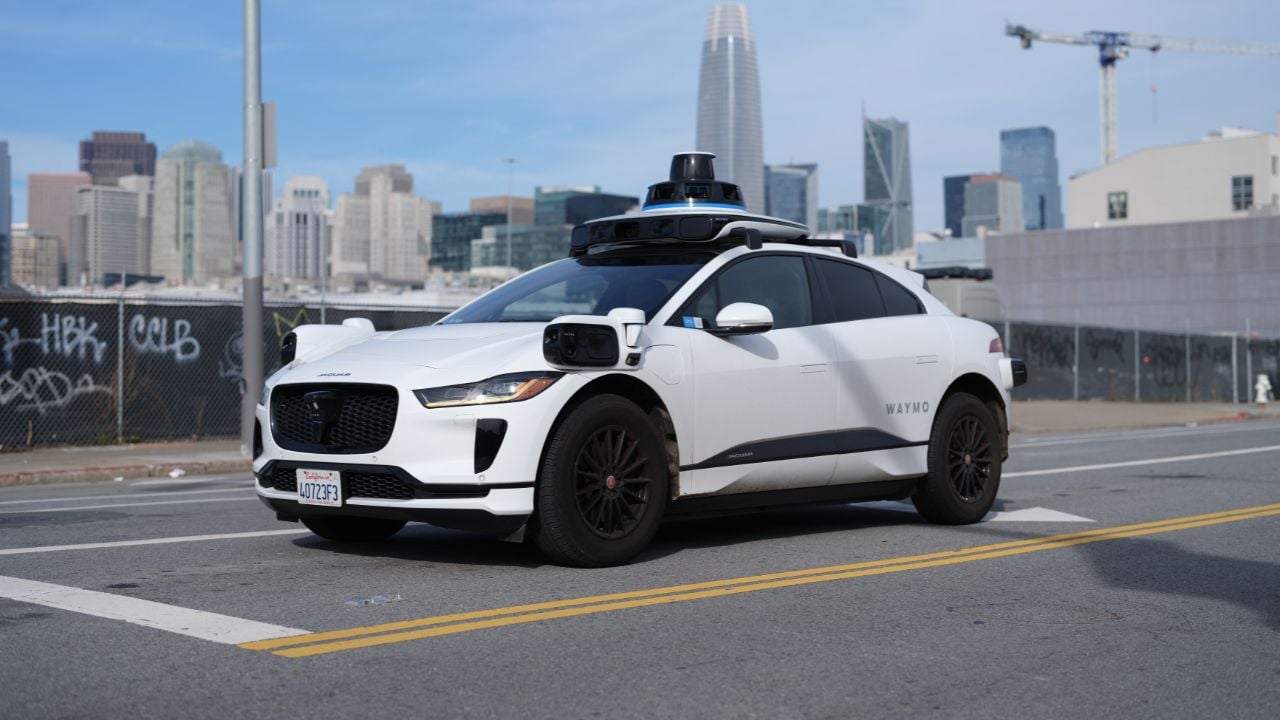
A driverless car offered no fare savings over Uber in a San Antonio airport test. In an Oct. 15 comparison by KSAT, both apps showed prices of about $24 for a ride from the station’s downtown office to San Antonio International Airport.
Lyft had the lowest quote at about $21. Those prices came from one check of the apps, so they do not establish which service is usually cheapest.
The station described the usual drive as about 15 minutes in light traffic. Its Waymo ride took 31 minutes, though that was not a timed race against an Uber or Lyft traveling alongside it.
The test followed Waymo’s Oct. 14 announcement that anyone could use its San Antonio service without an invite code. Airport rides were also available to all riders, giving travelers another choice for getting to a flight.
The Airport Run
Embedded media follows; please allow a moment for it to load.
Before the drive began, the team waited roughly 10 minutes. The car stopped at a nearby corner instead of the requested pickup spot, which added a short walk.
The route then followed McCullough Avenue and residential streets instead of U.S. Highway 281. A Waymo spokesperson told KSAT that its cars were not using freeways in San Antonio at that time.
For the return journey, an Uber driver arrived in about two minutes. The fare was around $24. KSAT also received a taxi quote of $30 to $40.
Before You Book
Waymo’s pricing policy lists a minimum charge, trip distance, and trip time among the factors used to set fares. Demand and available cars near both ends of the trip can affect the price, too.
Airport fees, tolls, advance bookings, and promotions can also change what a rider pays. The company directs customers to its app for a current estimate.
An unexpected detour does not add to the fare for that trip. Waymo bases its price on the most direct route, although changing the destination or incurring other charges can affect the total.
Uber also considers expected travel time, distance, and demand when setting an upfront price. Its estimate includes applicable tolls, taxes, surcharges, and fees, except waiting-time fees.
At Lyft, prices reflect the ride type, time, traffic, and driver availability. Busy periods, events, and bad weather can push fares higher. The upfront price includes applicable tolls, a service fee, and local charges such as airport fees.
Lyft’s final charge can change if a rider adds stops, changes the destination, or adds a tip. A trip that takes longer or shorter than expected can also change the bill.