An expert and fuel hauler has taken to TikTok to voice his concerns about filling up a vehicle with 87-octane gasoline. In fact, he says that the next time you are at a pump with 87-octane fuel, you might want to reconsider using it.
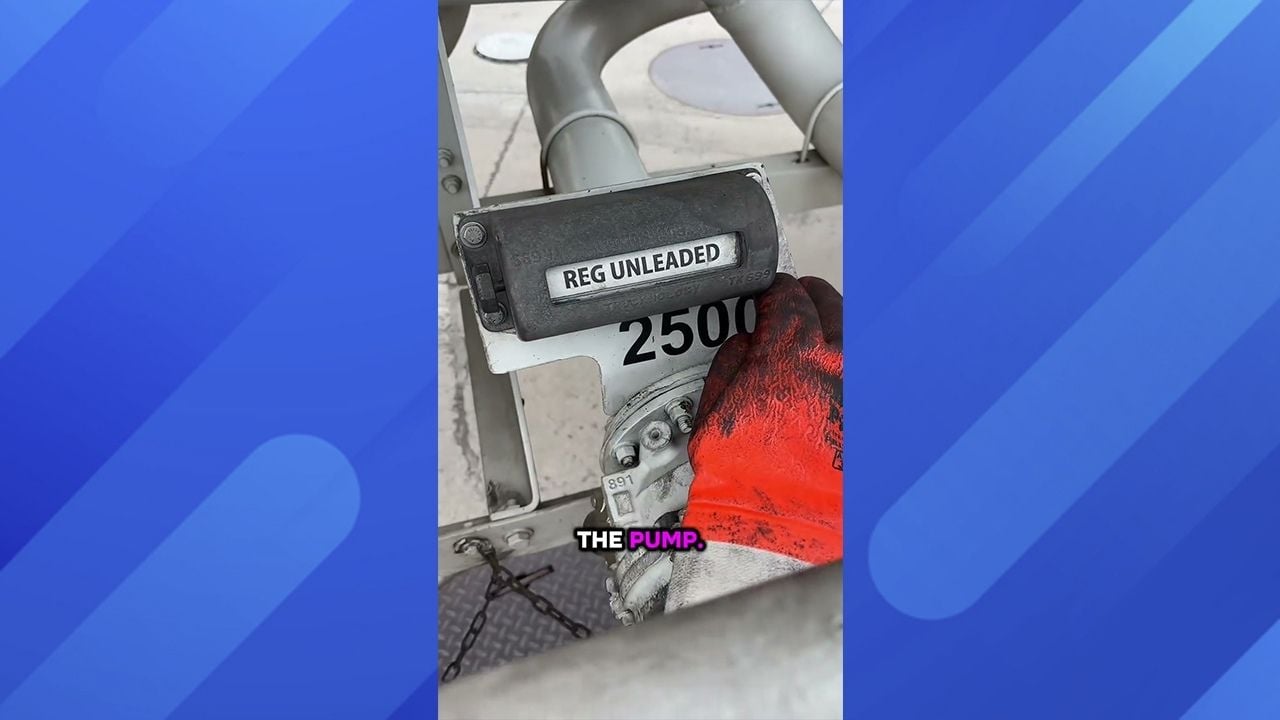
Fuel hauler Blaine (@houseofblaine) discussed the fuel in a TikTok that, at the time of writing, had 132,000 views. He said he wanted to share a “gasoline fun fact” as he was filling up the gas station’s underground supply. His video continues to gain traction.
For anyone not in the know, 87-octane is regular gasoline, which you will typically find at every gas station and can use to fill your car up. Higher performance engines tend to require higher-octane fuel. The higher the octane rating, the more the gas can withstand pressure without igniting early.
Blaine’s video specifically referenced the ethanol content inside 87-octane gas. “When you fill up your car at the pump, you probably put in 87-octane regular gas,” Blaine said. “And you’ve probably seen it on the sticker on the pump. It says, ‘May contain up to 10% ethanol,’” he added.
What Did Blaine Say About the Gasoline?
@houseofblaine #fuelhauler #oilandgas #hazmat #trucking #gasstation ♬ original sound – houseofblaine
Blaine continued by stating that gasoline starts at an 84-octane base fuel rating, with no ethanol mixed into it. The gas terminal then blends that with 10 percent ethanol. This increases the fuel’s octane rating, bumping it up to 87 octane from 84. “When you put ethanol in gasoline, it raises the octane level from 84 to 87,” Blaine said. Ethanol itself has a higher octane rating compared to the gasoline base.
In short, adding it increases the octane rating of the final fuel blend. Any 87-octane gas is considered standard, with premium gasoline rated at 91-94 octane, and you would typically use these in higher-performance cars like supercars or hypercars. But there are reasons you might want to reconsider regular 87-octane gasoline and instead use higher-octane fuel in your car.
While the cost will rise, it is more resistant to engine knock. It can benefit turbocharged cars, as well as regular family cars. Some say that any fuel with ethanol content, like 87-octane, can make their engines knock, so they try to use fuel with lower ethanol content if possible. Some also felt it gave them lower fuel economy. “More ethanol = less fuel economy,” a comment on the video posted by Blaine said. “I absolutely avoid anything with ethanol. Makes my engines knock,” another said.
Does Everyone Need To Reconsider 87-Octane?
A huge number of people in Blaine’s comments section directed a lot of slander towards 87-octane and ethanol in general. In fact, more people said they would avoid it than stick with the fuel, with several saying they usually buy a more premium mix at the gas station.
While 87-octane is, of course, fine for most cars, Blaine’s video definitely gives us some food for thought about what fuel we put in our cars.