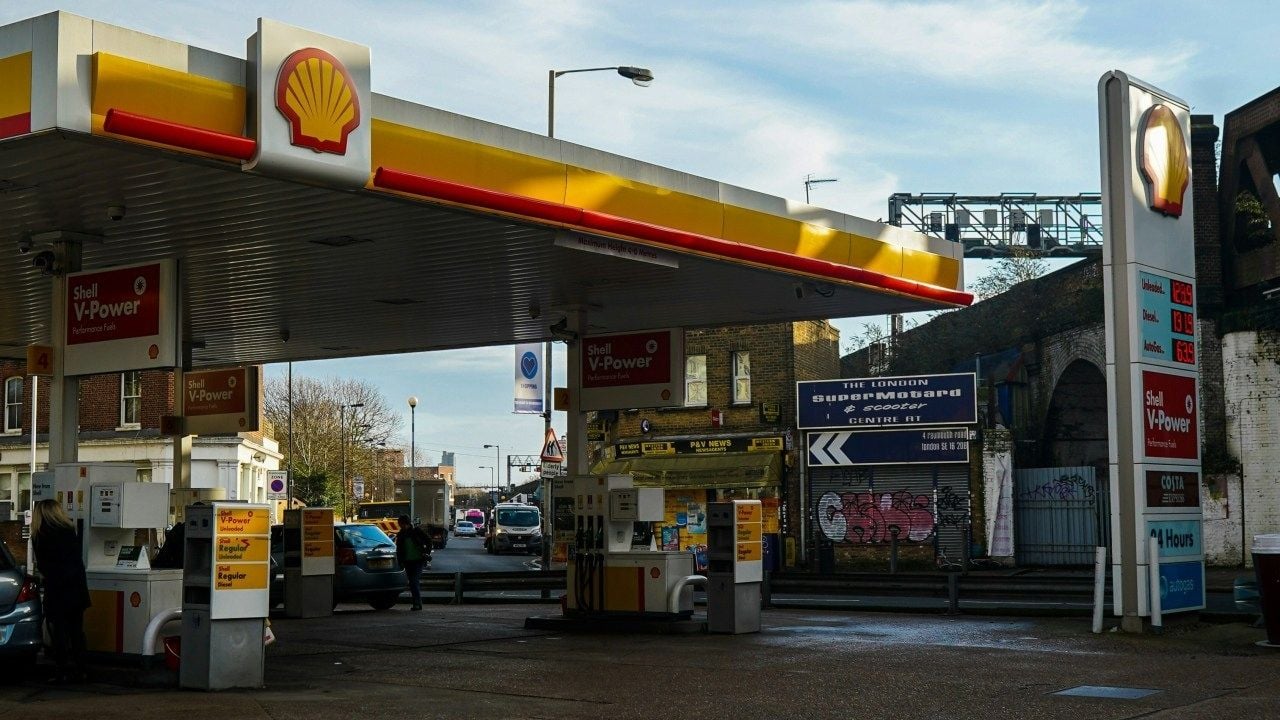
The price of gasoline has been a talking point for months, mainly thanks to the current war in Iran that has seen prices soar. That is being felt in the UK in particular, with prices recently surging and putting family budgets under strain.
According to the RAC, speaking to Yorkshire Live, gasoline prices in the UK are at their highest levels in four years. The last time prices were this high was September 2022, only a few months after Russia invaded Ukraine, which also saw prices start to spike.
Fuel prices have been a global problem throughout 2026. The United States and the UK seem to be two of the hardest-hit countries, with oil markets reacting to the ongoing US-Iran conflict. The conflict has pushed Brent crude above $100 a barrel, and widespread concerns about oil supply have grown, largely due to the blockade of the Strait of Hormuz.
With the higher prices comes more strain on families. Family budgets are under enough strain as it is, but the rise in gasoline prices is just adding to their woes. In the UK, the RAC is hoping government ministers can step in to try and ease some of the pain the prices are causing.
How Bad Are Fuel Prices in the UK?
According to the RAC, the average price of unleaded fuel has climbed by 5p a litre in just a week, to reach 167.17p. Diesel has risen by the same amount to 188.63p a litre. Filling a family car now costs £2.75, or $3.70 more, than it did just seven days ago. Gas prices in the UK are at their highest level since September 2022, with diesel at its highest since April.
The RAC has said it wants ministers to step in to try and ease the situation. They want the government to keep fuel duty frozen and stop the planned rises from beginning in January. Keeping fuel duty frozen, in theory, stops prices from increasing further at gas stations, and it should help families out when it comes to refuelling their cars.
RAC senior policy officer Rod Dennis said: “Drivers are having to dig ever deeper into their pockets every time they fill up, and there’s no sign of any relief yet.” According to Dennis, oil has averaged around $96 a barrel over the past week. Wholesale costs have been pushed up, which then filter through to the forecourts. Brent crude has also jumped above $100 a barrel, hitting around $101 a barrel due to recent attacks in the Middle East.
Drivers Are Really Feeling the Pinch
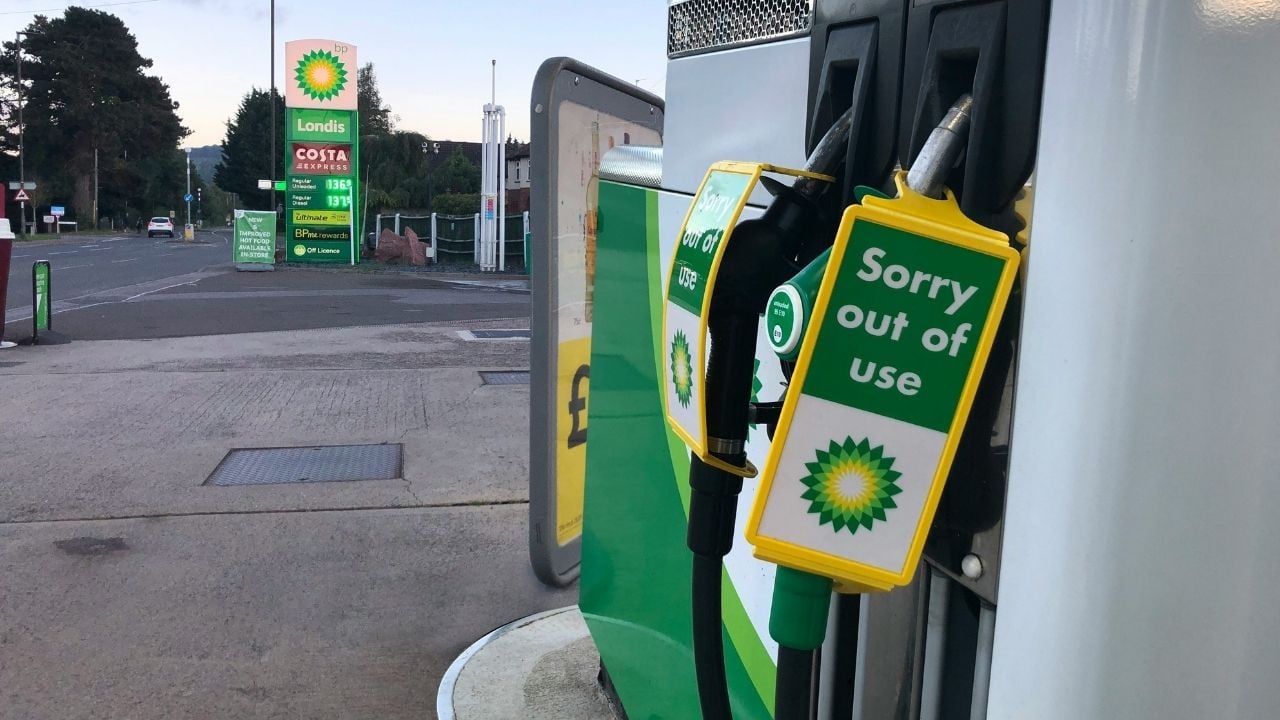
If crude oil prices keep rising or at least stay high, then the impact of this could be felt elsewhere. High fuel costs can lead to an increase in the price of transporting goods such as food, or even for those running a business. That can lead to a rise in prices across a wider spectrum of the economy, potentially even leading to higher inflation at a time when it is already very high in the UK. So motorists will begin to feel the pinch in other aspects of their lives.
The Bank of England has already confirmed that higher global energy prices are contributing to inflation in the UK. Fuel and energy bills are going up, and it could get a lot worse before it begins to get better. The RAC also said that this shows how exposed UK drivers are to overseas events, and with no end to the current conflict in sight, nobody is sure when it might get better. According to the RAC, drivers should drive as efficiently as possible and use fuel-price apps to see the cheapest fuel prices near them.