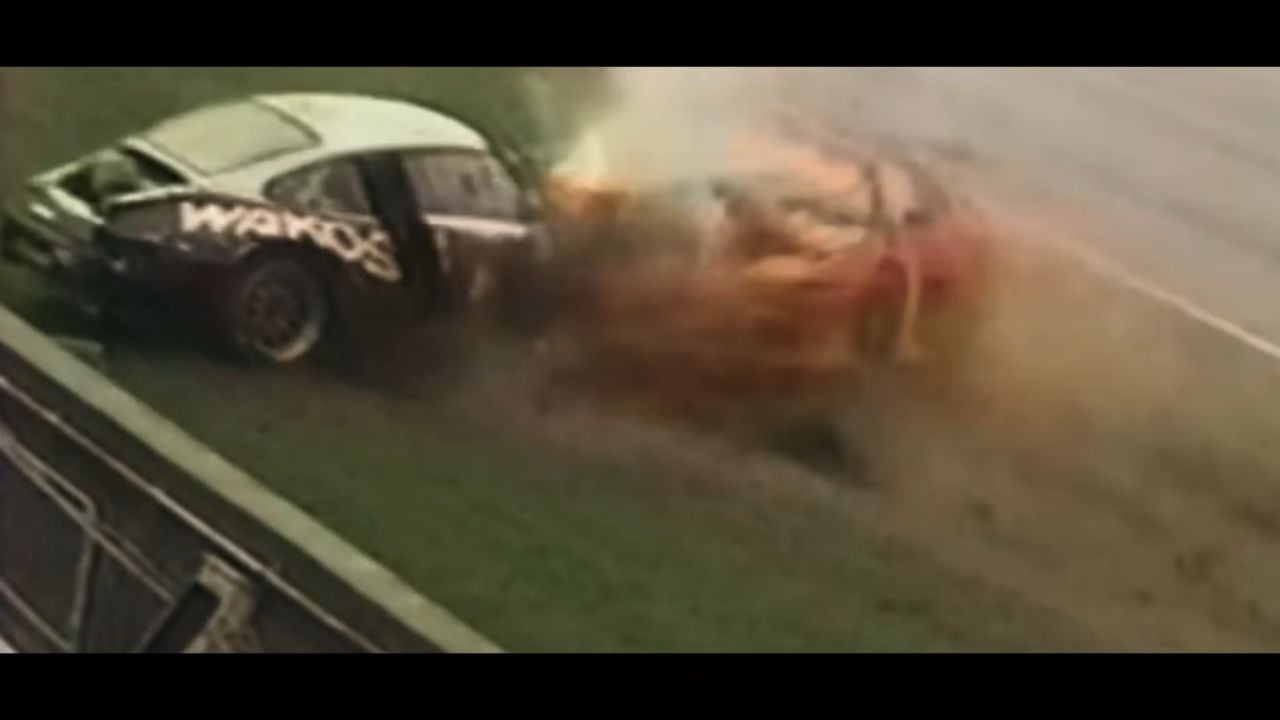
Motorsport is a dangerous game. It always has been, and it always will be. Thankfully, over the last two to three decades, deaths in racing have been mercifully low. Yet some crashes, as horrific as they are, can change the sport forever, as did one back in Japan in 1998.
YouTuber Josh Revell recently covered the crash in a brilliant video. It took place at Fuji Speedway in 1998, with the series being the All Japan Grand Touring Car Championship. The series today is known as Super GT.
It was, and still is, one of the premier sports car racing series in the world. But in 1998, the round at Fuji Speedway, held in the shadow of Mount Fuji, was to take place in horrible weather conditions. And we mean horrible. It was wet, misty, and visibility was at a premium.
Racing that day was Tetsuya Ota, a driver who had become Ferrari’s main man in Japan. He had started racing slightly later in life, but soon made a name for himself in sports car racing. Yet on this day in 1998, his life was about to change forever.
The Backstory to the Accident at Fuji Speedway
Ota had a slow-burning career, but after racing in Formula Japan 1600, Formula 3, and Japan F3000, he eventually began to make a name for himself in sports car racing. He became a factory driver for Mazda and would soon begin driving for Ferrari. By the mid-1990s, he was their main driver in Japan and Maranello’s highest-regarded driver in the country.
On that day in Fuji, the weather was horrendous. Wet and with poor visibility, the pace car led the field around for extra laps to give the drivers more of a feel for the conditions. Yet after maintainign 150km/h down the main straight, the pace car suddenly slowed down. This caused a concertina effect, and drivers had to check up. This is when things went wrong. Two Porsches collided and headed into the barriers. A BMW then had to avoid the mess before things got much worse.
Ota’s Ferrari suddenly slid off the track, hit one of the Porsches, and the car, full of fuel for the race’s first stint, burst into flames. The fire stretched the width of the track. One of the Porsche drivers broke his leg, but he managed to get out of his car. Ota, however, was trapped inside his car. And the trackside marshals were nowhere to be seen. But, disregarding his own safety, Mazda driver Shinichi Yamaji stopped, grabbed a fire extinguisher, started to put the fire out, and dragged his fellow racer out of his car.
Things Then Went From Bad To Worse
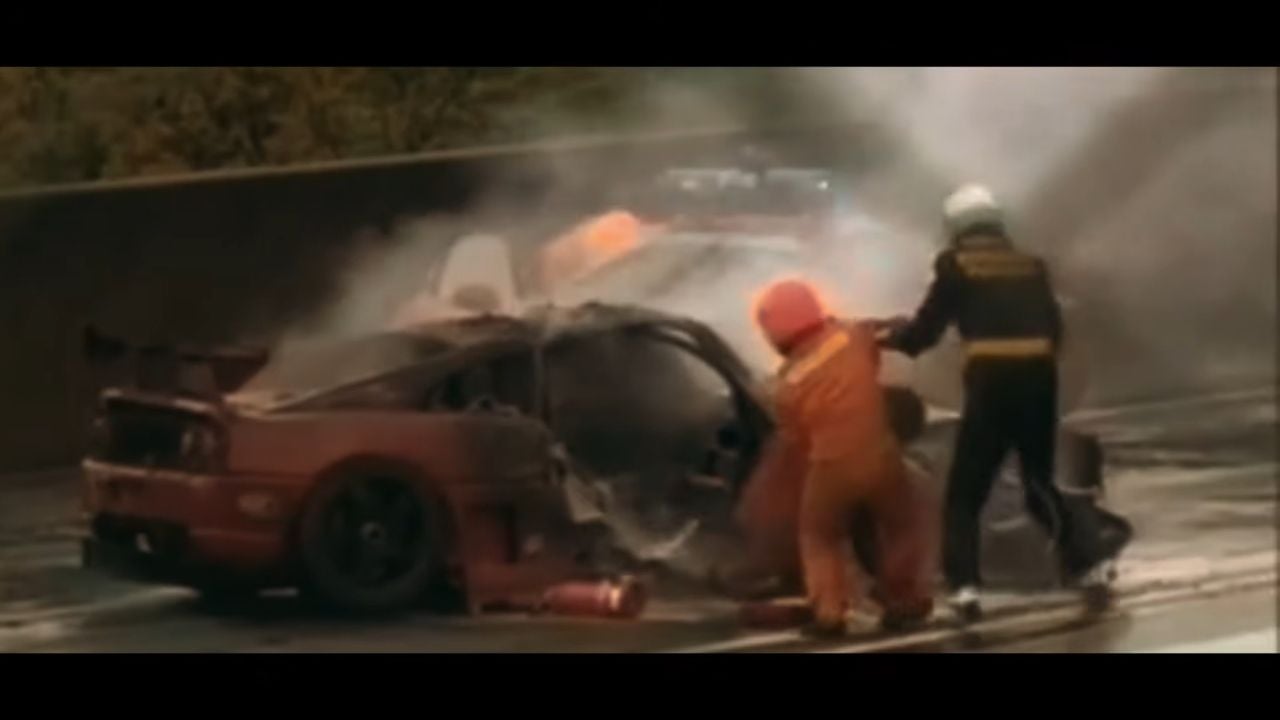
Yet, despite this, the marshals still didn’t appear. It took 90 seconds for them to do so, and after laying Ota down, the marshals just abandoned him. All while his helmet had begun to melt, with the visor melting onto Ota’s face. Blind and gasping for air, he was fighting for his life. By the time he was placed into an ambulance, Ota had third-degree burns to his face and neck.
Ota did pull through and survive. But he underwent so many surgeries to his face and nerves over 12 months, causing all sorts of pain for the racing driver. Tragically, nerve damage would mean that Ota would never race again. Yet despite contemplating taking his own life, Ota’s stance changed when he saw the report on the crash from the Japan Automobile Federation.
The JAF said marshals had arrived on the scene after just 20 seconds and tried to pin the blame on Ota himself. Ota could accept some of the blame, due to throwing the car into the barriers; he couldn’t believe what the report said regarding the marshals. Ota then decided to sue the parties involved for 290 million yen in damages, beginning a four-year-long legal battle.
Ota Would Eventually Win the Legal Battle
Ota and others had been made to sign a waiver before the race. This absolved the organizers of any blame should such an accident take place. Yet thankfully, Judge Tsuyoshi Ono presided over the case, which worked in Ota’s favor. In October 2003, all parties involved were found guilty of negligence, with TV images from the crash sealing the verdict.
Ota won 90 million yen in damages, and a raft of changes were made to ensure an accident like this could never happen again. Ota himself would become a car tuner, and even raced in the lower levels. Yamaji meanwhile raced on to huge success, but in 2014, after checking himself into a hospital, he would pass away the next day due to a worsening illness.