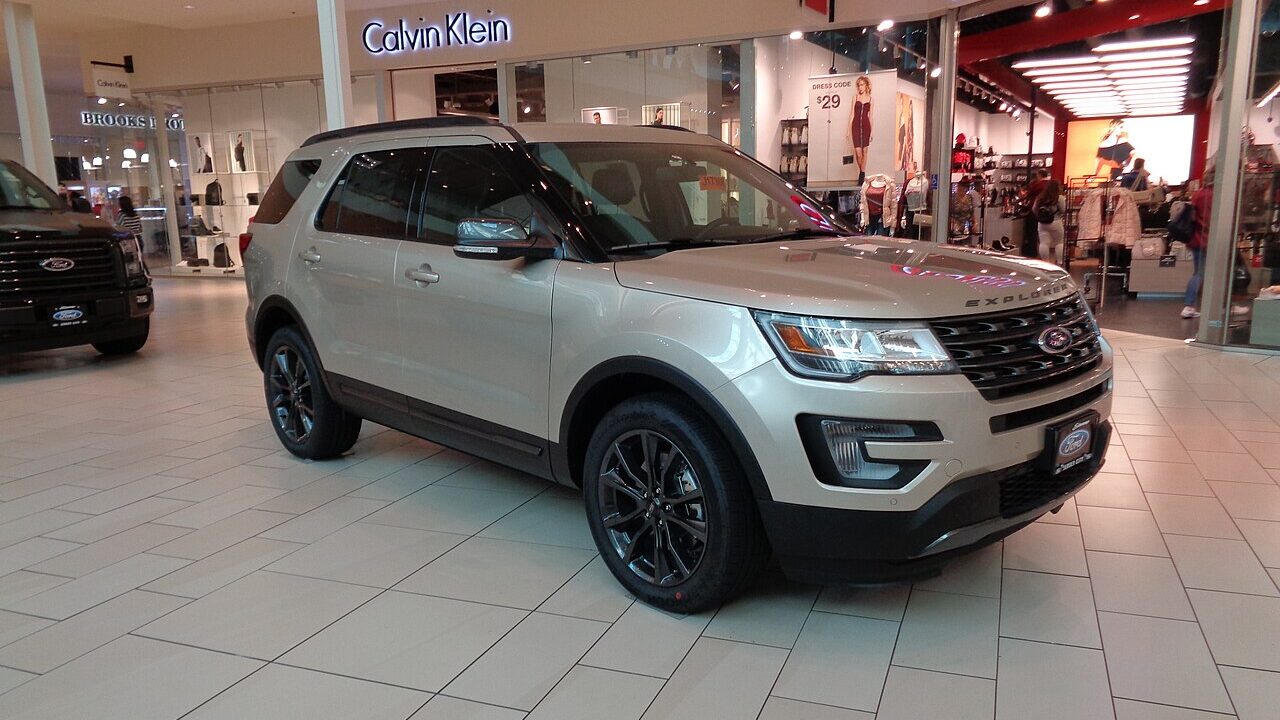
A new study suggests that many motorists intending to buy sport utility vehicles (SUVs) are largely unconcerned by evidence showing the increased dangers larger vehicles pose to cyclists and pedestrians.
Researchers at Swansea University found that warnings about the heightened risks associated with SUVs had little effect on people’s purchasing decisions. The study involved more than 2,000 participants across the UK and sought to determine whether safety concerns for vulnerable road users influence drivers when choosing their next vehicle.
Participants were divided into groups and shown advertisements for SUVs. Some of the ads included warnings highlighting that these vehicles present a significantly greater risk of causing fatal injuries to cyclists and pedestrians. Others saw the same advertisements without the warnings.
The results showed that the information had minimal impact on consumer attitudes, with the vast majority of prospective SUV buyers saying they still planned to purchase a larger vehicle despite learning about the risks. Researchers concluded that awareness campaigns alone are unlikely to change behavior.
Larger Vehicles Pose Greater Threat To Vulnerable Road Users

Previous research has consistently shown that larger vehicles are more dangerous to people outside the car.
A major study examining more than 680,000 collisions found that pedestrians and cyclists are 44 percent more likely to suffer fatal injuries when struck by an SUV or light truck compared with a standard passenger car. The risks are even higher for children, with younger victims facing dramatically increased chances of death in a collision involving larger vehicles.
Separate research has also linked taller vehicle front ends and reduced visibility to thousands of additional pedestrian deaths in recent years. Experts say larger hoods and expanded blind spots make it harder for drivers to see people nearby and increase the severity of impacts when crashes occur.
Safety advocates argue that the increasing popularity of oversized vehicles has outpaced efforts to address the dangers they create for cyclists and pedestrians.
Researchers Call for Stronger Measures
According to the Swansea University team, simply informing consumers about safety concerns is unlikely to reduce demand for SUVs.
The researchers found that nearly two-thirds of British driving licence holders do not understand that SUVs pose greater dangers to vulnerable road users. Among current SUV owners, the number rises even higher. Even after learning about the increased risks, only a small percentage of those planning to buy an SUV said they would reconsider.
As a result, the study’s authors believe tougher measures may be necessary. Suggestions include higher taxes on oversized vehicles, stricter design requirements, or additional charges aimed at reducing their popularity.
Some cities are already considering action. London authorities, for example, have explored the possibility of imposing extra charges on SUV drivers because of concerns surrounding safety, congestion and environmental impacts.
Debate Over SUVs Continues
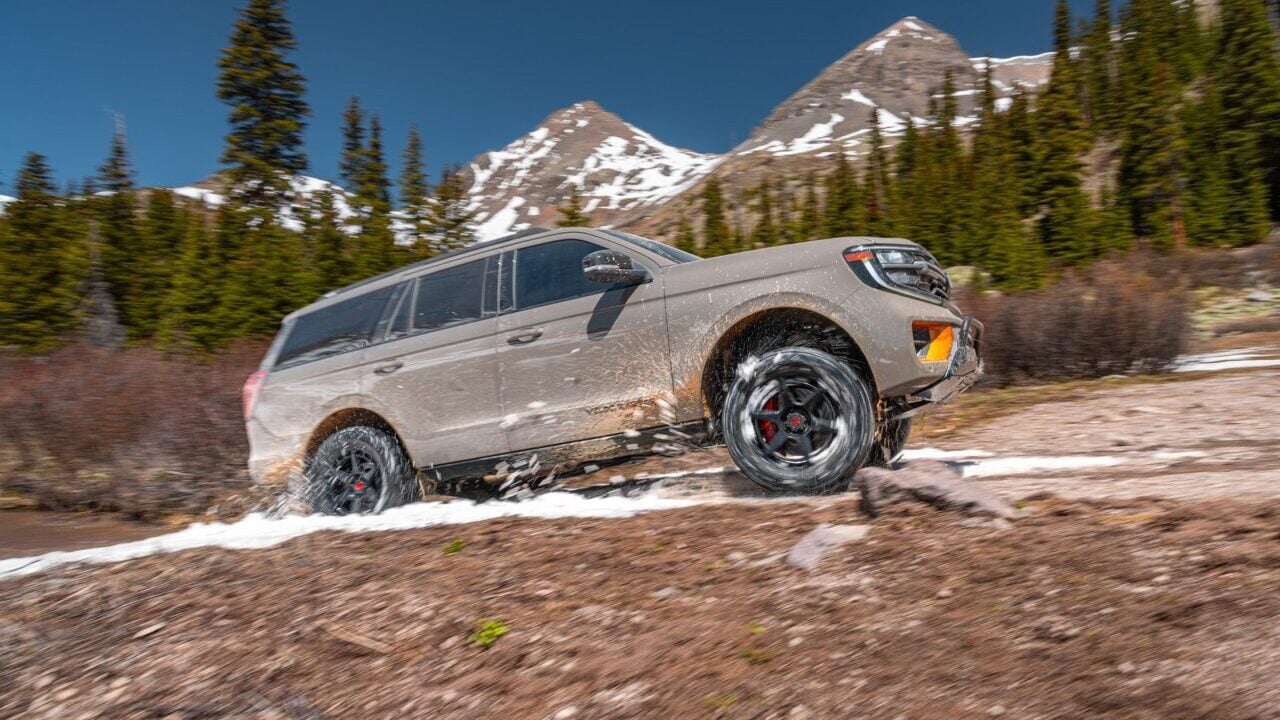
SUVs have become increasingly popular around the world and now account for a large share of new vehicle sales. Many drivers cite comfort, practicality and a greater sense of security as reasons for choosing larger vehicles.
Critics, however, argue that these benefits come at a cost to other road users. Campaigners say the trend toward bigger and heavier vehicles has created new hazards for pedestrians and cyclists while contributing to congestion and environmental concerns.
Researchers behind the latest study say the findings reveal a broader social issue, describing the widespread acceptance of large vehicles as a cultural norm that may be difficult to change through education alone.
As policymakers debate possible restrictions, the study adds to growing evidence that improving road safety may require more than awareness campaigns. It could ultimately require changes to regulations and incentives aimed at balancing motorists’ preferences with the protection of those outside their vehicles.