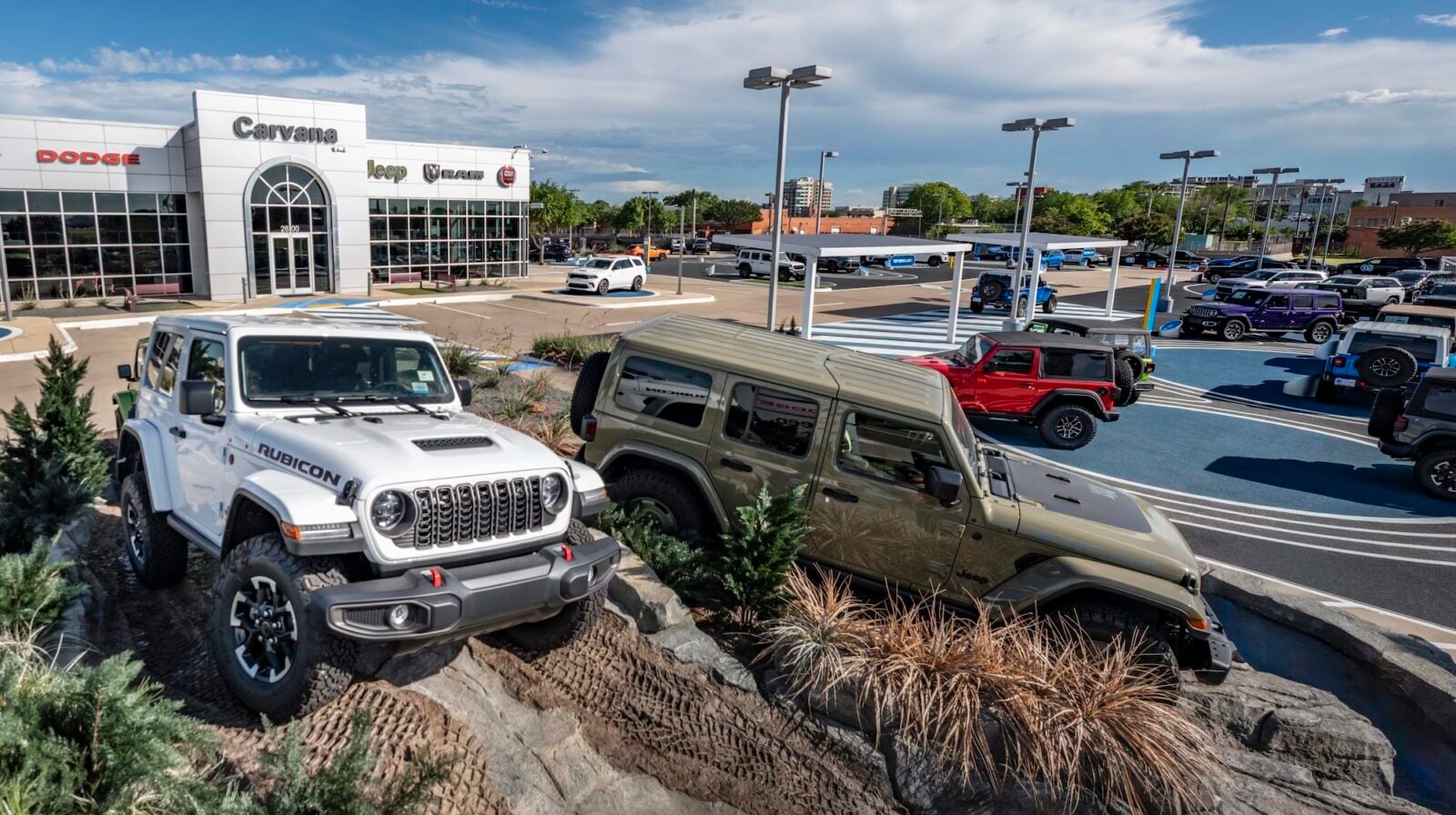
Carvana built its name on skipping the traditional dealership experience. Now, somewhat ironically, the online retailer is adding one of the dealership world’s most important tools: the test drive.
The difference is that Carvana wants to keep the pressure out of the process. Its new Test Drive Center lets shoppers experience a vehicle in person without a salesperson riding along or pushing for a same-day deal.
The first setup is tied to one of Carvana’s Stellantis dealerships, where customers can sample new Chrysler, Dodge, Jeep, and Ram models. It marks a major step as Carvana moves beyond used cars and deeper into new-vehicle retail.
For shoppers who like online buying but still want to touch, sit in, and drive a vehicle before committing, this could be the missing piece.
A Dealership Without The Usual Sales Pitch
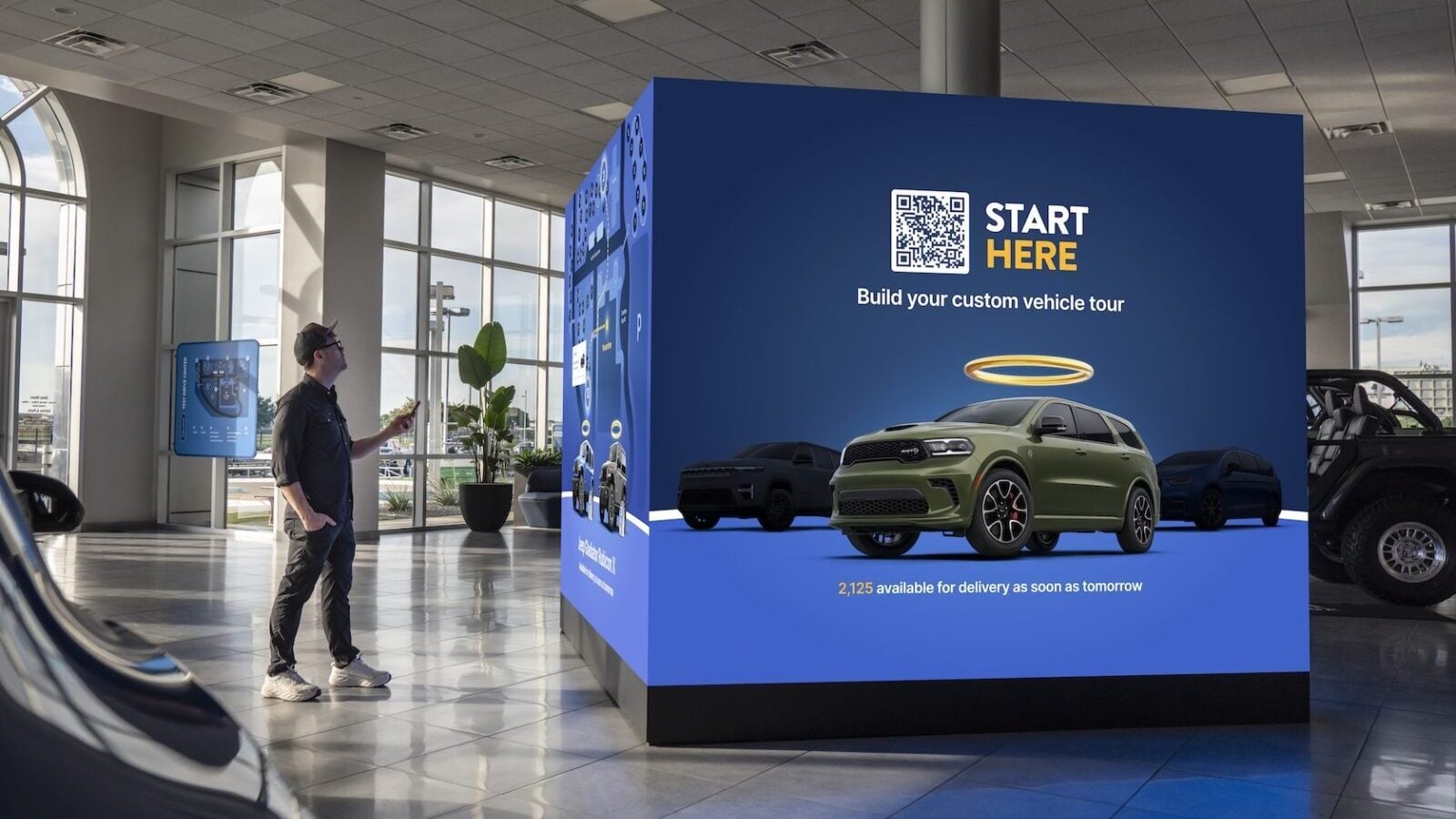
Carvana’s Test Drive Center is designed around self-guided shopping. Staff is present to answer questions, bring vehicles around, and help with logistics, but they are not there to shadow customers through the process.
The showroom features a large interactive cube with screens on each side. Shoppers can scan a QR code, choose a brand, select a model, compare trims, and walk through key features.
Once a customer finds something interesting, the system points them toward a matching display vehicle. Each vehicle also has QR codes that launch digital tours with specifications and configuration details.
The “Playground” Replaces The Traditional Lot
Instead of rows of inventory, Carvana arranges display vehicles in themed clusters. Jeep models may sit on an artificial ridge, minivans can be staged near a soccer goal, and performance models get a racetrack-style setup.
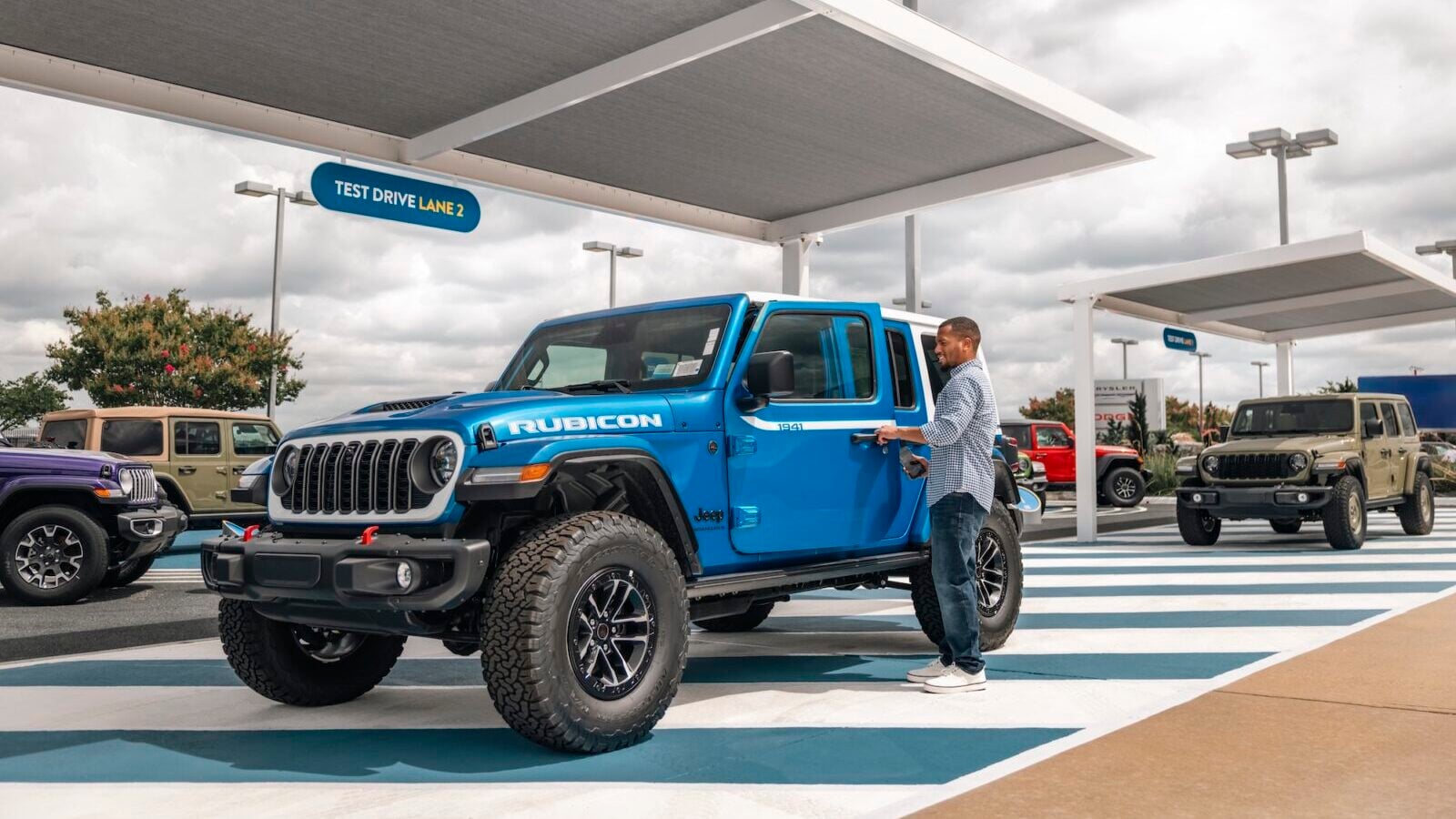
The idea is to make comparison easier without forcing shoppers to wander through a crowded lot. Vehicles are unlocked, so customers can climb inside, inspect the cabin, and take their time.
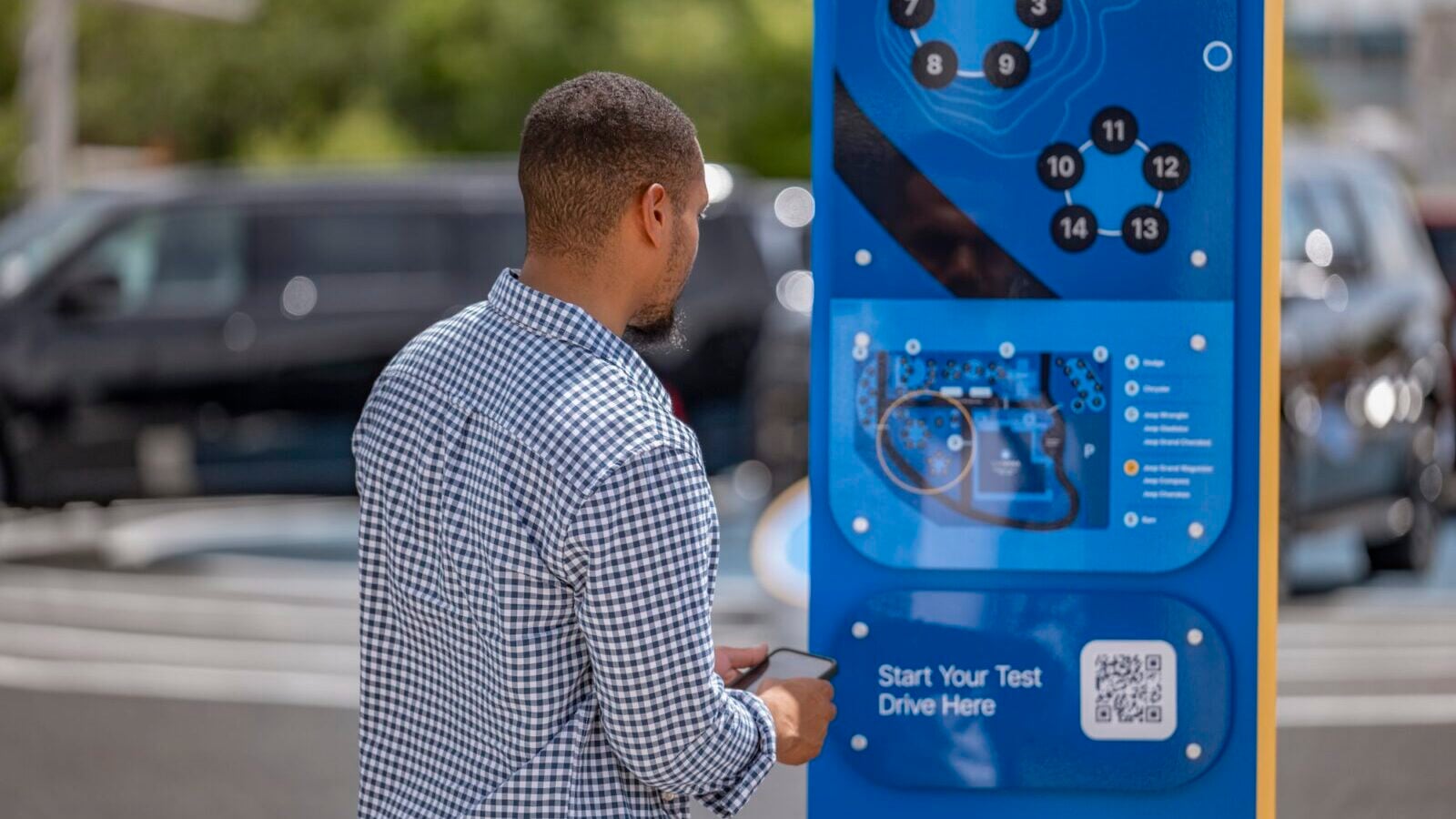
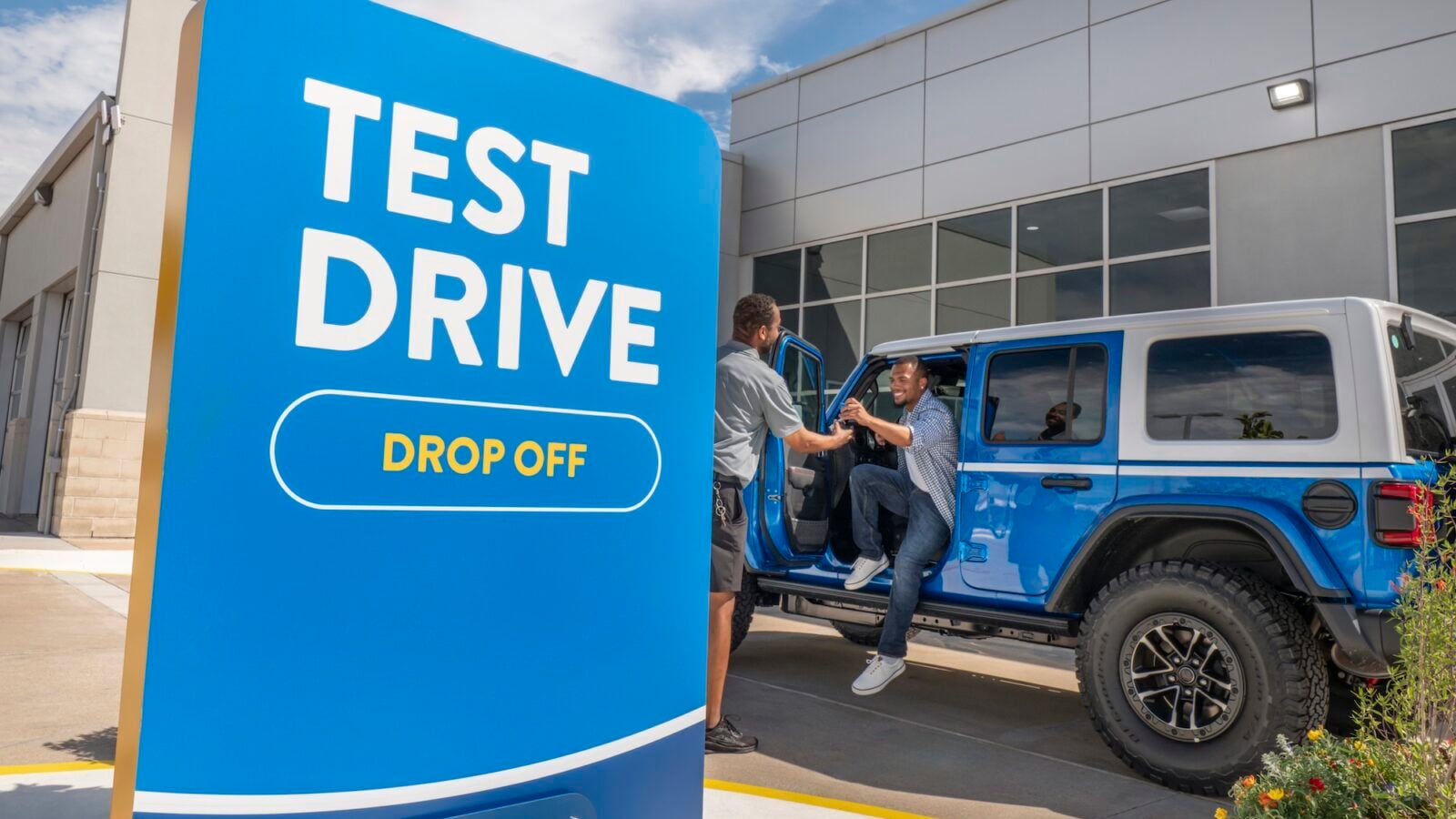
When ready, shoppers can request a test drive through their phone. A Carvana staff member brings a matching vehicle to the test drive lane, checks the required information, and sends the customer out alone.
Buying Still Happens Online
Even with the in-person experience, Carvana’s buying process remains digital. Customers complete purchases through the company’s website, either from the Test Drive Center or later from home.
The company still uses no-haggle pricing, which has long been central to its pitch. Buyers can arrange pickup at the center, home delivery, or another Carvana location depending on the vehicle and logistics.
The Test Drive Center also includes service operations, giving Carvana’s new-car stores a more complete physical footprint than its original online-only image suggested.
Why Carvana Is Changing Course
Carvana grew rapidly during the pandemic as used-car prices surged and online shopping became more appealing. That growth later created problems, including title delays, registration issues, and regulatory trouble in several states.
Moving into franchised new-car dealerships gives Carvana a more stable business model. It also helps the company operate in states where traditional dealer rules make pure online sales more difficult.
The move into Stellantis showrooms also explains why the company has been buying Chrysler, Dodge, Jeep, and Ram dealerships. Carvana is not abandoning its digital roots, but it is clearly borrowing pieces of the dealership model that still make sense.
A Hybrid Retail Model Could Work
Carvana’s new approach recognizes a simple truth about car buying. Many shoppers want convenience, but they also want to know how a vehicle feels before spending tens of thousands of dollars.
A no-pressure test drive center could appeal to customers who dislike traditional dealership tactics. It also gives Carvana a way to stand out from both online competitors and conventional stores.
Whether the model expands beyond Stellantis remains to be seen. For now, Carvana’s experiment suggests the future of car buying may not be purely online or purely traditional, but somewhere in between.