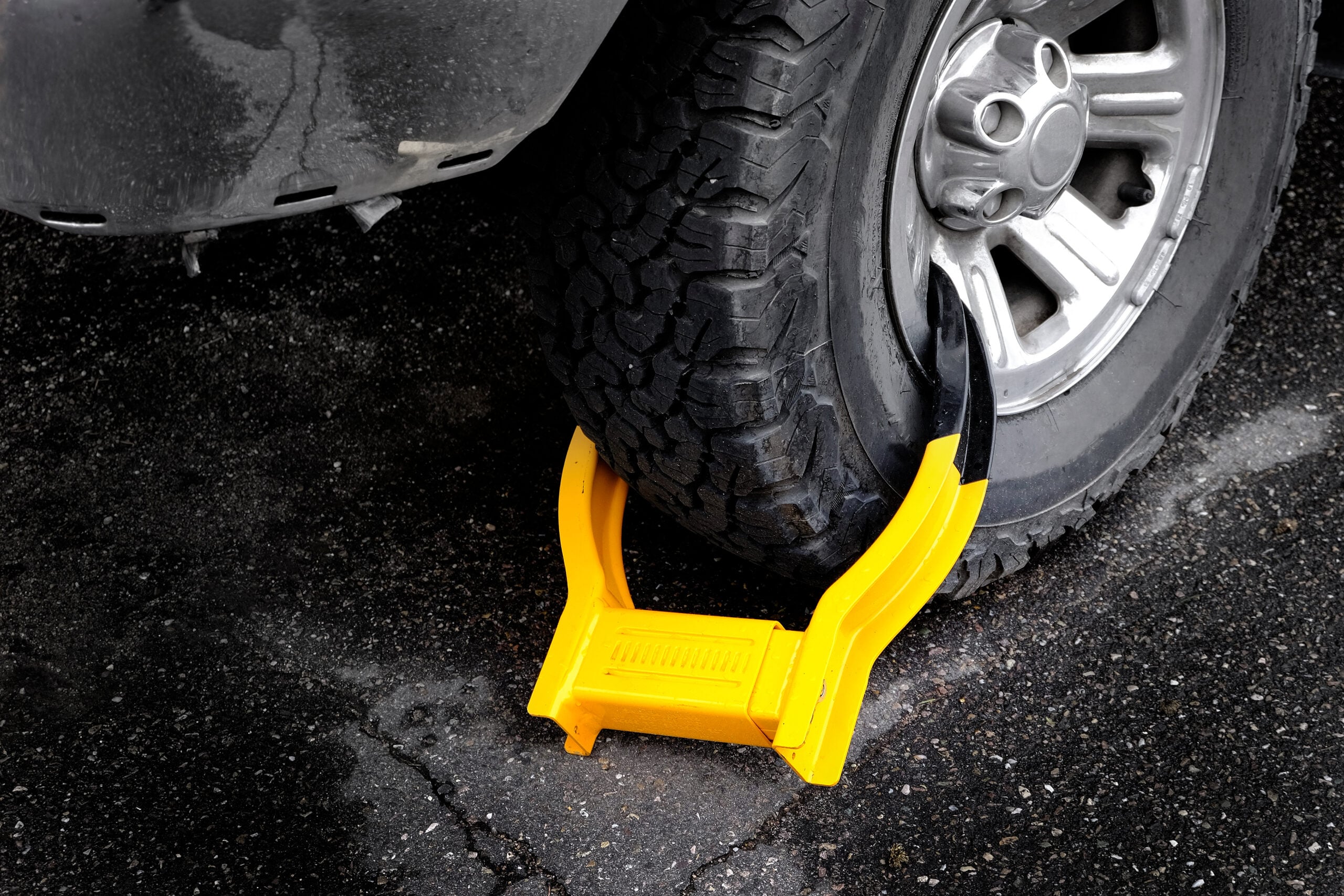
Sacramento drivers got a crash course in parking scam awareness recently, and the tuition was nearly several hundred dollars. Dashawn Fontane walked up to his vehicle in downtown Sacramento to find what looked like a boot clamped to his wheel, paired with an official-looking city parking notice. It had all the hallmarks of a legitimate enforcement action, which is precisely the point.
Fontane did what most people would do: he called the number on the notice. What followed was a text message campaign straight out of a pressure-sale playbook, complete with escalating towing fees, daily storage charges piling up by the hour, and the particularly creative threat that a tracking device had already been placed on his vehicle. “I was ready to pay right then,” Fontane said. That willingness to pay on the spot is exactly what made him a good target.
The scam works because it leans on something real. Sacramento has a vehicle booting program in the pipeline, set to resume July 1, under which drivers carrying five or more outstanding parking citations become eligible to have their wheels immobilized. The city has been distributing warning notices ahead of that date to give residents a heads-up. Scammers apparently read the room, grabbed their own fake hardware, and started operating in the gap between warning and enforcement.
City officials confirmed that booting has not actually started yet, meaning anyone who found a boot on their car before July 1 was looking at a prop, not a penalty. Sacramento has since clarified exactly what legitimate notices look like and encouraged residents to report similar encounters to police.
What the Real Notices Actually Say
According to the city, legitimate warning notices include handwritten license plate information. That’s it. Any additional handwriting on the notice, most critically a phone number, is a red flag. The city does not ask drivers to call a handwritten number, and it does not conduct debt collection through text message threats.
If a notice you receive has anything beyond plate information written by hand, don’t call, don’t pay, and don’t engage.
How the Scam Was Built to Pressure You
The psychological architecture here is worth noting. A physical boot on a wheel creates immediate panic, the kind that bypasses skepticism. Add a document that looks official, a phone number to call, and then a string of texts promising that costs are accumulating by the hour, and most people start doing math instead of asking questions.
The tracking device claim was a nice flourish, implying the scammer knew where the car was and had already gone to some trouble on their behalf. None of it was real, but all of it was designed to feel urgent.
Sacramento’s Boot Program, Explained
When the city’s legitimate booting program does kick off on July 1, it will apply only to vehicles with five or more unpaid parking citations on record. Boots will be applied by authorized city personnel, not by individuals leaving handwritten phone numbers on windshields.
Removal fees, payment processes, and appeals procedures will all go through official city channels. If you have outstanding citations, the city’s parking services office is the place to address them before that date.
What To Do If You See a Suspicious Boot
If you find a boot on your vehicle and something about the accompanying notice doesn’t look right, do not call any number written on it. Contact Sacramento police directly to report the incident. A quick check with the city’s parking enforcement division can confirm whether any action has actually been taken against your vehicle.
The cost of a phone call to the right place is considerably lower than whatever the scammer has in mind.