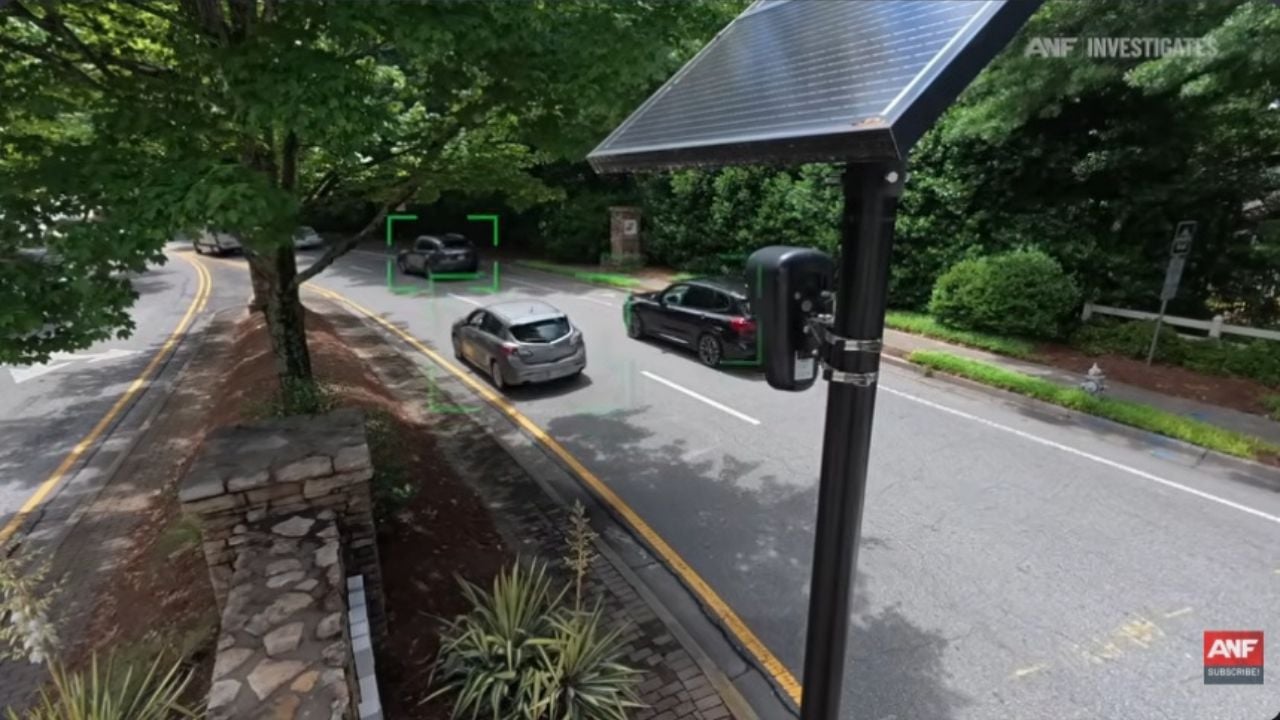

Flock Safety has built one of the largest surveillance networks in the United States through the spread of license plate reader systems and camera platforms used by police departments. The company says its tools help investigators identify vehicles tied to crimes while placing limits on how data can be used.
A report from Atlanta News First and InvestigateTV has now raised questions about whether those limits match the capabilities described by the company itself. The report examined training videos, demonstrations, and interviews that appear to conflict with Flock’s public messaging.
Flock has long maintained that its cameras do not track people or record complete travel histories. Instead, it says the system captures data from fixed locations and allows investigators to search those records when a case requires it.
Critics argue that the distinction does not reflect how the technology functions in practice. They say the collection of entries from thousands of cameras can create a record of movement that reaches far beyond the investigation of crimes.
Expansion of a Surveillance Network
Since its launch in 2017, Flock Safety has expanded across the country by selling automated license plate reader cameras to police agencies, neighborhoods, and businesses. Thousands of agencies in more than 40 states now participate in the network.
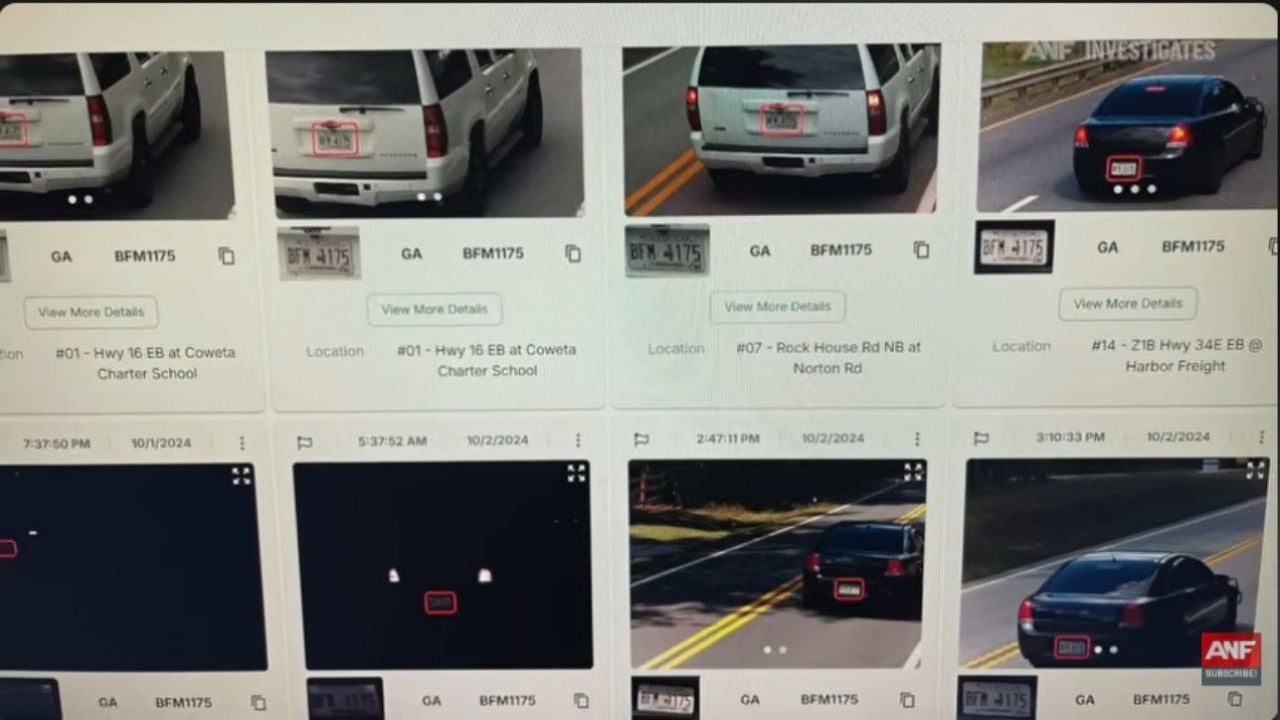
The Falcon system captures a vehicle’s license plate, make, model, color, and the time and location of a sighting. Those records are stored for 30 days and can be searched through Flock’s platform.
Flock says the system contributes to the resolution of about 700,000 crimes each year. Company representatives point to cases involving stolen vehicles, missing persons, and homicide investigations as evidence of its value.
The company has also stressed that its license plate reader system does not employ facial recognition and includes audit logs intended to monitor searches by users.
Training Material Raises Questions
The InvestigateTV report highlighted webinars and training sessions in which Flock staff described using camera data to follow suspects from one location to another. In one example, presenters explained how investigators traced travel across state lines into Kentucky.
Those descriptions appeared to contradict statements that the technology does not track movement. Critics argue that if entries from many cameras can reconstruct a path, the result amounts to tracking regardless of the language used to describe it.
Flock disputed that interpretation. The company maintained that each camera captures a moment in time rather than providing continuous surveillance.
Condor Cameras and Security Concerns
The report also examined Flock’s Condor cameras, which use pan, tilt, and zoom functions supported by software. Through a feature known as Guardian Mode, the cameras can detect movement, lock onto a person or vehicle, and follow that subject while transmitting video to police.
During a demonstration on a trail in Georgia, a reporter found that the camera continued to follow him as he changed direction. Flock argued that this capability should not be characterized as tracking a person’s movements in the broader sense.
Questions have also emerged over the security of the system. Researcher Benn Jordan discovered that dozens of Condor camera feeds could be accessed online without passwords because of errors linked to Verizon SIM card configurations. The issue allowed access to live video and footage downloads before fixes were implemented.
Debate Over Privacy and Oversight
Activists have responded by documenting the spread of the network. Will Freeman, through the DeFlock project, has mapped about 89,000 cameras and argues that the system can reveal travel histories for people who have never been accused of wrongdoing.
Concerns over data sharing have prompted reviews and cancellations in cities including Denver, Santa Cruz, Mountain View, Flagstaff, and Eugene. Audits in some jurisdictions raised questions about access by federal agencies involved in immigration enforcement.
Civil liberties groups, including the ACLU and EFF, have pushed for legislation and court scrutiny. Cases involving officers accused of using databases to monitor former partners have intensified calls for safeguards beyond audit logs.
Flock maintains that its technology serves investigations and that oversight measures continue to evolve. The debate surrounding its cameras now reflects a struggle over how far surveillance tools should extend and who decides where those limits lie.