
Ford knows it has a quality problem, and the company is taking an unusually aggressive approach to fixing it. After leading the industry in recalls during 2025, the automaker is now performing daily engine teardowns at its manufacturing plants in an effort to catch potential issues before vehicles ever reach customers.
The new process marks a dramatic change from Ford’s previous strategy. Instead of inspecting engines only every few months or when a problem was suspected, the company now removes an engine from the production line every day for extensive testing and complete disassembly.
According to Ford, the initiative is already delivering results. The automaker says warranty-related quality metrics have improved since the program began, suggesting problems are being identified much earlier in the manufacturing process.
While the strategy will not eliminate recalls overnight, Ford believes the combination of daily inspections and artificial intelligence-powered monitoring could help prevent costly quality issues from reaching showrooms.
From Quarterly Checks To Daily Inspections
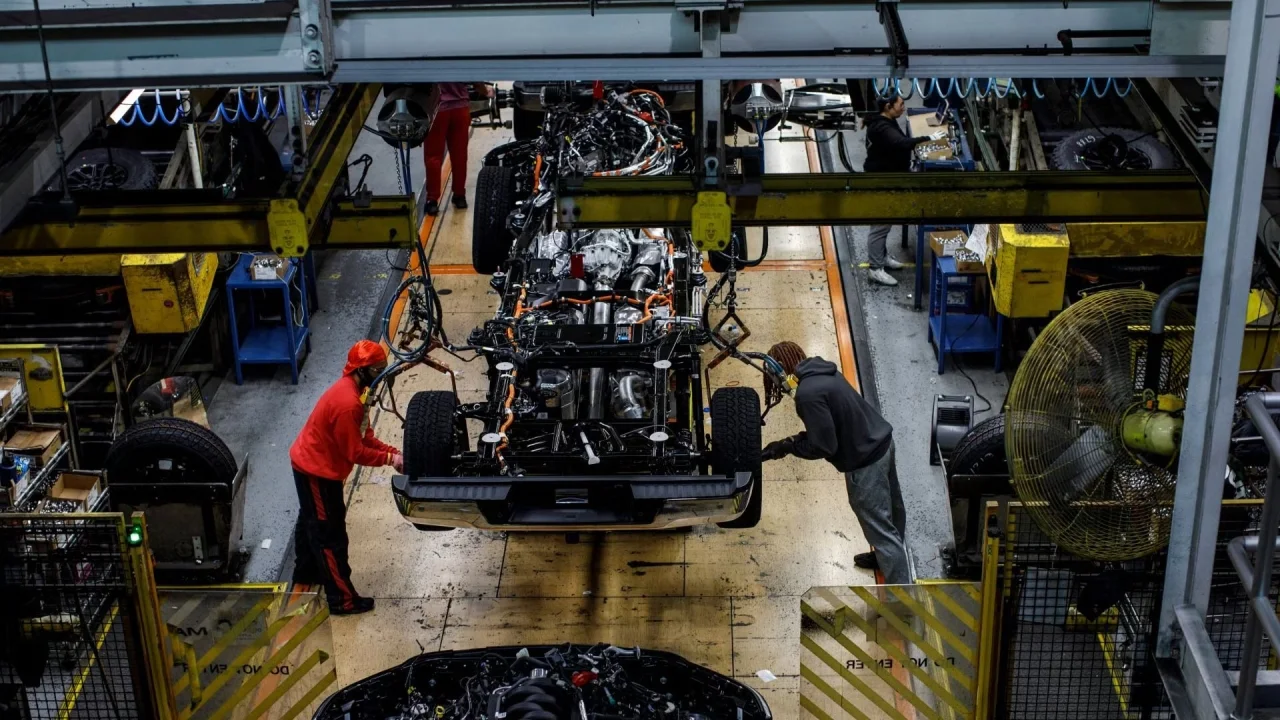
One of the biggest changes is simply how often Ford examines its engines. Historically, the company would conduct a full engine teardown roughly once every three months, or when engineers believed there was a specific reason to investigate a potential issue. That schedule has now been replaced by a daily routine across Ford’s engine manufacturing operations.
Each selected engine is fully tested before being taken apart component by component. Engineers then inspect every part in search of abnormalities, wear patterns, assembly concerns, or manufacturing inconsistencies that could indicate larger problems.
The process requires additional labor, equipment, and resources, but Ford says the investment is justified if it prevents expensive recalls and warranty repairs later.
AI Helps Decide Which Engines Get Inspected
The engines chosen for teardown are not selected at random. Ford has introduced predictive monitoring systems that use artificial intelligence to analyze data collected throughout the manufacturing process. The software looks for subtle abnormalities in production measurements and identifies engines that may deserve closer examination.
According to Ford, the system can flag potential concerns even when every component technically falls within specification limits. The goal is to identify unusual patterns before they become real-world failures.
Once an engine is selected, technicians know exactly where to focus their attention during the teardown process. That targeted approach helps engineers uncover issues that might otherwise go unnoticed during traditional quality-control procedures.
Inspired By Ford’s Best-Performing Factory

The idea did not originate in North America. Ford says it studied quality practices at its manufacturing facilities around the world and found that one of its highest-performing engine plants, located in Valencia, Spain, was already conducting daily teardowns.
The results at that facility were strong enough to convince Ford leadership to expand the strategy globally. Today, the process is being implemented throughout the company’s engine operations as part of a broader effort to improve quality and reliability.
The Essex Engine Plant in Ontario, which produces the 5.0-liter Coyote V8 as well as the 6.7-liter and 7.3-liter V8 engines used in Super Duty trucks, is among the facilities embracing the new approach.
Early Results Suggest Progress
Ford says it is already seeing encouraging signs. The company tracks several warranty-related indicators based on vehicles with zero, one, and three months of service history. According to Ford, all three measurements have shown significant improvement since daily teardowns became standard practice.
One example highlights the potential value of the program. During a teardown inspection, engineers reportedly discovered an improperly installed piston-retaining circlip that could have led to engine failures. Because the issue was caught quickly, the affected production window was limited to just a few hundred vehicles.
Had the problem gone unnoticed for weeks or months, it could have expanded into a much larger recall involving thousands of vehicles and significantly higher repair costs.
A Long-Term Fix For A Long-Term Problem
Ford is realistic about the scale of the challenge. The company’s recent recall totals are tied to years of vehicle production, meaning improvements made today may take time to show up in future recall statistics.
Still, the automaker believes identifying manufacturing problems within days rather than months is a critical step toward rebuilding customer confidence.
Daily engine teardowns alone will not solve every quality issue. Recalls can stem from software glitches, supplier defects, electrical problems, and countless other factors. However, Ford’s willingness to dramatically increase scrutiny inside its factories demonstrates how seriously it is taking the problem.
For a company that has spent the past several years answering questions about quality control, catching issues before customers do may prove to be one of the most important investments it can make.