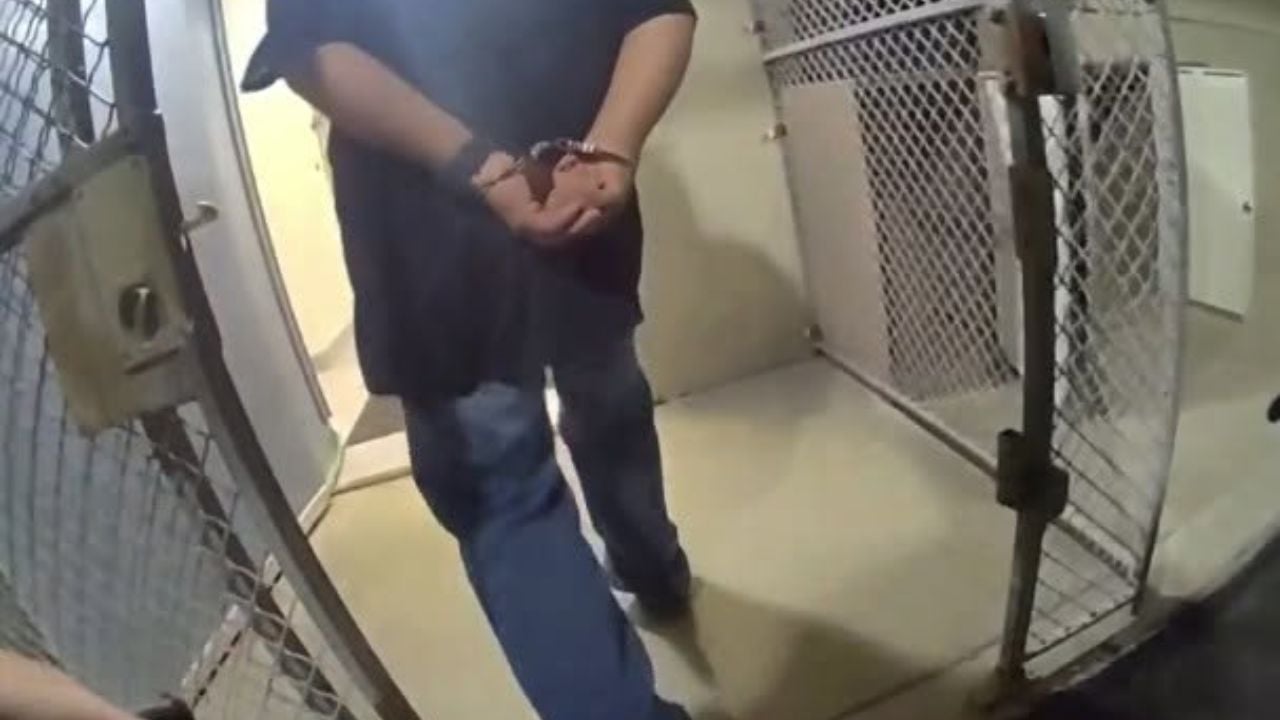
The Huntington Beach Police Department added another name to the “probably should have walked past that bike” list this week, after a suspect helped himself to what he assumed was an unattended e-bike and discovered, almost immediately, that it wasn’t. Officers tracked him in real time as he pedaled off, intercepted him shortly after, and recovered the department’s bait bike without much drama. The arrest was clean and quick, which is essentially the point.
Bait bike programs have been running in cities across the country for years, but the arrival of high-value electric bicycles has quietly changed the stakes for everyone involved. What was once a nuisance crime that rarely escalated beyond a misdemeanor has become a much more serious legal matter in many jurisdictions. HBPD made that point explicitly in their post-arrest announcement, noting that many of their decoy bikes are valued above $2,000, which means anyone who grabs one could be looking at felony theft charges rather than a slap on the wrist.
That $2,000 price tag isn’t inflated for dramatic effect. Quality e-bikes from established brands regularly hit that number and then some, and thieves have taken notice. E-bike thefts in California have climbed roughly 300 percent since 2019, a trend that tracks neatly with rising adoption rates and the growing resale market for stripped or whole electric bicycles. The bikes are valuable, they’re portable, and until bait programs like HBPD’s came along, recovery rates were historically dismal.
In California, the legal threshold for felony grand theft sits at property valued above $950. A bait e-bike at $2,000-plus clears that mark comfortably, and recent legislation has also made it easier for prosecutors to aggregate related thefts or pursue felony charges against repeat offenders who might previously have cycled through the misdemeanor system without consequence. The person arrested in Huntington Beach this week is now navigating that legal landscape, presumably wishing they had kept walking.
How Bait Bike Operations Actually Work
The mechanics are straightforward, which is part of what makes them so effective. Police place GPS-equipped bikes in areas where theft rates are elevated, then wait. When someone takes the bait, dispatchers can track the bike’s location in real time and direct patrol officers directly to the suspect. The whole sequence from theft to arrest is often measured in minutes rather than hours.
What makes the technology particularly useful is that it removes the guesswork from an otherwise difficult category of crime to solve. Roughly 2.4 million bikes are stolen every year in the United States, with 59 percent of those thefts occurring in residential areas, and traditional recovery methods are nearly useless. Law enforcement recovers only about two percent of stolen bikes overall, a figure that makes bait operations look like a significant improvement in the department’s favor.
Cities Across the Country Are Running These Programs
Huntington Beach is far from alone in this approach. Portland’s Police Bureau recently conducted a bait bike mission spanning multiple neighborhoods in the downtown core, resulting in arrests and a drug seizure, with plans to expand the program based on its results. Kalamazoo, Michigan launched their own bait bike operation after identifying high-risk areas in the city center, with officers responding immediately when a bike is touched.
The programs tend to generate a particular kind of satisfaction when departments post about them on social media, partly because the write-ups tend to be drily funny. HBPD’s post was no exception, opening with “another one bites the bait” and closing with advice that essentially amounts to: if the bike is sitting there unattended, maybe consider that it might belong to us. It’s straightforward messaging, and the fact that people keep ignoring it suggests that opportunistic theft doesn’t involve a lot of advance research.
The E-Bike Theft Problem Isn’t Going Away
The broader context here matters. Bike Index reported a 15 percent increase in reported thefts in 2024, with e-bikes specifically calling out smash-and-grab retailer thefts and organized theft rings as rising concerns. The market for stolen e-bikes is active enough to support dedicated resale channels, which means the category of person stealing these bikes isn’t always an impulsive opportunist.
Some operations are more calculated than a grab-and-ride, which is one reason departments are investing in bait programs that can generate intelligence on repeat offenders rather than just netting individual arrests.
The Huntington Beach case was textbook: suspect sees bike, suspect takes bike, suspect gets arrested. Simple as that. But for departments in cities with organized theft problems, a single bait bike recovery can sometimes pull a thread that leads somewhere larger.
What This Means for Anyone Who Owns an E-Bike
The takeaway for legitimate owners is less entertaining but equally important. E-bikes are now valuable enough to require the kind of security measures people typically reserve for motorcycles or vehicles. A basic cable lock isn’t going to cut it. Quality U-locks, secondary locking cables, GPS trackers, and documented serial numbers are all worth the investment given how poor the recovery odds are once a bike disappears without them. Registration through platforms like Bike Index or 529 Garage gives law enforcement something to work with if a bike does turn up somewhere.
As for the suspect in Huntington Beach: the e-bike has been returned to the department, the officer time was minimal, and the arrest was made. HBPD’s bait program delivered exactly what it was designed to deliver. The next unattended bike a would-be thief spots in that city should probably give them pause, because it very well might have a GPS chip and a dispatcher on the other end.