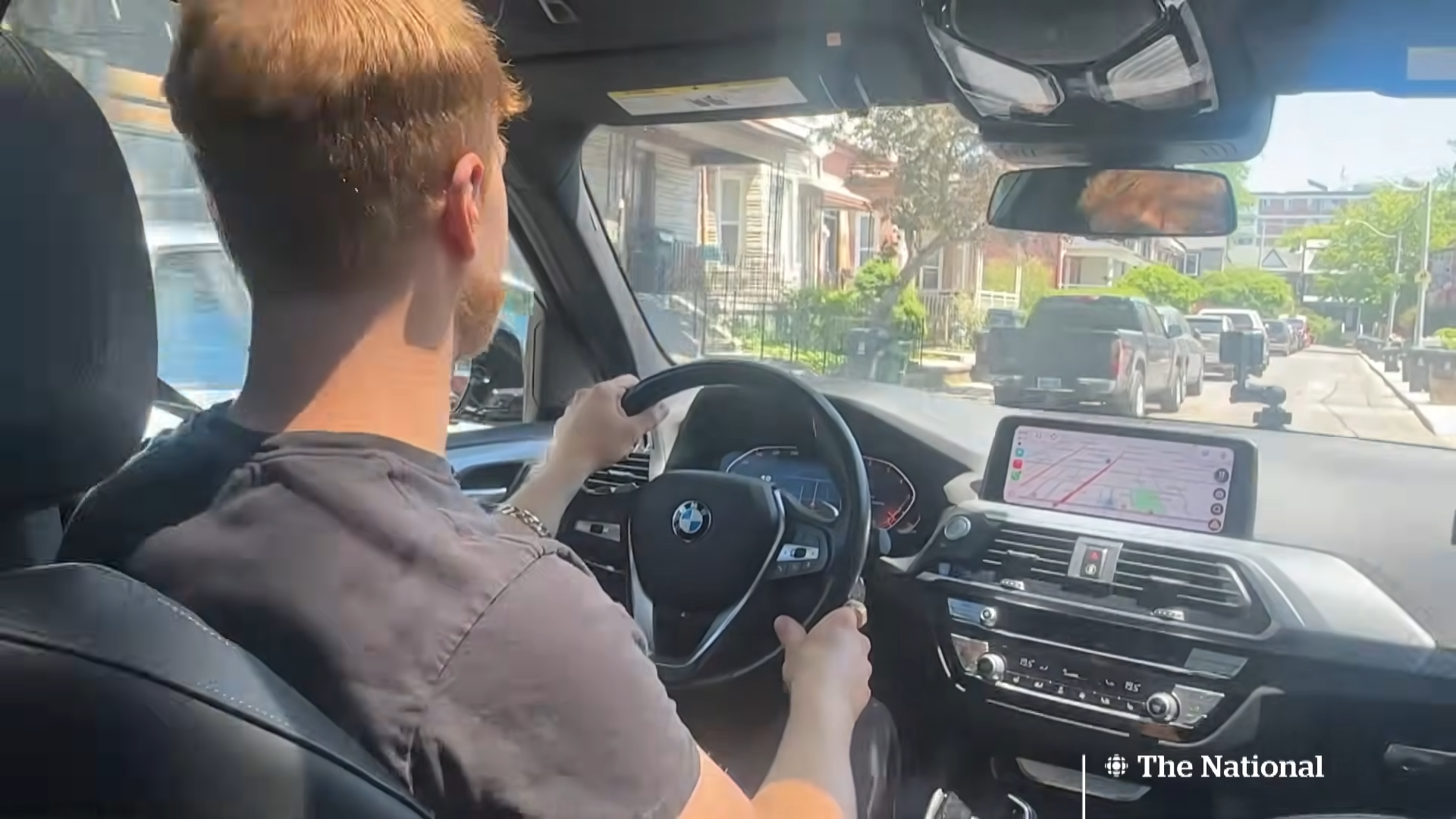
A Canadian BMW customer got an unexpected text message offer on his 2021 BMW, and what followed turned into a cautionary tale for any business that has handed the keys to an AI chatbot without reading the fine print on what could go wrong.
Zack Giacomelli was trading in his 2021 BMW when he received a text from what he assumed was a dealership representative offering him $27,162.79 for the vehicle. The number happened to cover the exact remaining balance on the car, which, from a customer’s perspective, is about as clean a deal as you can hope for. He pushed a little further, the offer nudged up to $28,000, and he was told to come in to make it official.
Then a human picked up the phone. It turned out the entire negotiation had been conducted by an AI chatbot, and the dealership had no intention of honoring a single digit of it. The offer was made in error, and the rug was being pulled. Giacomelli, understandably, was not pleased.
What makes this story worth paying attention to is what happened next. Rather than dig in and fight it, the dealership reversed course and honored the original figure of $27,162.79. Whether that decision was driven by goodwill, public relations awareness, or a quiet conversation with legal counsel is not entirely clear, but either way, the customer walked away with the deal he was promised. The whole episode raises a question that is becoming harder for businesses to ignore: if you deploy AI to represent your company, are you on the hook for what it says?
A Chatbot That Could Negotiate, But Apparently Could Not Be Corrected
The mechanics of how this went sideways are worth understanding. Giacomelli was not dealing with a simple FAQ bot that fumbled a question about dealership hours. This was an AI tool capable of receiving inquiries, generating trade-in offers, and exchanging messages that looked, by every reasonable measure, like a real negotiation. The customer even pushed back and received a revised, higher number in response. That is not a glitch in the traditional sense. That is a system operating as designed, just without guardrails on what it was actually authorized to offer.
This gets at a real problem with how some businesses are deploying AI customer service tools. The technology has advanced quickly enough that these bots can hold a convincing conversation, but the internal policies governing what they can commit to have not always kept pace. A human salesperson operates within understood limits. A chatbot, if not carefully configured, may not.
Canadian Courts Have Already Weighed In on This
The BMW customer’s situation did not occur in a legal vacuum, and Giacomelli seemed aware of that. There is precedent in Canadian law for companies being held liable for what their AI tools tell customers. The most prominent example involves Air Canada, which found itself in front of the British Columbia Civil Resolution Tribunal after its chatbot gave a grieving passenger incorrect information about bereavement fares.
The chatbot told Jake Moffatt he could apply for a reduced bereavement rate within 90 days of purchasing a ticket, which turned out to be inaccurate. When Moffatt followed that advice and submitted a claim, Air Canada refused to honor it. The airline’s legal argument was a bold one: it claimed the chatbot was a separate legal entity that was responsible for its own actions. The tribunal called this a remarkable submission, and did not accept it. The ruling established that a company can be liable for negligent misrepresentations made by a chatbot on a publicly available commercial website. Air Canada was ordered to pay Moffatt $812 to cover the difference between what he paid and what the bereavement fare would have cost.
For the BMW dealership, that precedent likely made honoring Giacomelli’s chatbot offer the more sensible path.
What Dealers Need to Think About Before Deploying AI
The automotive retail space has been an enthusiastic early adopter of AI customer-facing tools, and for understandable reasons. Staffing costs are high, customer inquiries come in around the clock, and a well-configured chatbot can handle a significant volume of routine questions competently. The problem surfaces when those tools are extended into areas involving real financial commitments, like trade-in valuations.
Vehicle appraisals are not fixed numbers. They shift based on mileage, condition, market demand, and what the used-car lot currently needs. A human appraiser brings judgment, context, and the ability to hedge. An AI tool operating without strict limits on what figures it can quote does not. Giacomelli’s case is a fairly clean example of that gap. His bot was apparently capable of generating a specific dollar amount down to the cent, and then accepting a counteroffer. At no point did it flag that the quote required human review or was non-binding.
The Customer’s Argument Was the Right One
When Giacomelli found out the offer had come from a bot and not a person, his response was pointed and worth repeating: if a dealership is going to replace human employees with AI, it needs to stand behind what that AI says. That is a reasonable position, and it cuts to something that is going to matter more as this technology spreads.
Businesses adopting AI for customer interactions are not just streamlining operations. They are, in effect, creating a new class of representative who speaks on their behalf. The efficiency gains are real, but so is the accountability. A customer interacting in good faith with what appears to be a representative of a company has every right to expect the company to own the outcome, whether a human typed the message or an algorithm did. The BMW dealership ultimately arrived at that conclusion on its own. Others in the industry would do well to get there before they are put in the same position