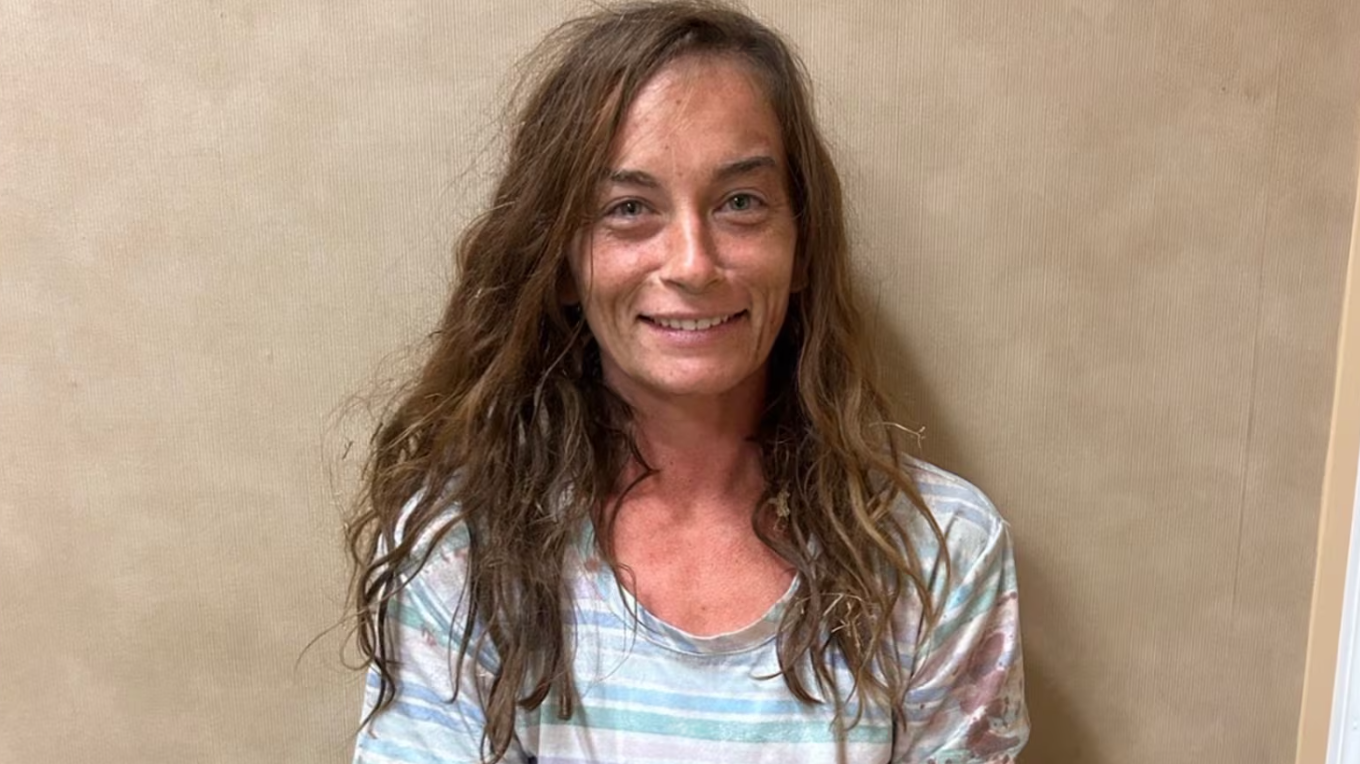
A late-night car chase in eastern North Carolina wrapped up with multiple felony charges, damaged patrol vehicles, and three young children, fortunately, walked away unharmed. It is the kind of story that sounds unbelievable until you see the charge sheet, at which point it becomes entirely believable and somehow worse.
Around 10:50 p.m. on the night of June 10, Martin County Sheriff’s deputies attempted to stop Morgan Whitley, 36, of Williamston, North Carolina. Rather than comply, Whitley drove off with her three young children still in the vehicle. What followed was a multi-county pursuit that eventually crossed into neighboring Edgecombe County before deputies found an opening to end the chase at low speed. Nobody sustained serious injuries, which, given everything on that charge sheet, qualifies as genuinely fortunate.
The chase itself is the dramatic headline, but the more revealing part of this story is what deputies say they found underneath it: a driver who, by the time she was stopped, had accumulated a charge list long enough to fill a court docket on its own. A DWI at the foundation, layered with reckless driving, fleeing to elude, and hitting law enforcement vehicles in the process. The children were removed safely, and Whitley was taken into custody on a $51,000 secured bond.
Stories like this one tend to draw a quick reaction and then get forgotten. But they’re worth a closer look, because the combination of impaired driving, a nighttime pursuit, active resistance, and children in the back seat represents just about every variable that traffic safety professionals point to when explaining why certain incidents turn catastrophic and others, against all odds, do not.
The Charge Sheet Tells the Full Story
Whitley now faces a substantial list of counts. On the felony side: flee to elude and two counts of assault inflicting physical injury on a law enforcement officer. The misdemeanor charges include three counts of child abuse, one for each child in the vehicle, along with failure to heed blue lights and siren, reckless driving with wanton disregard, hit and run, speeding, and driving left of center. The DWI rounds out the list.
The felony assault charges are worth pausing on. In North Carolina, striking a law enforcement officer’s vehicle with your own during a pursuit can meet the threshold for that charge, particularly when deputies are physically present and involved in the stop. Several patrol cars were reported damaged during the intervention. That is how a traffic stop refusal becomes a felony-level event with consequences reaching well beyond a suspended license.
How Deputies Ended the Chase
The Martin County Sheriff’s Office noted that three deputies coordinated to bring the pursuit to a close, waiting for an opportunity to intervene at reduced speed rather than forcing a higher-speed confrontation. That is a tactical decision that likely made a significant difference in how the night ended. PIT maneuvers and forced stops at highway speeds carry their own serious risks, particularly when there are children inside the fleeing vehicle.
North Carolina law enforcement agencies have increasingly moved toward pursuit policies that weigh the public safety risk of continuing a chase against the risk of disengagement. There is no universal standard across agencies, but the trend in recent years has been toward more discretion and fewer high-speed chases for non-violent offenses. In this case, deputies stayed engaged and managed a controlled stop, which, from a pure outcome standpoint, is about as well as a situation like this can conclude.
DWI and Child Endangerment: When One Bad Decision Compounds Into Several
A DWI charge on its own is serious. In North Carolina, a first-offense DWI can still result in active jail time depending on aggravating factors, and the presence of a minor in the vehicle is itself a separate aggravating factor under state law, on top of the standalone child abuse charges. Three children in the car during a late-night impaired pursuit checks every box in that category simultaneously.
North Carolina has some of the more detailed DWI sentencing guidelines in the country, using a structured system of grossly aggravating, aggravating, and mitigating factors to determine the level of punishment. Given the circumstances here, prosecutors will have a great deal to work with.
The Outcome That Could Have Been
The reason incidents like this one get covered beyond the local news cycle is not the drama of the chase itself. It is the math. Nighttime visibility reduced. Children unrestrained or improperly restrained in a fleeing vehicle. A driver who, by definition, had impaired judgment. Deputies in patrol cars that were ultimately struck. Any one of those variables shifting slightly in the wrong direction produces a very different outcome.
Whitley’s children are reported to be safe. The deputies involved were not seriously hurt. The patrol cars will get repaired or replaced. The judicial process will now run its course, and Whitley faces charges serious enough that the outcome of that process will carry real consequences. For now, the most significant detail in this story is the one that often gets buried at the end: everyone got out of it.