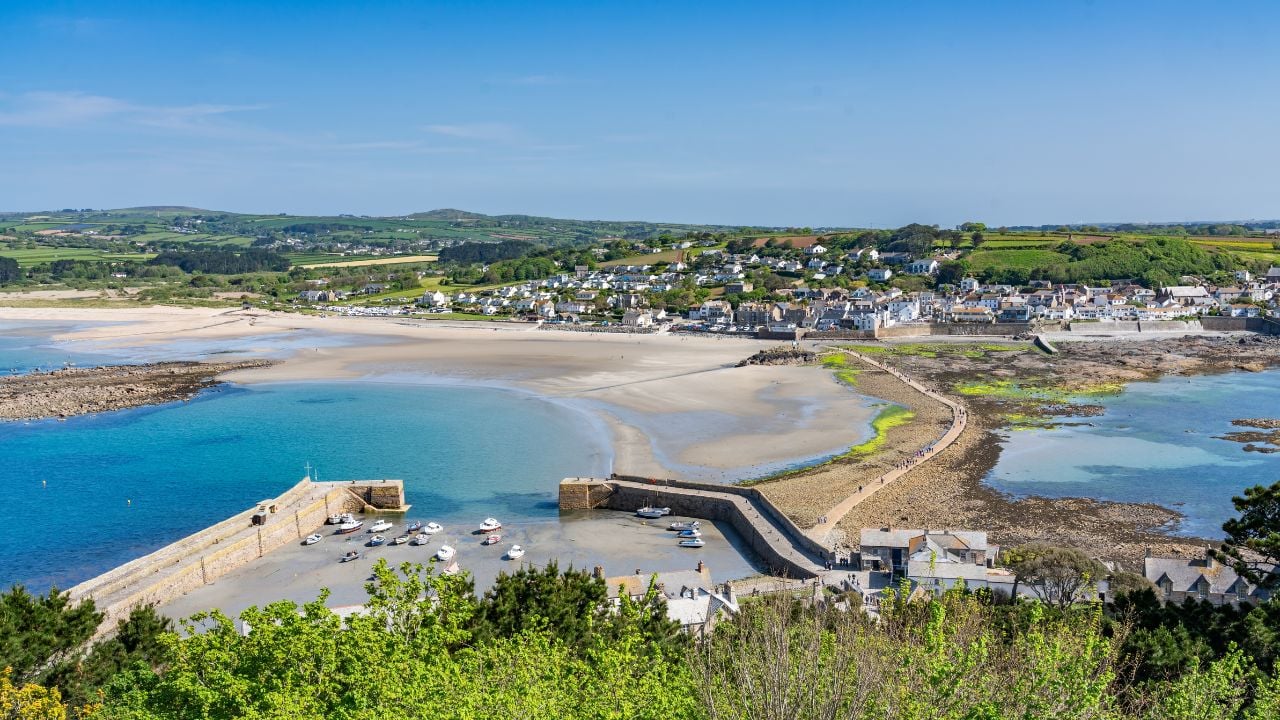
Some coastal regions are better explored through small towns than through one large resort base. The bigger name may have more hotels, nightlife, and package deals, but nearby towns can put travelers closer to harbors, old streets, markets, boat trips, local restaurants, and roads that move between coast and countryside.
These six regions still have strong beaches, but the smaller towns give the trip more range. A good route can include a swim, a seafood lunch, a village walk, a market stop, and a short drive inland instead of repeating the same resort routine every day.
1. Costa Brava, Spain

Costa Brava rewards travelers who look beyond the largest resort bases. Costa Brava highlights an alternative route through towns including El Port de la Selva, Cadaqués, Calella de Palafrugell, Begur, Pals, Torroella de Montgrí, and Tossa de Mar.
That gives travelers a clear way to build the trip around smaller stops. Calella de Palafrugell and Llafranc work well for coves, white houses, and seafood. Begur adds nearby coves and hilltop streets. Pals gives the route stone lanes and an inland break from the beach. Cadaqués puts travelers close to Cap de Creus and a different northern stretch of the coast.
A practical Costa Brava route can use one main base and several short drives, or it can move slowly between towns. The stronger days combine a swim, a village walk, and a meal near the harbor or old center instead of staying only where the largest hotel clusters sit.
2. Eastern Algarve, Portugal

The eastern Algarve gives travelers a different version of the region than the busier central resort belt. Visit Algarve describes Tavira with empty beaches, orange-tree fields, and whitewashed houses. The town also works well for travelers who want old streets, river views, ferry access, and a slower evening than the Algarve’s larger nightlife bases.
The Ria Formosa is the main reason to keep moving between towns. Visit Algarve says the Ria Formosa Nature Park stretches for 60 kilometres along the Algarve coast, from the Ancão Peninsula to Manta Rota. Tavira, Olhão, Fuseta, Cacela Velha, and nearby lagoon areas give travelers beaches, boats, salt marshes, markets, and barrier-island access.
A strong eastern Algarve trip can use Tavira or Olhão as a base, then add a ferry to an island beach, a market stop, a lagoon walk, or a short drive to Cacela Velha. The smaller towns make the region more useful for travelers who want seafood, local streets, and lagoon scenery rather than a resort strip built around bars and beach hotels.
3. Istria, Croatia
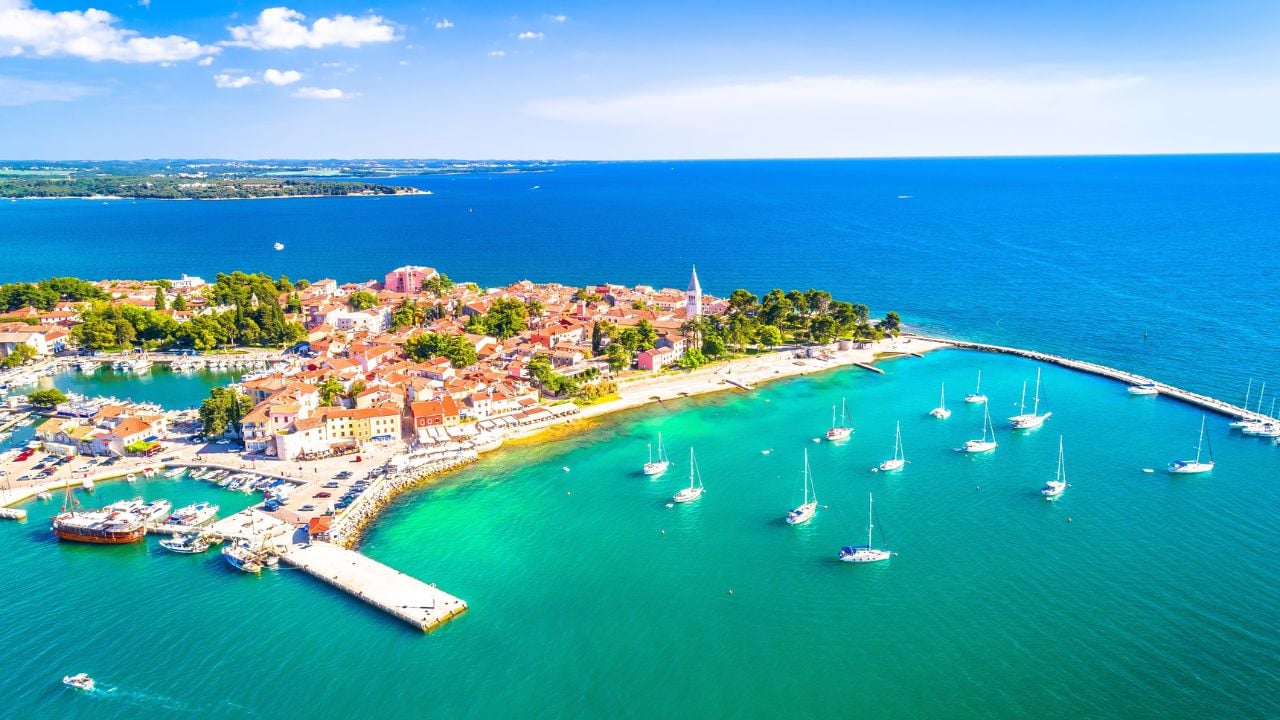
Istria works well for travelers who want the Adriatic coast and inland towns in the same trip. Istria promotes the peninsula through coast, hills, Roman monuments, truffles, wine, olive oil, and hilltop towns, which gives visitors several reasons to leave the beach base for the interior.
Rovinj, Poreč, Novigrad, and other coastal towns can handle the seaside part of the trip. Motovun, Grožnjan, Bale, and inland villages add hilltop streets, countryside views, konoba lunches, and food stops. Istria’s own gourmet material points travelers toward truffles, Malvasia, Teran, Muscat, and olive oil, so the inland road can be as important as the waterfront.
A good itinerary might stay near Rovinj, Poreč, or Novigrad, then set aside one day for Motovun and Grožnjan and another for olive oil, wine, or a slower village lunch. Istria is stronger when the coast and interior are planned together instead of treating the seaside town as the whole trip.
4. Puglia’s Adriatic Coast, Italy

Puglia’s Adriatic side works best when travelers move between towns instead of choosing one beach hotel and staying there. Italia.it describes a Puglia road trip with stops including Bari, Polignano, Alberobello, Grottaglie, Ostuni, Lecce, Otranto, and Gallipoli.
For the Adriatic side, towns such as Bari, Polignano a Mare, Monopoli, Trani, Otranto, and the Gargano area can give travelers old harbors, cliff views, cathedrals, seafood restaurants, and beach stops without reducing the trip to one resort base. Inland and near-coast detours add olive groves, masserie, dry-stone walls, and whitewashed towns.
A strong route can pair Polignano and Monopoli for cliffs, harbors, and old streets, then continue toward Trani or Otranto depending on the direction of the trip. The best days mix a coastal walk, a town center, a long lunch, and a drive through the countryside behind the water.
5. Lycian Coast, Türkiye
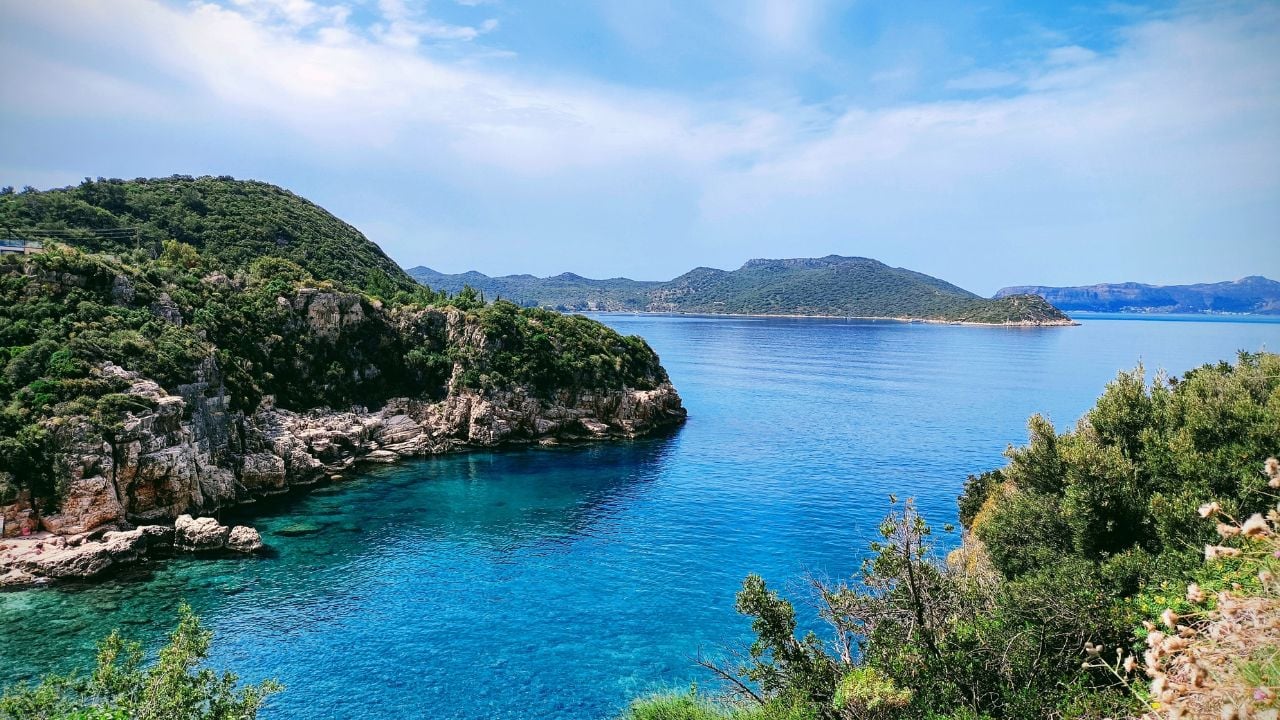
The Lycian Coast can work better from a smaller base than from a large resort zone. GoTürkiye describes Kaş with narrow cobbled streets, sea, forests, coves, bougainvillea, and houses with wooden balconies. That makes it a useful base for travelers who want restaurants, harbor walks, boat trips, and nearby ancient sites without staying in a larger resort cluster.
The region also has a strong walking and history route. GoTürkiye says the Lycian Way stretches over 500 kilometres between Ölüdeniz and Antalya, with entry points for short walks, day hikes, and longer treks. The route connects coastal landscapes, Taurus Mountain scenery, ancient cities, and towns such as Fethiye, Kalkan, Kaş, and Adrasan.
A Kaş-based trip can include boat trips, nearby bays, diving, Kekova, Kaleköy, Patara, Myra, and short Lycian Way sections. A larger resort may be easier to book as a package, but smaller Lycian towns give travelers more direct access to harbors, ruins, trails, and meals in town after a day on the coast.
6. South Cornwall, England
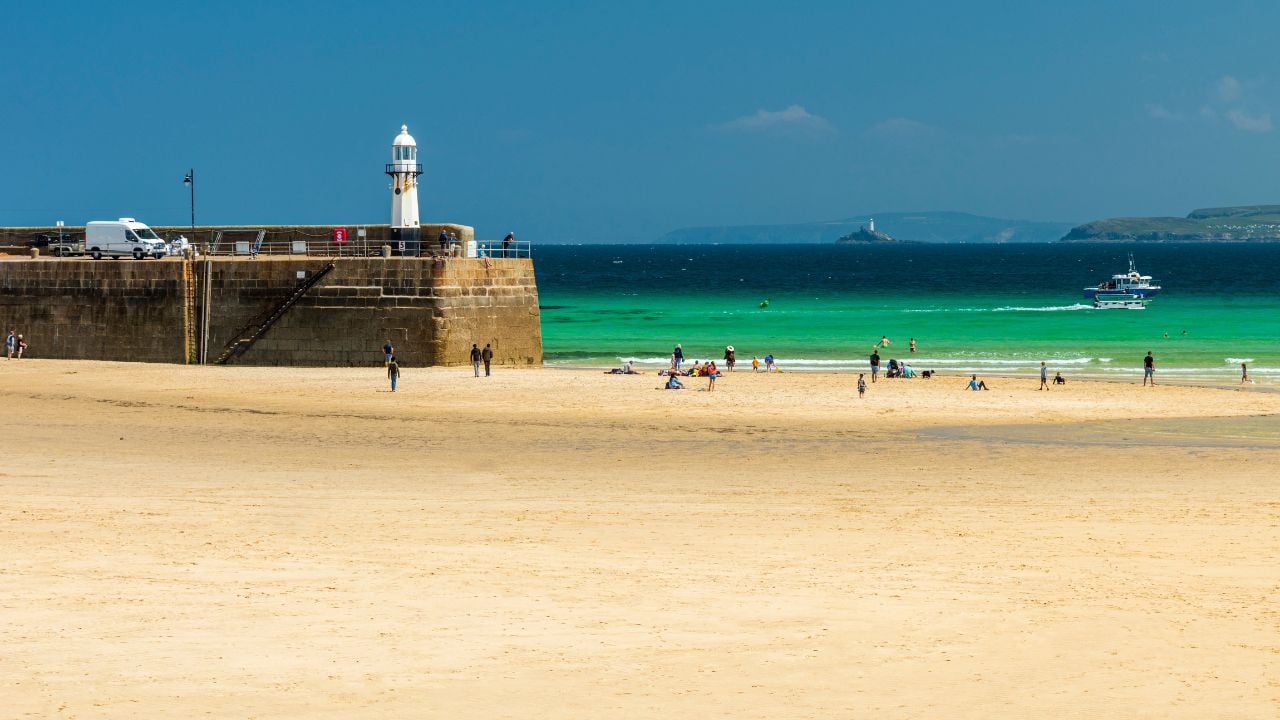
South Cornwall is useful for travelers who want harbor towns and coves rather than only a large seaside base. Visit Cornwall describes the south coast as a softer stretch with wooded creeks, pebble coves, harbour towns, and fishing communities, and names Falmouth, Fowey, and Newlyn among places to explore.
Fowey, Mevagissey, Polperro, Looe, St Mawes, and nearby villages give travelers a route built around harbors, narrow lanes, seafood, boat trips, estuary views, and short coastal walks. A stay in one town can still leave room for another harbor or cove the next day without turning the trip into a resort routine.
The small-town approach works best with realistic driving and parking plans. Some villages have narrow access roads, limited parking, or steep walks from car parks to the harbor. Travelers who choose the right base can spend more time on foot near the water, at cafés, or on short boat trips instead of driving between bigger beach towns.