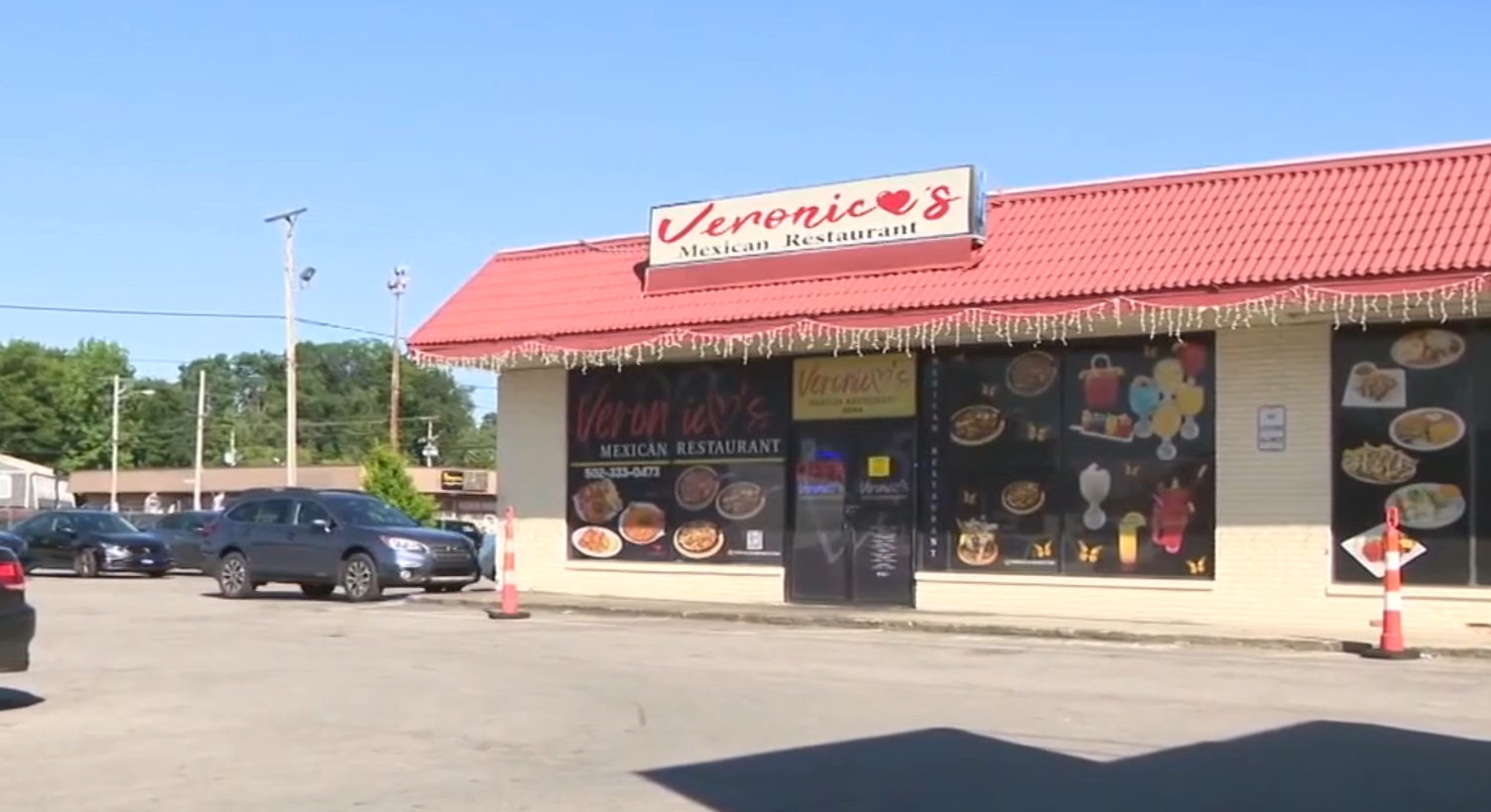
A Louisville Mexican restaurant is now out of business, at least temporarily, after regulators connected the dots between a margarita order and a fatal crash that took the life of a teenage girl in May. The sequence of events unfolded fast: a meal, some drinks, a car, and a collision that ended a 19-year-old’s life on a residential street in the Smoketown neighborhood. Now, Louisville Metro Alcoholic Beverage Control has stepped in with one of the most serious tools in its regulatory arsenal.
Officers responded to the 700 block of Logan Street on the afternoon of May 14, 2026, where one occupant of a vehicle was killed and two others were injured. The driver, Dasharay Ben’e, admitted to drinking before the crash and later returned a blood alcohol concentration of 0.168 on toxicology. That is more than twice the legal limit in Kentucky, which sits at 0.08 like every other state in the country.
For reference, a BAC of 0.168 is not a “had a couple beers with dinner” reading. That is a number that takes real effort.
The coroner identified the victim as Ayanna Wilbanks, 19 years old. Her own blood alcohol concentration came back at 0.18. Two people climbed into that car. Neither of them should have been driving, and at least one of them paid for it with her life. Police arrested Ben’e, who is now facing charges including vehicular homicide while under the influence of alcohol, among others.
Louisville Metro ABC issued an emergency suspension order for Veronica’s Mexican Restaurant on Poplar Level Road after investigators connected the driver to the establishment through toxicology results and eyewitness accounts. This is not a routine citation or a slap on the wrist. An emergency suspension means the doors close while the investigation continues, and for a restaurant, that is a serious consequence with or without a courtroom involved.
What the Emergency Suspension Actually Means
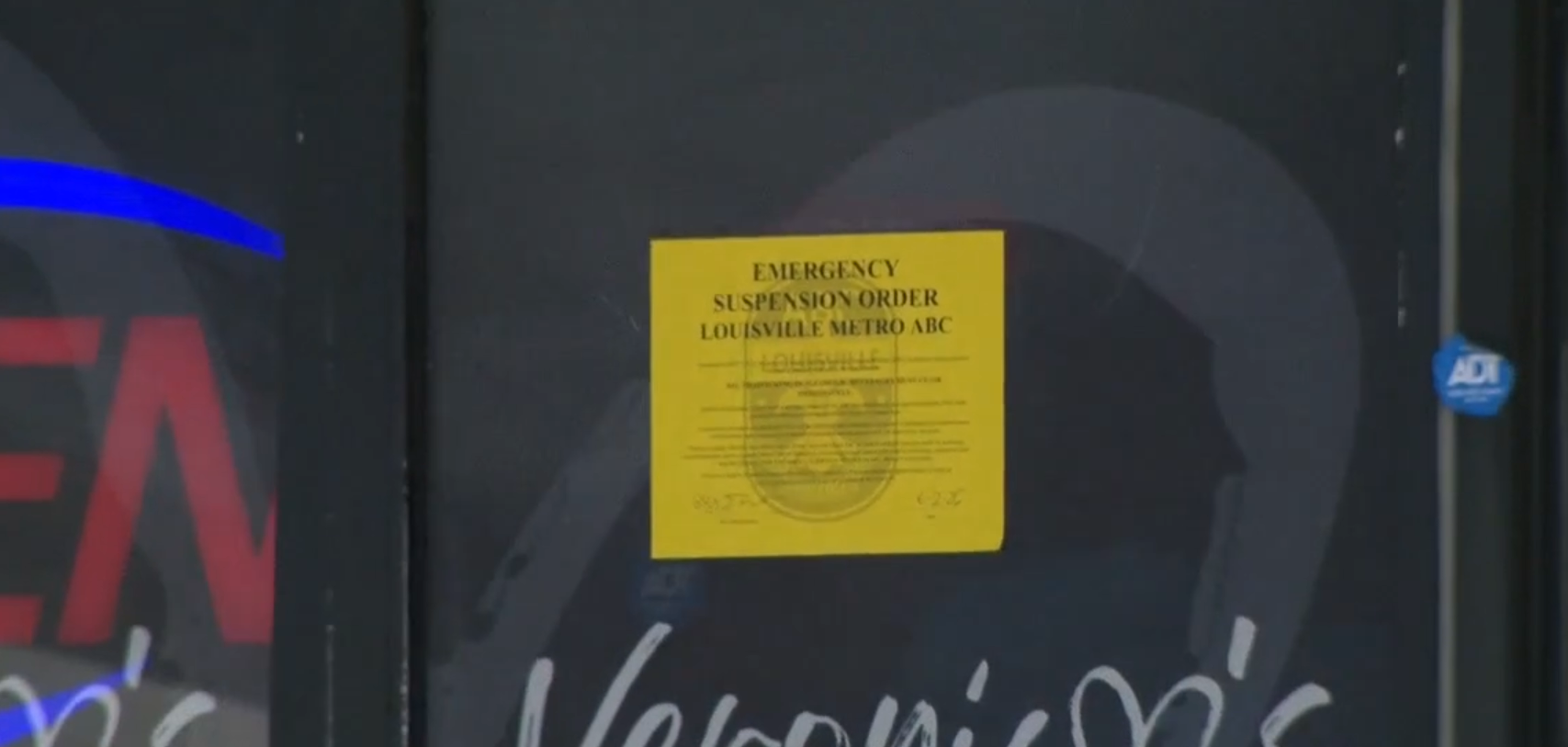
Louisville Metro ABC Director Brad Silveria was direct about the decision: “Emergency Suspension Orders are not issued lightly, but when circumstances are serious and warrant intervention, we have a responsibility to act.” That kind of language from a regulatory director does not come out for minor paperwork issues. When a fatality is in the chain of events, the calculus changes.
This is the 11th emergency suspension order issued under Mayor Craig Greenberg’s Safe Louisville plan, an initiative aimed at improving public safety across the city by 2030. The mayor did not mince words either, stating that “operations that break the law, threaten public safety and cause tragic accidents have no place in Louisville.” Whether the restaurant actually broke the law in a provable, criminal sense is still being sorted out, but the regulatory side of things does not wait for a jury.
The suspension applies only to the Veronica’s location on Poplar Level Road, and Metro ABC’s investigation into potential over-service violations at that specific location is ongoing. The rest of the chain is not under scrutiny at this time.
Kentucky’s Dram Shop Law: More Limited Than You Might Expect
Here is where things get legally interesting. Most people assume that if a bar or restaurant sends a clearly hammered customer out the door and into a car, they bear significant legal responsibility for what happens next. In Kentucky, that assumption is only partially correct.
Under Kentucky Revised Statutes Section 413.241, an alcohol seller can be held civilly liable when the establishment sold or served alcoholic beverages, the person served was visibly intoxicated at the time of service, and that intoxication was a substantial factor in causing the injury. The standard hinges heavily on whether a reasonable person in the server’s position should have recognized that the customer was already intoxicated before the next drink was poured.
Kentucky also operates under a comparative fault system under KRS 411.182, which allows fault to be distributed among all responsible parties. That means a jury can assign a percentage of blame to the establishment, the driver, and even the injured party depending on the specifics. It is a framework that complicates clean-cut liability and makes these cases genuinely difficult to win.
The “Raise the Bar” Program and What Comes Next
Even as the legal and regulatory machinery grinds forward, Louisville Metro ABC is thinking about prevention rather than just punishment. The agency is working toward a new program called “Raise the Bar,” aimed at better informing alcohol-serving businesses about recognizing the signs of impairment and what steps to take when a customer appears to have had enough. It is a training initiative, not a penalty, and its arrival feels timely given the circumstances.
The Kentucky Department of Alcoholic Beverage Control already offers a Server Training in Alcoholic Regulations program, known as STAR, which covers dram shop liability, recognizing signs of intoxication, and how to handle fake identification. Whether Veronica’s staff had that training, or applied it, is presumably part of what investigators are still piecing together.
The Bigger Picture on Drunk Driving in Louisville
A single crash is a data point. A pattern is a crisis. Louisville has dealt with alcohol-related traffic deaths with enough regularity that city leadership framed the Safe Louisville initiative around measurable public safety improvements, not just reactive enforcement. Emergency suspension orders make the news. Designated drivers and sober ride programs do not. But the latter are doing far more of the actual work.
The outcome for Veronica’s Mexican Restaurant on Poplar Level Road remains open. The investigation is active, the charges against Ben’e are serious, and a 19-year-old named Ayanna Wilbanks is not coming home. Whatever the regulatory or legal conclusions turn out to be, that part of the story is already finished.