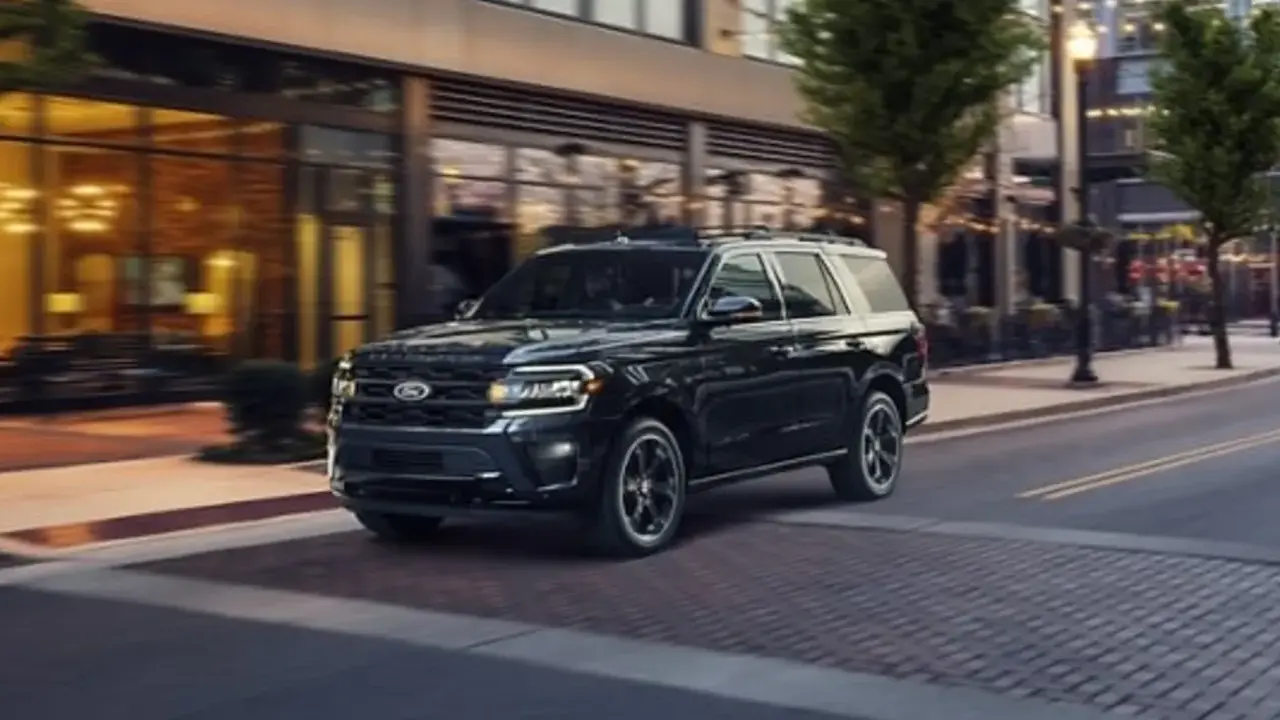
Ford has issued another major recall affecting two of its most popular full-size SUVs. This time, the problem involves the front seatbelt pretensioners in certain Ford Expedition and Lincoln Navigator models.
According to the National Highway Traffic Safety Administration, nearly 420,000 SUVs are included in the recall. The issue could cause the seat belts to lock unexpectedly or even deploy the pretensioners without a crash.
That creates a serious safety concern because the seat belts may not properly restrain occupants during an accident. Ford has already linked at least one injury to the defect.
Unfortunately for owners, the final repair solution is not expected to arrive until late August or early September. Until then, affected drivers may spend months operating vehicles with potentially compromised safety systems.
Which Vehicles Are Affected?
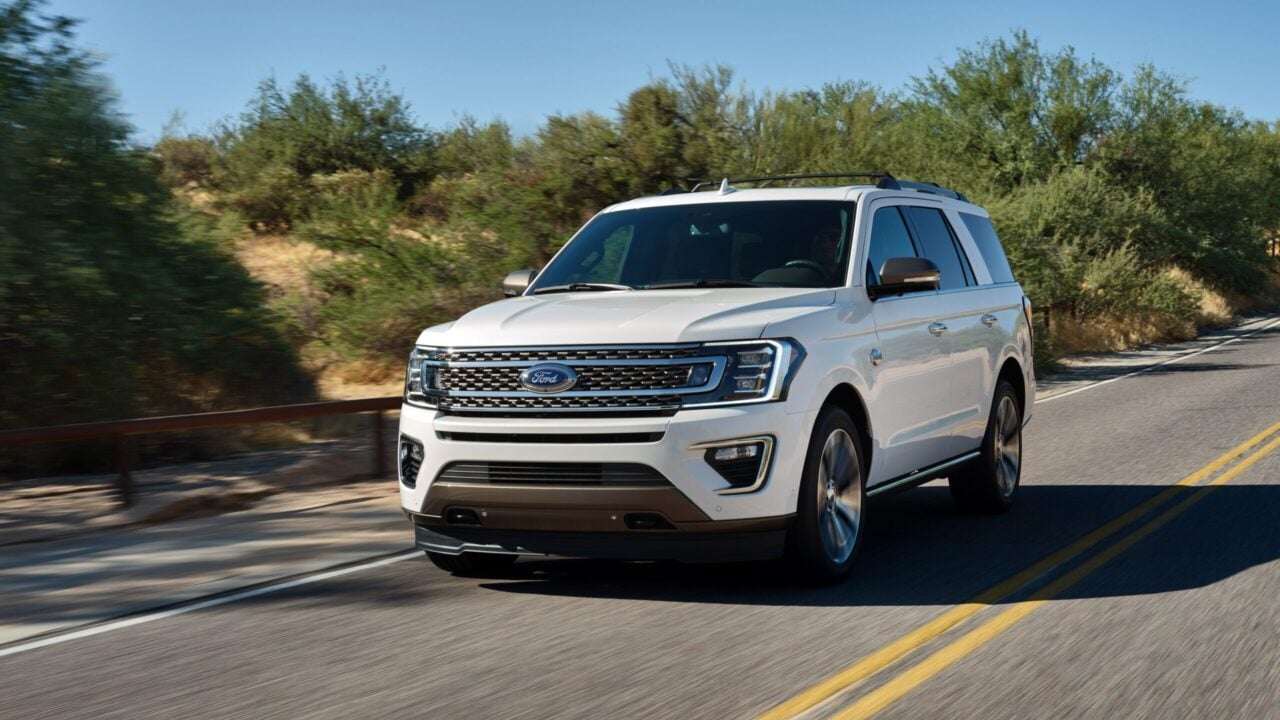
The recall covers 342,283 Ford Expedition SUVs from the 2018 through 2022 model years. It also includes 77,684 Lincoln Navigator SUVs built between 2018 and 2022.
Production dates range from May 15, 2017, through late October 2022 depending on the model. Altogether, the recall affects 419,967 vehicles across the United States.
These SUVs use seat belt pretensioners designed to tighten the belt instantly during a crash. However, Ford says the propellant inside certain pretensioners can degrade over time when exposed to high heat conditions.
What Can Go Wrong?
According to the recall documents, degradation inside the pretensioner can cause oxidation of internal components. That corrosion may eventually trigger unintended deployment of the pretensioner system.
When that happens, the seat belt can suddenly lock and fail to retract or extend normally. In more severe cases, the pretensioner may rapidly tighten the belt unexpectedly, potentially causing injury to the occupant.
Ford says drivers may notice warning signs before a failure occurs. Symptoms can include abnormal seat belt operation and an illuminated airbag warning light on the dashboard.
Ford Has Tried To Fix This Before
This is not the first time Ford has addressed this problem. The automaker previously issued recalls identified as 24S06 and 25S31 for similar seatbelt pretensioner concerns.
Additional testing throughout 2026 reportedly helped Ford identify the exact combination of propellant and stabilizer responsible for the failures. Engineers then developed an updated micro gas generator design with improved chemical stability and reduced corrosion risk.
Ford says the revised components performed significantly better during testing. The updated parts are expected to become the permanent repair solution for affected vehicles.
What Owners Need To Know
Ford dealers will inspect affected SUVs and replace one or both front seatbelt pretensioners if necessary. However, the company says the final repair program is still being prepared.
Owners should begin receiving interim notification letters next week. Those notices will inform customers about the recall and advise them to wait for the official repair instructions.
Ford currently expects remedy notifications to be mailed between August 31 and September 4, 2026. That means many owners could wait roughly three months before replacement parts become widely available.
Another Setback For Ford’s Full-Size SUVs
The Expedition and Navigator have faced several recalls and quality-related headlines in recent years. While both remain important products for Ford and Lincoln, repeated safety campaigns can damage consumer confidence, especially in family-focused vehicles.
Seat belts are among the most critical safety systems in any vehicle. Problems involving restraint systems tend to draw significant attention from regulators because failures can directly increase the risk of injury during a crash.
For now, Ford says affected customers should remain alert for warning lights or unusual seat belt behavior. Owners can also check their VIN through Ford or the NHTSA recall database to confirm whether their SUV is included in the campaign.