There are certain phrases in English that should serve as warnings on their own. “Free alligator encounter” is near the top of that list. Yet here we are, reporting on a lawsuit filed by a South Florida man who visited an Orange County airboat attraction and came away with considerably more than he bargained for, including a face-to-face encounter with one of Florida’s most prehistoric residents.
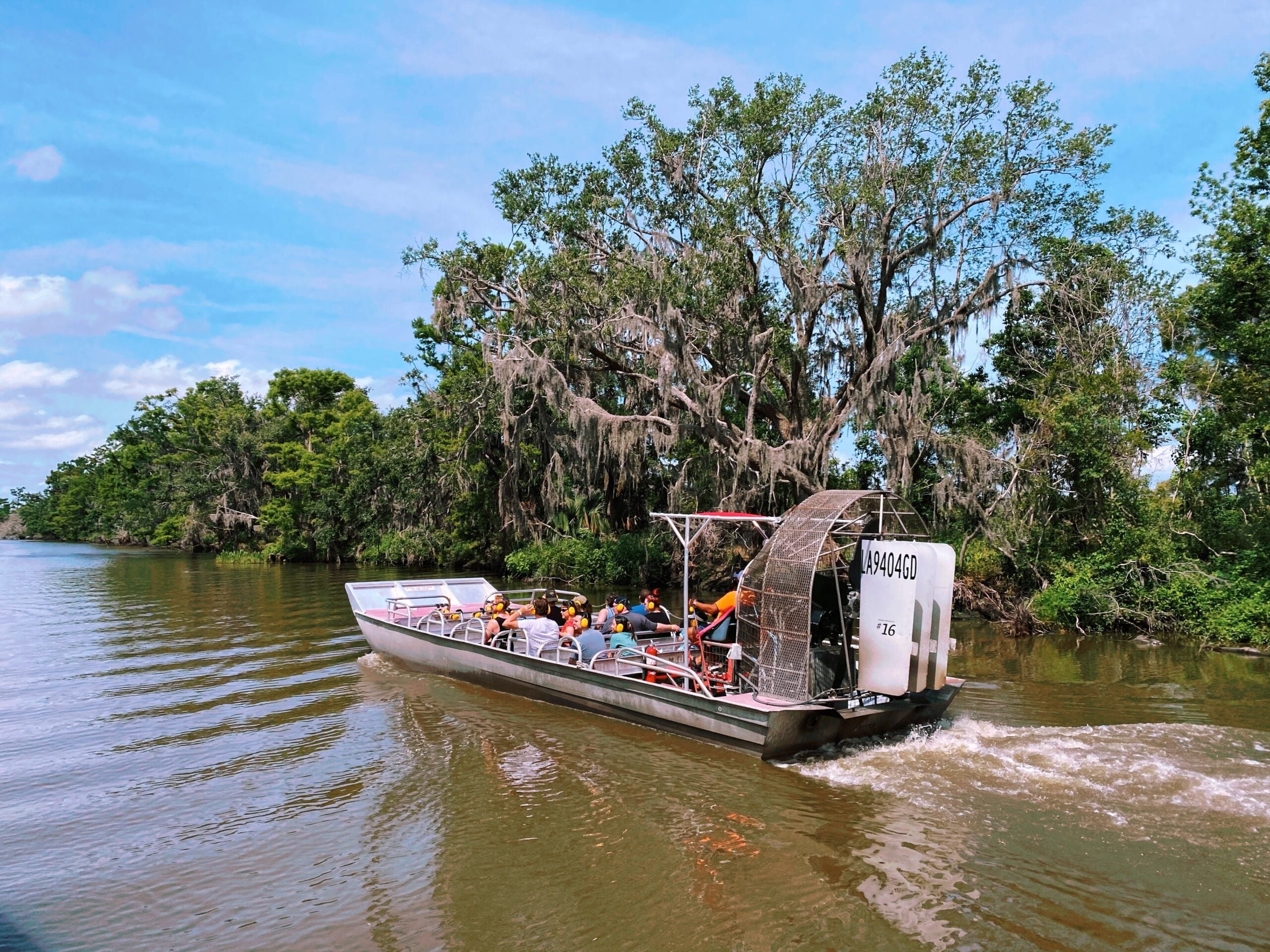
Edil Kasenov, the plaintiff in the case, visited Airboat Rides at Midway, located in the small Central Florida community of Christmas, back in June 2025. The attraction offered a complimentary “Alligator Encounter” as part of its experience, which presumably sounded like an entertaining detour from whatever else was on the itinerary.
Things went sideways in a fairly significant way when the alligator allegedly bit Kasenov in the face, leaving him with injuries that the lawsuit says resulted in hospitalization and what it describes as disfigurement.
The legal complaint, first reported by WKMG News 6 after the station obtained the court filing, accuses the business of negligence on several fronts. According to the complaint, Kasenov alleges there were no posted warnings about the alligator’s dangerous nature, no signage cautioning visitors, and no physical restraints or other protective measures in place. The lawsuit argues those alleged failures created an unreasonably dangerous situation that the company had a duty to prevent.
Kasenov is seeking damages in excess of $50,000. The case raises questions about the responsibilities tourist attractions carry when live wildlife is part of the entertainment package, and whether the inherent unpredictability of wild animals is being treated seriously enough at venues that market up-close animal experiences to families and curious visitors.
What Is Airboat Rides at Midway?
Airboat Rides at Midway is a long-running ecotourism attraction located in Christmas, Florida, a small unincorporated community in Orange County about 25 miles east of Orlando. The operation offers airboat tours through the wetlands surrounding the St. Johns River, one of the most biologically diverse river systems in the United States.
Like many Central Florida nature attractions, the company also offers guests the opportunity to hold a baby alligator after their tour as part of its complimentary Alligator Encounter experience. According to the attraction’s website, the animals wear bands around their mouths during the encounter, and guests are instructed not to place their hands or faces near the alligator’s head.
Florida’s Alligator Population and the Reality of Close Encounters
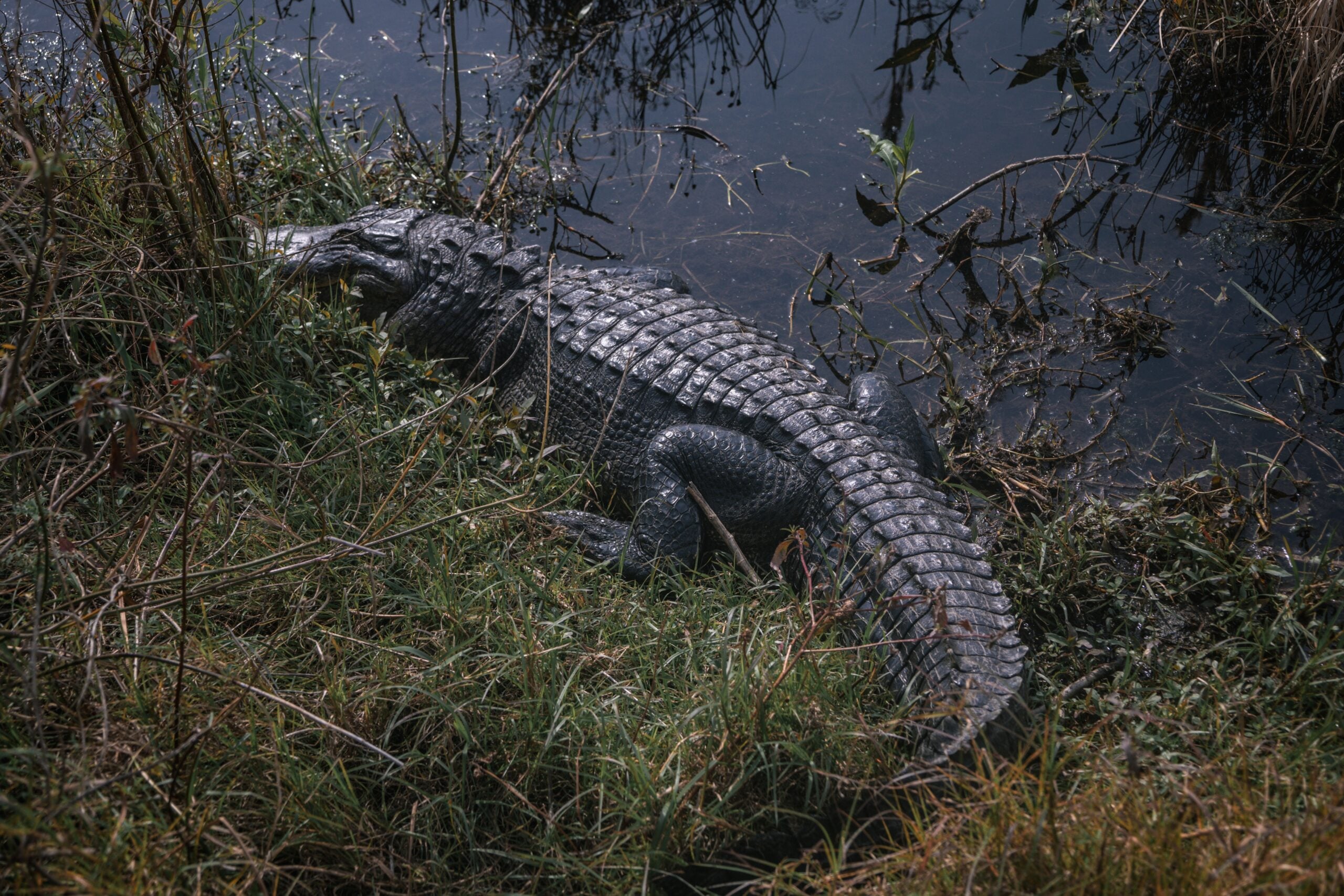
Florida is home to an estimated 1.3 million alligators spread across all 67 counties. The Florida Fish and Wildlife Conservation Commission receives thousands of nuisance alligator complaints each year and operates a statewide program to remove animals that pose a threat to people or property. While fatal attacks remain uncommon, non-fatal bites happen often enough to serve as a reminder that alligators are still powerful wild animals, even when they appear calm.
What makes this lawsuit unusual is the setting. Rather than an unexpected encounter at a pond or golf course, the alleged injury occurred during a commercial wildlife experience. Visitors generally expect attractions offering hands-on encounters with animals to have carefully managed the risks involved, and whether those precautions were sufficient will likely be one of the central questions in the case.
The Legal Standard for Wildlife Attraction Liability
Premises liability law generally requires businesses to take reasonable steps to protect customers from foreseeable hazards. When live animals are involved, that duty can include providing appropriate warnings, proper employee training, and safety procedures designed to reduce unnecessary risks.
Kasenov’s lawsuit alleges those precautions were lacking. However, Airboat Rides at Midway has publicly disputed those claims. In statements provided to PEOPLE and Fox 35 Orlando, the company said guests receive verbal safety instructions, are told to hold the alligator at waist-to-chest level, and are specifically instructed not to place their faces near the animal. The company also contends Kasenov ignored those instructions while posing for a photograph and says the alligator did not bite him but instead swung its head, causing minor scratches.
Ultimately, those competing accounts have not been tested in court, and the litigation process will determine which version of events is supported by the evidence.
A Cautionary Tale for Tourists
Central Florida’s tourism industry is built in part around the state’s unique wildlife. Airboat tours, wildlife parks, and educational animal encounters allow millions of visitors to experience Florida’s natural environment each year, and the overwhelming majority end without incident.
This lawsuit is a reminder, however, that wild animals remain unpredictable regardless of how accustomed they may be to human interaction. When attractions invite guests into close proximity with potentially dangerous animals, safety procedures, clear warnings, and experienced handlers become essential. Whether those measures were adequate in this case will ultimately be decided in court.
The allegations contained in Kasenov’s lawsuit have not been proven. Airboat Rides at Midway disputes his account of what happened, and the civil case remains pending.