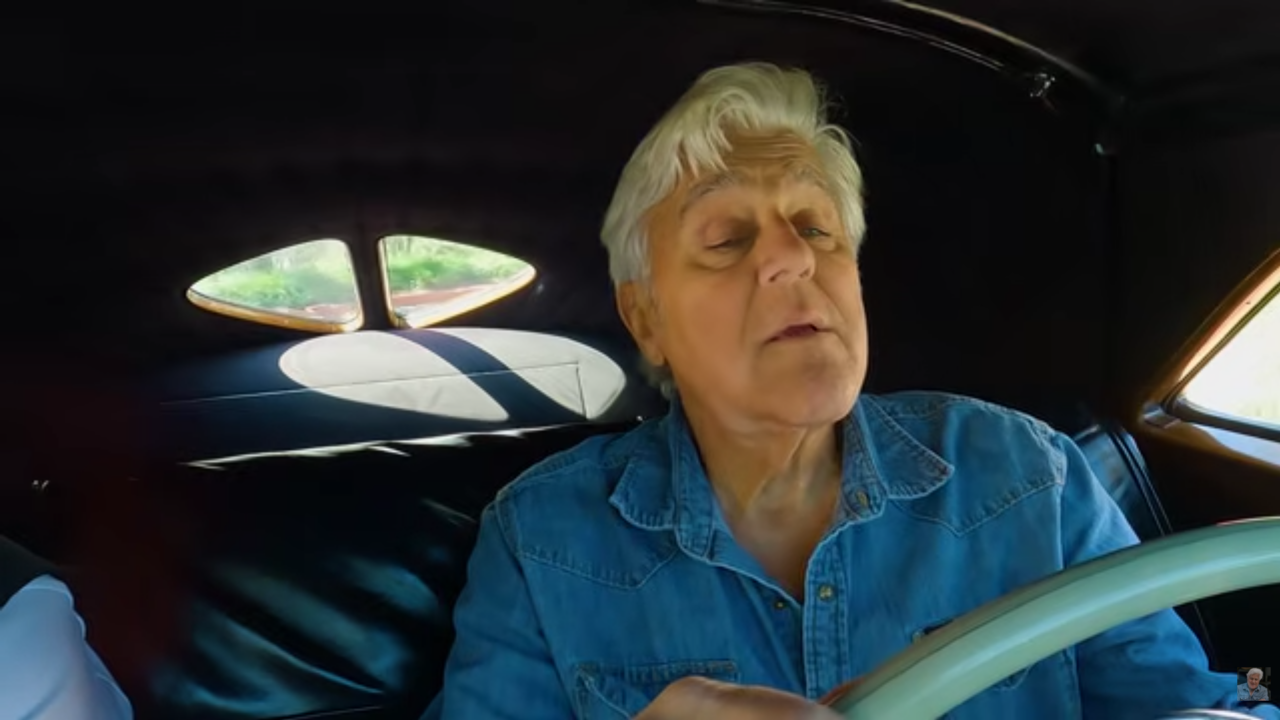
California’s latest attempt to modernize its collector vehicle emissions rules is attracting support from far beyond the state’s borders.
What began as an enthusiast-backed effort championed by Jay Leno has now earned endorsements from major automotive organizations, including the Fédération Internationale de l’Automobile (FIA), while also drawing strong backing from California’s influential lowrider community.
Known informally as “Leno’s Law,” Senate Bill 1392 recently cleared the California Senate and is now awaiting consideration in the State Assembly. Supporters believe the measure represents a practical update to regulations that many argue no longer reflect the realities of preserving older vehicles.
The growing coalition behind the bill suggests momentum may be building for a proposal that failed to reach the finish line during a previous legislative attempt.
Updating A Rule Frozen In Time
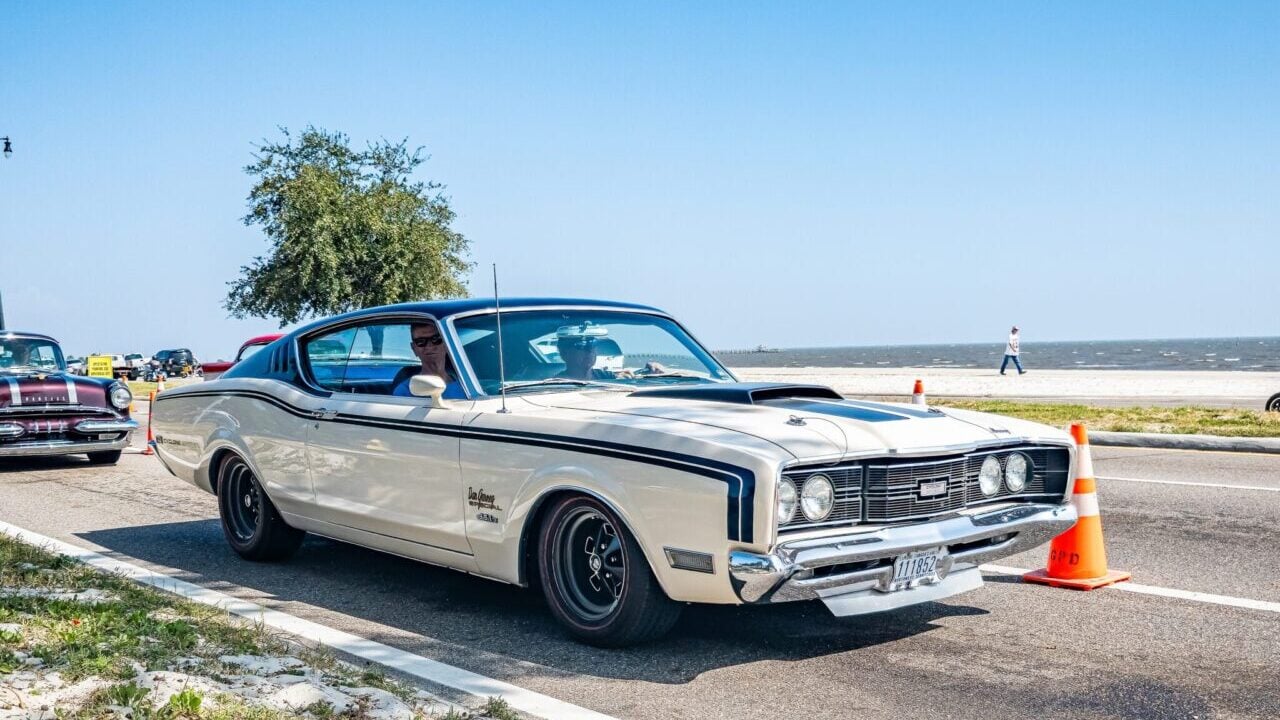
California currently exempts only vehicles built before the 1975 model year from the state’s smog inspection requirements. That cutoff has remained unchanged for roughly two decades, creating challenges for owners of vehicles built in the late 1970s and early 1980s. As those vehicles continue to age, replacement emissions equipment and testing infrastructure have become increasingly difficult to find.
SB 1392 would create a phased-in exemption pathway for qualifying collector vehicles. The legislation would initially apply to vehicles built before the 1981 model year and gradually expand until it reaches vehicles built before the 1986 model year by 2032.
Importantly, the proposal is not a rolling exemption. Owners would still need to meet specific collector vehicle requirements, including maintaining collector-car insurance and using the vehicles primarily for exhibitions, shows, parades, and similar activities rather than daily transportation.
FIA Throws Its Weight Behind The Bill
One of the most notable developments surrounding the legislation is support from the FIA’s International Historical Commission.
The FIA, best known globally as the governing body for major motorsport series, including Formula 1, has argued that the legislation strikes a balance between environmental goals and historic vehicle preservation.
According to FIA International Historical Commission President Giuseppe Redaelli and FIA Secretary General for Mobility, Sustainability, and Tourism Willem Groenewald, the proposal recognizes California’s leadership in environmental policy while protecting an important part of the state’s automotive heritage.
The organization emphasized that the bill remains narrowly focused, applies only to qualifying collector vehicles, and does not create a broad exemption that would affect modern daily-driven cars.
For supporters, the FIA endorsement provides international credibility to an effort that has largely been framed as a state-level issue.
Lowrider Community Mobilizes In Support
The legislation has also received significant backing from California’s lowrider community. According to SEMA, more than 1,700 letters supporting SB 1392 have been submitted by enthusiasts, builders, clubs, and community members.
Joseph Mendez, CEO of The Lowrider Grind, described the legislation as critical not only for vehicle owners but also for the businesses and craftsmen who support the hobby. Builders, painters, upholsterers, chrome shops, and restoration specialists all rely on a thriving collector vehicle community.
Supporters argue that preserving these vehicles also preserves the cultural traditions and local economies built around them.
Why Enthusiasts Are Paying Attention

The bill’s supporters include Jay Leno and the Specialty Equipment Market Association (SEMA), one of the largest automotive aftermarket organizations in the world.
Advocates say the proposal addresses a growing practical problem. As older emissions testing equipment disappears and replacement parts become harder to source, maintaining strict compliance becomes increasingly difficult for vehicles approaching 50 years of age.
They also argue that collector vehicles represent a tiny fraction of total vehicle miles traveled and therefore have a limited impact on overall emissions.
The broader goal, according to supporters, is preserving automotive history while maintaining California’s environmental standards.
The Next Step For SB 1392
With Senate approval already secured, the bill now moves to the California Assembly, where it will be assigned to committee for further debate and consideration.
Its fate remains uncertain, but the growing list of supporters indicates that the latest version of Leno’s Law has gained significantly more momentum than previous efforts.
Whether lawmakers ultimately approve the measure or not, the debate highlights a larger question facing enthusiasts across the country: how to preserve historically significant vehicles while adapting to modern environmental regulations.
For now, California’s collector car community has gained some influential allies, and the fight to modernize the state’s classic vehicle rules is far from over.