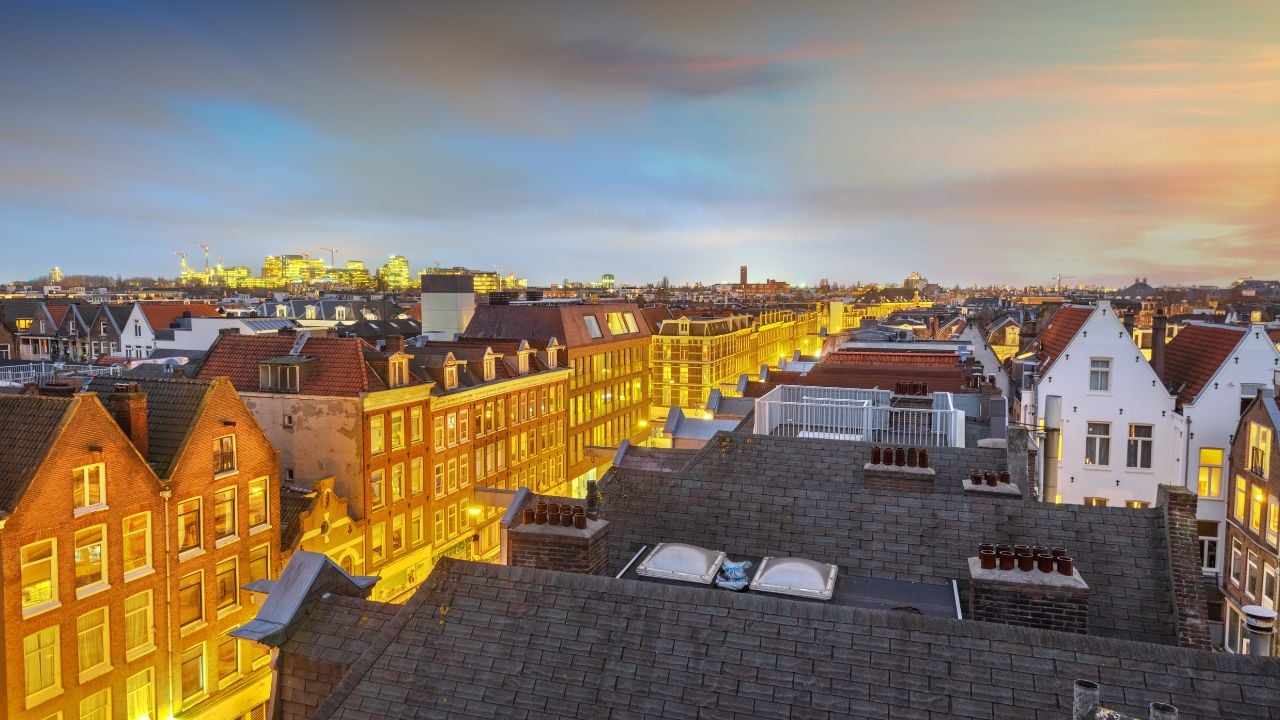
The most famous parts of a city often carry the first visit, but they do not always make the best base once the sightseeing is done. Around landmark streets, hotel prices climb, rooms shrink, restaurant menus start chasing foot traffic, and late nights can feel louder than they need to be.
A better city stay often starts one or two neighborhoods away from the postcard center. The right area still has trains, metro stops, cafés, shops, parks, and late dinners, but the streets feel more useful after dark. Paris has Canal Saint-Martin. Barcelona has Gràcia. Rome has Testaccio. Amsterdam has De Pijp. Tokyo has Ueno. Vienna has Neubau.
These neighborhoods do not replace the famous center. They give travelers a place to return to after museums, monuments, shopping streets, and packed squares. Dinner, coffee, a market, a park bench, or a quiet walk back to the hotel can become part of the trip instead of the tired space after it.
1. Paris, France: Canal Saint-Martin Instead of the Louvre Area
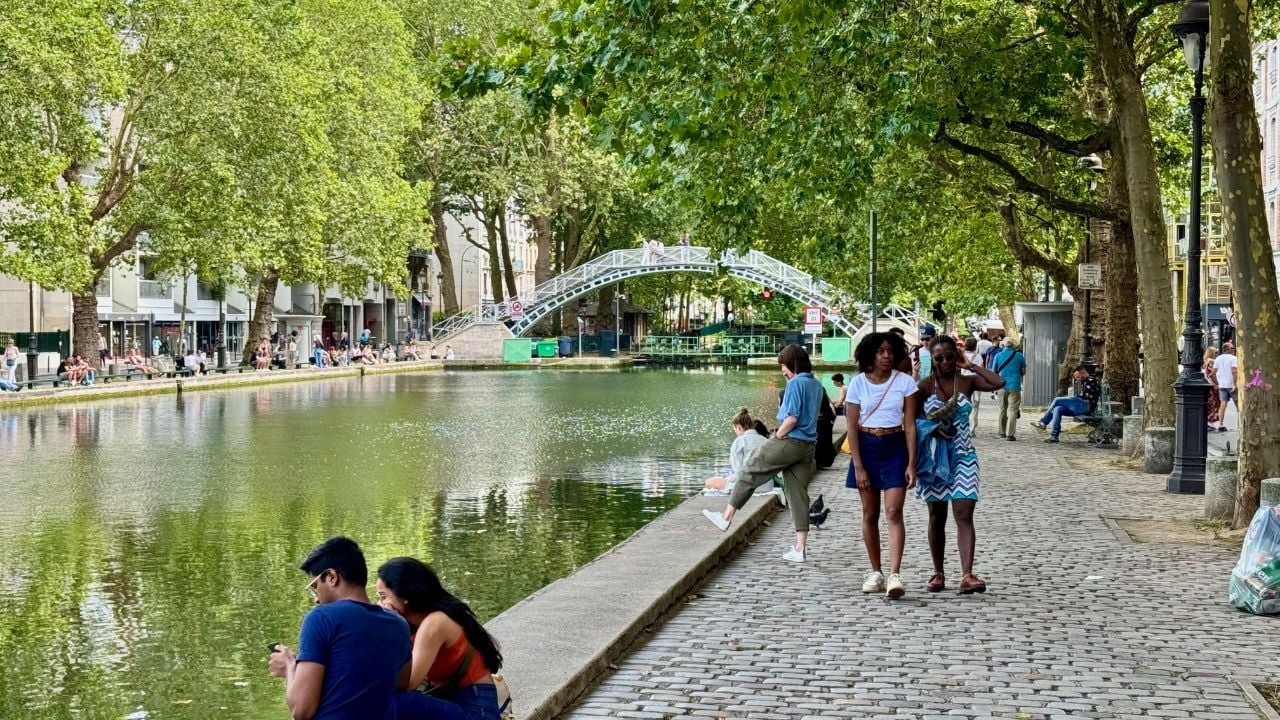
The Louvre area puts visitors close to museums, the Seine, gardens, and central Paris, but it can also feel expensive and heavily shaped by people passing through. Canal Saint-Martin gives Paris a different evening: bridges, locks, waterside paths, cafés, small restaurants, and groups sitting near the canal when the weather is kind.
Paris je t’aime describes the canal walk toward La Villette as a route with waterfronts, parks, street art, culture, and a holiday atmosphere. The canal itself stretches 4.5 kilometers, with bridges, footbridges, and locks along the route.
The neighborhood works well for travelers who want central Paris within reach without sleeping beside the most obvious tourist corridors. The Marais, République, Gare de l’Est, Gare du Nord, and the northern side of the city are close, while the canal gives the night somewhere to go after the museums close.
A stay here can mean morning coffee near the water, a bakery stop before the metro, dinner on a side street, and a walk past iron footbridges on the way back. The big Paris sights remain easy to visit, but the day no longer has to end beside a souvenir row.
2. Barcelona, Spain: Gràcia Instead of the Gothic Quarter
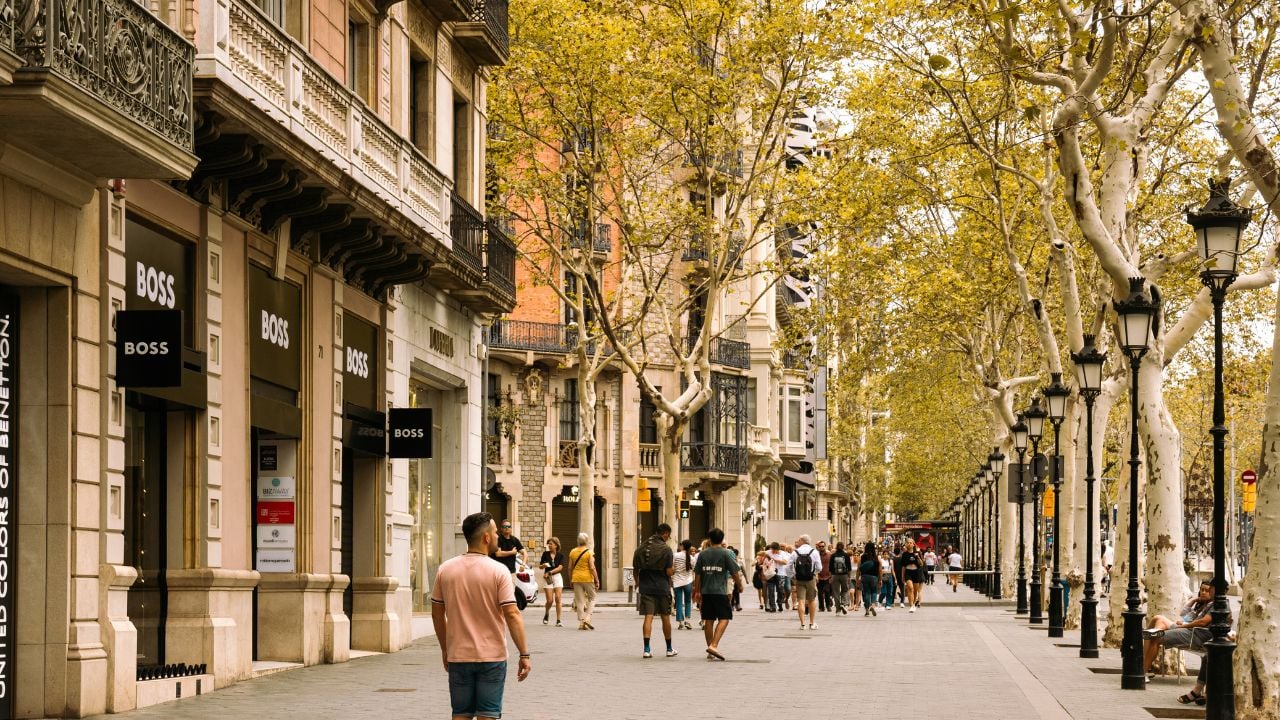
The Gothic Quarter has atmosphere, but its narrow lanes can feel tight when the crowds and nightlife stack up. Gràcia gives Barcelona a softer base built around plazas, terraces, small streets, local shops, and neighborhood dinners.
Meet Barcelona describes Vila de Gràcia as one of the city’s most charismatic neighborhoods, with small streets from its former rural community, café terraces, squares, good food, and a festive atmosphere. Barcelona Turisme also notes that Gràcia’s squares grew from the former village and became places for locals and visitors to meet, talk, and spend time.
That village history still shows in the way the neighborhood moves. Streets open into plazas with tables and children playing nearby. Shops feel smaller than the big central retail corridors. Dinner can happen outside without making the whole evening feel like a tourist strip.
Park Güell, Passeig de Gràcia, the metro, and the rest of Barcelona remain close enough for a first visit. Returning to Gràcia after a day in the old center gives the trip a different finish: plaza lights, terrace noise, late meals, and narrow streets that belong to residents as much as visitors.
3. Rome, Italy: Testaccio Instead of the Spanish Steps
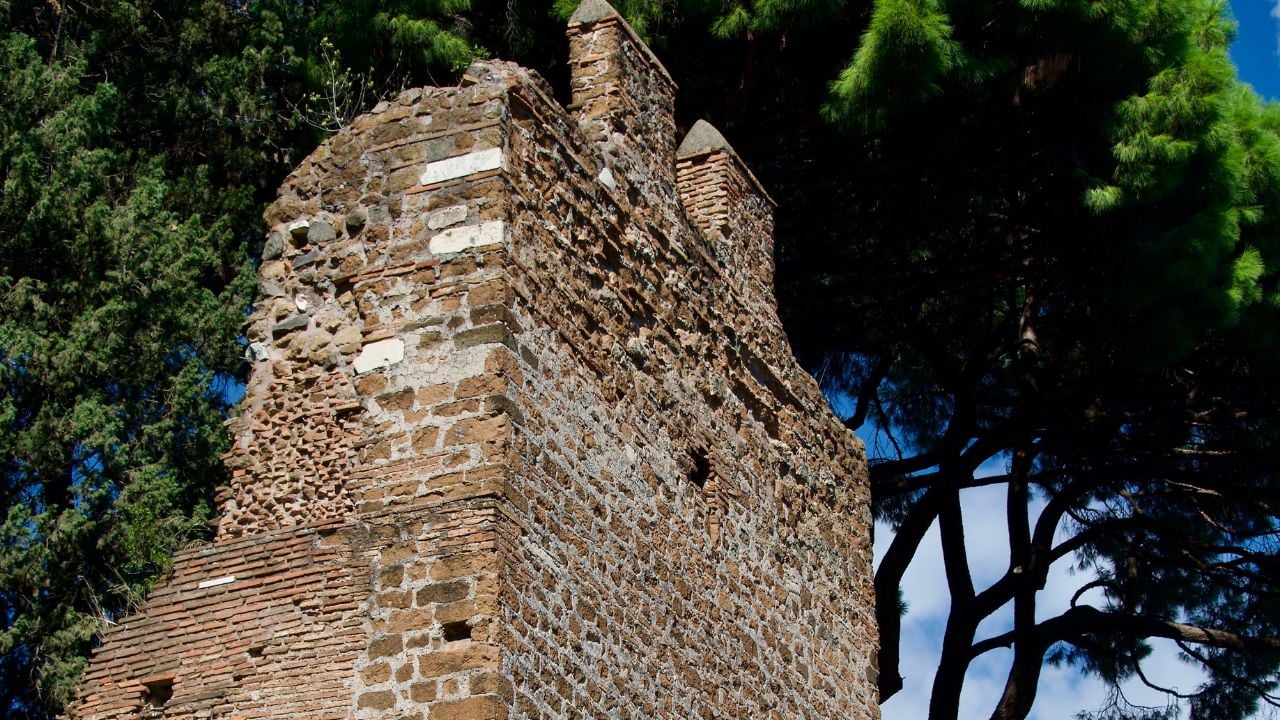
The Spanish Steps area places visitors near designer shops, central walks, and Rome’s most polished tourist routes. Testaccio gives the city more appetite. The neighborhood has markets, trattorias, nightlife, working-class history, ancient food-trade roots, and streets that feel less staged for first-time visitors.
Turismo Roma calls Testaccio the folk spirit and soul of Rome. Its guide points to Monte Testaccio, also known as Monte dei Cocci, and connects the area to Roman roots, traditional food, neighborhood life, and places such as Piazza Testaccio and Via Galvani.
The neighborhood suits travelers who want Rome after dark without eating beside the same landmarks everyone photographed that afternoon. A day can still reach the Colosseum, Aventine Hill, Trastevere, or the historic core, then end around a market, a trattoria, or a street with more Romans than tour groups.
Testaccio gives the trip plates, voices, shopfronts, old industrial edges, and a kind of Roman evening that does not need a monument at the end of every block. For visitors who care about dinner, it can be a stronger base than the prettier streets around the Spanish Steps.
4. Amsterdam, Netherlands: De Pijp Instead of the Canal Ring
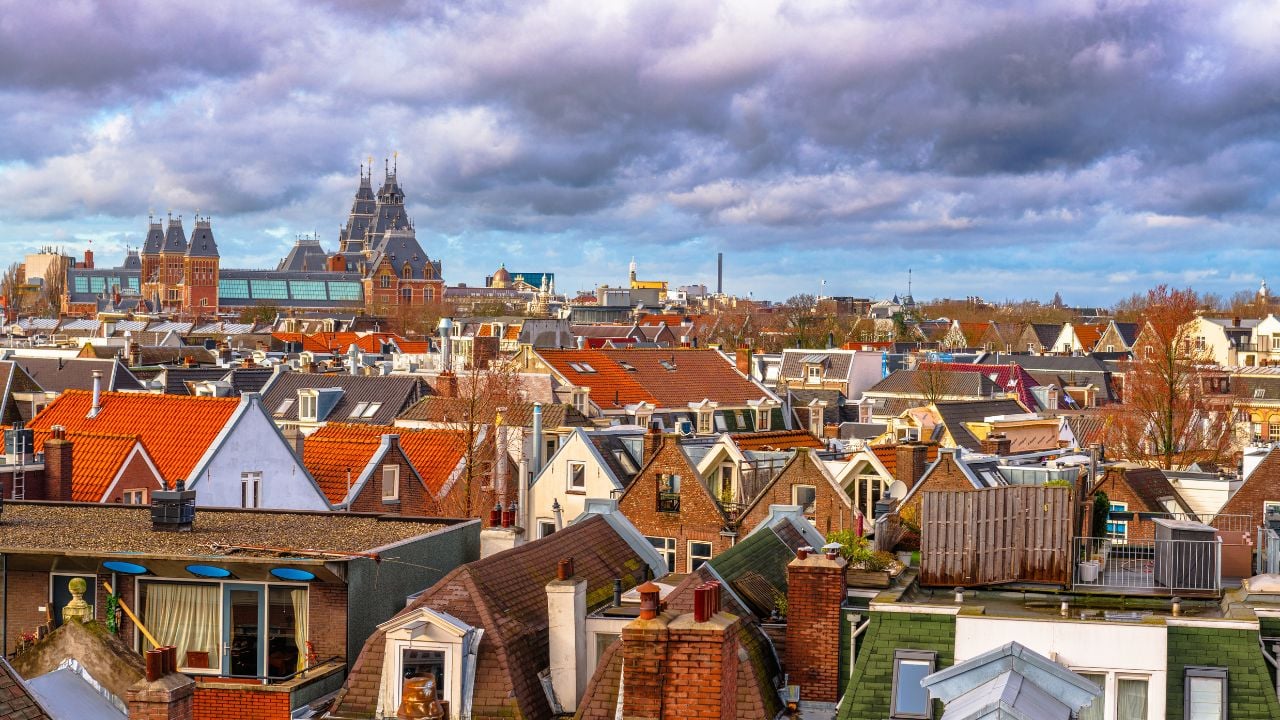
Amsterdam’s canal ring is beautiful, but some of its busiest streets can feel costly and crowded. De Pijp keeps the center close while adding market stalls, casual food, cafés, terraces, Sarphatipark, and a looser neighborhood mood south of the main canal crush.
I amsterdam describes De Pijp as Amsterdam’s lively Latin Quarter, with Sarphatipark, the Albert Cuypmarkt street market, colorful cuisines, terraces, cafés, and a creative reputation. The official Albert Cuyp Market site says the market originated in 1905 and remains a favorite place for locals, tourists, students, day trippers, and entrepreneurs.
De Pijp works well for travelers who like a city stay to include food without turning every meal into a reservation. A morning can start near the market, continue to the Museum Quarter, and end with a drink or dinner on a neighborhood street instead of returning to the densest tourist lanes.
The Rijksmuseum, Van Gogh Museum, canal areas, and central Amsterdam remain close. De Pijp adds the daily pieces around them: groceries, flowers, snacks, park paths, bicycles, street tables, and cafés that keep the neighborhood moving after the museum day ends.
5. Tokyo, Japan: Ueno Instead of Shinjuku or Shibuya
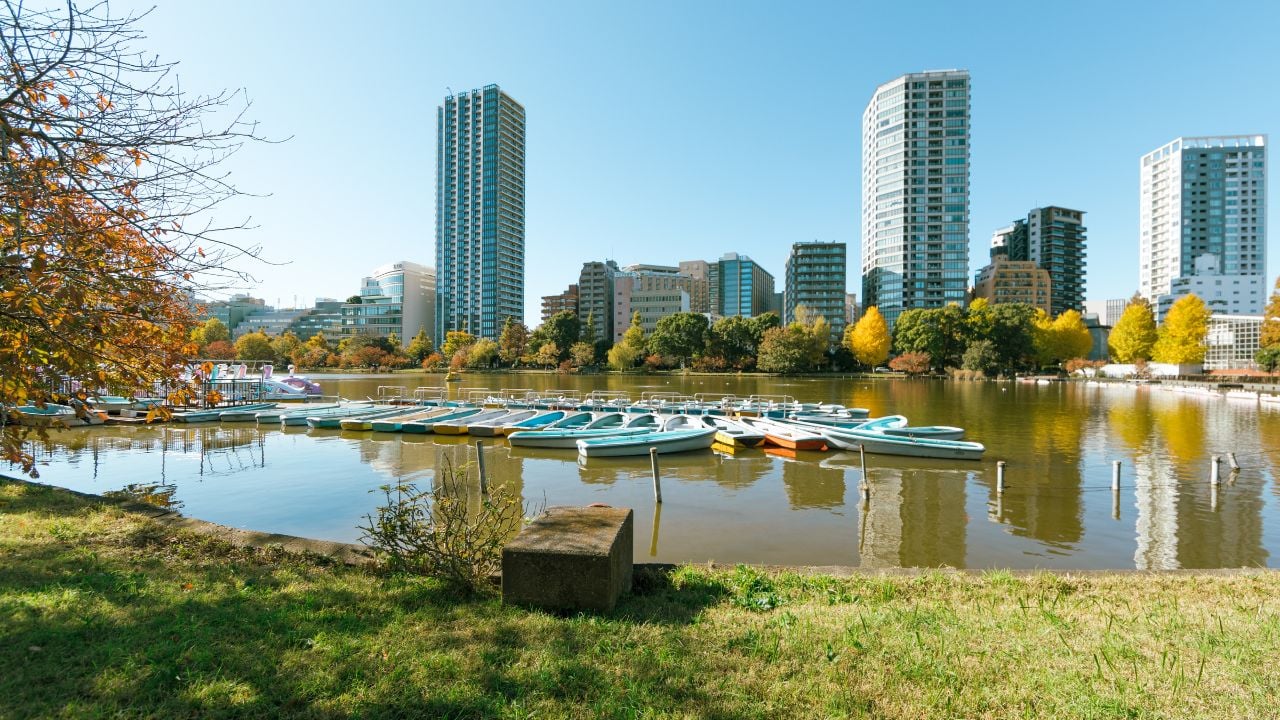
Shinjuku and Shibuya have the bright Tokyo energy many visitors expect, but they can be a lot to return to every night. Ueno gives a different kind of base: major transport, museums, park space, food streets, backstreets, and a direct connection to older Tokyo.
Japan’s official travel site describes Ueno through Ueno Park, Ameyoko, museums, galleries, and backstreets. The same guide notes that Ueno is a major stop on the JR Yamanote Line, four stops from Tokyo Station, and also served by the Ginza and Hibiya subway lines.
That makes Ueno practical without feeling as intense as some entertainment-heavy districts. A traveler can spend the day in Asakusa, Tokyo Station, Ginza, Akihabara, or farther across the city, then return to park paths, museum streets, station food, and the market-like energy around Ameyoko.
Ueno works especially well for visitors who want Tokyo with more room in the morning. Instead of stepping straight into the glare of giant screens and huge crossings, the day can begin with Shinobazu Pond, museum buildings, park trees, coffee near the station, or a train ride from a hub that still feels manageable.
6. Vienna, Austria: Neubau Instead of the Innere Stadt
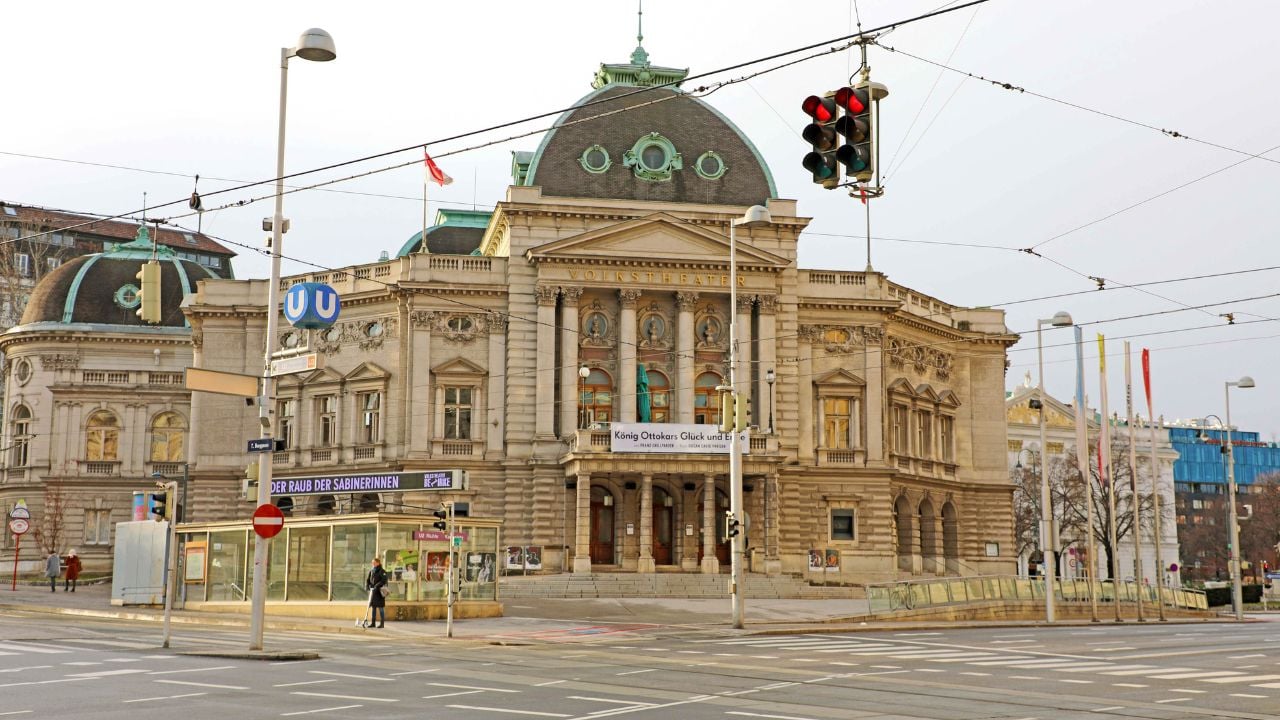
Vienna’s Innere Stadt has imperial rooms, grand streets, churches, cafés, and the formal beauty many travelers come to see. Neubau, the 7th district, gives the stay a less ceremonial edge while keeping museums, shopping, restaurants, bars, and the old center close.
Vienna’s official tourism site describes the 7th district as the city’s creative district, with a young bar and restaurant scene along streets such as Zollergasse, Kirchengasse, and Lindengasse. It notes that cafés, bars, restaurants, and outdoor dining areas sit close together there from breakfast to late-night drinks.
The district works well after a day of palaces, museums, and formal interiors. Mariahilfer Strasse is nearby, the MuseumsQuartier sits close to the edge of the center, and the smaller streets around Neubau give evenings more choice than another polished meal beside the main tourist flow.
A stay here can include breakfast on a side street, museum time nearby, shops in the afternoon, and dinner or drinks without crossing the whole city again. Vienna still has its imperial center, but Neubau gives the trip cafés, design shops, restaurants, bars, and a younger street scene within easy reach of it.