
Audi CEO Gernot Döllner has delivered the kind of comments performance enthusiasts have been waiting years to hear. At a time when downsized engines, hybrids, and EVs are rapidly reshaping the automotive landscape, Audi’s boss says the V8 is far from dead.
Speaking during a media roundtable ahead of the new RS5 launch in Austria earlier this month, Döllner made his position crystal clear. “I’m a big fan of the V8,” he said, while suggesting there are currently no hard restrictions preventing Audi from continuing to use the engine in larger performance models.
The comments arrive as several luxury automakers rethink their performance strategies. Mercedes-AMG recently confirmed development of a new V8 family, while BMW continues offering V8-powered M models despite tightening regulations.
Audi’s latest remarks suggest Ingolstadt has no intention of abandoning eight-cylinder performance entirely, especially in markets like the United States, where emissions and fuel economy requirements are less restrictive than in Europe.
Big SUVs Could Keep The V8 Alive
Döllner specifically pointed to Audi’s larger SUVs as natural homes for V8 power. According to the executive, “It’s a perfect fit to the full-size SUVs, and whenever package-wise possible, there’s no restriction to have an engine like that.”
That statement strongly hints at future V8-powered versions of upcoming models like the rumored Audi SQ9. Prototype versions of Audi’s larger three-row SUV have already been spotted testing, and a twin-turbocharged V8 would fit perfectly within Audi’s existing performance SUV lineup.
The current SQ7 already uses a twin-turbo V8, so continuing that formula into the next generation would hardly be surprising. Larger vehicles also face slightly less severe fuel economy and emissions pressures compared to smaller performance sedans and wagons. Audi appears willing to use that flexibility to preserve V8 power where it makes the most sense.
Why The RS5 Lost Two Cylinders
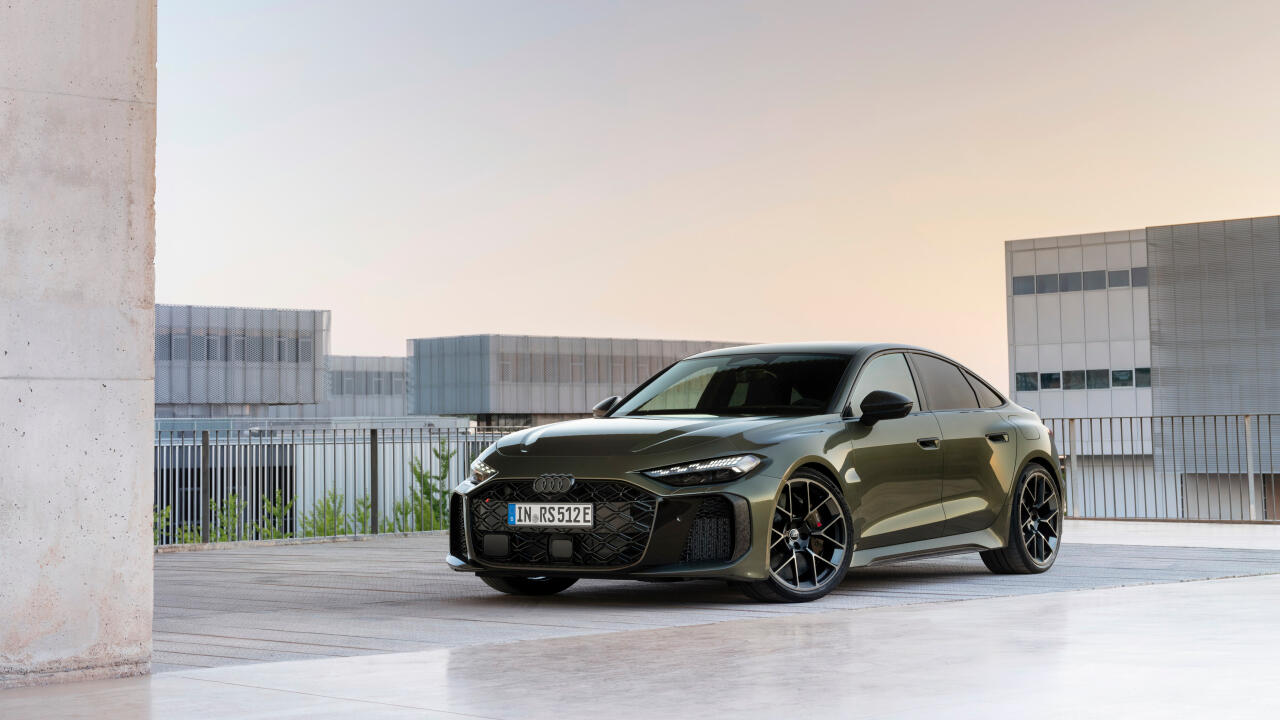
While Audi is trying to preserve the V8, the company also made clear that some models simply can no longer justify eight cylinders. Döllner referenced the new RS5 as an example of where Audi had to pivot toward a smaller engine combined with electrification.
“In a different vehicle concept, for example, for the RS5, we clearly took the decision to have a V6 engine and add the extra power on the electric side,” he explained.
That decision was based on the reality facing modern performance cars. Smaller vehicles are subject to tighter emissions and efficiency targets, particularly in Europe, making high-displacement engines increasingly difficult to justify.
For Audi, the solution appears to be a split strategy. Larger flagship models may continue using V8s, potentially with hybrid assistance, while smaller RS cars transition toward electrified six-cylinder setups.
The RS6 And R8 Rumors Keep Growing
The comments also reignited speculation surrounding the next-generation RS6 Avant. Enthusiasts have feared Audi could abandon V8 power for its iconic super wagon, but Döllner’s remarks suggest the company understands how important the engine remains to the car’s identity.
A hybridized V8 setup now appears increasingly likely for the future RS6. Electrification would help satisfy emissions targets while preserving the character buyers expect from Audi’s flagship performance wagon.
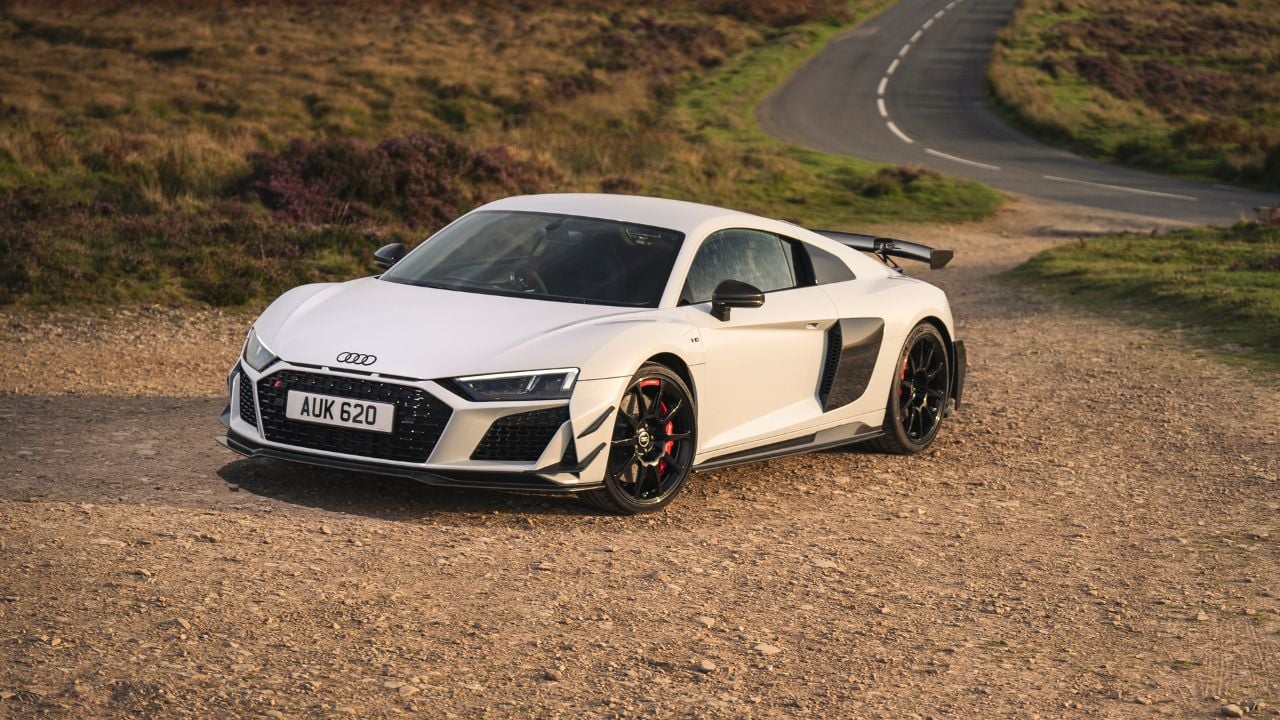
Meanwhile, Audi executives continue dropping hints about a possible third-generation R8. During the same discussions, Döllner praised Lamborghini’s new twin-turbo hybrid V8 found in the Temerario, calling it a “great V8 engine” and even mentioning its 10,000-rpm redline from memory.
When asked about the possibility of another R8 sharing Lamborghini hardware, Döllner reportedly laughed and called it a “good idea.” While that falls far short of confirmation, the steady stream of executive comments suggests Audi is seriously considering another supercar.
Audi Is Trying To Balance Emotion And Electrification
Audi’s challenge now is balancing enthusiast appeal with increasingly strict global regulations. The company continues pushing heavily into EVs, but it also appears aware that performance buyers still crave emotional engines with real character. For many enthusiasts, that means V8s.
The next several years will likely determine how long Audi can continue offering them, especially in Europe. For now, though, Audi’s leadership sounds committed to keeping eight-cylinder power alive wherever regulations, packaging, and market demand still allow it.