
Manual transmissions may no longer dominate the automotive world, but Nissan’s performance division believes the story is far from over. According to Nismo CEO Yutaka Sanada, customer demand for three-pedal performance cars is beginning to rise again.
Sanada made the comments during the announcement of Australia’s first Nismo Performance Centre, which is scheduled to open in Melbourne by the end of 2026. His remarks immediately caught the attention of enthusiasts worried that manual gearboxes are disappearing for good.
The timing is particularly interesting as more automakers move toward electrification and automatic-only performance models. Even many traditional sports cars have abandoned manual transmissions in favor of faster dual-clutch or torque-converter setups.
Despite that trend, Nissan appears willing to keep manuals alive where it makes sense. Sanada suggested the company still sees value in driver engagement and enthusiast-focused vehicles, especially within the Nismo lineup.
Nismo Says Enthusiasts Still Want Three Pedals
Speaking to media, Sanada said “customer demand for the three-pedal is coming back,” signaling that interest in manual transmissions remains stronger than many expected. While he stopped short of confirming future products, the statement alone is significant in an increasingly automated car market.
Sanada also clarified that Nismo’s philosophy goes beyond transmission choice alone. According to him, the goal is to create vehicles that deliver a memorable driving experience, regardless of whether they use a manual or automatic gearbox.
That said, manuals naturally fit the kind of emotional connection many enthusiasts want from performance cars. Even if automatics deliver quicker acceleration times, manual transmissions still provide a level of involvement that many drivers refuse to give up.
The Nissan Z Already Helped Prove The Point
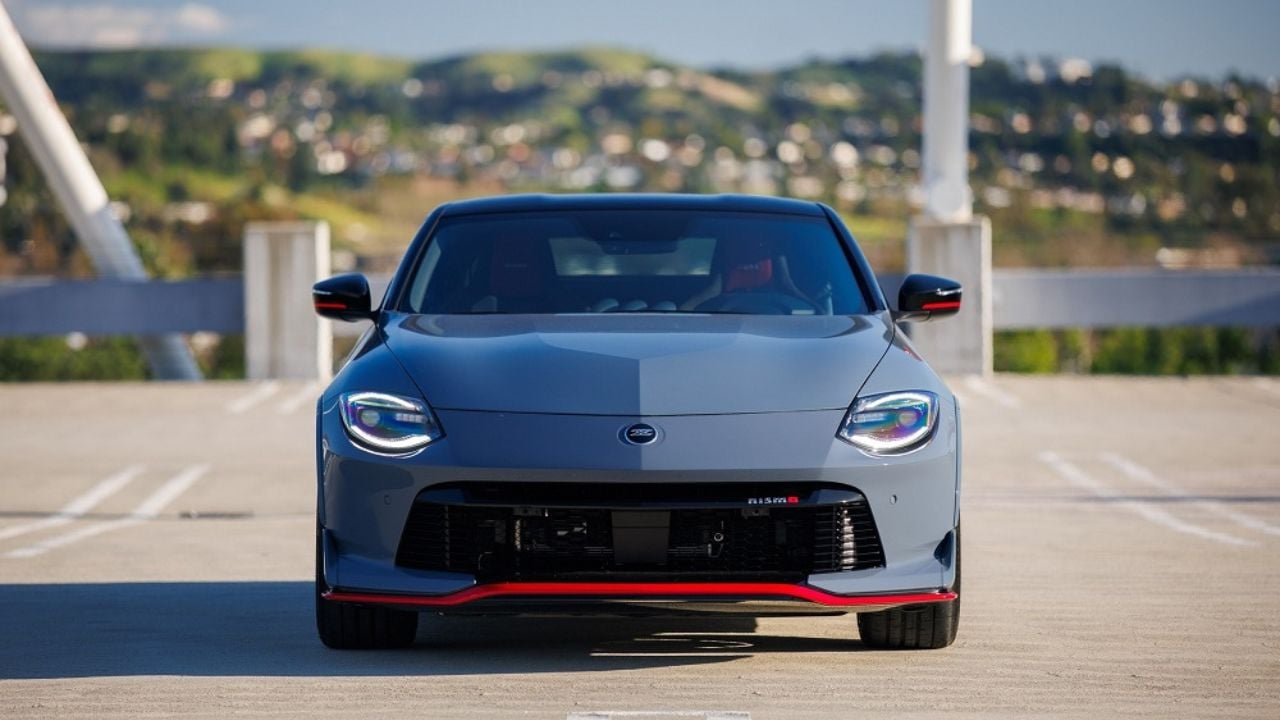
One recent example likely influencing Nissan’s thinking is the Nissan Z Nismo. When the hotter Z variant launched without a manual transmission, many fans criticized the decision almost immediately.
Nissan eventually responded by confirming a manual-equipped version due to customer demand. That reversal demonstrated there is still a passionate audience willing to fight for manual performance cars.
Currently, the standard Nissan Z remains one of the few manual-equipped vehicles left in Nissan showrooms. Most other Nismo models sold globally, including the Patrol and X-Trail, are automatic-only.
A Future Skyline Nismo Could Benefit
Sanada’s comments also arrive amid ongoing speculation surrounding the return of the Nissan Skyline in certain markets. Rumors of a future Skyline Nismo have circulated for months, and a manual transmission could become a major selling point if the car eventually arrives.
The Skyline name carries enormous enthusiast history, particularly among buyers who associate older generations with high performance and manual gearboxes. A modern Skyline Nismo with a stick shift would immediately stand out in today’s crowded performance market.
There is also growing speculation that Nismo could expand further into off-road performance vehicles. Executives recently hinted at studying a Ranger Raptor-style truck, which raises the possibility of a more aggressive Frontier or Navara variant.
A manual-equipped off-road performance truck would certainly be unusual today. Most competitors have abandoned manual gearboxes entirely in that segment, potentially giving Nissan a unique niche if it decides to move forward.
Other Automakers Are Keeping Manuals Alive Too
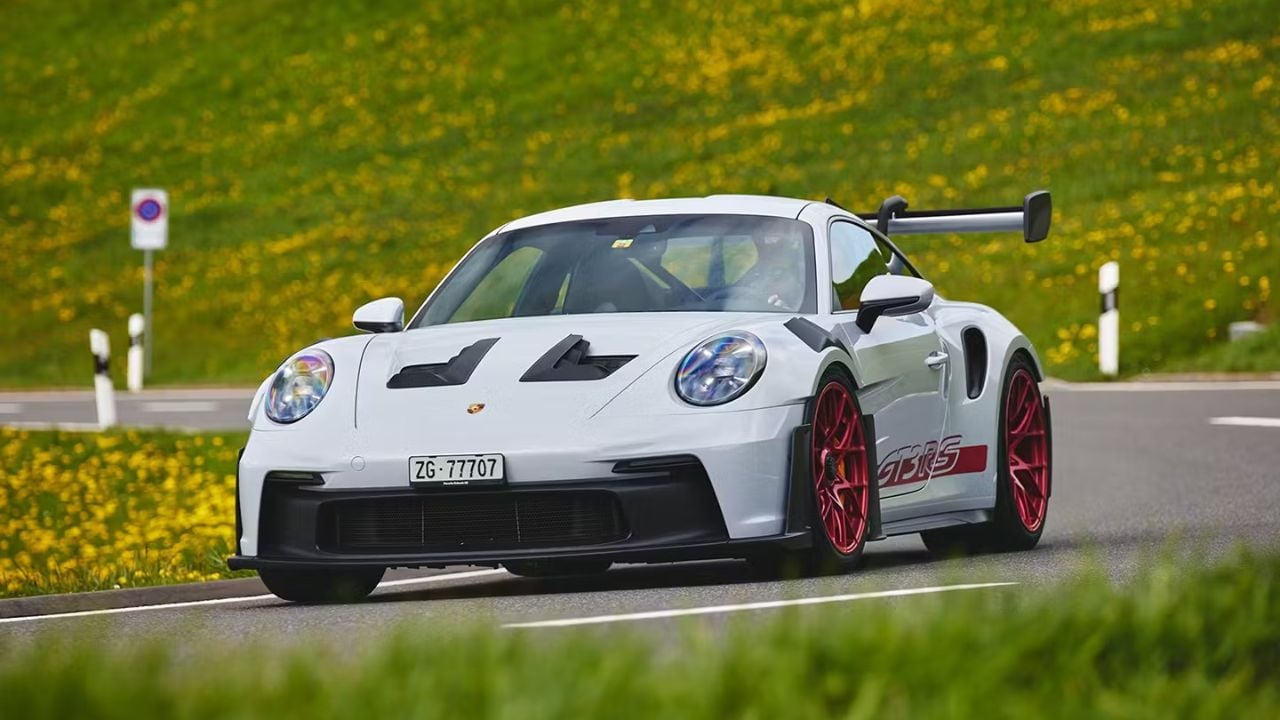
Nissan is not alone in recognizing continued enthusiast interest in manual transmissions. Several performance-focused automakers still see value in offering stick shifts, even as overall demand declines.
Porsche continues selling manual versions of the 911, while BMW has pledged to keep manuals available in models like the M2, M3, and M4 through at least the end of the decade. Toyota, Subaru, Mazda, and Honda also continue supporting manuals in enthusiast-focused vehicles.
Some companies are even experimenting with ways to preserve manual-style driving experiences in EVs and hybrids. Hyundai and Subaru have both explored simulated manual systems for electrified vehicles, showing manufacturers understand that enthusiasts still crave involvement behind the wheel.
Manuals May Never Die Completely
Manual transmissions will likely remain a niche offering moving forward. Convenience, emissions regulations, and electrification have all pushed heavily toward automatic gearboxes.
Performance cars, however, operate under different rules. Buyers in that segment often value engagement, emotion, and driver involvement just as much as outright speed or efficiency.
That appears to be exactly what Sanada is recognizing. Even in an era dominated by EVs, autonomous tech, and giant touchscreens, there is still strong demand for cars that feel mechanical and connected.
For enthusiasts, hearing the head of Nismo openly talk about a manual comeback is encouraging news. The future may be increasingly electric, but the clutch pedal might not be disappearing quite as quickly as many feared.