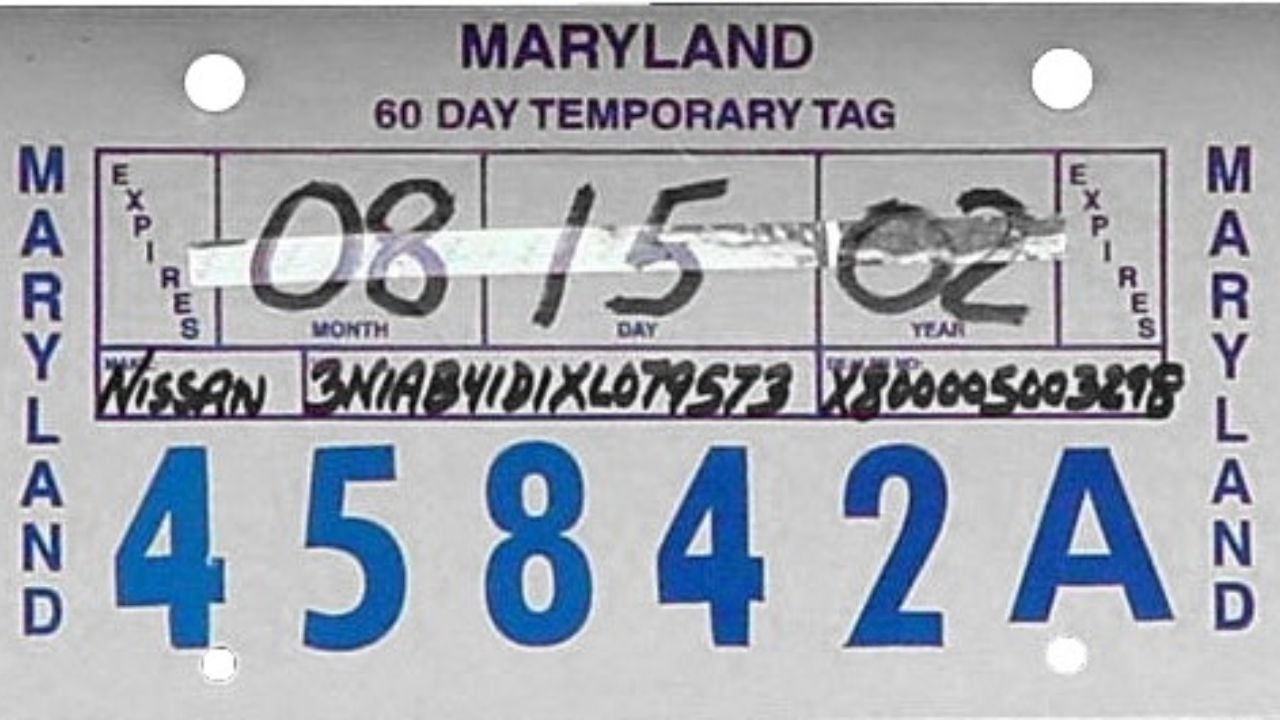

For years, drivers across New York City passed through toll plazas, parked on crowded streets, and slipped past traffic cameras behind what appeared to be perfectly legal temporary license plates. Authorities now say many of those tags were part of a sprawling fraud operation that quietly drained millions of dollars from public systems while helping motorists disappear into the chaos of urban traffic enforcement.
Federal prosecutors allege the operation produced more than 100,000 fake temporary tags through sham car dealerships that existed largely on paper. The tags, according to investigators, were sold to drivers who wanted a simple way to avoid tolls, parking tickets, registration scrutiny, and traffic violations without immediately attracting suspicion.
The scale of the alleged fraud stunned investigators. Officials estimate the scheme left New York City and New York State carrying roughly $15 million in unpaid violations, including $11.8 million tied to parking and traffic tickets and another $3.1 million connected to unpaid E-ZPass tolls.
Now, 11 people face federal charges in a case prosecutors say exposed a hidden underground market thriving in plain sight. The arrests, announced by U.S. Attorney for the Southern District of New York Jay Clayton and FBI Assistant Director in Charge James C. Barnacle Jr., pull back the curtain on how fake dealerships allegedly became factories for counterfeit legitimacy.
Fake Dealerships Allegedly Created a Massive Temp Tag Pipeline
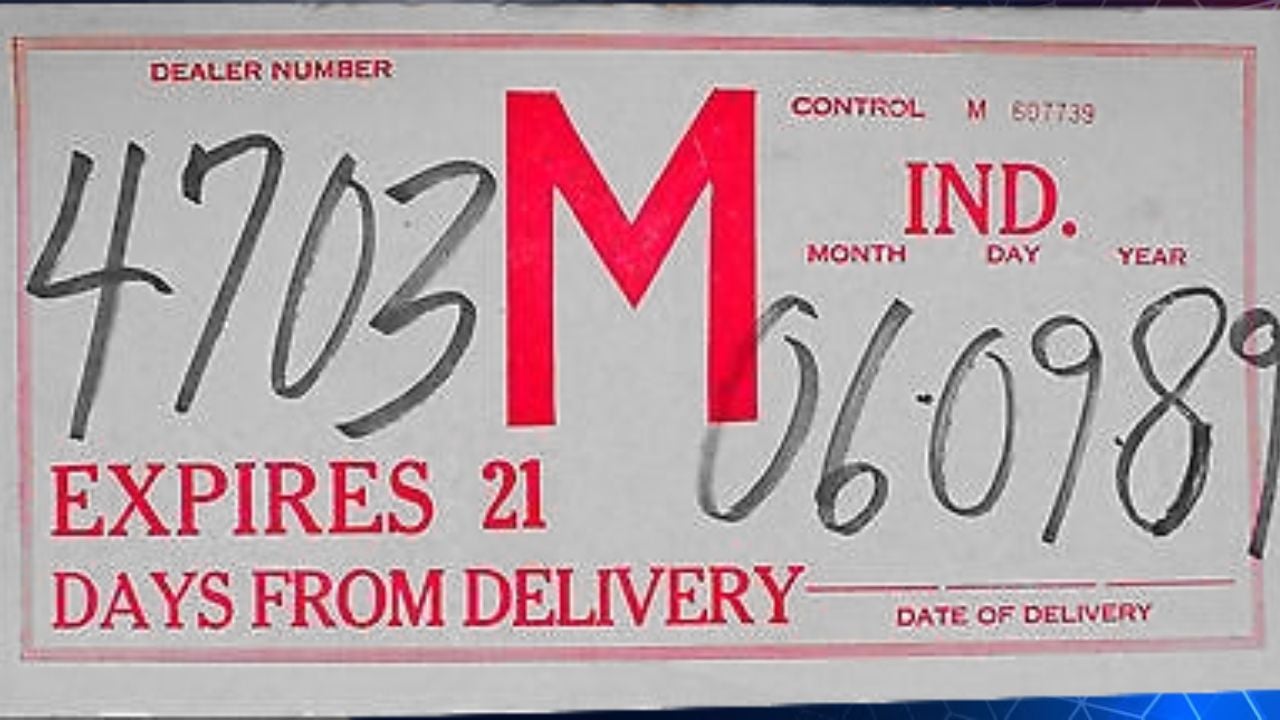
According to the federal indictment filed on May 13, investigators believe the defendants spent more than five years building and operating sham auto dealerships designed to exploit weaknesses in temporary registration systems. These businesses allegedly existed not to sell cars, but to generate temporary tags that could be distributed across the region for profit.
Authorities say the defendants obtained access to systems used by legitimate dealerships and produced temporary plates in enormous numbers. Those tags were allegedly sold for anywhere between $50 and $250 each, creating an attractive option for drivers seeking anonymity on the road.
Unlike stolen plates or obviously forged documents, temporary tags can blend naturally into traffic. They are common sights outside dealerships, on newly purchased vehicles, and on cars awaiting permanent registration. Investigators say that appearance of legitimacy allowed the operation to flourish for years without triggering widespread scrutiny.
The indictment claims the fraudulent tags spread far beyond a small local network. Vehicles using them allegedly appeared throughout New York City and across New York State, frustrating toll agencies, parking enforcement officers, and law enforcement attempting to identify vehicles tied to violations and criminal investigations.
Millions in Lost Revenue and Thousands of Complaints
Officials say the financial damage became impossible to ignore. Prosecutors estimate the scheme contributed to millions of dollars in unpaid tolls, traffic fines, and parking tickets that would otherwise have flowed into city and state revenue systems.
The alleged abuse of temporary registrations also created deeper public safety concerns. Investigators said the fraudulent tags were linked to thousands of complaints and at least 1,200 incidents reported to the NYPD. Among those incidents were six homicide investigations in which vehicles carrying fake temporary tags reportedly complicated efforts to identify suspects or track vehicle movements.
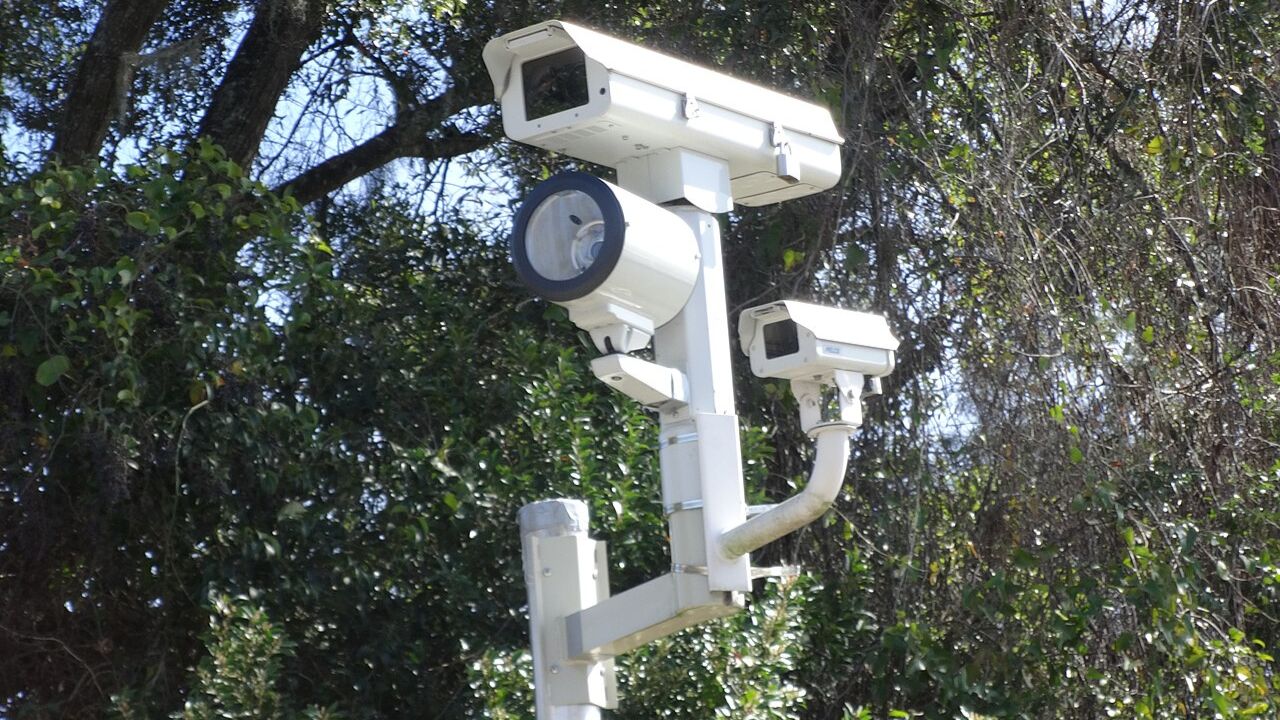
For law enforcement agencies, the issue extended beyond unpaid fines. Temporary tags that cannot be reliably traced create blind spots for cameras, toll readers, and automated enforcement systems that modern cities increasingly depend on.
Clayton said the defendants allegedly “conspired to use fraudulently obtained temporary license plates, or ‘Temp Tags,’ to avoid fees, tolls and parking traffic tickets” while depriving New York City and New York State of millions in revenue. Barnacle added that investigators uncovered extensive misuse tied to temporary registrations and vowed continued enforcement against fraud schemes targeting public systems.
Eleven Defendants Face Federal Charges

The indictment names 11 defendants from New York, New Jersey, Connecticut, Pennsylvania, Florida, and North Carolina. Those charged include Felix Dejesus Jimenez, Julio Frias, Bladimir Tomas Valdez, Ramon Eligio Dejesus Peralta, Alba Nellys Rodriguez Gonzalez, Jefrey Raphel Herrera Espinal, Sammy Rodriguez Francisco, Xavier Rodriguez Francisco, Clarisa Rodriguez Francisco, Cindy Rey, and Luciano Moises Estrella.
Each defendant faces five federal counts, including conspiracy to commit wire fraud, wire fraud, conspiracy to commit access device fraud, and access device fraud. Prosecutors say each wire fraud count carries a maximum sentence of 20 years in prison, while the additional fraud-related charges carry penalties ranging from five to 10 years.
Authorities arrested all 11 defendants between May 19 and May 20. Most are expected to appear in White Plains Federal Court, while two defendants are scheduled for proceedings in North Carolina and Florida.
Investigators Say the Case Reveals a Growing Problem
The investigation involved multiple agencies, including the FBI New York Field Office, NYPD, New York State Police, the New Jersey Motor Vehicle Commission Special Investigations Unit, and the Georgia Department of Revenue Office of Special Investigations.
Officials believe the case highlights how temporary registration systems can be manipulated when oversight gaps exist between states, dealerships, and digital registration platforms. Investigators say those vulnerabilities allowed fraudulent tags to circulate widely while masking vehicle ownership and shielding drivers from accountability.
The case will now move through federal court in the Southern District of New York’s White Plains Division, where prosecutors will attempt to prove that the alleged network transformed temporary plates from a short-term registration tool into a multimillion-dollar shield against enforcement.
Sources: Democrat&Chronicle