
Europe can feel easy to travel through until one small rule changes the day. A rail pass may still need a seat reservation. A hotel bill may include a local tax that was not obvious on the first booking screen. A border clock may keep running across several countries, even after a traveler leaves one city for another.
Those surprises hit Americans especially hard because many first trips combine several countries in one vacation. London, Paris, Rome, Amsterdam, Barcelona, and Venice may sit close together on a map, but they do not all follow the same entry rules, airport procedures, visitor fees, or train-ticket habits.
The good news is that most of these problems are easy to avoid. Check passport and entry rules before buying flights, read rail-ticket details before boarding, look for local taxes before confirming hotels, and pack liquids for the strictest airport on the route rather than the most relaxed one.
These five rules are not meant to make Europe feel complicated. They are the practical details that help a first trip run more smoothly, especially for travelers crossing borders, using trains, staying in older city centers, or visiting heavily touristed places.
1. The Schengen 90-Day Rule Counts Across Many Countries

The first surprise is that the Schengen Area works like one shared clock for short stays. For U.S. travelers, the State Department says tourism or business visits in the Schengen Area are limited to 90 days in any 180-day period. Time spent in France, Italy, Spain, Germany, Greece, the Netherlands, Portugal, Austria, and many other Schengen countries usually counts together.
Leaving Paris for Rome does not restart the clock. A two-week vacation is simple, but longer summer trips, repeat visits, or remote-work plans can get messy if travelers do not count the days correctly. The United Kingdom and Ireland are outside the Schengen Area, so they have separate entry rules.
Passport validity can also trip people up. The State Department says passports should be valid for at least three months beyond planned departure from the Schengen Area, while EU guidance says many non-EU visitors also need a passport issued within the previous 10 years. A passport can look valid at home and still create problems at airline check-in or border control.
Before booking a multi-country trip, check the exact countries on the route instead of assuming “Europe” has one border rule. The Schengen clock, UK entry rules, Ireland’s separate system, and passport-validity requirements can all matter on the same vacation.
2. Entry Authorizations Are Changing, and the UK Already Has One
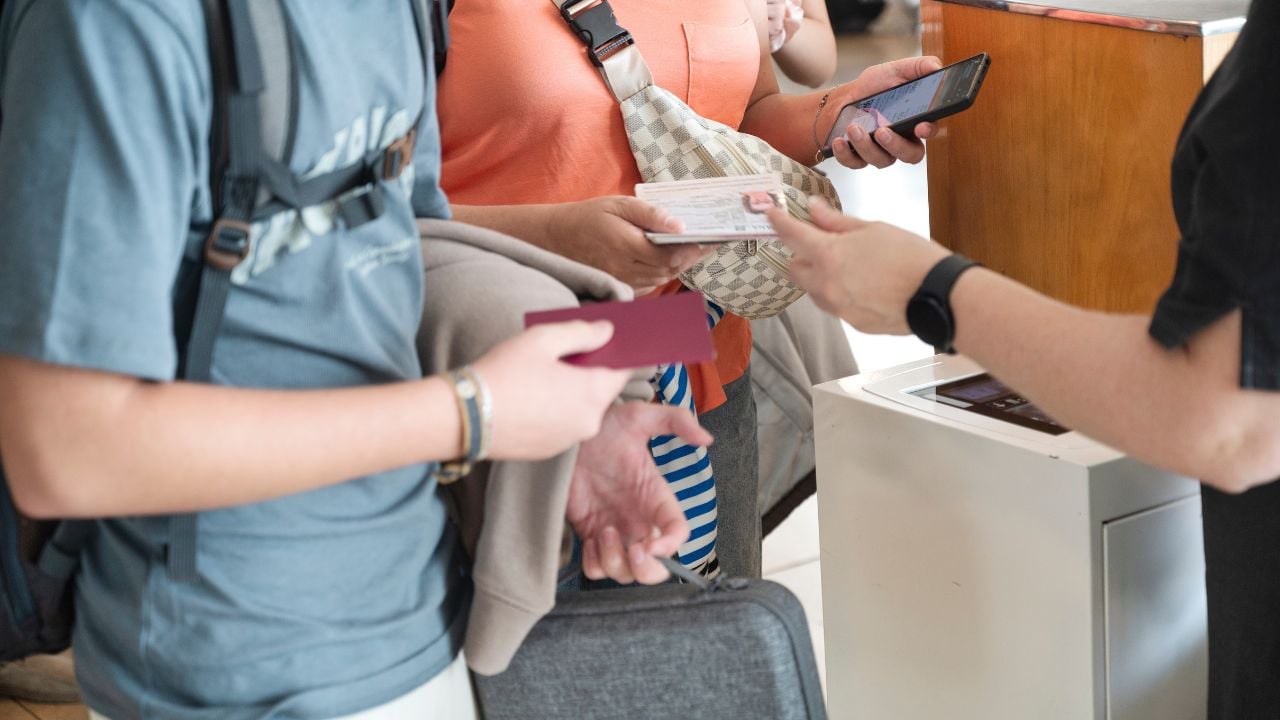
Visa-free travel does not always mean paperwork-free travel. The European Union says ETIAS, its new travel authorization for visa-exempt travelers entering 30 European countries, is scheduled to start operations in the last quarter of 2026. The EU says no action is required from travelers before the system starts.
That timing matters because unofficial websites may try to sell help long before a traveler needs anything. Use the official EU page for updates, not a random search result that looks official and charges extra. ETIAS will be a travel authorization, not a traditional visa, but it will still be part of the pre-trip checklist once active.
The UK is already a separate case. GOV.UK says many visitors, including travelers from the U.S., usually need an Electronic Travel Authorisation for tourism, family visits, or certain other short stays of up to six months. The ETA currently costs £20.
A London-and-Paris trip can therefore involve both UK rules and Schengen rules. The itinerary may feel like one simple European vacation, but the paperwork is not identical on both sides of the Channel.
3. Train Tickets Do Not Always Mean You Can Board Any Train

European trains can be one of the best parts of a first trip. Stations often sit near city centers, luggage rules are easier than flying, and a two-hour rail journey can save travelers from airport transfers and security lines.
The mistake is assuming every train works like a subway. Eurail says seat reservations are needed for most high-speed trains and all night trains in Europe, and that reservations are often required in France, Italy, and Spain. A rail pass may cover the fare but still leave the traveler responsible for booking a required seat.
That detail matters on busy routes and peak travel days. A traveler who turns up expecting to board any train can run into a reservation fee, a full train, or a later departure than planned. Paris to Nice, Madrid to Barcelona, Rome to Florence, and overnight routes are not the places to guess.
Regional trains have their own rules too. In Italy, Trenitalia says digital regional tickets are now automatically validated at the scheduled departure of the selected train, while other ticket types may still require attention to the specific conditions. Read the ticket before boarding, keep the QR code or paper ticket handy, and do not assume one country’s train habit applies everywhere else.
4. City Taxes and Access Fees Can Change the Real Price

The hotel price on the first booking screen may not be the final amount a visitor pays. Many European cities charge local tourist taxes, and the way they appear can vary by destination, hotel platform, and property type. Sometimes the tax is collected at checkout. Sometimes it is added clearly during booking. Sometimes travelers notice it only when they read the fine print.
Amsterdam is a strong example. The city lists a tourist tax of 12.5% of the overnight price, excluding VAT. For travelers comparing hotels only by the first visible rate, that can change the real nightly cost.
Access rules can also appear in heavily visited destinations. Venice’s official access fee applies only on selected dates and times for certain day visitors to the Ancient City, with exemptions for some groups. For 2026, the official access-fee site lists application days beginning April 3 and hours from 8:30 a.m. to 4 p.m. on marked dates.
The point is not that every city has the same rule. It is that popular destinations are using tourist taxes, access fees, reservations, and visitor controls in different ways. Before visiting places such as Amsterdam, Venice, Barcelona, or other high-demand cities, check the official local rules instead of relying only on the hotel or flight confirmation.
5. Airport Liquid Rules Are Still Not Fully Uniform

Liquids are still one of the most annoying packing rules because the answer can change by airport. The safest default for a multi-airport Europe trip remains the stricter version: small containers, packed properly, with medicines and baby food handled under the relevant exemptions.
The EU’s Your Europe guidance says cabin liquids such as drinks, toothpaste, creams, gels, and aerosols must be in containers of no more than 100 ml and fit inside a transparent plastic bag with a maximum capacity of one litre, with exemptions for medicines and baby food. That is the rule to follow when a trip includes multiple airports and the traveler is not sure what each security checkpoint allows.
The confusing part is that some airports have newer scanners and looser procedures. GOV.UK says that at most UK airports, liquids in containers larger than 100 ml cannot go through security, although some airports may allow containers up to two litres. The rule depends on the airport, not just the country.
Dublin Airport, for example, says its previous 100 ml maximum limit on liquids and gels no longer applies for departing passengers using its security screening, and containers up to two litres can be brought through security there. Its carry-on guidance also reminds passengers that rules may differ at the destination or return airport. Pack for the strictest airport on the itinerary unless every departure point has been checked.