
Cape Town has the kind of map that can trick visitors into overplanning. Table Mountain, the beaches, the V&A Waterfront, Boulders, Cape Point, Kirstenbosch, the Winelands, markets, museums, and sunset drives all look close enough to stack into one busy week.
That is how a good trip turns into a string of early alarms, long transfers, late lunches, and rushed views. A better week keeps Cape Town as the main base, groups the city and coast sensibly, and adds the Winelands only when there is room to enjoy them instead of racing back after one quick tasting.
Stay around the City Bowl, Sea Point, Green Point, Camps Bay, or the V&A Waterfront if beaches, food, markets, mountain access, and day trips matter most. Cape Town Tourism describes the city as centered around Table Mountain and known for beaches, biodiversity, food, wine, and a wide variety of experiences, which is exactly why the week needs priorities.
The strongest first visit usually starts with Table Mountain, uses the Waterfront and markets for an easier food day, gives the beaches and penguins real time, then saves either the Winelands or Cape Peninsula for a proper outing. The route still has mountain, Atlantic water, markets, vineyards, gardens, and big coastal views, but it avoids making every day feel like a transfer.
1. Start With Table Mountain, but Let Weather Decide the Exact Slot

Table Mountain should sit near the beginning of the week, but not on one fixed hour that ignores the weather. Cloud, wind, and visibility can change the experience quickly, so check the cableway conditions and move the plan around the clearest window.
The official Table Mountain Aerial Cableway site identifies Table Mountain as one of the New7Wonders of Nature. That makes it the obvious first major view, but the point is not only the label. From above, visitors can see the City Bowl, the harbor, Robben Island’s direction, the Atlantic side, and the mountain ridges that shape the whole trip.
Keep the rest of the day close to the center. A walk through the City Bowl, coffee on Kloof Street, or dinner near Bree Street gives the first evening enough Cape Town without adding another long drive. The mountain gives the scale; the streets below bring restaurants, cafés, bars, and the first sense of where the week will be based.
After a long flight, do not force a beach, museum, mountain, and sunset into the same afternoon. Use the first day to get oriented, watch the weather, eat well, and keep the schedule flexible enough to move Table Mountain if the clouds sit low over the top.
2. Use the Waterfront and Oranjezicht Market for an Easier Food Day
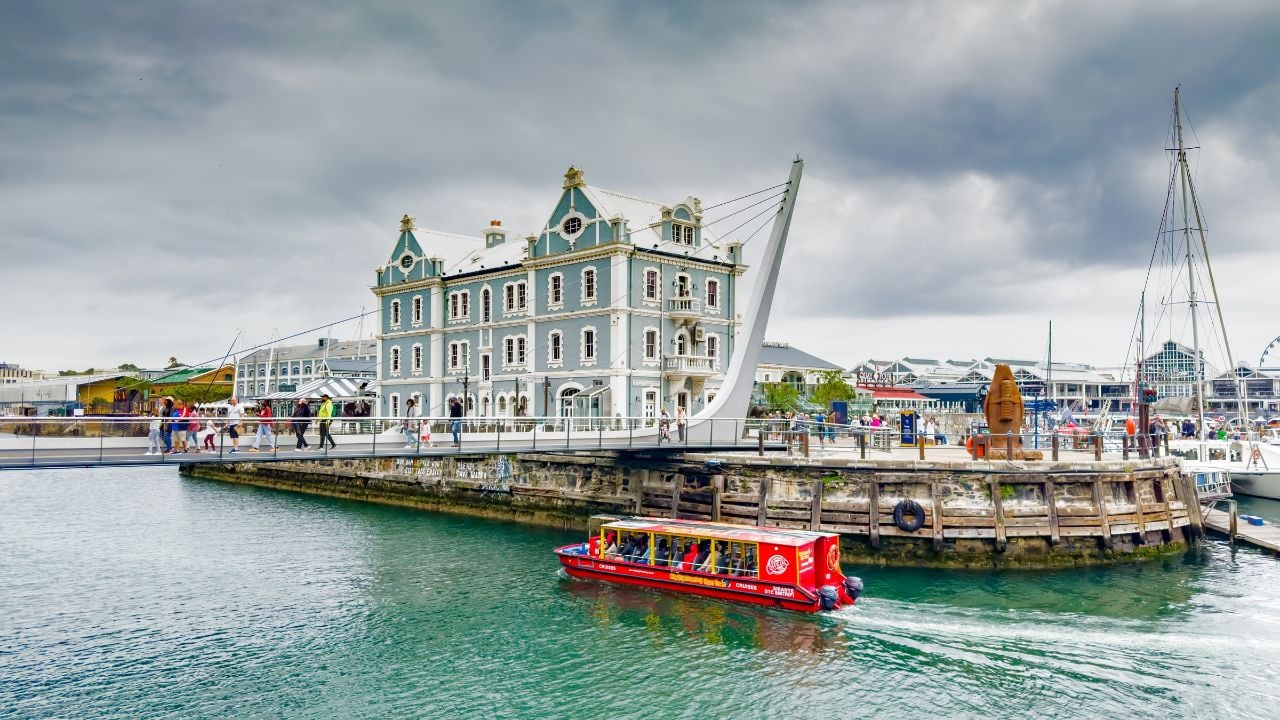
The V&A Waterfront works early in the week because it is easy to use without giving up the city’s setting. Harbor water, boats, shops, restaurants, museums, ferries, and Table Mountain views sit close together, which helps on a day when nobody wants complicated logistics.
South African Tourism describes the Waterfront as one of Africa’s most visited destinations, set in the oldest working harbour in the southern hemisphere, with Table Mountain as its backdrop and views of the ocean, city bowl, and mountain peaks. It can be busy, but it is useful when the goal is food, shopping, museums, and a walk without crossing half the city.
If the timing lines up, build the meal around Oranjezicht City Farm Market. The market’s official site says it moved across the road to a new space on December 6, 2025, at the corner of Granger Bay Boulevard and Dock Road in the V&A Waterfront area. It supports more than 40 local farmers and 80 artisanal food traders.
Go hungry and let the market do the work: produce stalls, baked goods, coffee, cooked food, flowers, and people moving between tables. Later, the Sea Point Promenade can carry the afternoon into evening with ocean air, runners, dogs, families, public art, and the Atlantic stretching beside the path.
3. Give the Beaches and Boulders a Full Day
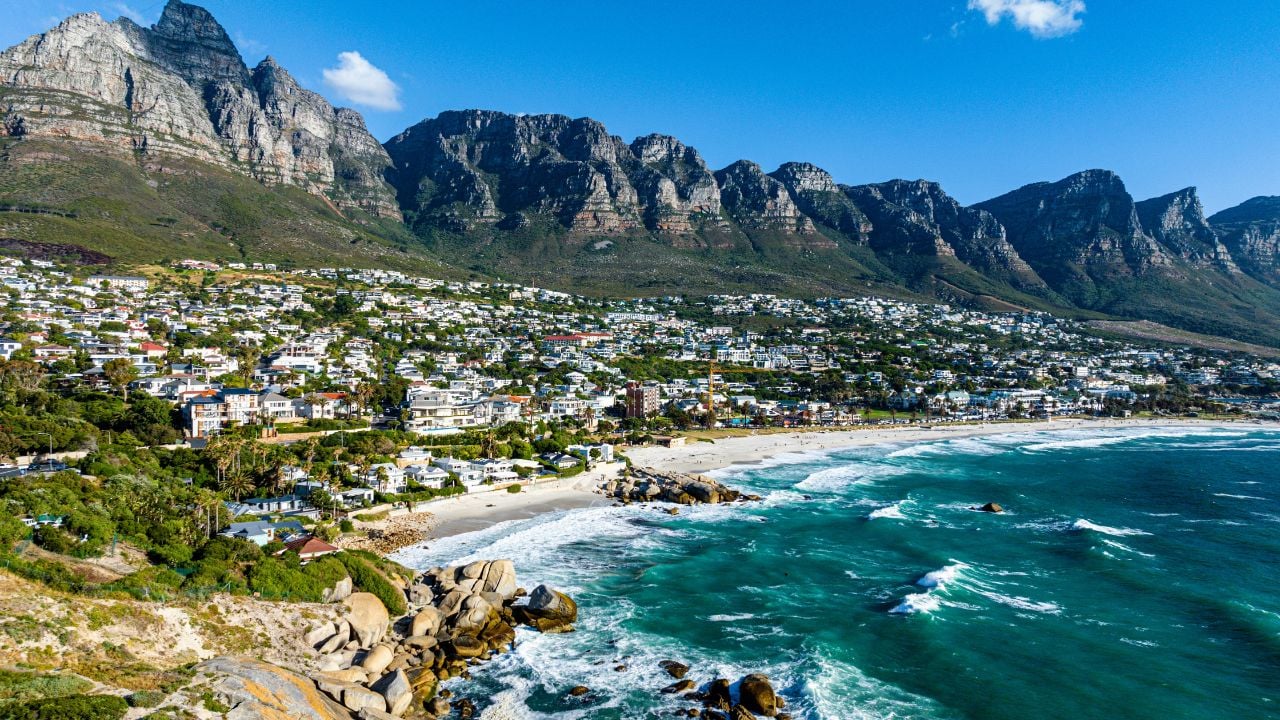
Cape Town’s beaches should not be treated as quick photo stops between errands. Camps Bay sits wide and social beneath the Twelve Apostles, with restaurants and a broad Atlantic view. Clifton feels more tucked away, with smaller coves and granite boulders. Muizenberg has brighter surf-town energy, beach huts, and a different False Bay feel.
Pick the beach day based on weather and energy. An Atlantic-side morning can mean Camps Bay or Clifton for scenery and cold water. A False Bay day can point toward Muizenberg, Kalk Bay, Simon’s Town, and Boulders, but only if the schedule leaves enough room for driving, parking, lunch, and stops along the coast.
Boulders is the wildlife highlight, but it needs respectful pacing. SANParks says the Boulders section of Table Mountain National Park has three beaches, one penguin viewing area, and three boardwalks built to let visitors see the birds while keeping them safe. Stay on the boardwalks in the viewing area, keep distance, and do not turn the penguins into a rushed detour on an already packed day.
If the route continues toward Simon’s Town or Kalk Bay, let the coastline carry the afternoon. Stop for lunch, walk near the harbor, watch the water, and avoid adding three more distant sights just because the car is already moving. The beach day works best when it has room for sand, salt air, penguins, and one proper meal.
4. Spend One Day or One Night in the Winelands
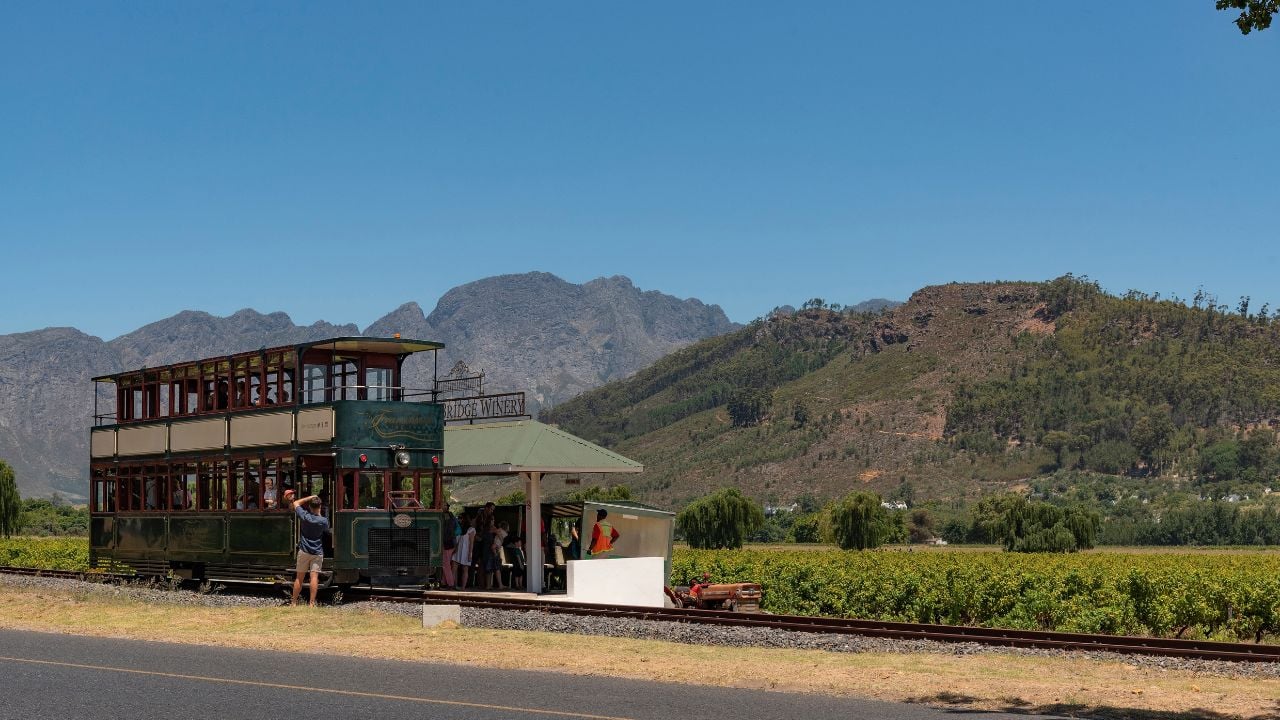
The Winelands should feel like a real change from the city, not a rushed tasting squeezed between two Cape Town activities. Stellenbosch, Franschhoek, and Paarl all work, but Franschhoek is especially convenient for visitors who want tastings without driving from estate to estate.
The Franschhoek Wine Tram offers transfers from Cape Town and surrounding areas, which can be added during booking. That helps if nobody in the group wants to rent a car, manage wine-country roads, or act as the designated driver for the day.
A day trip can work if the week is tight. Keep it to a few tastings, one long lunch, and a short walk through town instead of trying to cover every estate on a route map. Vineyards, mountain edges, shaded terraces, cellar doors, and food are the reasons to go, not the number of stops collected.
One night in Franschhoek or Stellenbosch makes the Winelands section stronger if the schedule allows. Dinner can happen without a late transfer back to Cape Town, and the next morning can start with coffee, village streets, and valley light before returning to the city or heading toward the next part of the week.
5. Choose Kirstenbosch or Cape Point for the Final Big View
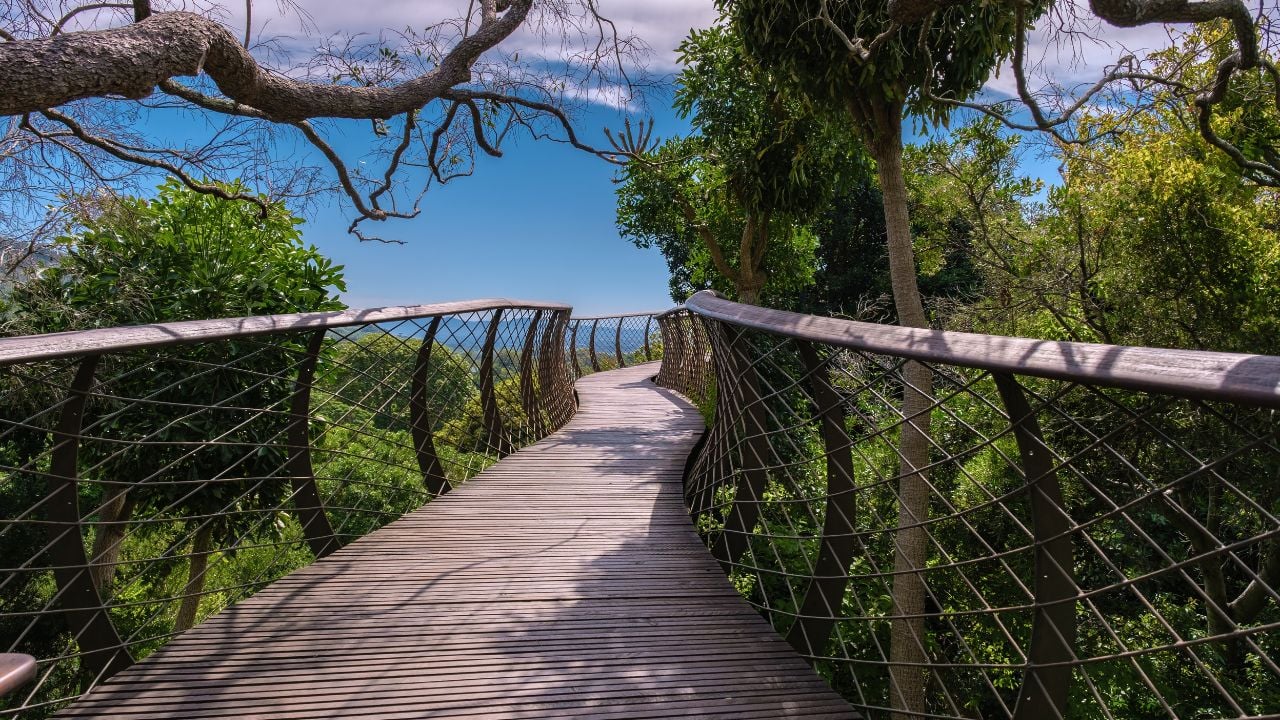
The final full day should depend on weather, energy, and how much driving the week has already included. Kirstenbosch is the gentler choice. Cape Point and the Cape of Good Hope are the bigger road day. Trying to do both properly on a tired final day can make the ending feel rushed.
SANBI calls Kirstenbosch one of the great botanic gardens of the world, set against the eastern slopes of Table Mountain. It is the better option when travelers want mountain scenery, gardens, fynbos, shaded paths, and the canopy walkway without committing to a hard hike or a full peninsula drive.
Cape Point and the Cape of Good Hope need more time. SANParks says the area offers hiking, surfing, angling, picnicking, beaches, and cycling against the mountains and coastline of the Cape Peninsula, with viewing opportunities from the lighthouses at the point. This is a full-day outing, not something to add casually after a late breakfast.
For a softer ending, choose Kirstenbosch and finish with dinner back in the city. For a bigger finale, leave early for the peninsula and give the day to cliffs, wind, beaches, fynbos, ocean views, and the lighthouse area. Either choice works; the mistake is pretending Cape Town’s final day can absorb every leftover idea from the week.