The 2000s are old enough now to feel nostalgic, but recent enough that many of the best cars can still be found, bought, repaired, and driven hard. That is why enthusiasts keep returning to the era.
These cars sit in a sweet spot between modern usability and analog personality. They have fuel injection, real safety equipment, decent parts support, and enough online knowledge to make ownership less intimidating than older classics.
This was the era of VTEC roadsters, LS coupes, rally sedans, turbo hatchbacks, drift-ready Z cars, and compact manuals that normal buyers could still imagine owning. Manual gearboxes were common, naturally aspirated engines still had pride of place, and affordable models could deliver memorable driving experiences without a luxury badge.
The cars below fit the YouTube-to-Facebook-Marketplace cycle perfectly. People rewatch old reviews, buyer guides, drag races, canyon drives, exhaust clips, and ownership videos, then open local listings to see whether the dream still fits the budget.
Honda S2000

The 2000 to 2009 Honda S2000 remains one of the defining Japanese roadsters of the era. Early AP1 cars used Honda’s 2.0-liter F20C, while later U.S. AP2 models used a 2.2-liter VTEC four-cylinder. Honda listed the 2009 model at 237 hp and 162 lb-ft of torque, paired with rear-wheel drive and a 6-speed manual transmission.
The S2000 is built for video. High-rpm pulls, short manual shifts, open-air engine noise, and AP1-versus-AP2 debates all translate perfectly to old reviews and modern POV drives. The car asks the driver to work for its best moments instead of leaning on easy torque.
Facebook Marketplace buyers chase clean examples because many S2000s were modified, tracked, crashed, or simply worn out. A stock car with good service history, original panels, healthy compression, and a clean top now feels like the kind of roadster owners regret selling.
BMW E46 M3

The 2001 to 2006 BMW E46 M3 has become the default answer for buyers who want one great analog BMW. BMW M identifies the E46 M3 as the third-generation M3, built around the S54B32 3.2-liter inline-six. U.S. models are widely known for 333 hp, rear-wheel drive, and an available 6-speed manual transmission.
The E46 M3 keeps showing up in YouTube buyer guides because it still has the right ingredients: size, sound, steering feel, everyday usability, and a naturally aspirated M engine that does not need modern boost to feel special. Manual-versus-SMG videos, exhaust clips, track laps, and “what to know before buying” guides have kept it visible for years.
Marketplace shoppers need discipline. Rear subframe cracking, rod bearing history, VANOS service, cooling-system age, and previous-owner abuse matter more than paint color or wheel choice. The right E46 M3 feels like a keeper. A neglected one can turn nostalgia into a repair bill with M tax attached.
Chevrolet Corvette Z06
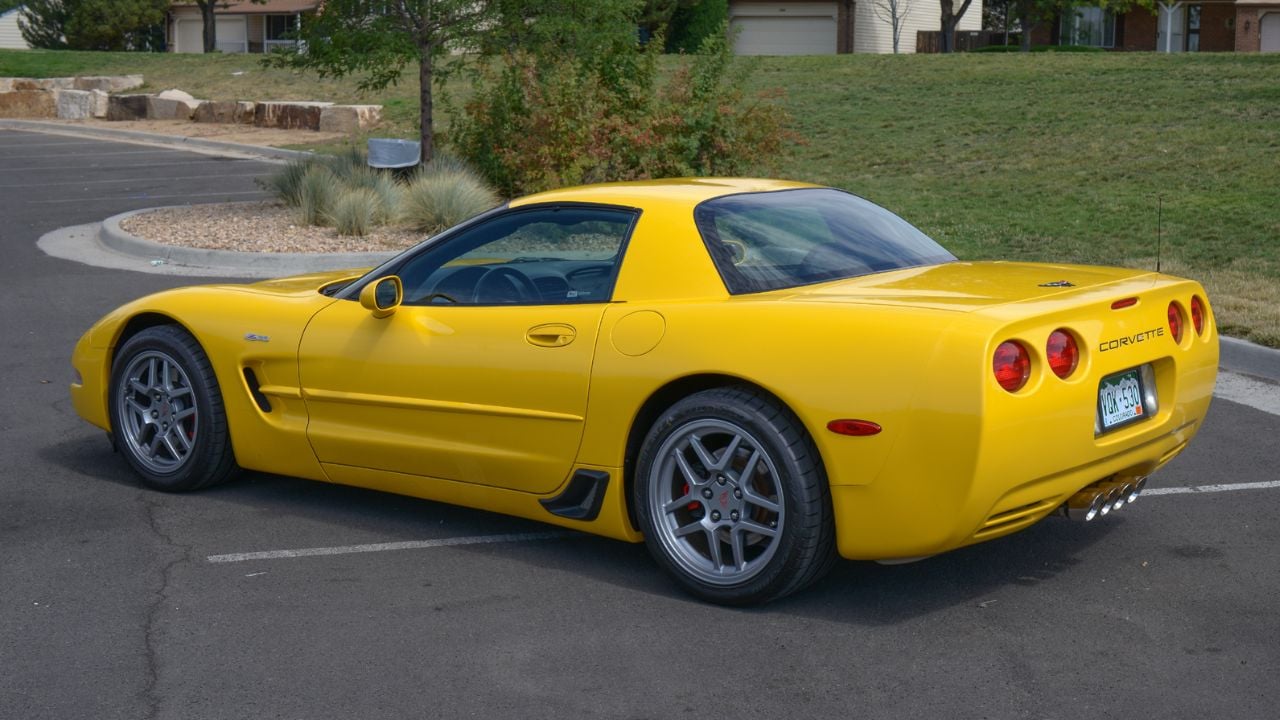
The 2001 to 2004 C5 Corvette Z06 gives the 2000s list real American muscle with serious track credibility. Early cars used the LS6 V8 with 385 hp, while 2002 to 2004 versions rose to 405 hp. The fixed-roof body, 6-speed manual transmission, lighter construction, and rear-wheel-drive layout gave the Z06 a sharper identity than the standard C5.
The Z06 keeps pulling viewers because the performance still looks strong beside much newer cars. It appears in bargain-supercar comparisons, track-day videos, LS reliability discussions, and “best performance car for the money” debates for a reason.
The cabin is dated, but the engine, chassis balance, parts support, and owner community keep the car relevant. Marketplace buyers should hunt for clean titles, unmodified examples, strong maintenance records, and cars that have not been beaten into track-day retirement. A good C5 Z06 still delivers serious speed without feeling impossible to live with.
Pontiac GTO

The 2004 to 2006 Pontiac GTO has aged into a better car than its original sales story suggested. It arrived as a Holden Monaro with a Pontiac badge, rear-wheel drive, an available 6-speed manual transmission, and V8 power. The 2004 model used a 5.7-liter LS1 V8 rated at 350 hp and 365 lb-ft of torque, while 2005 and 2006 models brought the 6.0-liter LS2 V8 with 400 hp and 400 lb-ft.
The GTO is rediscovered through old comparison tests and ownership videos because people now understand the car differently. When new, it was criticized for not looking like a retro muscle car. Two decades later, the understated body makes it feel like a clean LS-powered grand tourer hiding in plain sight.
Marketplace buyers usually want manual LS2 cars first, but condition matters more than internet ranking. Clean interiors, stock drivetrains, good suspension, and examples that avoided cheap modifications are the ones worth chasing. The GTO brings V8 power, long-distance comfort, and a rare final Pontiac chapter in one quiet-looking coupe.
Subaru Impreza WRX STI

The 2004 to 2007 Subaru Impreza WRX STI brought rally culture directly into American driveways. The 2004 STI used a turbocharged 2.5-liter flat-four with 300 hp and 300 lb-ft of torque, all-wheel drive, and a 6-speed manual transmission. Autoweek recorded a 0-60 mph time of 4.78 seconds in period coverage, which was serious pace for its time.
The STI is a YouTube favorite because it gives viewers boost, sound, traction, big-wing rally visuals, and endless tune-versus-stock arguments in one compact sedan. Exhaust clips, launch videos, rally tribute edits, and buyer guides keep the GD-chassis STI alive online.
Marketplace shopping requires brutal honesty. Many cars have been modified, tuned poorly, launched hard, rusted, crashed, or repaired with questionable parts. A clean, well-documented STI still has enormous pull because it delivers a raw rally-inspired driving experience newer performance cars rarely copy.
Mitsubishi Lancer Evolution VIII And IX
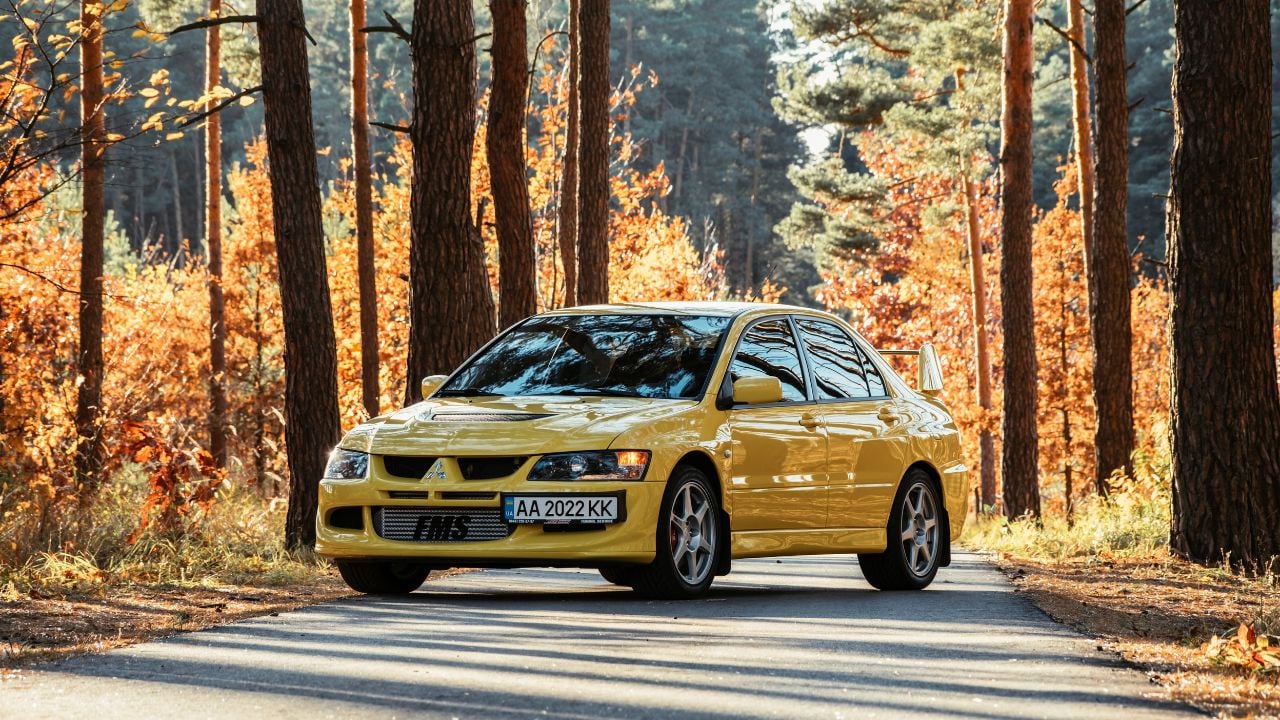
The 2003 to 2006 Mitsubishi Lancer Evolution VIII and IX belong here more than almost any other 2000s performance sedan. Mitsubishi’s 2006 Lancer Evolution press material listed the Evo IX at 286 hp, while period testing placed its turbocharged 2.0-liter 4G63, all-wheel-drive system, and manual transmission squarely in the same fight as the STI.
The Evo is pure YouTube fuel. It has rally credibility, turbo noise, huge tuning history, track battles, drag races, “Evo versus STI” arguments, and endless build content. Few cars from the decade create the same urge to watch one video and immediately check local listings.
Marketplace buyers need to be careful because the cars attracted exactly the kind of owners who used them hard. Poor tunes, boost leaks, worn clutches, rust, crash repairs, missing factory parts, and neglected driveline service can turn a dream Evo into a financial trap. A clean VIII or IX still feels special because it delivers compact-sedan practicality with genuine rally-era violence.
Acura RSX Type S

The 2002 to 2006 Acura RSX Type S kept Honda’s high-revving compact coupe formula alive after the Integra era. Early Type S models were commonly rated at 200 hp, while Acura’s 2006 specifications listed the Type S with a 2.0-liter i-VTEC four-cylinder producing 201 hp at 7,800 rpm, paired with a 6-speed manual transmission.
The RSX Type S earns repeat YouTube attention because it captures a clean kind of front-wheel-drive fun. The K20 engine loves revs, the shifter is crisp, and the hatchback body adds real daily usefulness. K-series videos, VTEC pulls, budget track builds, and old tuner-era nostalgia all keep the RSX in rotation.
Marketplace buyers look for stock cars because many examples spent years in tuner culture. Suspension wear, rust, tired synchros, cheap coilovers, missing interior pieces, and poorly installed modifications can change the ownership experience quickly. A clean Type S still feels like one of the smartest affordable Honda performance cars from the 2000s.
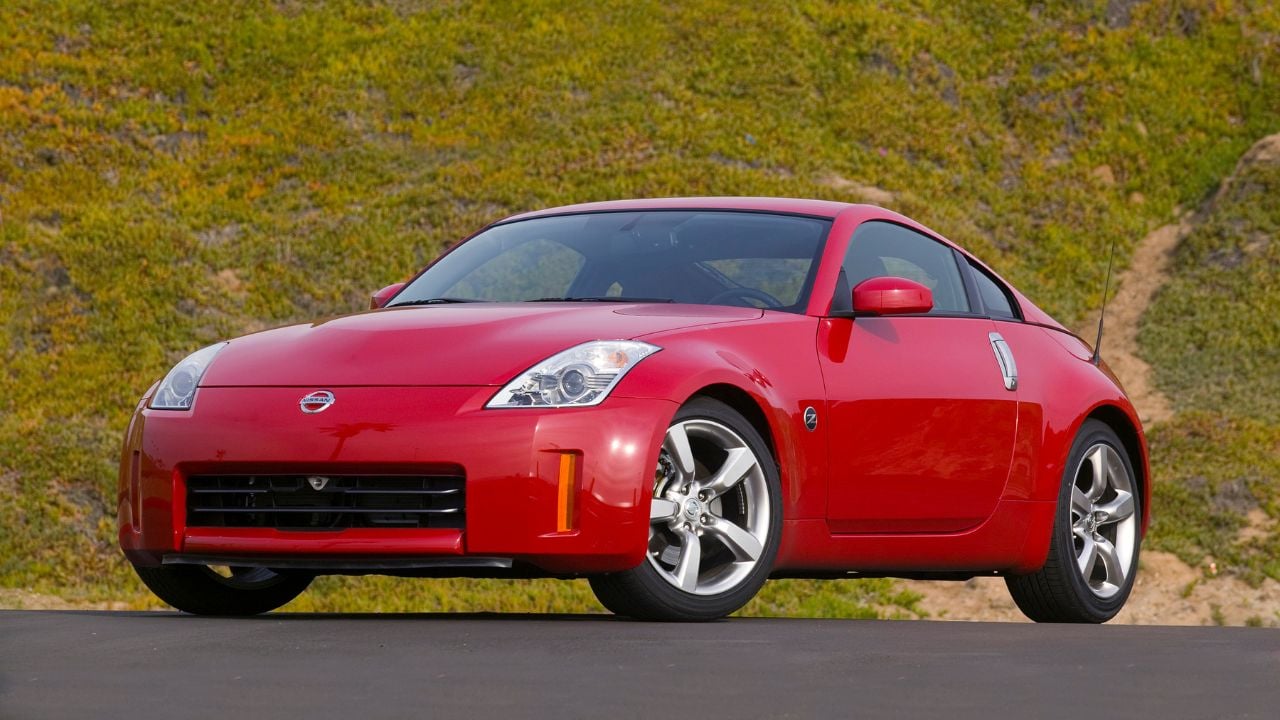
Nissan 350Z

The 2003 to 2008 Nissan 350Z coupe gave buyers a simple performance recipe at a realistic price: front-mid-engine layout, rear-wheel drive, a 3.5-liter V6, and an available 6-speed manual. Later VQ35HR coupes reached 306 hp, while earlier cars built the Z33’s reputation with strong torque and a muscular shape. The 350Z Roadster continued into 2009, but the coupe story is the cleanest fit for this list.
The 350Z dominates YouTube because it fits almost every enthusiast lane: drift builds, budget track cars, daily drivers, exhaust comparisons, stance builds, and buyer guides. It is one of those cars viewers watch for five different reasons, then search anyway.
Marketplace shoppers need to sort carefully through the noise. Many cars have been lowered, wrapped, crashed, drifted, or modified without much mechanical care. The best buys are clean manual coupes with good oil pressure, strong clutch feel, straight bodywork, and suspension that has not been abused into misery.
Dodge Neon SRT-4

The 2003 to 2005 Dodge Neon SRT-4 turned one of America’s plainest compact sedans into a turbocharged street legend. The 2003 model was rated at 215 hp and 245 lb-ft of torque, while 2004 and 2005 versions rose to 230 hp and 250 lb-ft. Car and Driver noted that the 2004 model also gained a standard Quaife limited-slip differential.
The SRT-4 still pulls viewers because it feels loud, cheap, quick, and slightly dangerous in the best early-2000s way. It shows up in old street-racing memories, “forgotten performance car” videos, dyno clips, and cheap-boost discussions because it never tried to be polished.
Marketplace buyers should watch for boost leaks, worn transmissions, rust, hacked wiring, tired interiors, missing factory parts, and cars that lived too long at high boost. A sorted SRT-4 still delivers huge fun per dollar, but a neglected one can feel exactly as abused as its online reputation suggests.
Mazdaspeed3
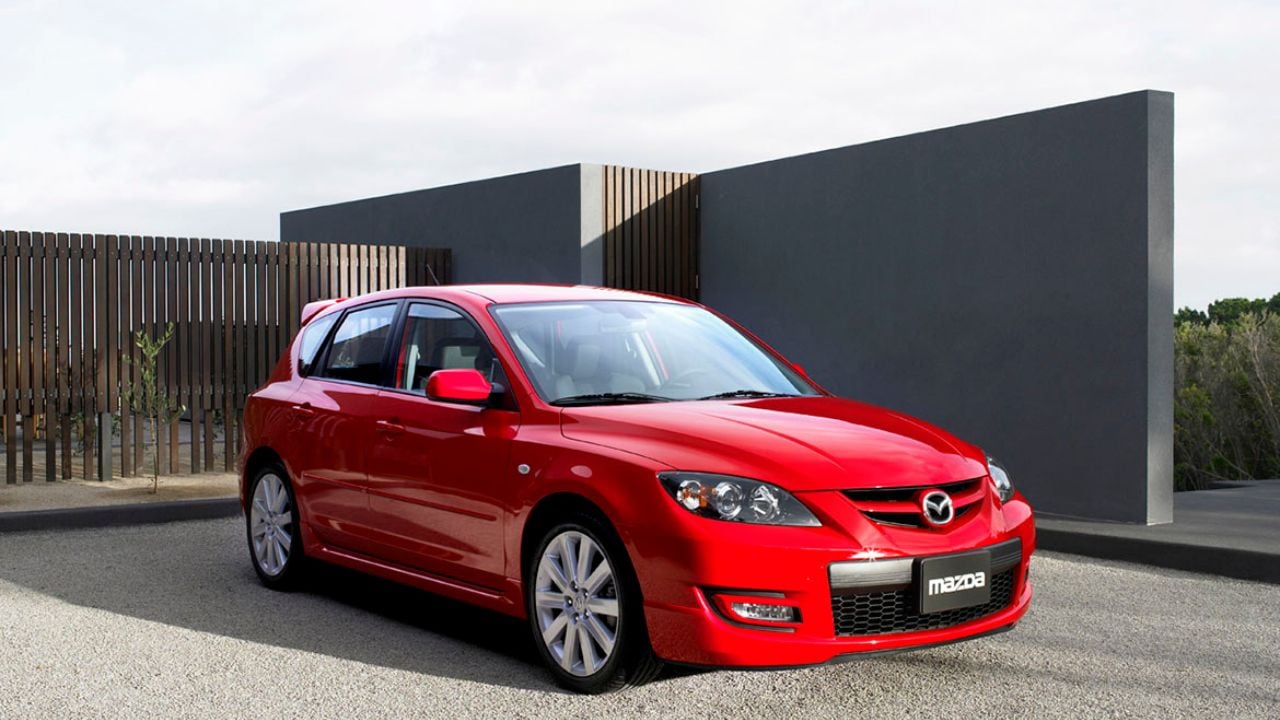
The 2007 to 2013 Mazdaspeed3 gave the ordinary Mazda3 hatchback a turbocharged second personality. Mazda’s 2007 specifications listed the Mazdaspeed3 with a 2.3-liter DISI turbocharged four-cylinder producing 263 hp and 280 lb-ft of torque, paired with front-wheel drive and a 6-speed manual transmission.
The Mazdaspeed3 remains popular online because it feels useful and unruly at the same time. It has hatchback practicality, strong midrange pull, and enough torque steer to keep the driver awake. Hot-hatch buyer guides, stock-versus-modified videos, exhaust comparisons, and “why nobody talks about these anymore” clips have kept it relevant.
Marketplace buyers tend to chase stock or lightly modified cars because heavy tuning, poor maintenance, worn motor mounts, tired turbos, and neglected fuel-system or timing-chain issues can create expensive problems. A good Mazdaspeed3 still feels quick, practical, and more alive than many newer hot hatches that cost far more.
Why The 2000s Keep Pulling Enthusiasts Back
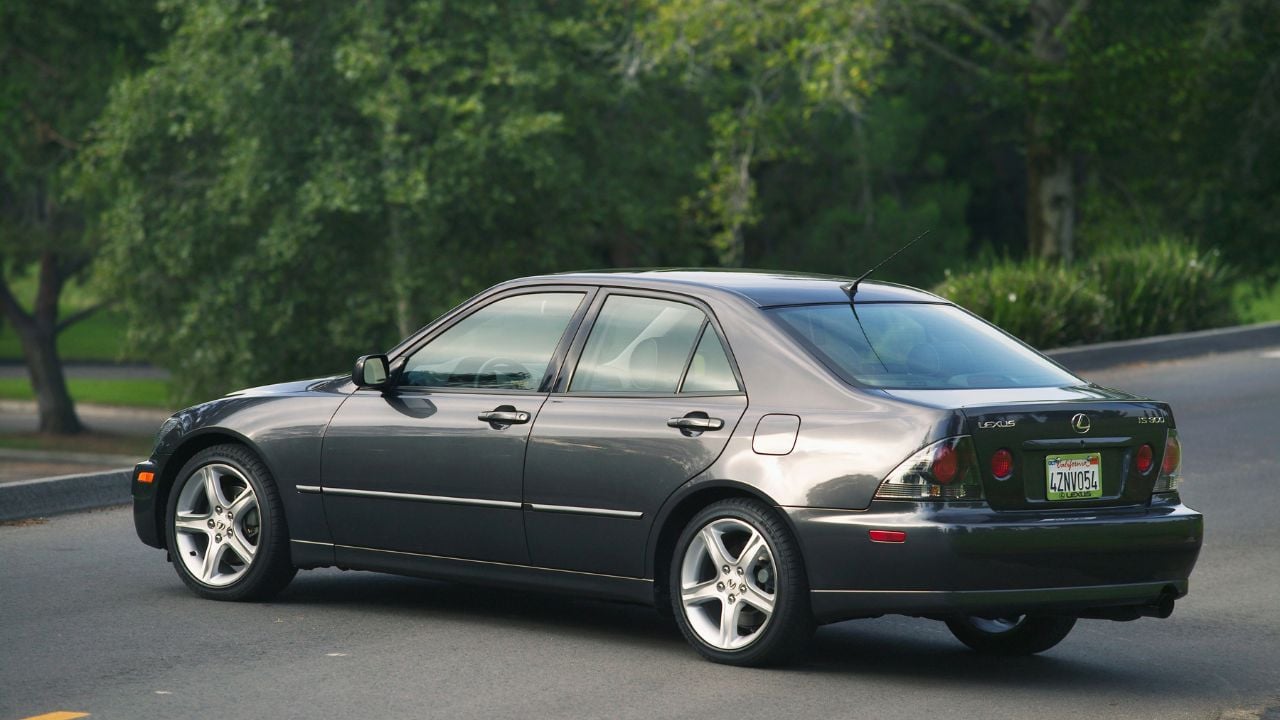
The 2000s gave buyers cars that still feel close enough to modern life, yet old enough to carry real mechanical texture. That balance keeps people watching videos about them and searching local listings late at night.
The S2000 and RSX Type S show Honda and Acura at their high-revving best. The E46 M3 gives BMW fans a benchmark analog M car. The Corvette Z06 and GTO bring two very different versions of LS-powered American performance. The STI and Evo keep the rally-sedan rivalry alive, while the 350Z, SRT-4, and Mazdaspeed3 carry drift, street, and hot-hatch energy from the tuner era.
The smart buyer should not shop these cars through nostalgia alone. Condition, service records, rust, modifications, ownership history, and the quality of previous work matter more than the badge.
Still, the pull is easy to understand. These cars came from a period when performance felt accessible, online communities were forming around them, and ordinary buyers could still buy something memorable without needing a luxury budget. The videos keep playing because the cars still feel close enough to chase. The Marketplace alerts keep refreshing because people know the clean ones are not getting easier to find.